Salicaceae · bark
White willow
Salix alba
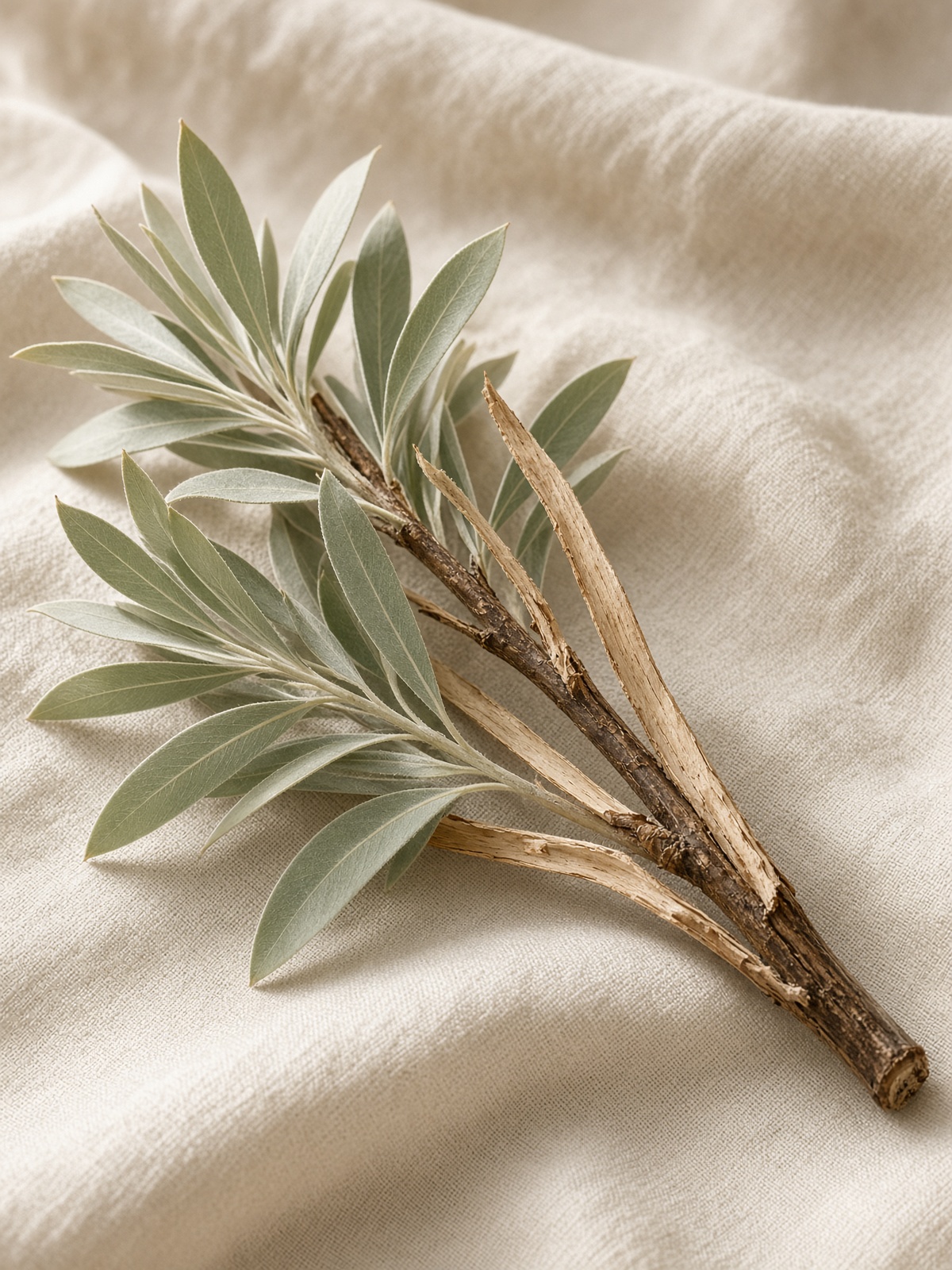
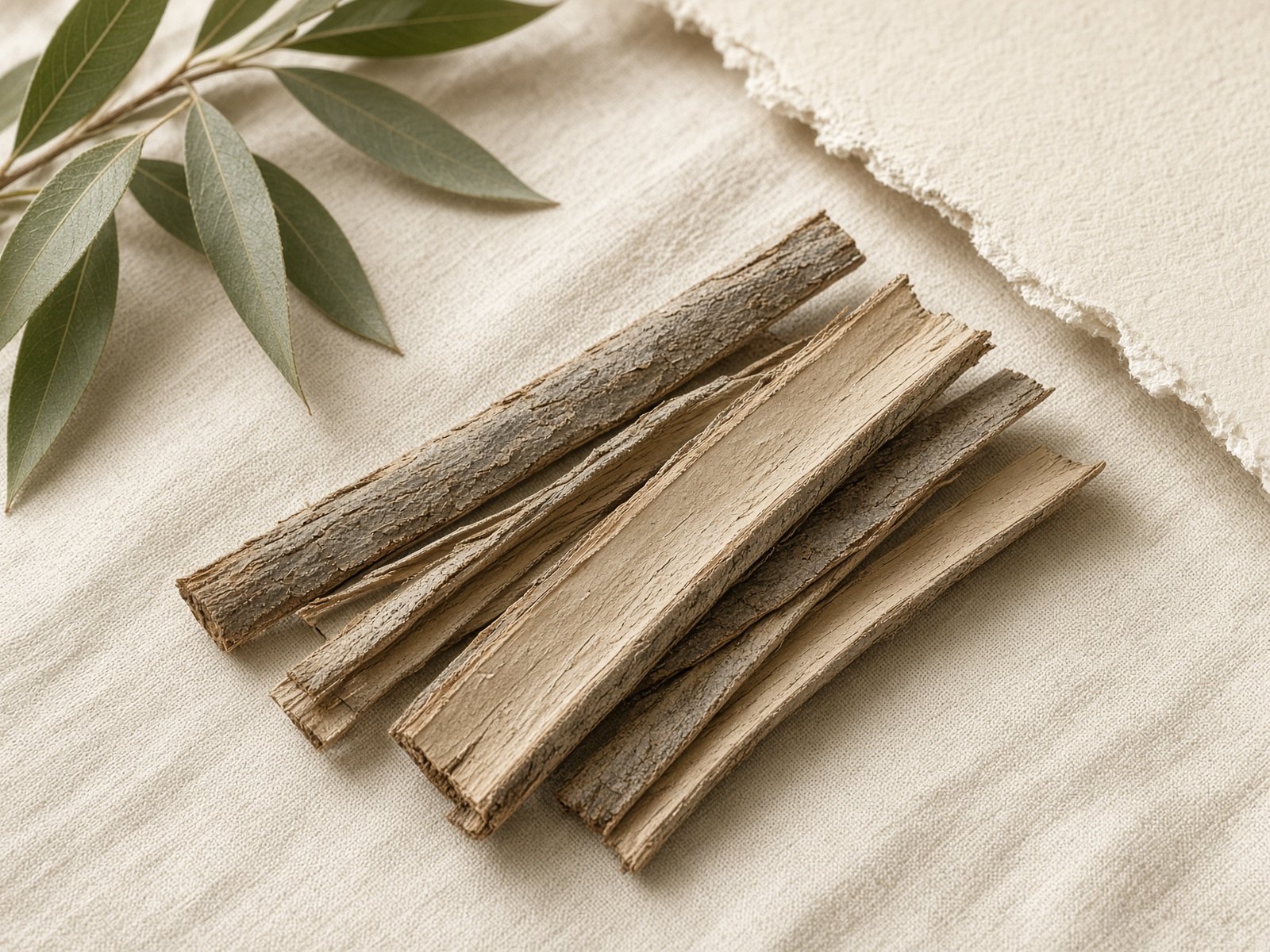
Bark mapped to human low-back-pain trials of salicin-standardized extracts. Pharmacology overlaps the salicylate class.
Safety first
Bark contains salicin, which is metabolized toward salicylic acid. Treat it with aspirin-class cautions: bleeding, Reye-type concern in children with viral illness, NSAID/aspirin allergy, and third-trimester pregnancy. It is not 'herbal aspirin-free'.
Tradition vs trials
Traditional record. European fever-and-pain bark long predates synthetic aspirin. Commission E and ESCOP record it for fever, headache, and rheumatic pain.
Trial literature. Specified salicin extracts have human data for low-back pain. Headache/fever evidence is more traditional than modern RCT.
Practical ranges
Educational ranges — not a prescription. Culinary use is not an extract.
salicin (adults)
European trial/monograph products often provide about 120–240 mg salicin daily
ESCOP / EMA HMPC — Educational range only — not a prescription. A licensed clinician individualizes product, dose, and duration.
Pregnancy, nursing, children
- Pregnancy. Avoid, especially in the third trimester (same class concern as other salicylates).
- Nursing. Avoid medicinal salicylate barks unless a clinician directs otherwise.
- Children. Do not use in children or teenagers with viral illness (Reye-type caution). Not a pediatric fever tea.
Contraindications
- aspirin/NSAID allergy or asthma triad
- active peptic ulcer or bleeding
- children with viral illness
- third-trimester pregnancy
Key interactions
- anticoagulants / antiplatelets / NSAIDs · caution
Additive bleeding and gastric-irritation risk.
- methotrexate / other salicylate-interacting drugs · caution
Class caution.
Used in these diagnoses
- Osteoarthritis of the kneeMusculoskeletal
- Nonspecific low back painMusculoskeletal
- Primary dysmenorrheaWomen’s Health
- Tension-type headacheNervous / Mental
- Sciatica (adjunct)Musculoskeletal
- Gout flare (supportive)Musculoskeletal
- Plantar fasciitisMusculoskeletal
- Heavy menstrual bleeding (workup first)Women’s Health