Musculoskeletal
Osteoarthritis of the knee
7 plants
Ask Assistant about thisAdjunctive symptom control next to PT and topical NSAIDs — not disease modification. Kitchen turmeric is not a 1–2 g curcuminoid product. Devil’s claw and boswellia have human OA data of mixed quality. Internal comfrey is never in play; topical comfrey is a different, time-limited object on intact skin.
Primary plants
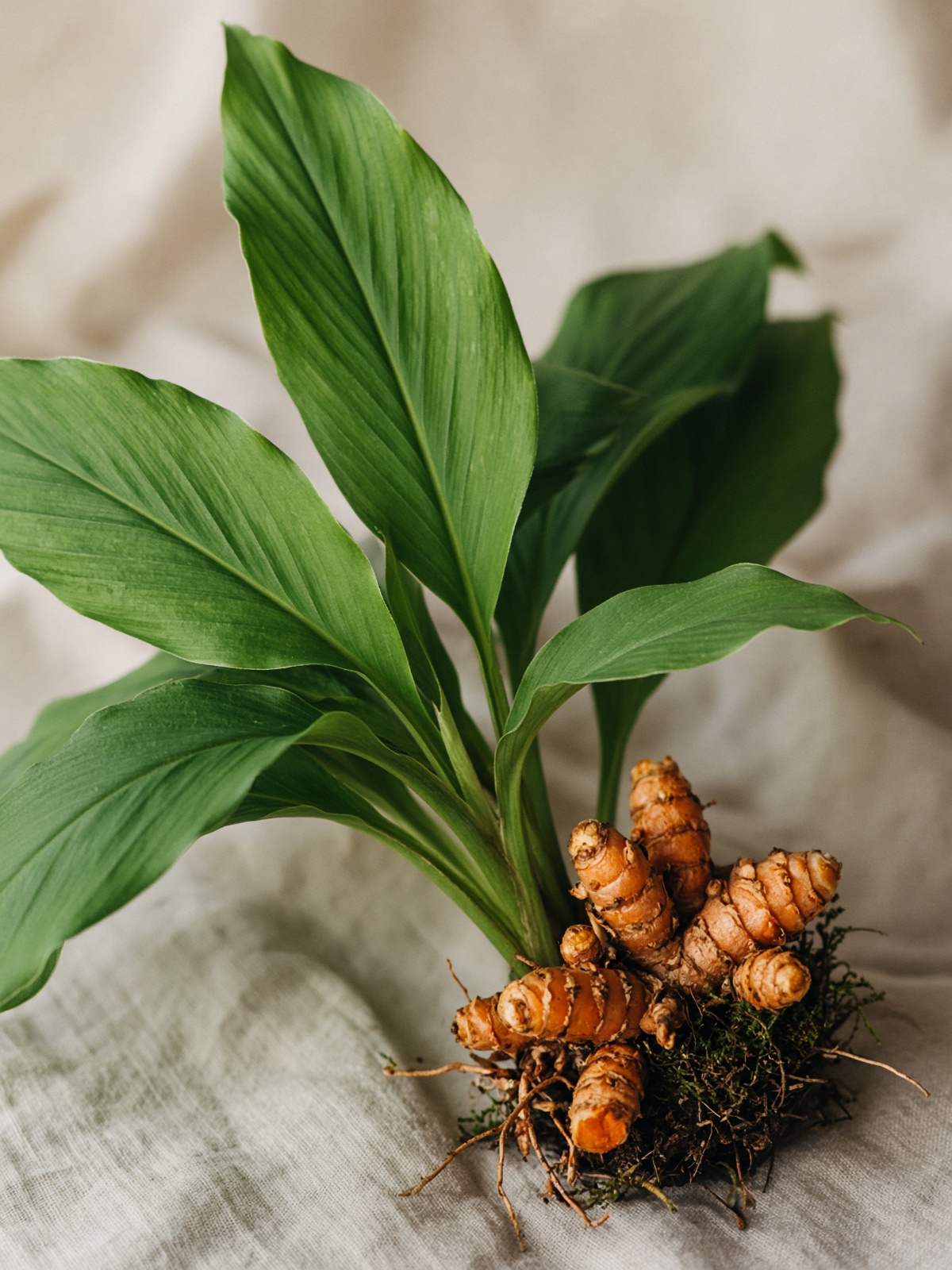 1TurmericHuman data
Curcuma longa
Curcuminoid extracts have OA pain-scale trial data. Culinary powder is not the trial product.
Typical. Extracts often 500–2000 mg curcuminoids/day in various delivery systems. Food spice is a fraction of that.
Safety. Rare DILI on high-dose/piperine products. Bleeding signal at extract dose. Gallbladder/bile-duct caution.
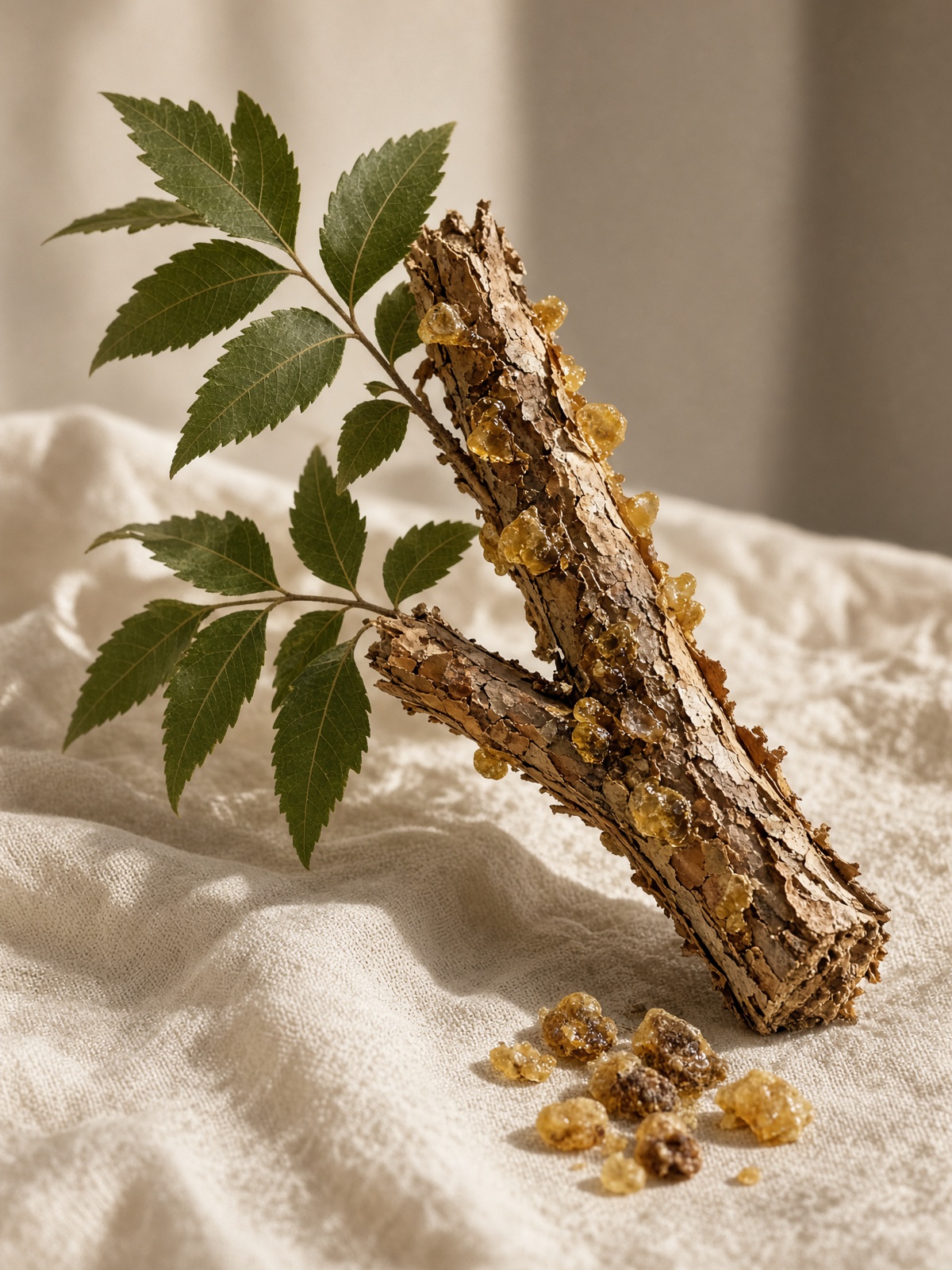 2Indian frankincenseHuman data
Boswellia serrata
Boswellia (AKBA-standardized) has human knee-OA trials. GI upset is the usual limit.
Typical. Resin extract as labeled; many trials ~100–250 mg AKBA-standardized extract tid or equivalent.
Safety. GI upset. Not African liturgical frankincense. Product identity is the quality problem.
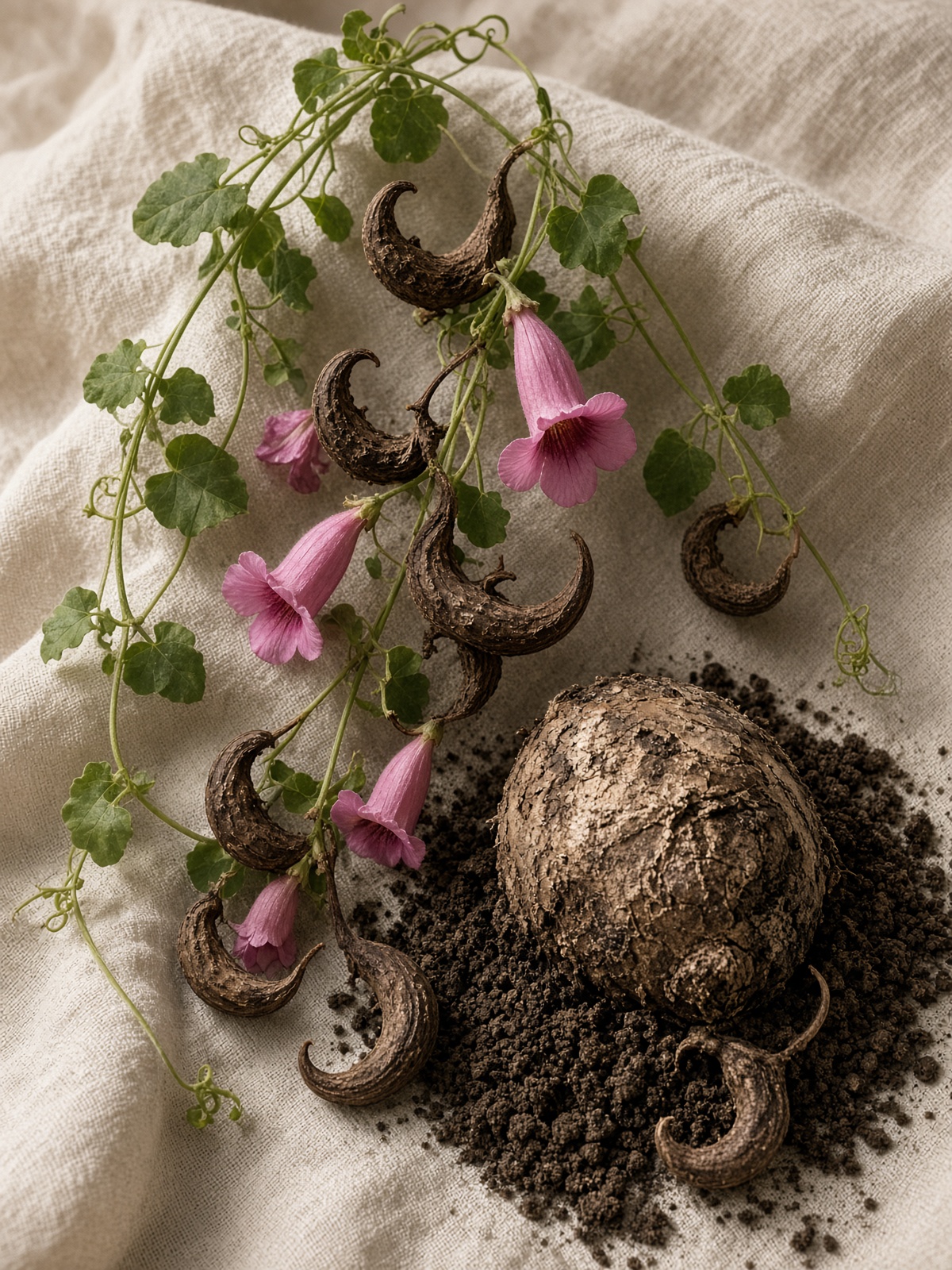 3Devil's clawHuman data
Harpagophytum procumbens
Human OA and back-pain trial data. Bitter, ulcer-caution plant.
Typical. Root extract standardized to harpagoside; monograph-type 600–1200 mg extract/day in divided doses.
Safety. Avoid PUD, gallstones. Possible additive anticoagulant effect. Not a food.
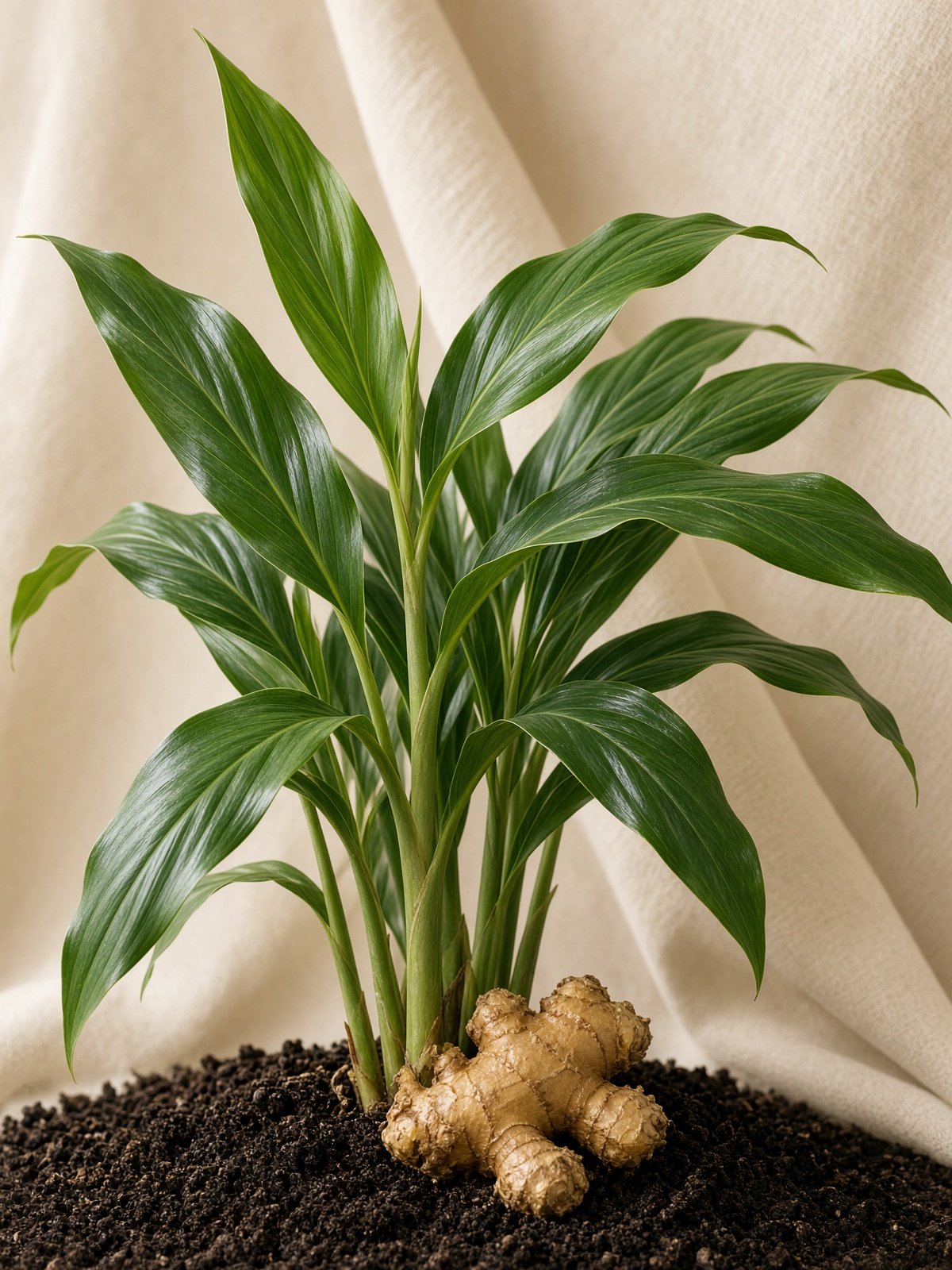 4GingerHuman data
Zingiber officinale
Modest human data for OA pain at gram-level dried rhizome or extract — not dinner ginger.
Typical. Dried rhizome ~0.5–1 g extract or 2–4 g powder in OA trials; heterogeneous.
Safety. Extract bleeding signal. Culinary is lower risk.
Supportive plants3
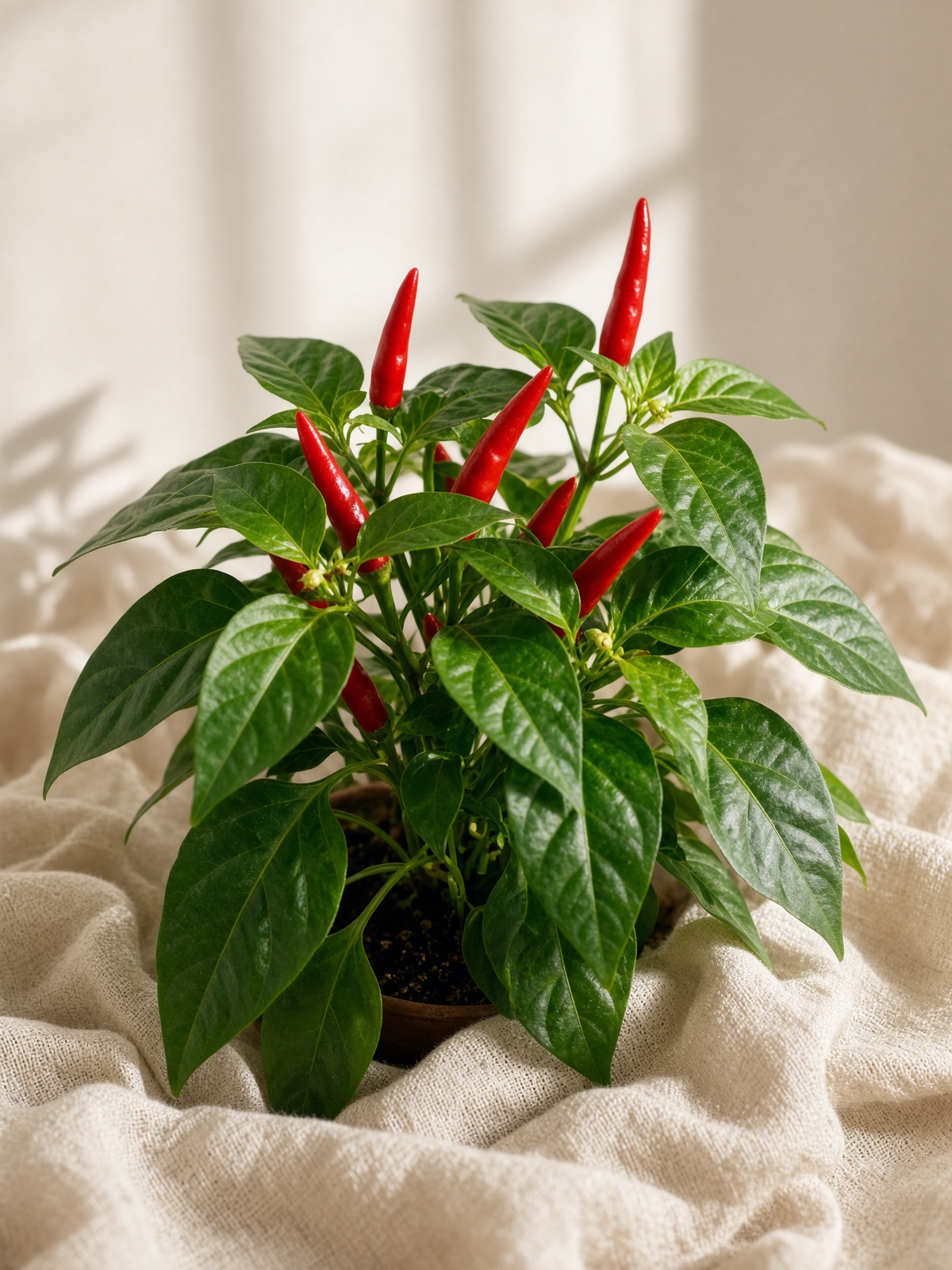 CayenneHuman dataCapsicum annuum
Topical capsaicin is a plant-derived drug with OA-hand/knee data. Burning is the point.
Typical. Topical 0.025–0.075% cream qid as tolerated. Wash hands. Not for broken skin.
Safety. Do not use near eyes/mucosa. Not an oral arthritis plant.
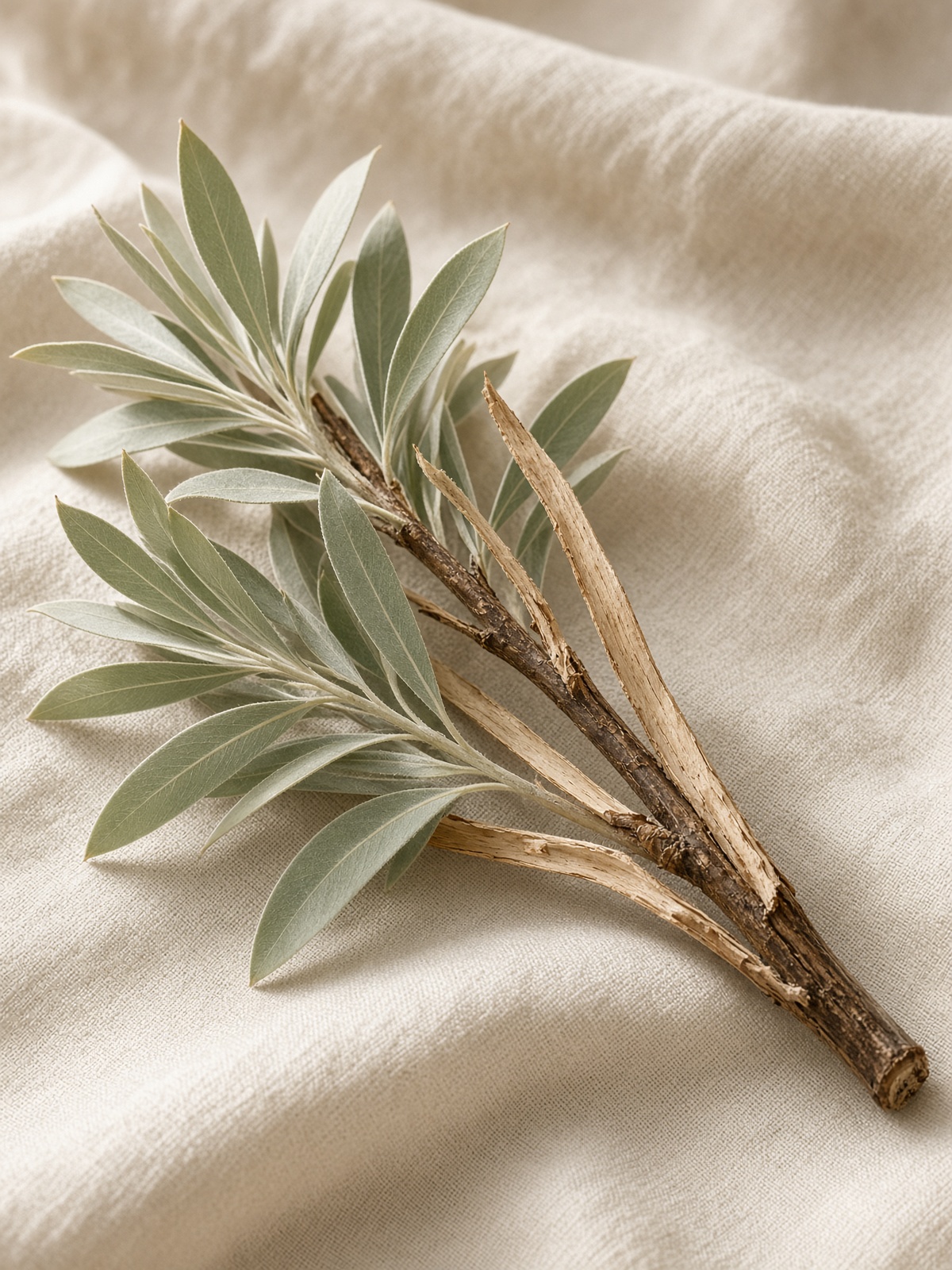 White willowStrong traditionalSalix alba
Salicin → salicylate. This is stacking NSAID-class risk, not a gentler aspirin.
Typical. Bark decoction/extract per monograph; salicylate yield is variable.
Safety. Avoid in kids (Reye logic), ulcer, anticoagulants, NSAID allergy, pregnancy 3rd trimester.
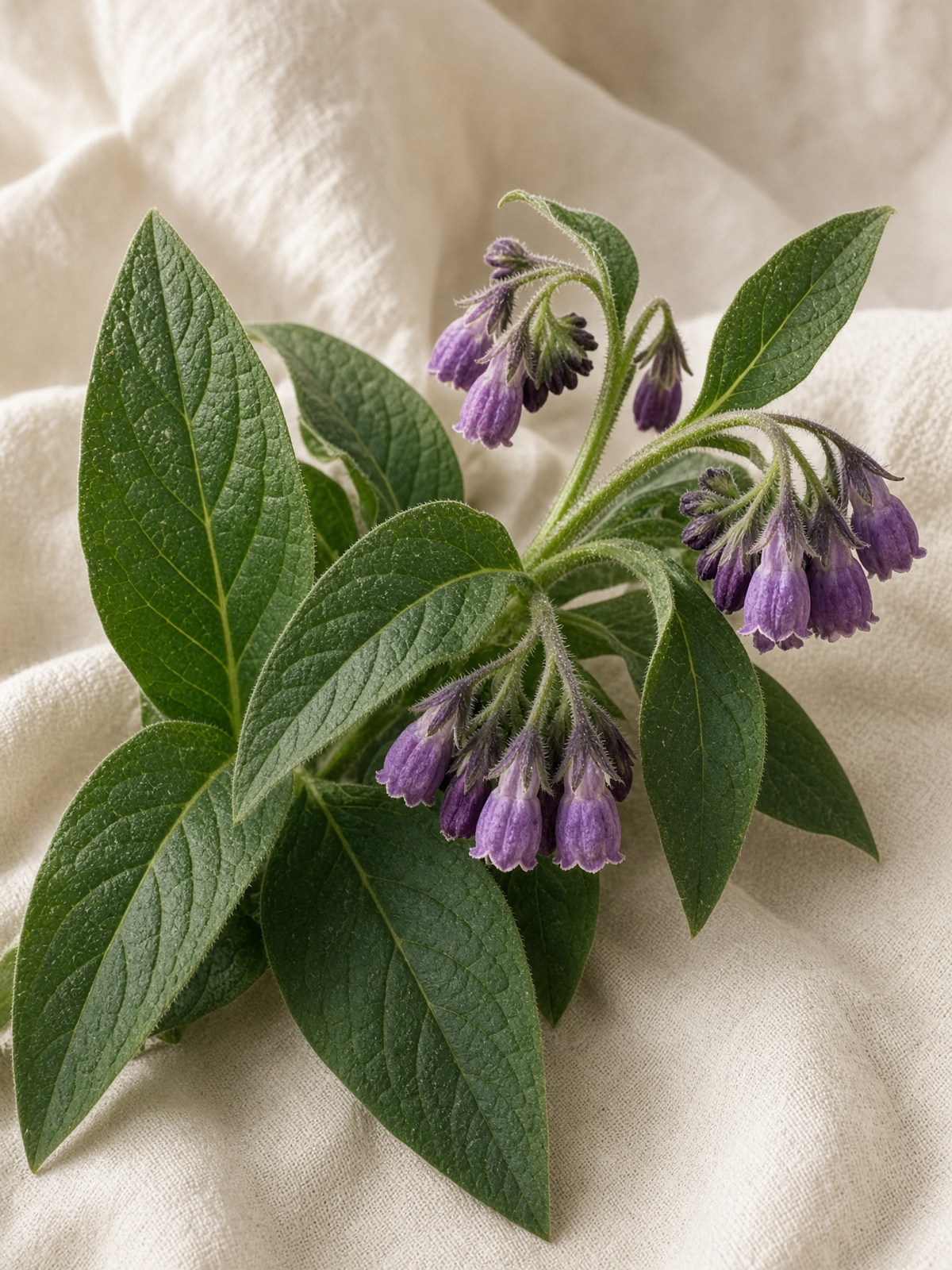 ComfreyHuman dataSymphytum officinale
Topical only, intact skin, short course. PA alkaloids make internal use a hard no.
Typical. Topical cream as labeled, few weeks max, unbroken skin.
Safety. Never internal. Never on broken skin. Pregnancy/children: no.
Clinical notes
- If they are already on full-dose NSAID + DOAC, willow and high-dose curcumin are a pharmacy conversation, not a stack.
- Effusion, hot joint, or inability to bear weight is not OA until proven otherwise.
- Quads and load management remain the high-value move.
When this is not enough
- Hot swollen joint ± fever — septic arthritis until proven otherwise
- Trauma with inability to walk four steps
- Night pain, unexplained weight loss, history of cancer
- True locking / giving-way never examined
Rooted is a private clinical reference for licensed practitioners. It is educational, not a treatment protocol, and not a substitute for the chart, the exam, or pharmacy review. Plant medicines interact with drugs and can harm liver, kidney, heart, pregnancy, and children.