Musculoskeletal
Nonspecific low back pain
5 plants
Ask Assistant about thisMovement beats rest. Plants here are short-course symptom adjuncts for non-radicular, non-red-flag back pain. Devil’s claw has the best oral trial file. White willow is a salicylate. Topical comfrey has human data on intact skin and is still a PA plant — keep it external and brief.
Primary plants
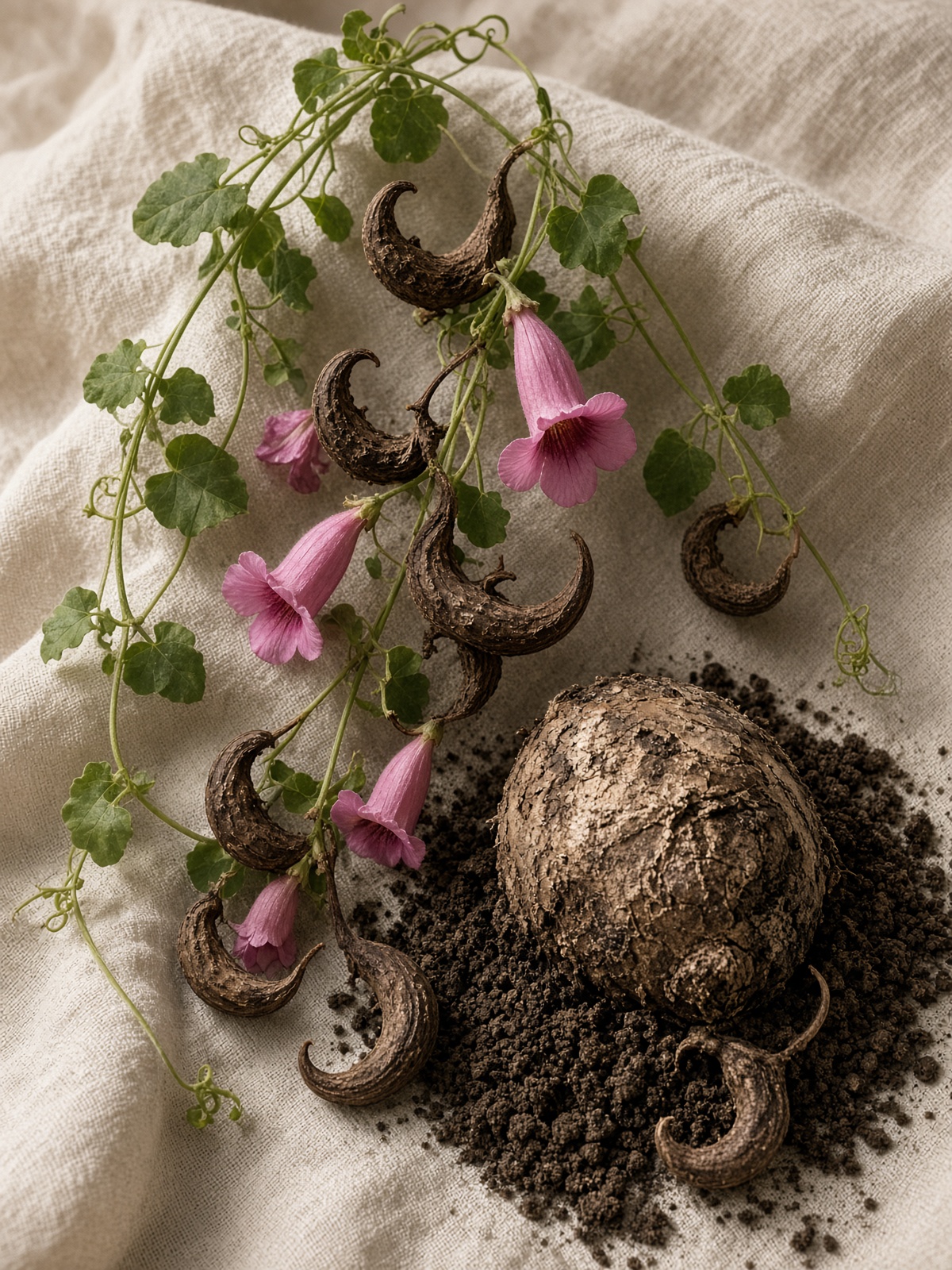 1Devil's clawHuman data
Harpagophytum procumbens
Best oral plant file on this list for nonspecific back pain. Short-course symptom adjunct — not a disc drug.
Typical. Harpagoside-standardized root extract, often 600–1200 mg/day divided.
Safety. Avoid PUD and gallstones. Possible additive anticoagulant effect.
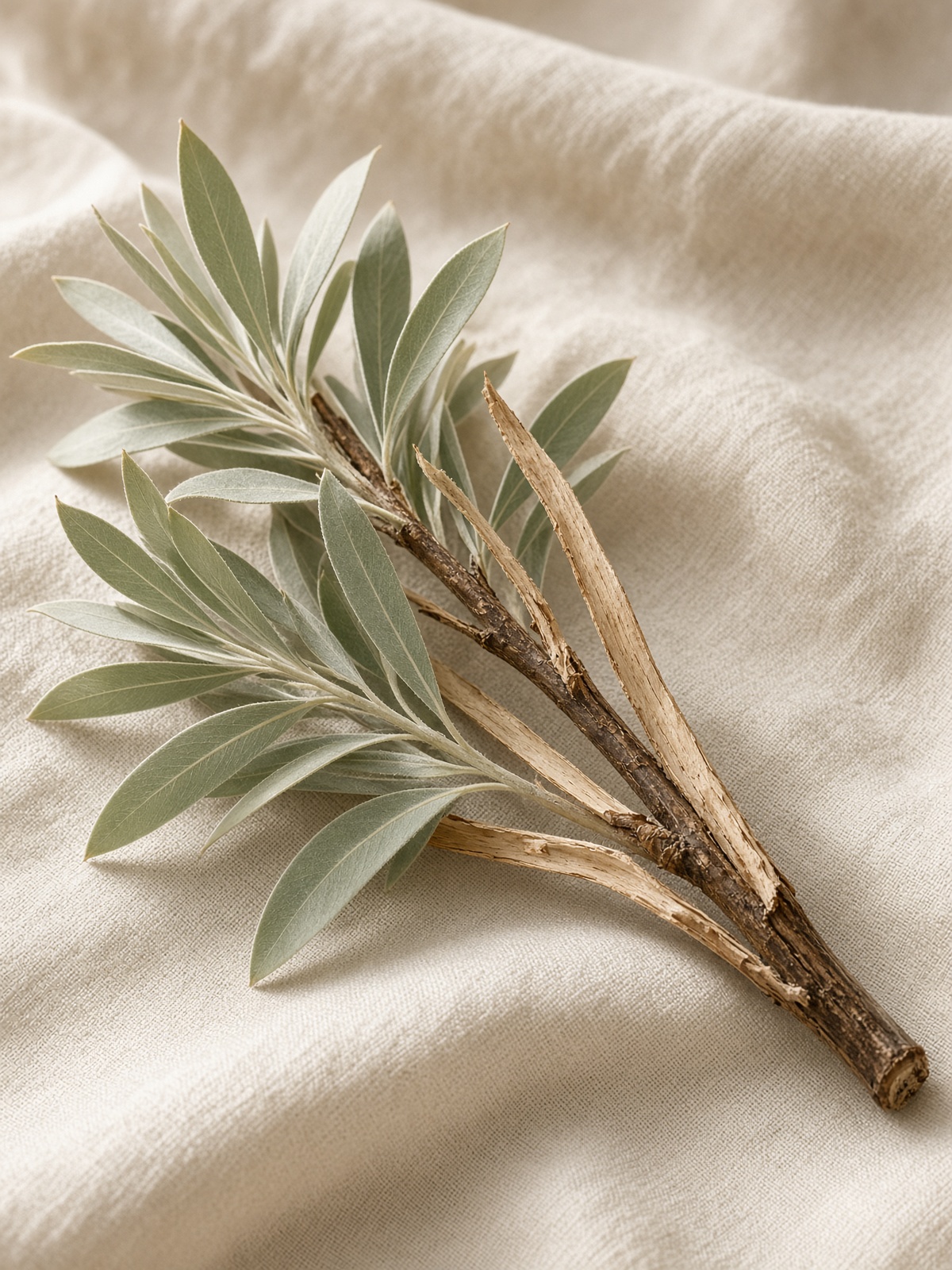 2White willowStrong traditional
Salix alba
Salicin analgesic. Treat like a weak, variable NSAID — not a gentler aspirin.
Typical. Bark extract per monograph; salicylate yield is variable. Short course.
Safety. Bleed, ulcer, kids (Reye logic), 3rd-trimester pregnancy, NSAID allergy.
Supportive plants3
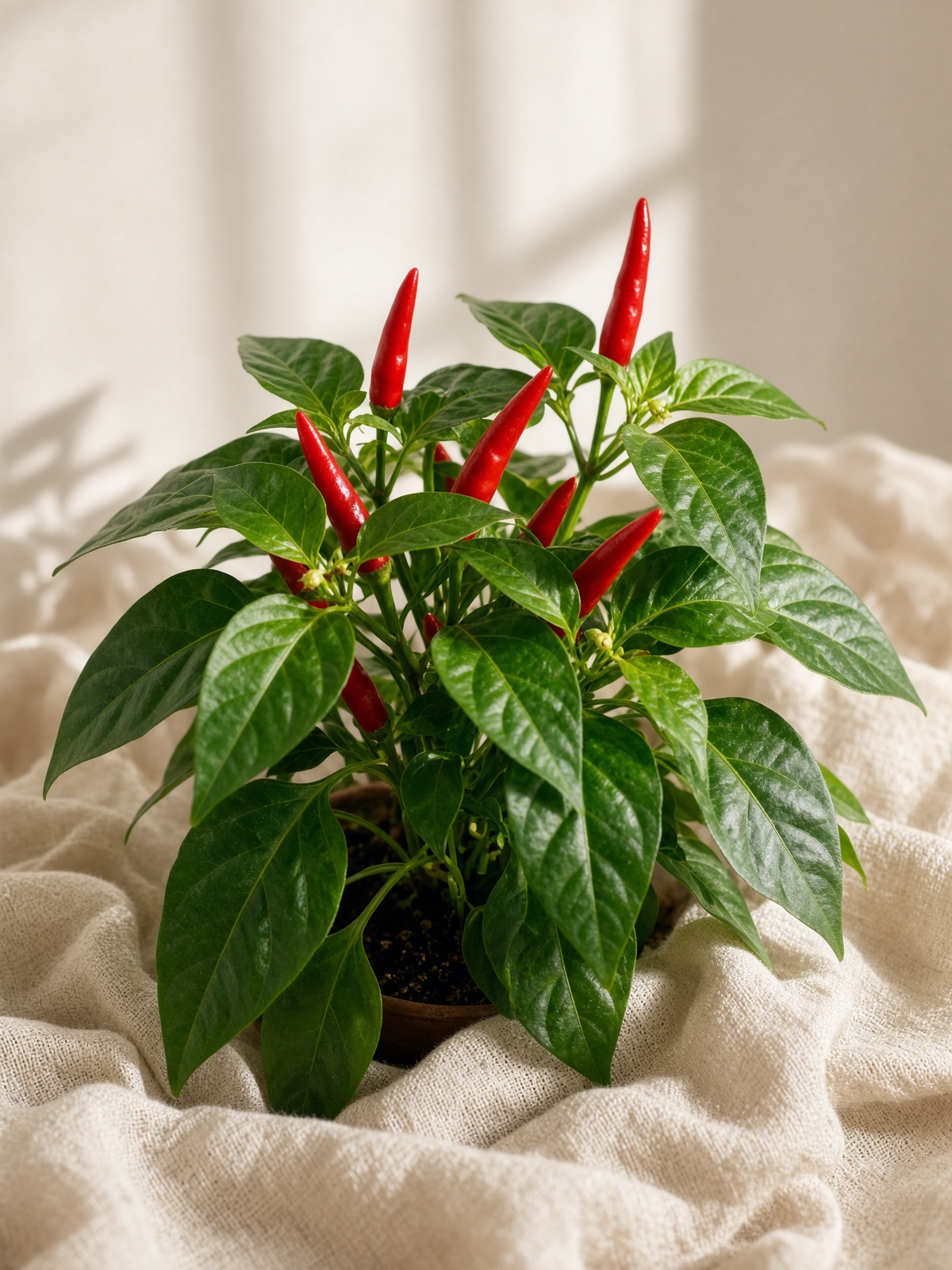 CayenneHuman dataCapsicum annuum
Topical capsaicin for regional myofascial/back-wall pain.
Typical. Topical 0.025–0.075% cream to intact skin. Wash hands.
Safety. Burns. Not for inflamed or broken skin.
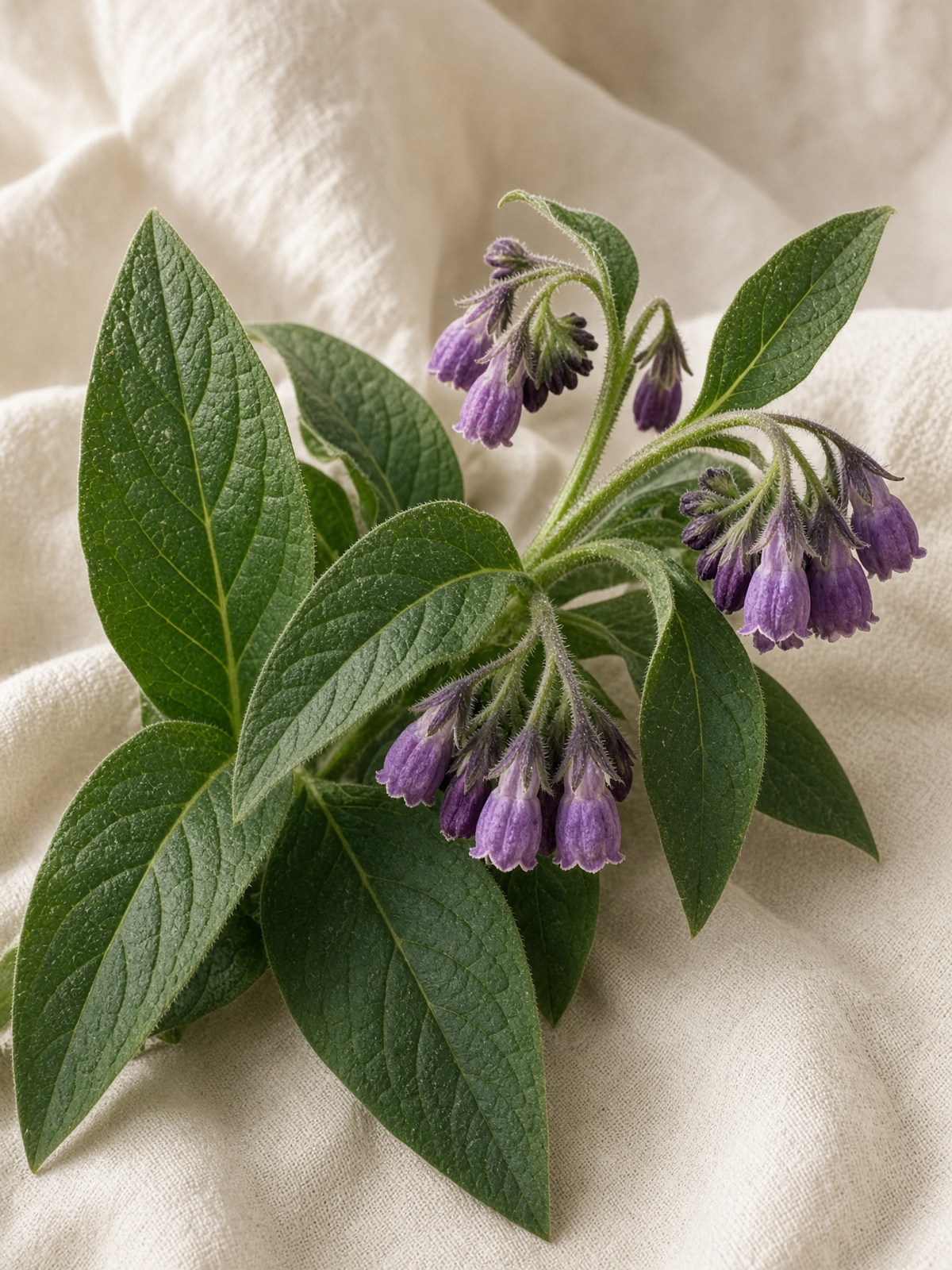 ComfreyHuman dataSymphytum officinale
Topical PA plant with some strain/back trial data. External, intact skin, short course.
Typical. Topical cream as labeled, limited duration.
Safety. Never internal. Not for pregnancy or large-area broken skin.
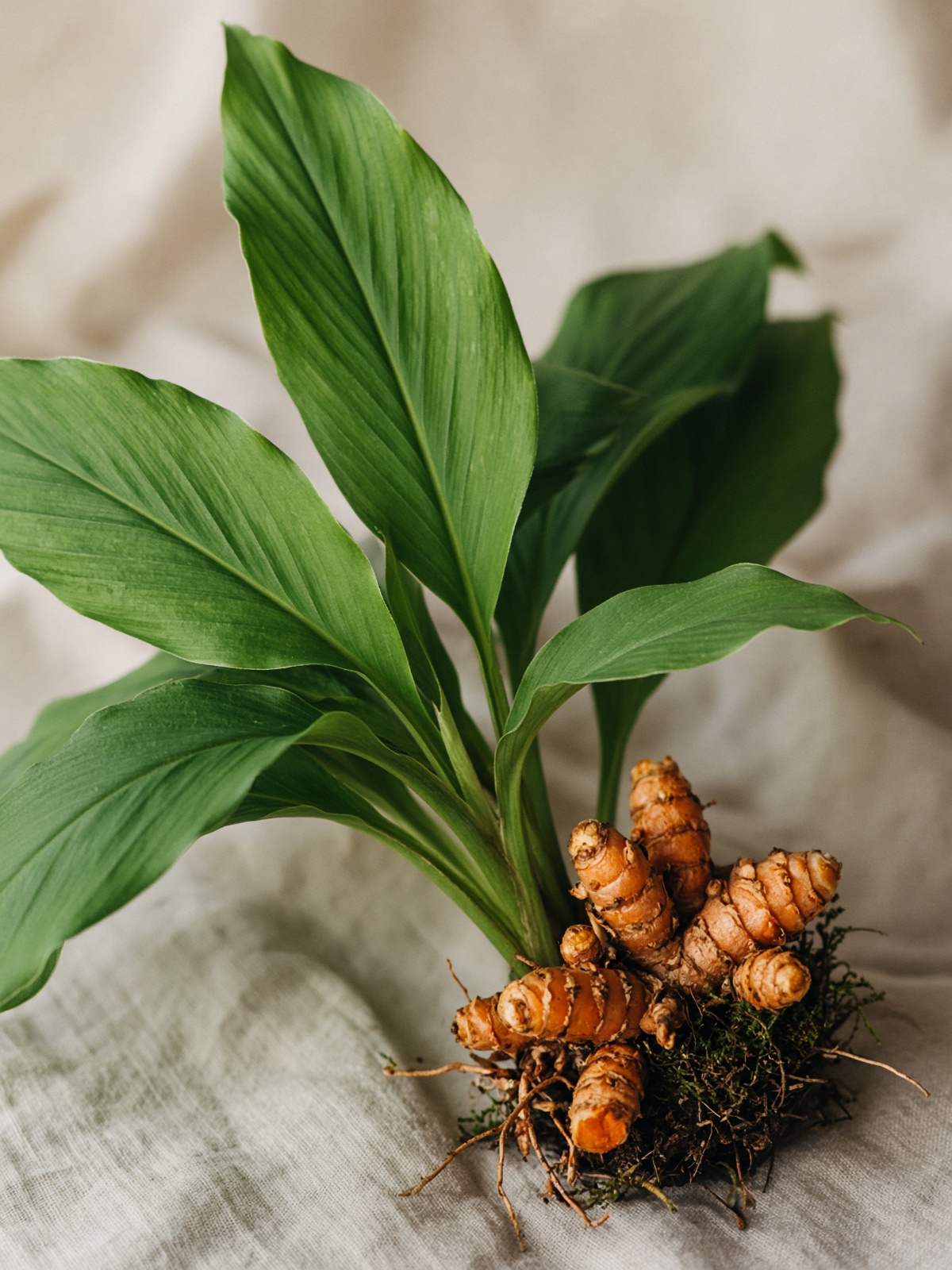 TurmericHuman dataCurcuma longa
Systemic inflammatory-pain adjunct if already using for OA. Not disc-specific.
Typical. Curcuminoid extract ranges as on the OA page.
Safety. DILI, bleeding, piperine interactions.
Clinical notes
- Cauda equina is a same-day emergency, not a cream.
- Yellow flags (fear-avoidance, catastrophizing) predict chronicity better than the MRI.
- If they cannot walk on heels/toes or have saddle anesthesia, stop this page.
When this is not enough
- Saddle anesthesia, bowel/bladder change, bilateral sciatica — cauda equina
- Progressive neurologic deficit, cancer history, IVDU, fever, unexplained weight loss
- Trauma in osteoporotic/older patients
Rooted is a private clinical reference for licensed practitioners. It is educational, not a treatment protocol, and not a substitute for the chart, the exam, or pharmacy review. Plant medicines interact with drugs and can harm liver, kidney, heart, pregnancy, and children.