Musculoskeletal
Plantar fasciitis
4 plants
Ask Assistant about thisFirst-step morning heel pain. Shoes, calf capacity, and not jumping straight into a cortisone shot still win. Topical capsaicin or short-course comfrey on intact skin are the plant file. White willow is NSAID-class risk. A stress fracture, S1 radiculopathy, or a spondyloarthritis heel is a different exam.
Primary plants
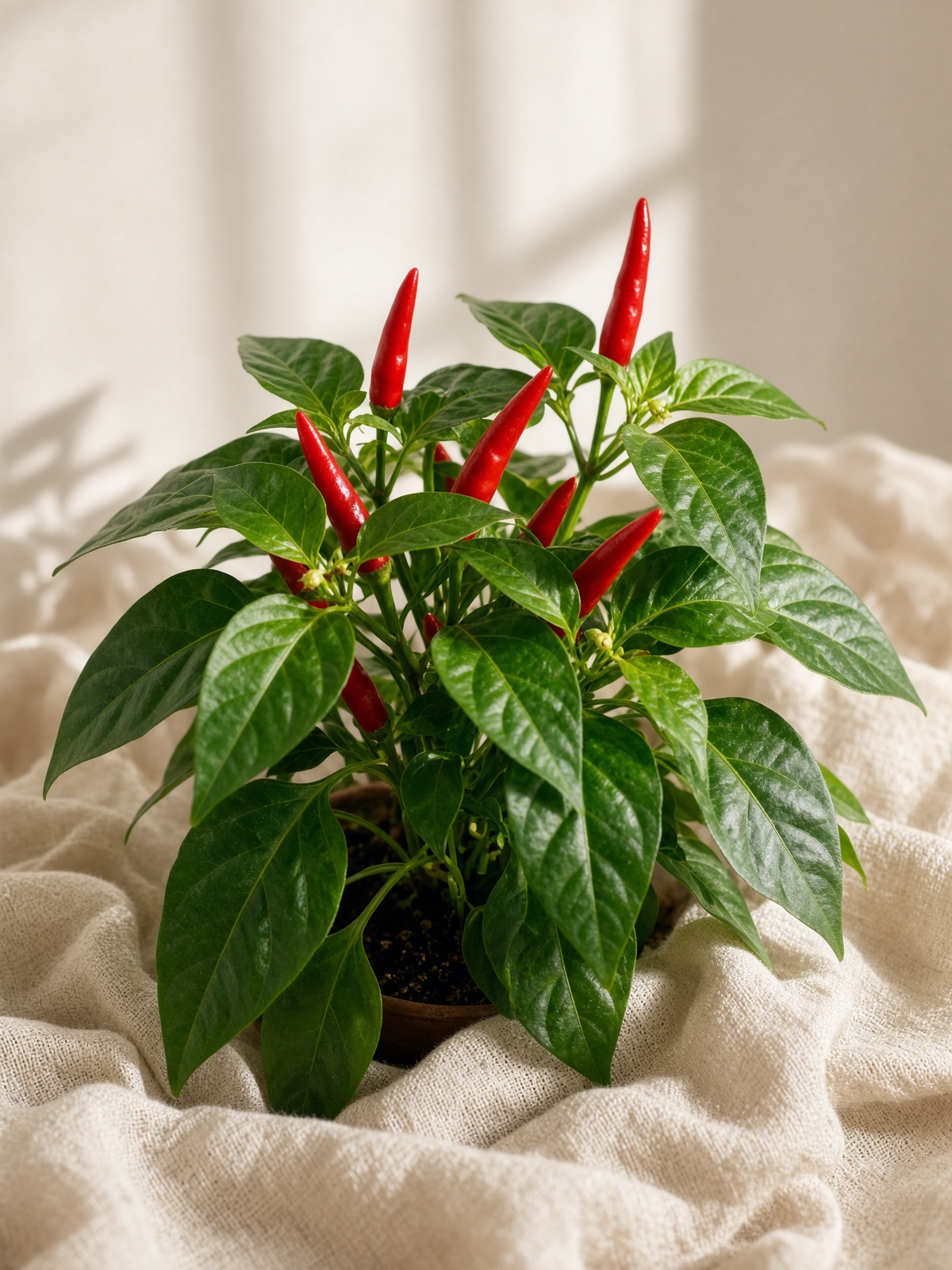 1CayenneHuman data
Capsicum annuum
Topical capsaicin for regional plantar/myofascial pain.
Typical. Topical to intact skin. Wash hands. Do not use on broken heel skin.
Safety. Burns.
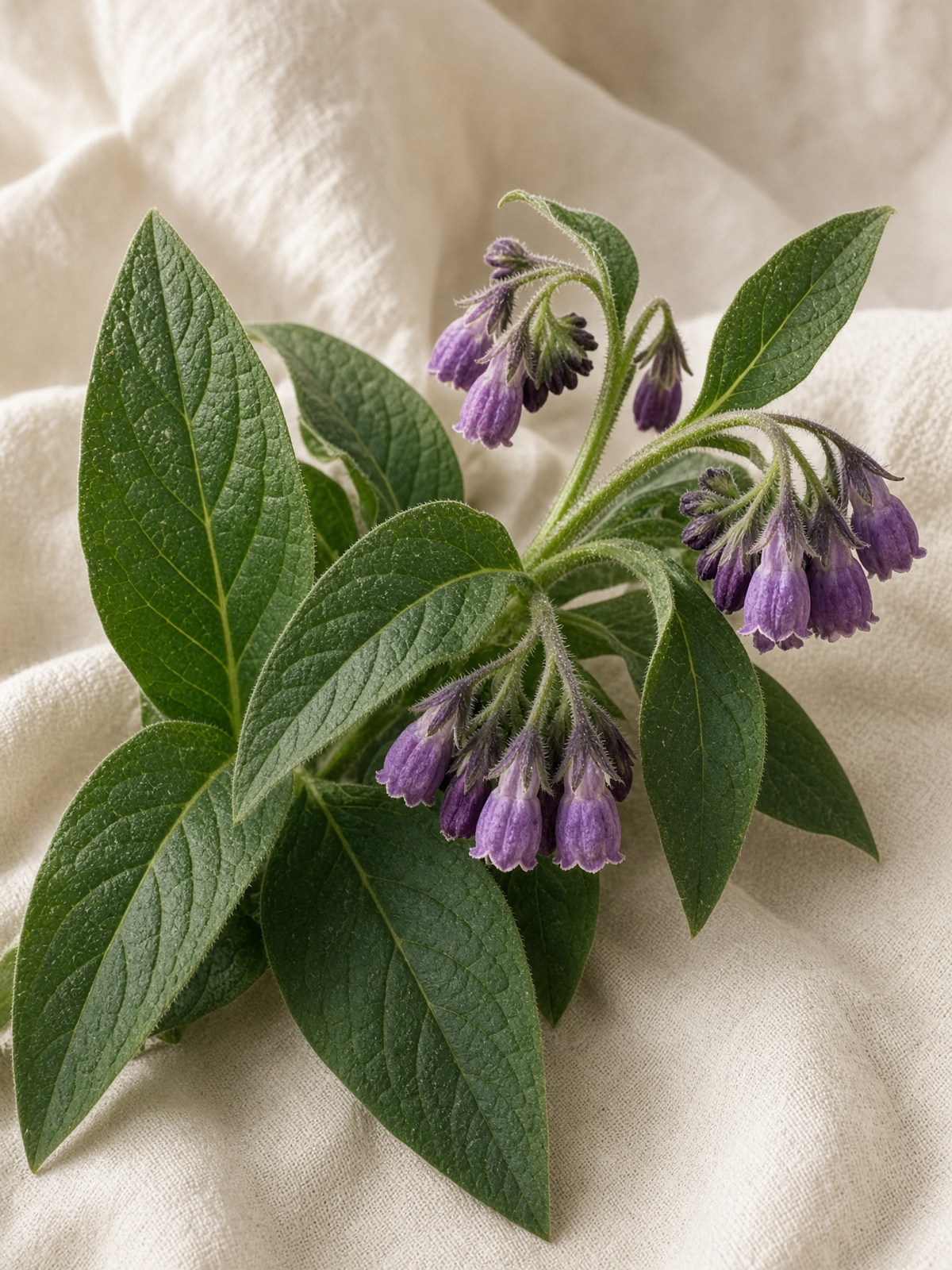 2ComfreyHuman data
Symphytum officinale
Topical PA plant with some strain/pain trial data. External, intact skin, short course.
Typical. Topical cream as labeled, limited duration.
Safety. Never internal. Not for broken skin or pregnancy.
Supportive plants2
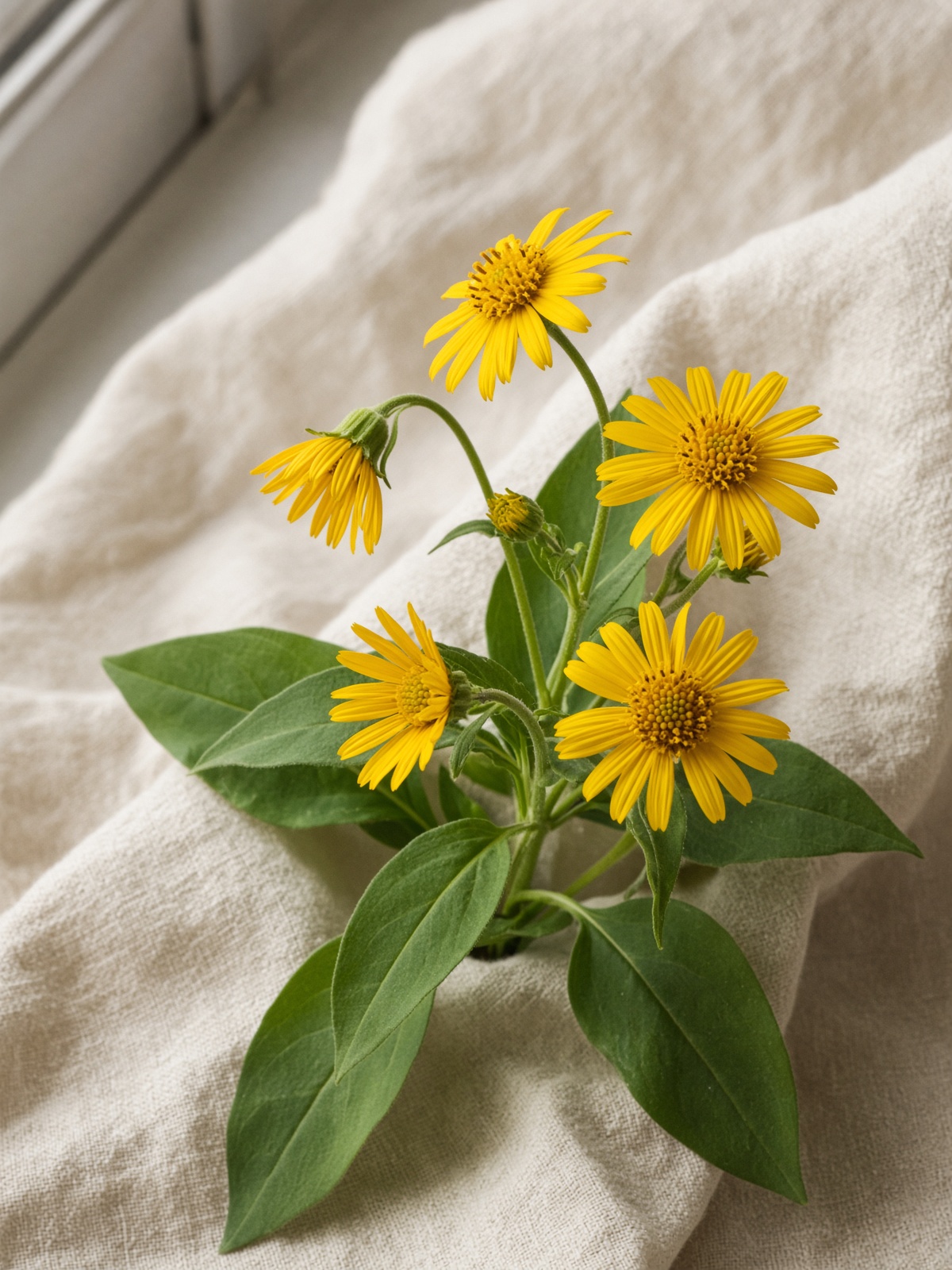 ArnicaStrong traditionalArnica montana
Topical tradition for bruise-type soreness. Homeopathic oral arnica is a different, evidence-poor object.
Typical. Topical only, intact skin.
Safety. Do not use on broken skin. Oral arnica is a toxicity object.
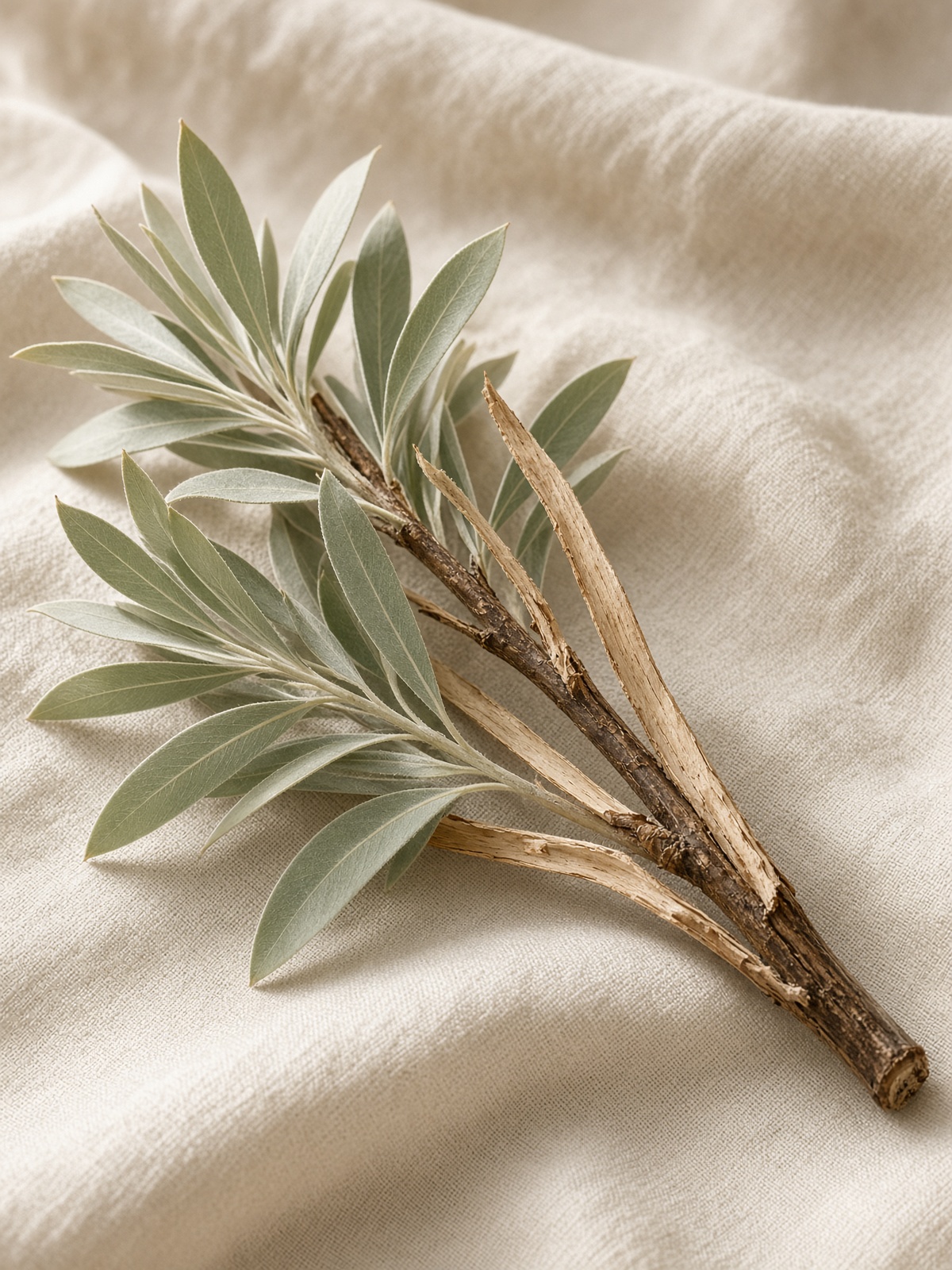 White willowStrong traditionalSalix alba
Salicin for people who would otherwise take an NSAID. Same class risks.
Typical. Bark extract short course.
Safety. Bleed, ulcer, kids, 3rd trimester, NSAID allergy.
Clinical notes
- Night pain in a runner, or a calcaneal squeeze, is a stress-fracture thought.
When this is not enough
- Inability to bear weight, fever, spondyloarthritis red flags, progressive neuro deficit
Rooted is a private clinical reference for licensed practitioners. It is educational, not a treatment protocol, and not a substitute for the chart, the exam, or pharmacy review. Plant medicines interact with drugs and can harm liver, kidney, heart, pregnancy, and children.