Women’s Health
Primary dysmenorrhea
6 plants
Ask Assistant about thisPrimary means you have thought about endometriosis, adenomyosis, and IUD malposition. Ginger 750–2000 mg in the first 3 days has multiple RCTs vs placebo and vs NSAID in some trials — effect is real and modest. Fennel seed has smaller human data. Chaste tree is a luteal/PMS plant, not an acute cramp rescue.
Primary plants
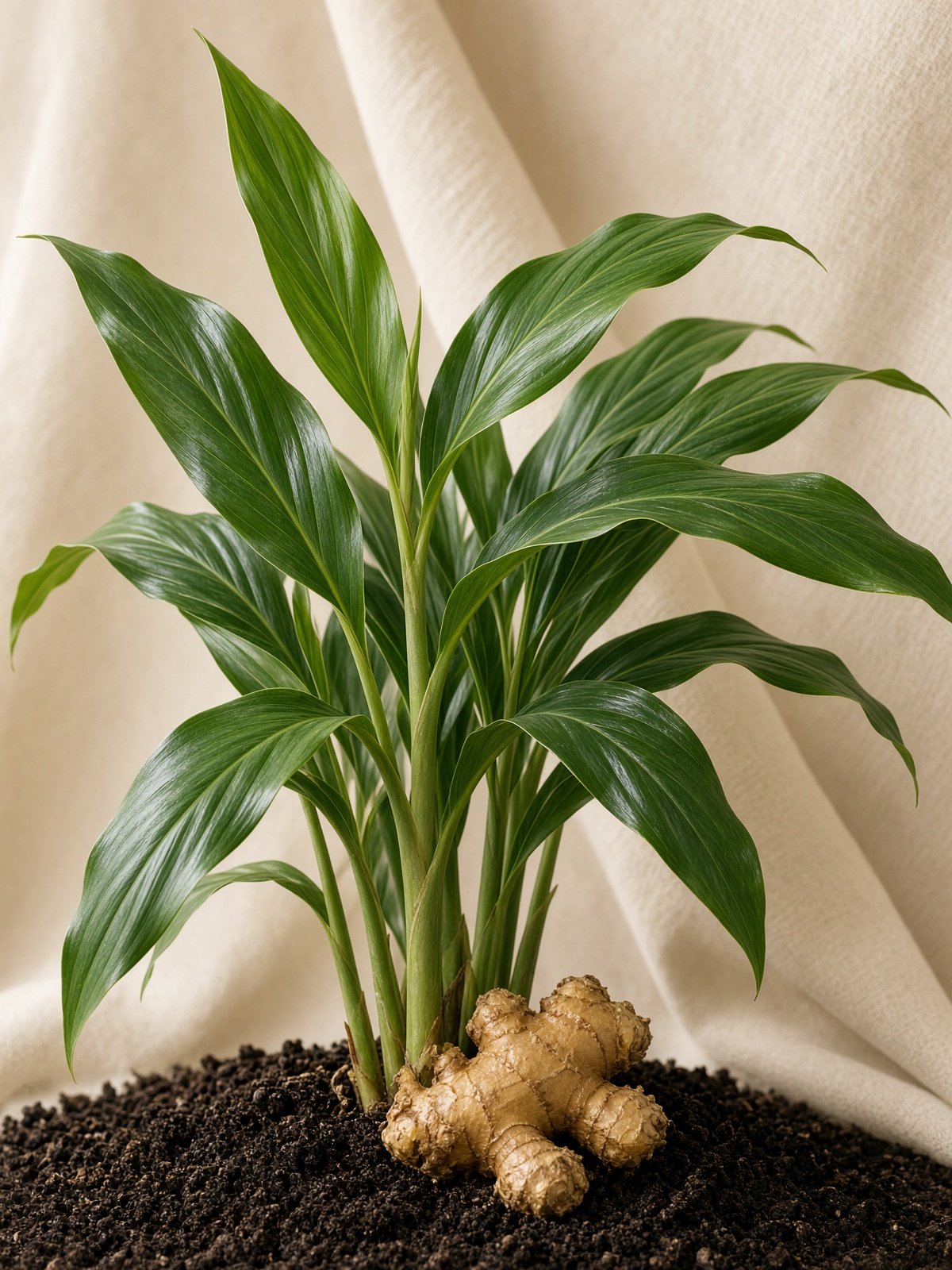 1GingerHuman data
Zingiber officinale
Best plant RCT file for primary dysmenorrhea. Start at onset of bleed.
Typical. Dried powder 750–2000 mg/day in divided doses for the first 3 days of menses (trial range).
Safety. This is powder/capsule, not dinner ginger. Watch bleeding if on anticoagulants.
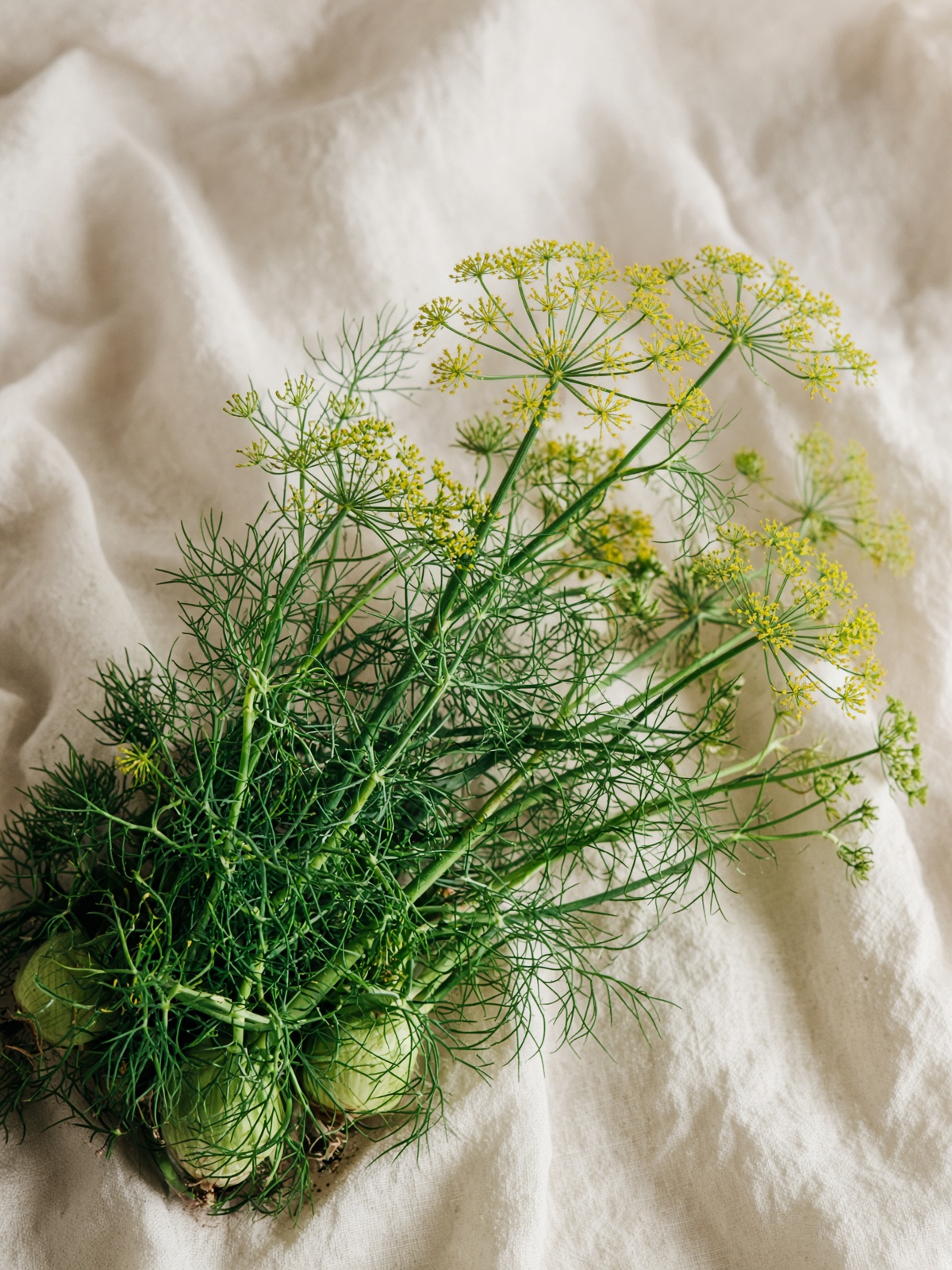 2FennelHuman data
Foeniculum vulgare
Small RCTs for dysmenorrhea vs NSAID or placebo. Seed, not essential oil.
Typical. Seed 1–2 g or fennel extract as studied, at onset.
Safety. Apiaceae allergy. High-dose essential oil is not the seed trial.
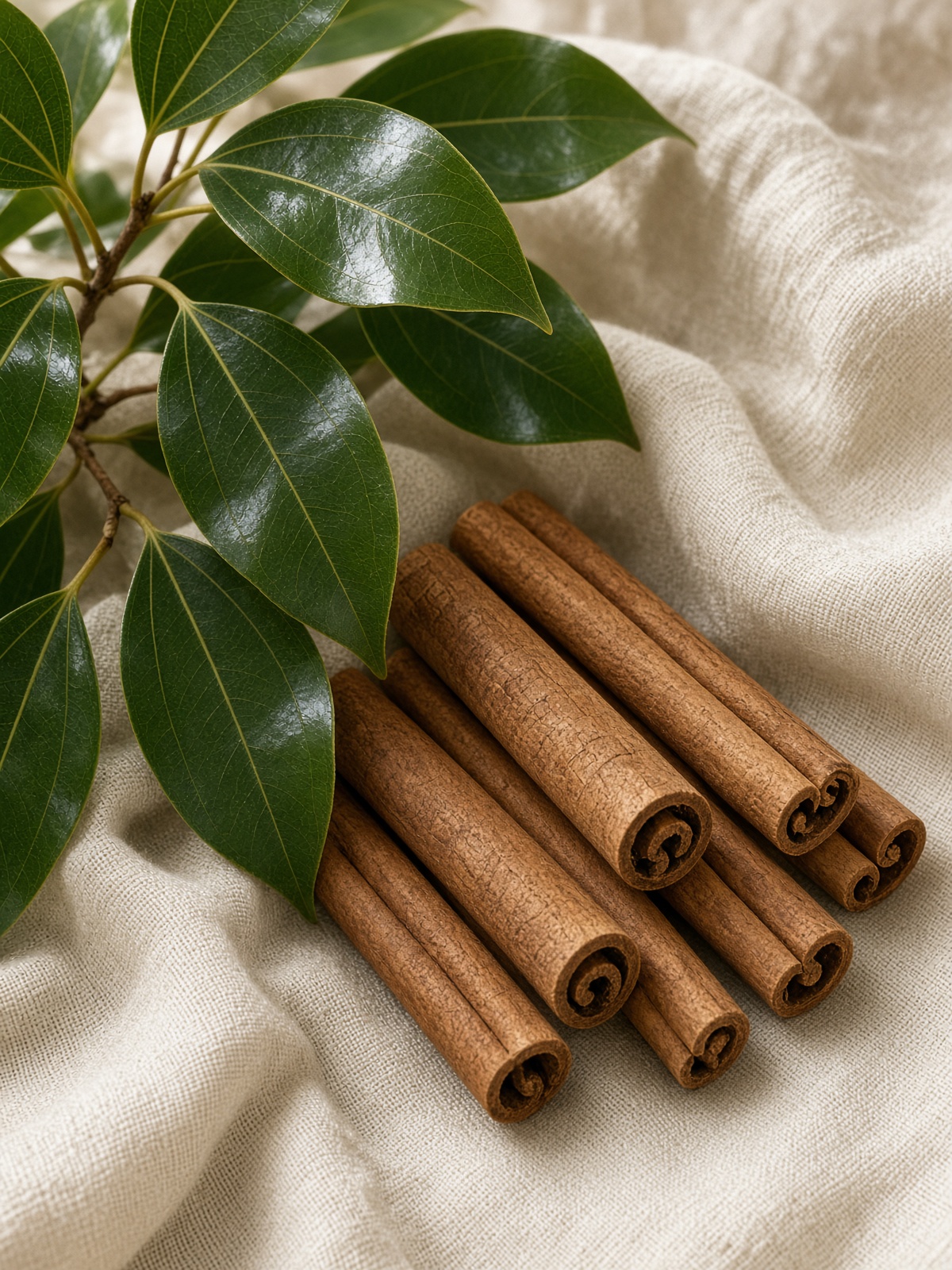 3True cinnamonHuman data
Cinnamomum verum
Small human dysmenorrhea data. Prefer C. verum; cassia is the high-coumarin problem for repeated cycles.
Typical. Powder 1–3 g/day short course. Cassia (C. cassia) is higher-coumarin.
Safety. Cassia coumarin/liver at high chronic dose. Bleeding caution theoretical.
Supportive plants3
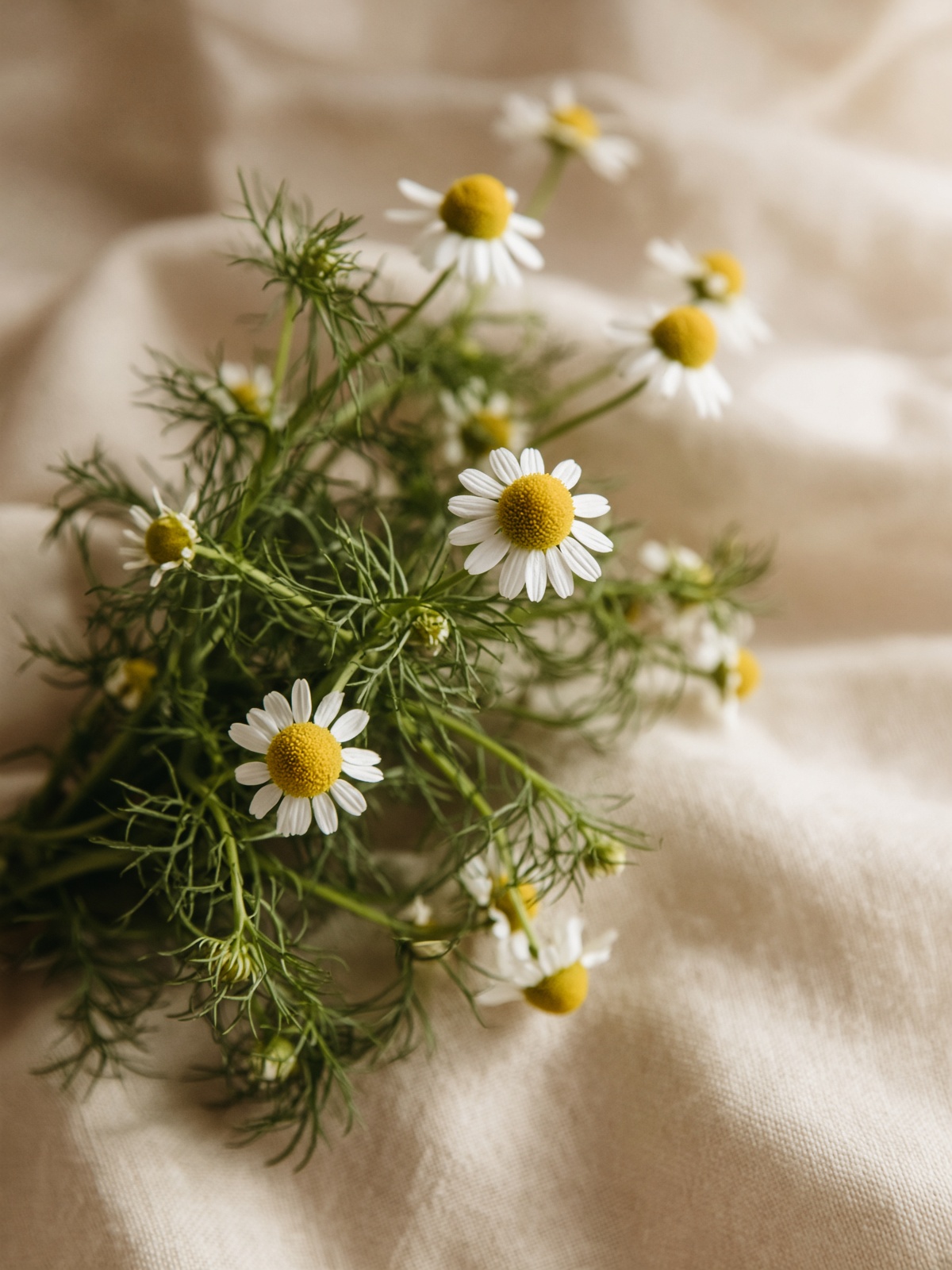 German chamomileStrong traditionalMatricaria chamomilla
Traditional pelvic spasmolytic tea. Adjunct, not the primary evidence plant.
Typical. Flower tea during menses.
Safety. Asteraceae allergy.
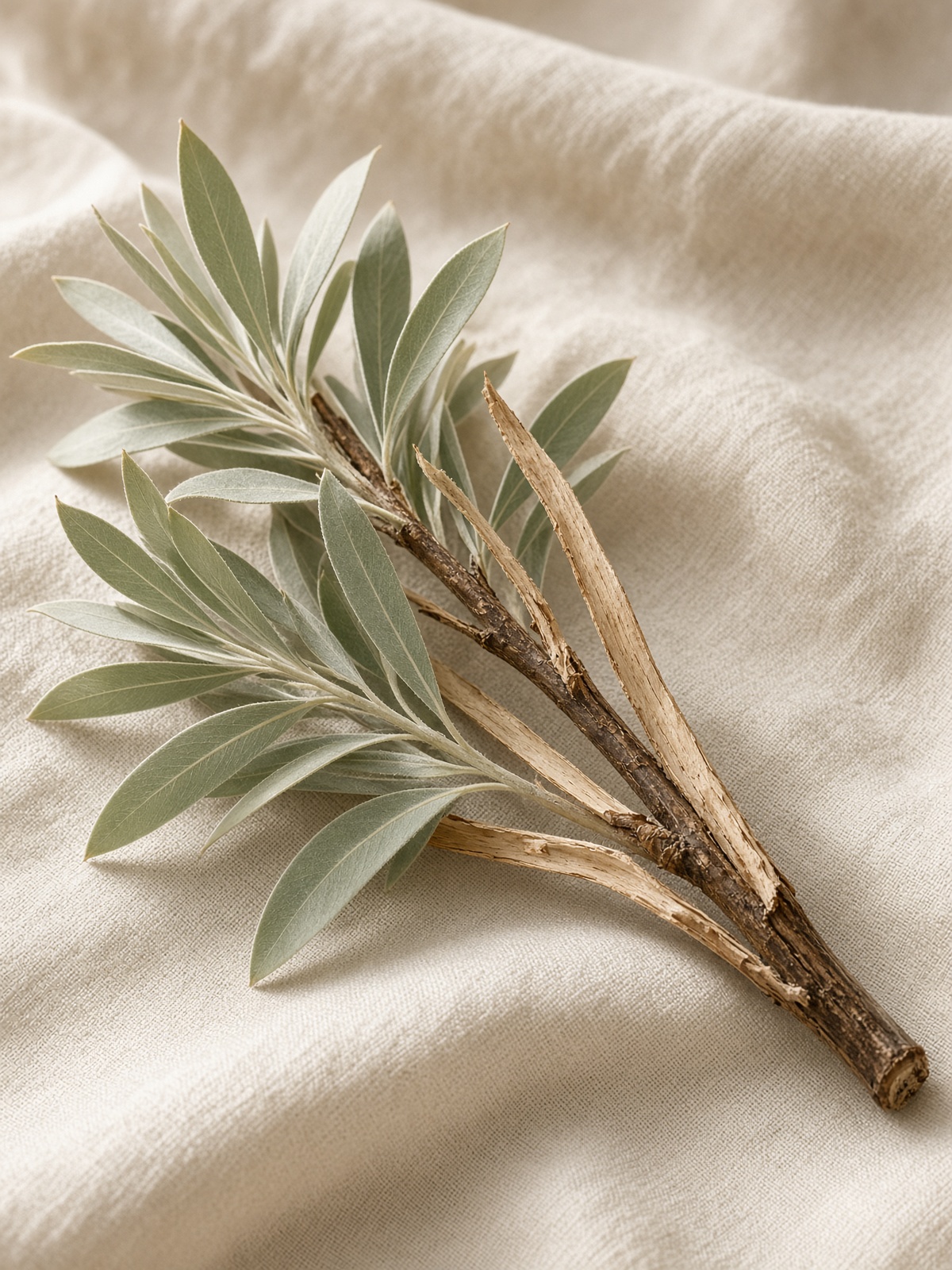 White willowStrong traditionalSalix alba
Salicin for cramp pain when NSAIDs are the idea but they want a bark. Same class risks.
Typical. Bark extract short course.
Safety. Bleed, ulcer, pregnancy (still no), kids.
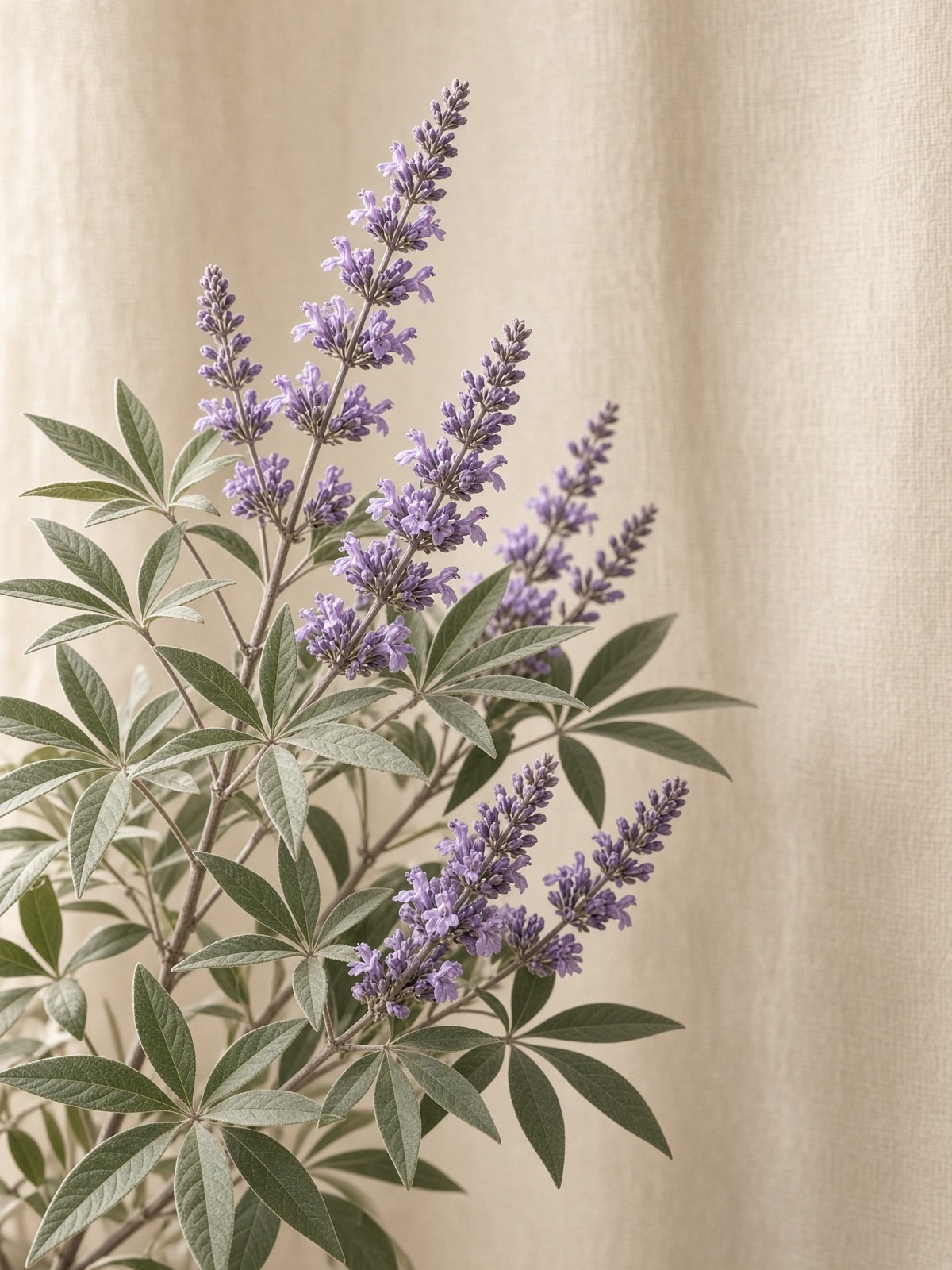 Chaste treeHuman dataVitex agnus-castus
PMS and luteal-symptom file. Not an acute hour-of-pain rescue.
Typical. Fruit extract 20–40 mg/day over months for PMS-type pictures.
Safety. Hormone-sensitive cancer, pregnancy, Parkinson’s/DA antagonists. Not a same-day analgesic.
Clinical notes
- Pain that starts mid-cycle, is progressive year to year, or is not relieved by NSAIDs is not “just cramps.”
- Heat + NSAID still wins most of the time. Ginger is the add-on with data.
- Copper IUD can unmask or worsen dysmenorrhea — check the device history.
When this is not enough
- Progressive secondary dysmenorrhea, dyspareunia, infertility — think endometriosis
- Acute abdomen, fever, missed period — pregnancy/ectopic/PID
- Hemodynamic instability from menorrhagia
Rooted is a private clinical reference for licensed practitioners. It is educational, not a treatment protocol, and not a substitute for the chart, the exam, or pharmacy review. Plant medicines interact with drugs and can harm liver, kidney, heart, pregnancy, and children.