Digestive
GERD / Heartburn
5 plants
Ask Assistant about thisDemulcents can soothe an irritated esophagus after alarm features are out. They do not heal erosive disease, fix a hiatal hernia, or replace acid suppression when indicated. Peppermint oil is the wrong tool here — it can drop LES tone. Weight, meal timing, and night-time head-of-bed elevation still outperform capsules.
Primary plants
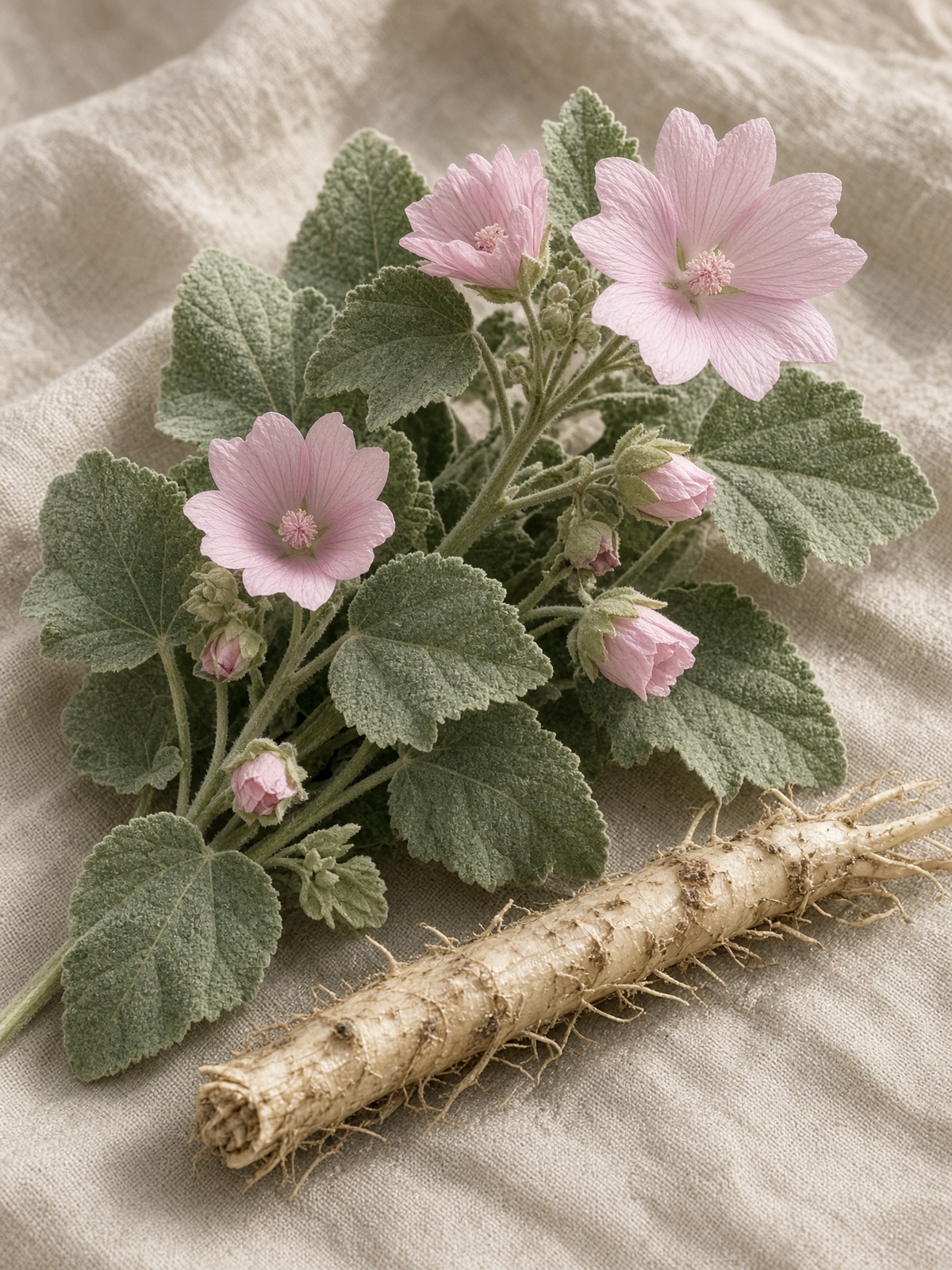 1MarshmallowStrong traditional
Althaea officinalis
Root mucilage coats irritated mucosa; traditional demulcent for heartburn-type irritation.
Typical. Dried root 2–5 g as cold maceration, several times daily (ESCOP / EMA).
Safety. Food-like. Separate 1–2 h from other oral drugs — mucilage binds.
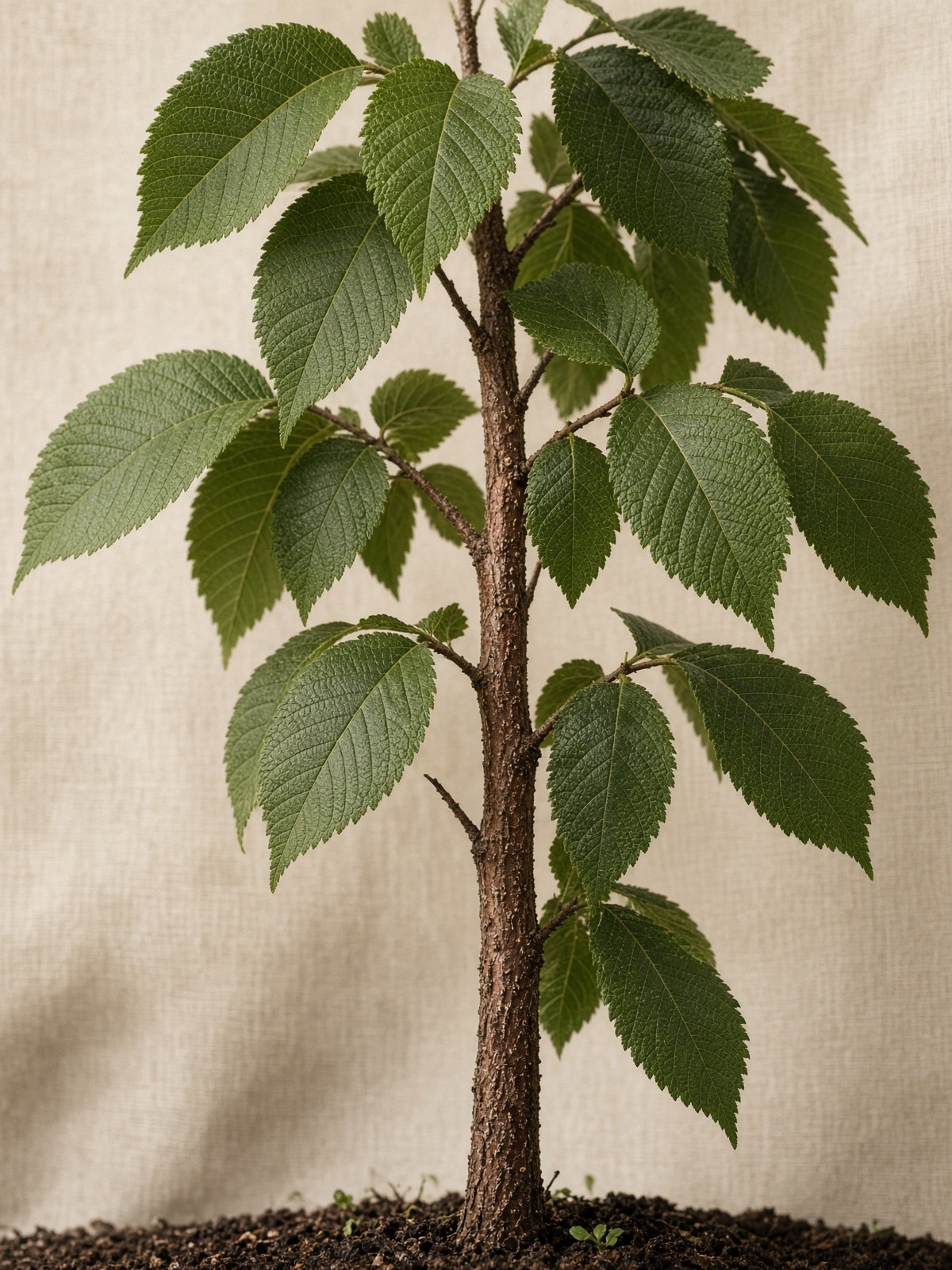 2Slippery elmStrong traditional
Ulmus rubra
Inner bark mucilage used the same way as marshmallow for irritated upper GI.
Typical. Powdered inner bark slurry, typically 1–2 tsp in water, up to tid.
Safety. Do not use outer bark. Same binding issue with oral meds. Pregnancy data thin for concentrated powder.
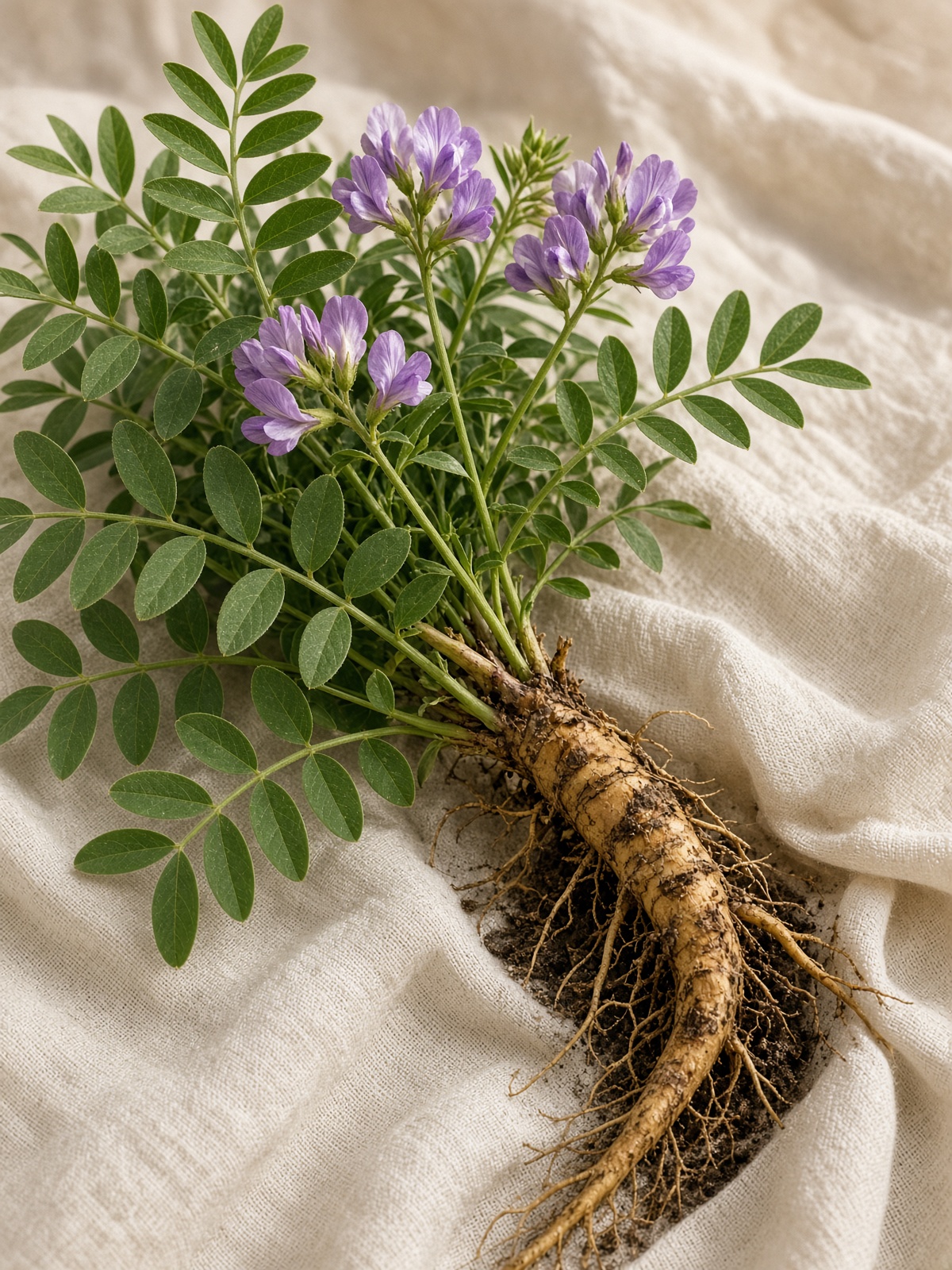 3LicoriceStrong traditional
Glycyrrhiza glabra
DGL (deglycyrrhizinated) is the reflux/dyspepsia form — whole-root glycyrrhizin is a mineralocorticoid problem.
Typical. DGL chewables as labeled, often 380–760 mg before meals. Whole-root tea is not DGL.
Safety. Whole root: HTN, hypokalemia, edema, pregnancy avoid. Confirm DGL vs whole-root on the label.
 4German chamomileStrong traditional
Matricaria chamomilla
Mild spasmolytic/carminative tea; adjunct for epigastric discomfort, not an acid blocker.
Typical. Flower infusion 1–2 g, tid. Not equivalent to a concentrated extract.
Safety. Asteraceae allergy. Rare contact allergy. Sedation is mild.
Supportive plants1
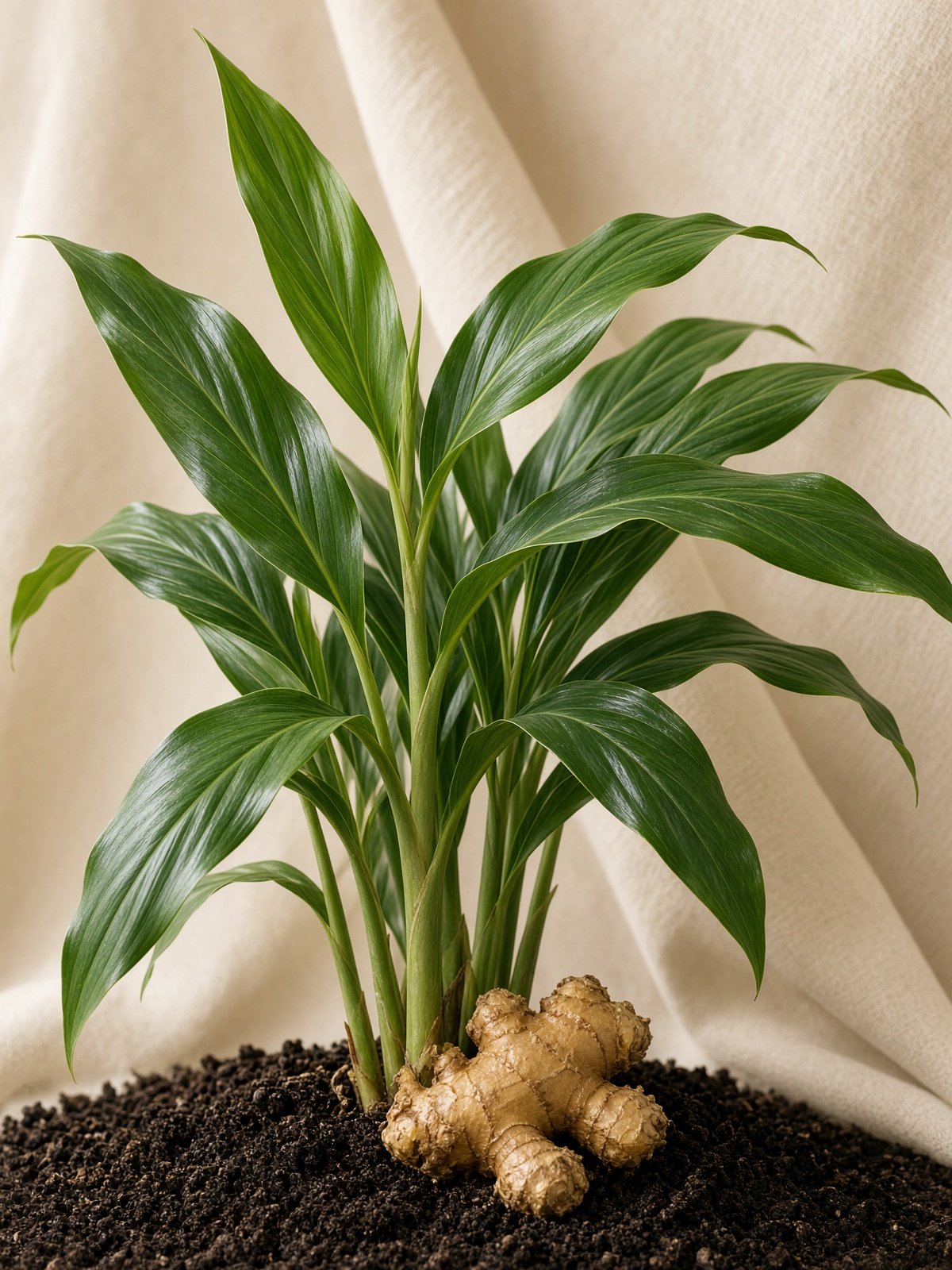 GingerHuman dataZingiber officinale
May help associated nausea. High-dose extracts are not a GERD strategy.
Typical. Culinary 1–2 g dried rhizome/day. Extracts are a different object.
Safety. Extracts: bleeding signal, gallbladder caution. Culinary is food-like.
Clinical notes
- Skip peppermint oil and most mints — LES relaxation can worsen heartburn.
- If already on a PPI or H2RA, demulcents are timing/adjunct questions, not a taper plan.
- Alarm features (dysphagia, bleeding, anemia, weight loss, onset >60) are endoscopy, not elm bark.
When this is not enough
- Dysphagia, odynophagia, GI bleeding, anemia, progressive weight loss
- Cardiac-sounding chest pain — rule out ACS before calling it reflux
- Failure of guideline reflux care or nocturnal aspiration symptoms
Rooted is a private clinical reference for licensed practitioners. It is educational, not a treatment protocol, and not a substitute for the chart, the exam, or pharmacy review. Plant medicines interact with drugs and can harm liver, kidney, heart, pregnancy, and children.