Digestive
Acute nonspecific diarrhea
4 plants
Ask Assistant about thisIf they cannot drink, this is volume, not tannins. Black tea is a traditional astringent beverage. Psyllium can firm some non-infectious loose stool and is the wrong add in colitis or obstruction. Bloody stool, high fever, recent hospitalization, or a day-care outbreak change the algorithm.
Primary plants
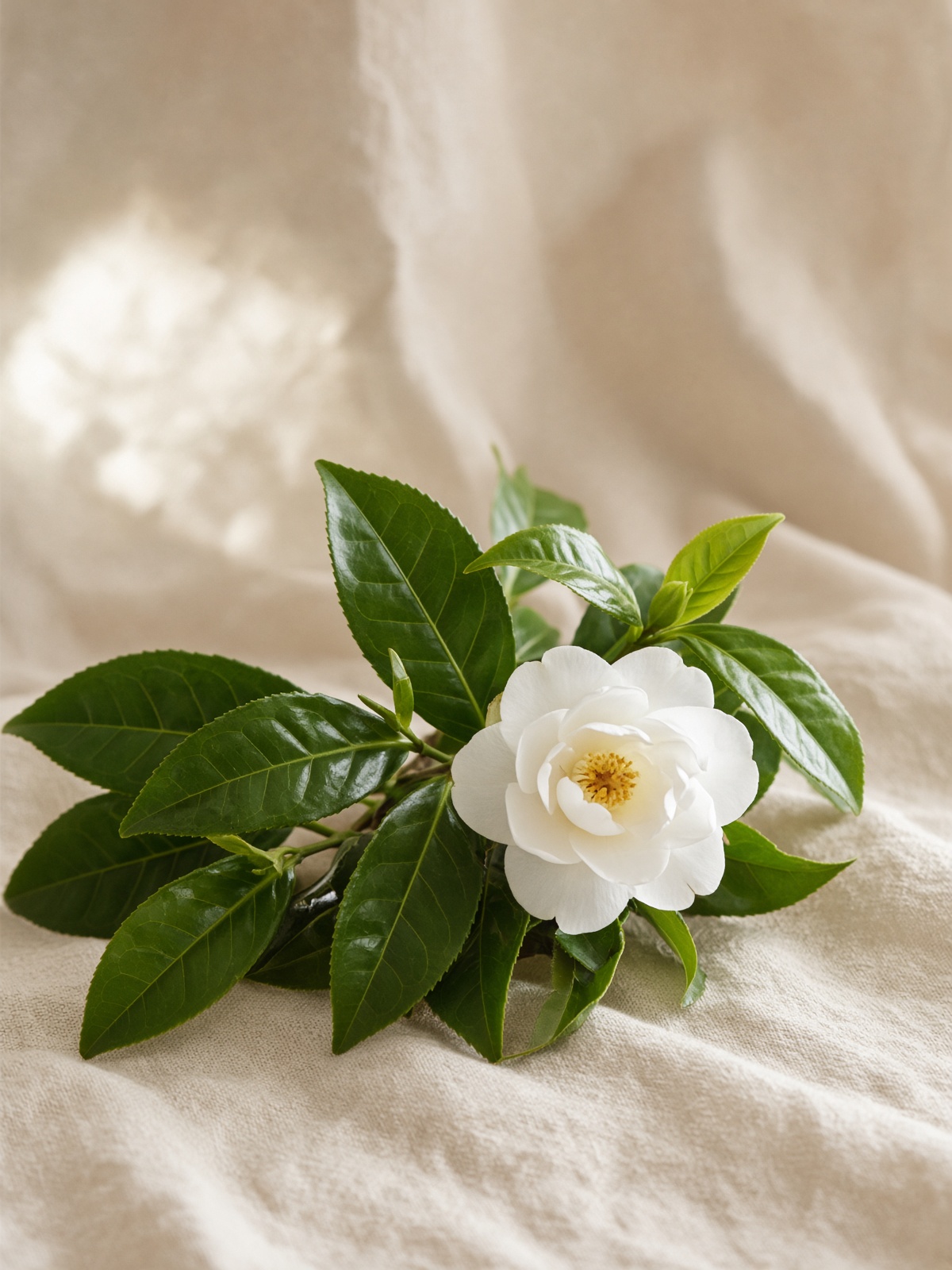 1TeaStrong traditional
Camellia sinensis
Black tea tannins are a traditional astringent; this is a beverage, not an extract protocol.
Typical. Brewed Camellia sinensis, modest volume, with ORS — not caffeine-loading a dehydrated patient.
Safety. Caffeine can worsen tremor/palpitations. Milk if it is lactose-related diarrhea is the wrong add.
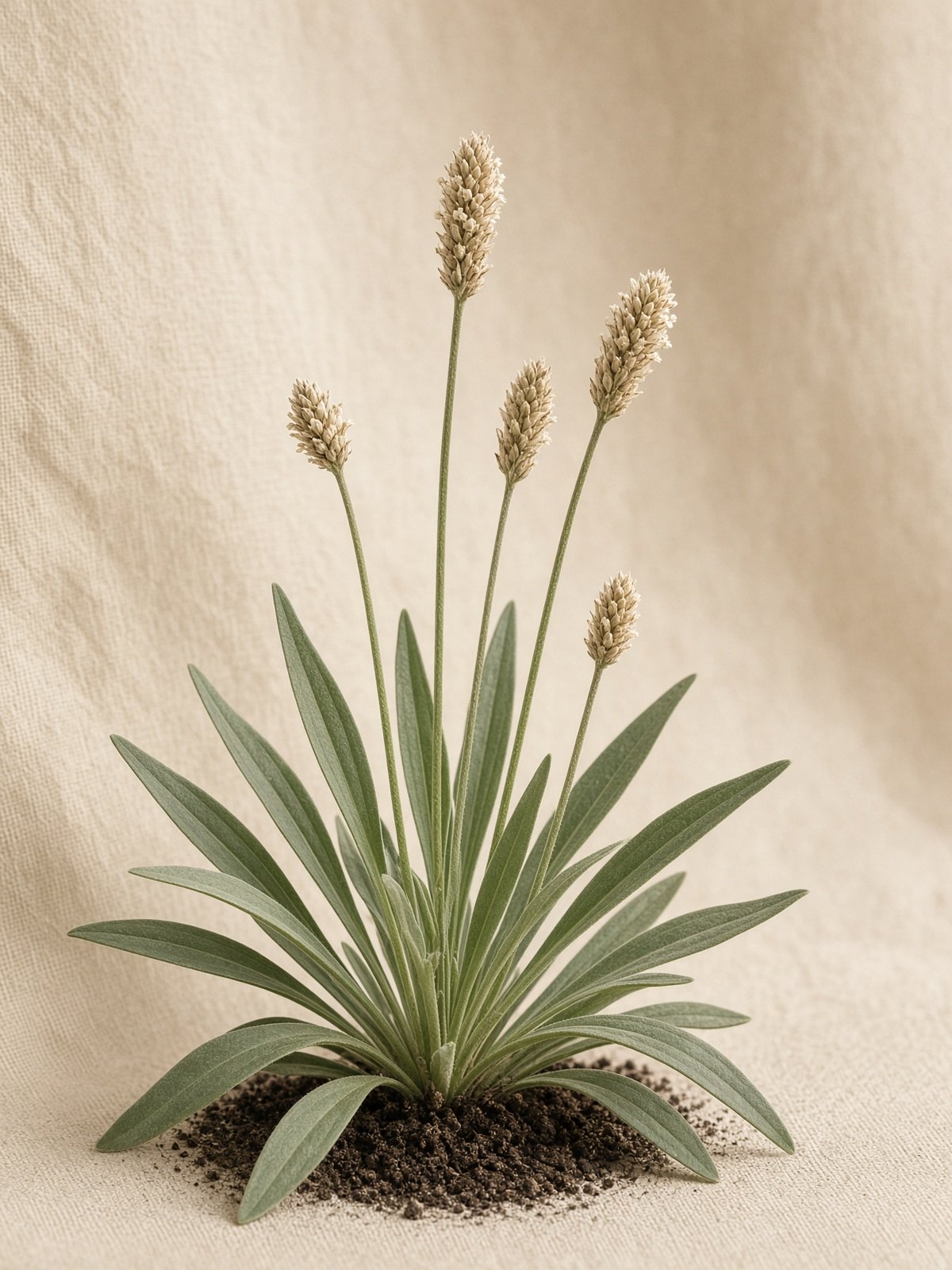 2PsylliumHuman data
Plantago ovata
Soluble fiber can firm some non-infectious loose stool (IBS-D overlap). Wrong in obstruction or toxic megacolon.
Typical. Small doses with water only if they can drink.
Safety. Do not add dry fiber to volume-depleted colitis.
Supportive plants2
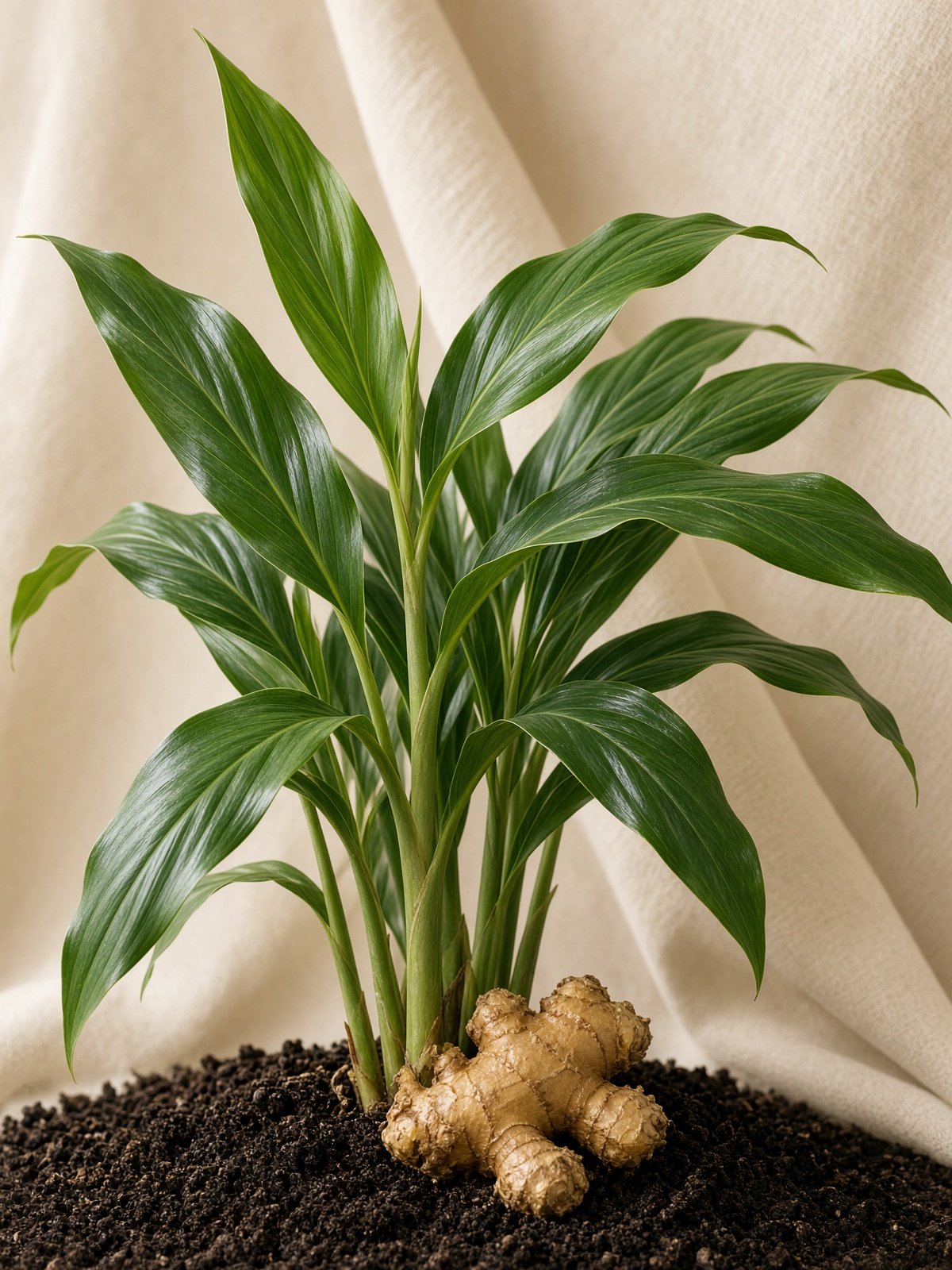 GingerHuman dataZingiber officinale
If nausea leads the picture.
Typical. 1–2 g dried rhizome/day divided.
Safety. Extracts: bleeding.
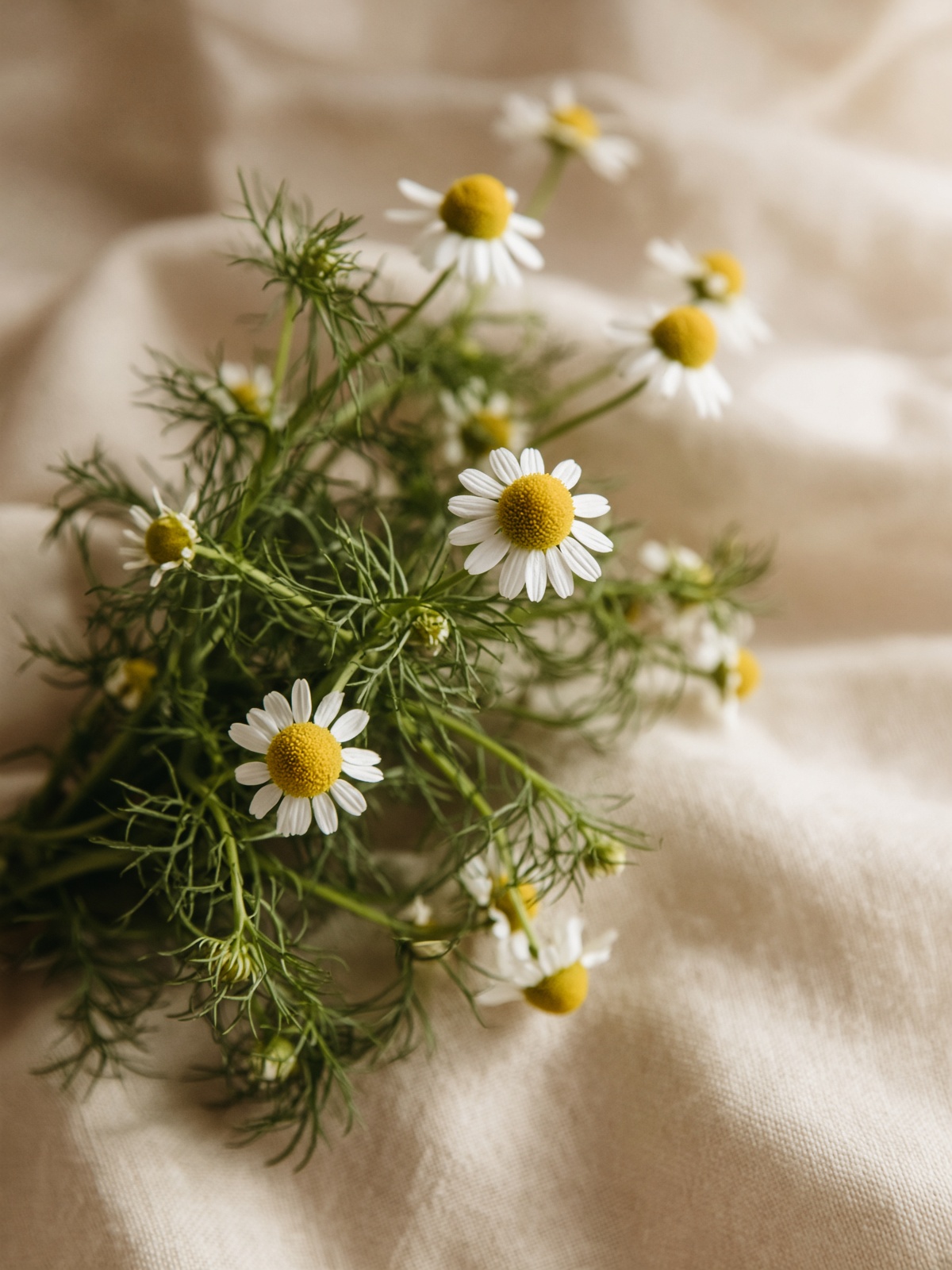 German chamomileStrong traditionalMatricaria chamomilla
Traditional crampy-belly tea.
Typical. Flower tea.
Safety. Asteraceae.
When this is not enough
- Dysentery, fever + severe pain, pregnancy, infant, immunosuppression, recent hospitalization/abx, dehydration with dizziness
Rooted is a private clinical reference for licensed practitioners. It is educational, not a treatment protocol, and not a substitute for the chart, the exam, or pharmacy review. Plant medicines interact with drugs and can harm liver, kidney, heart, pregnancy, and children.