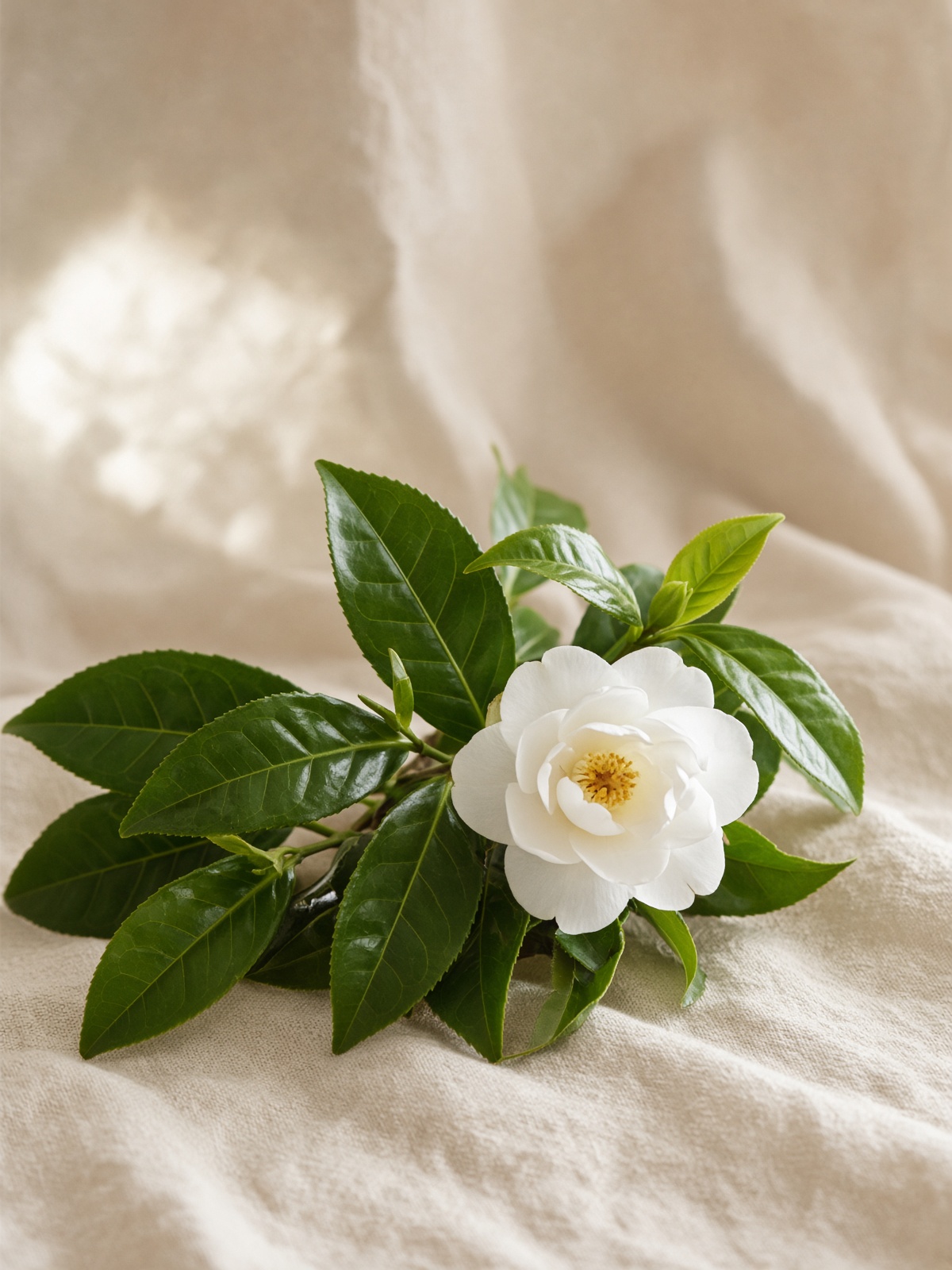
Theaceae · leaf
Tea
Camellia sinensis
Leaf mapped for modest blood-pressure and metabolic literature of habitual tea, and as a traditional astringent. Extracts are a different hepatotoxic object.
Safety first
Leaf infusions are food-like with caffeine. High-dose green-tea extracts (especially EGCG on empty stomach) have idiosyncratic hepatotoxicity reports. Black tea tannins can reduce iron absorption.
Tradition vs trials
Traditional record. East Asian beverage; tannin-astringent in Western diarrhea folklore.
Trial literature. Habitual tea has human cardiometabolic files. High-dose catechin extracts are a safety warning, not a fat-loss protocol.
Practical ranges
Educational ranges — not a prescription. Culinary use is not an extract.
leaf infusion
Habitual cups. Extract doses in weight-loss products have been implicated in liver reports and are not copied here as a range to try
NCCIH / EMA-era green tea notes — Educational range only — not a prescription. A licensed clinician individualizes product, dose, and duration.
Pregnancy, nursing, children
- Pregnancy. Habitual moderate tea is a caffeine conversation. Extracts avoid.
- Nursing. Insufficient reliable data; avoid unless a clinician directs otherwise.
- Children. Habitual weak tea is cultural; extracts are not pediatric.
Contraindications
- high-dose green-tea extracts in liver disease
- do not replace evaluation of jaundice
Key interactions
- hepatotoxic drugs (extracts) · caution
High-dose EGCG extracts.
- stimulants / MAOIs · caution
Caffeine load.
- iron supplements · note
Tannin chelation with meals.