Endocrine / Metabolic
Weight management (adjunct)
3 plants
Ask Assistant about thisPsyllium has the cleanest plant file for satiety/glucose/lipids. Green tea as a beverage is not an extract thermogenic protocol. Ma huang, bitter orange, and yohimbe are stimulant/toxicity entries — not weight-loss plants. This is not a substitute for indicated anti-obesity pharmacotherapy.
Primary plants
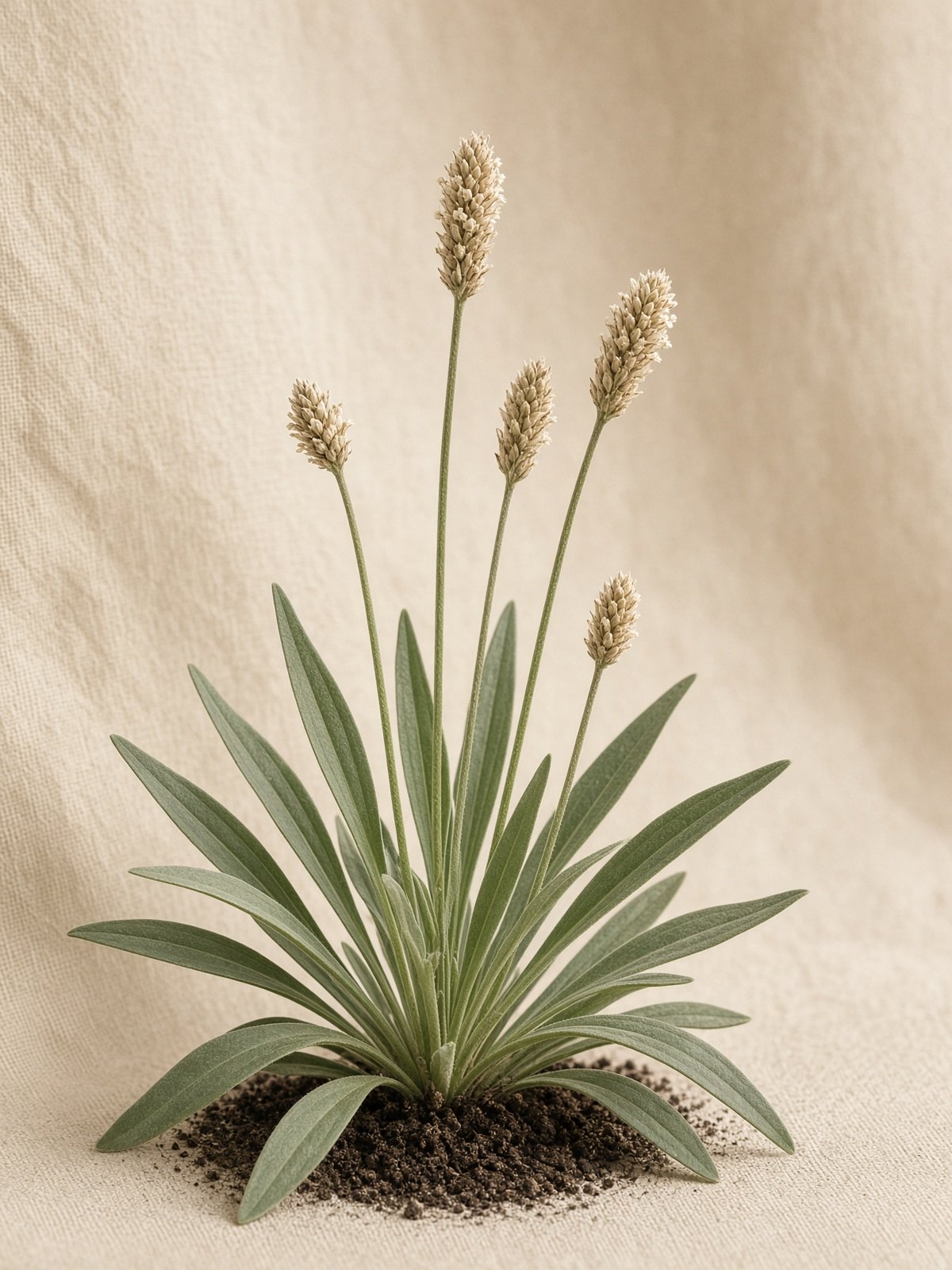 1PsylliumHuman data
Plantago ovata
Viscous fiber, post-prandial glucose, lipids, and some satiety. Evidence stronger than most 'weight herbs.'
Typical. 5–10 g with water, away from meds.
Safety. Binding, obstruction if dry.
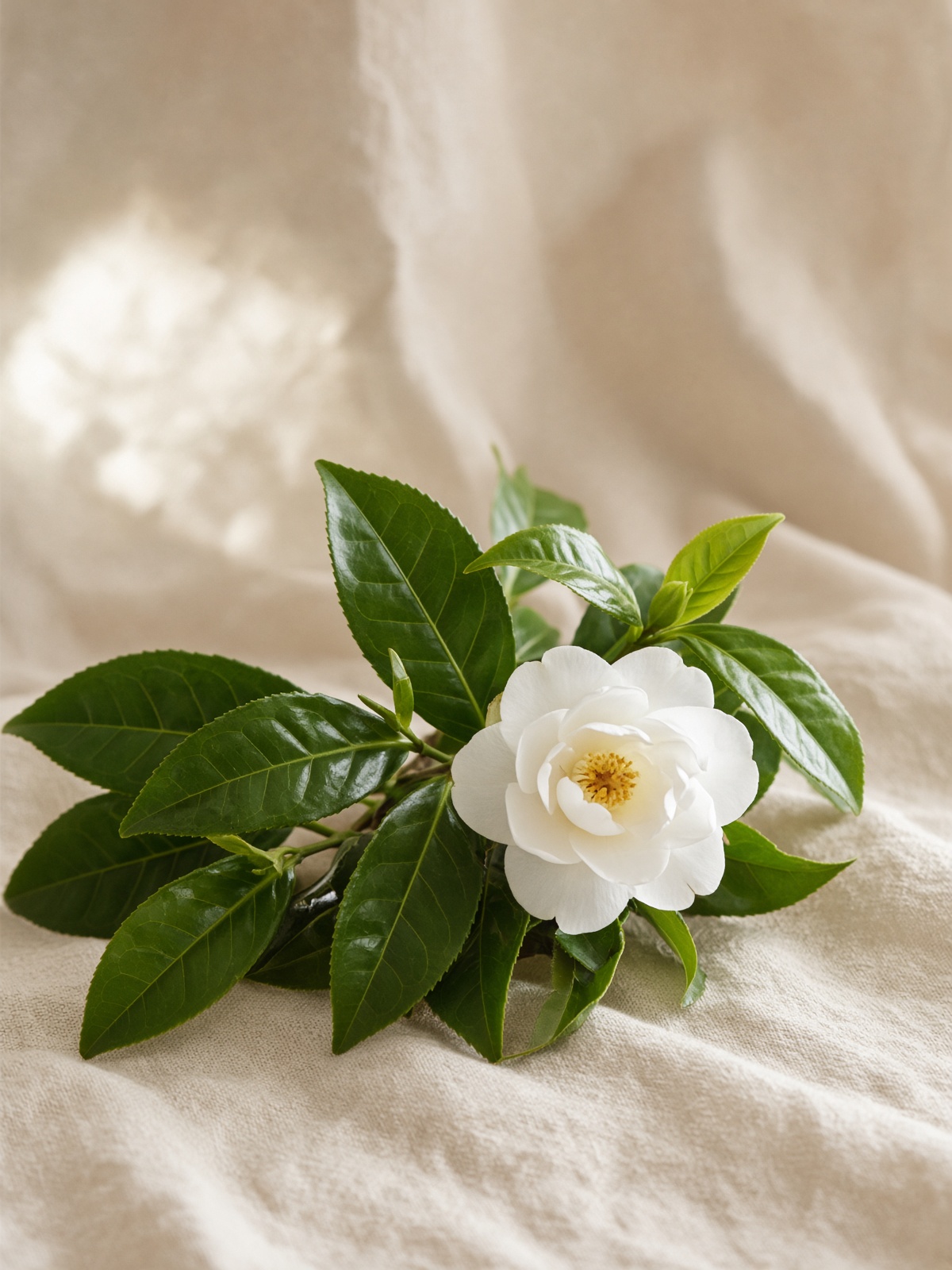 2TeaHuman data
Camellia sinensis
Beverage caffeine/catechins. Extract thermogenics are a different, more concentrated object.
Typical. Brewed tea. Not a 20-pill fat-burner.
Safety. Insomnia, palpitations, pregnancy caution. Extract hepatotoxicity reports exist for some catechin products.
Supportive plants1
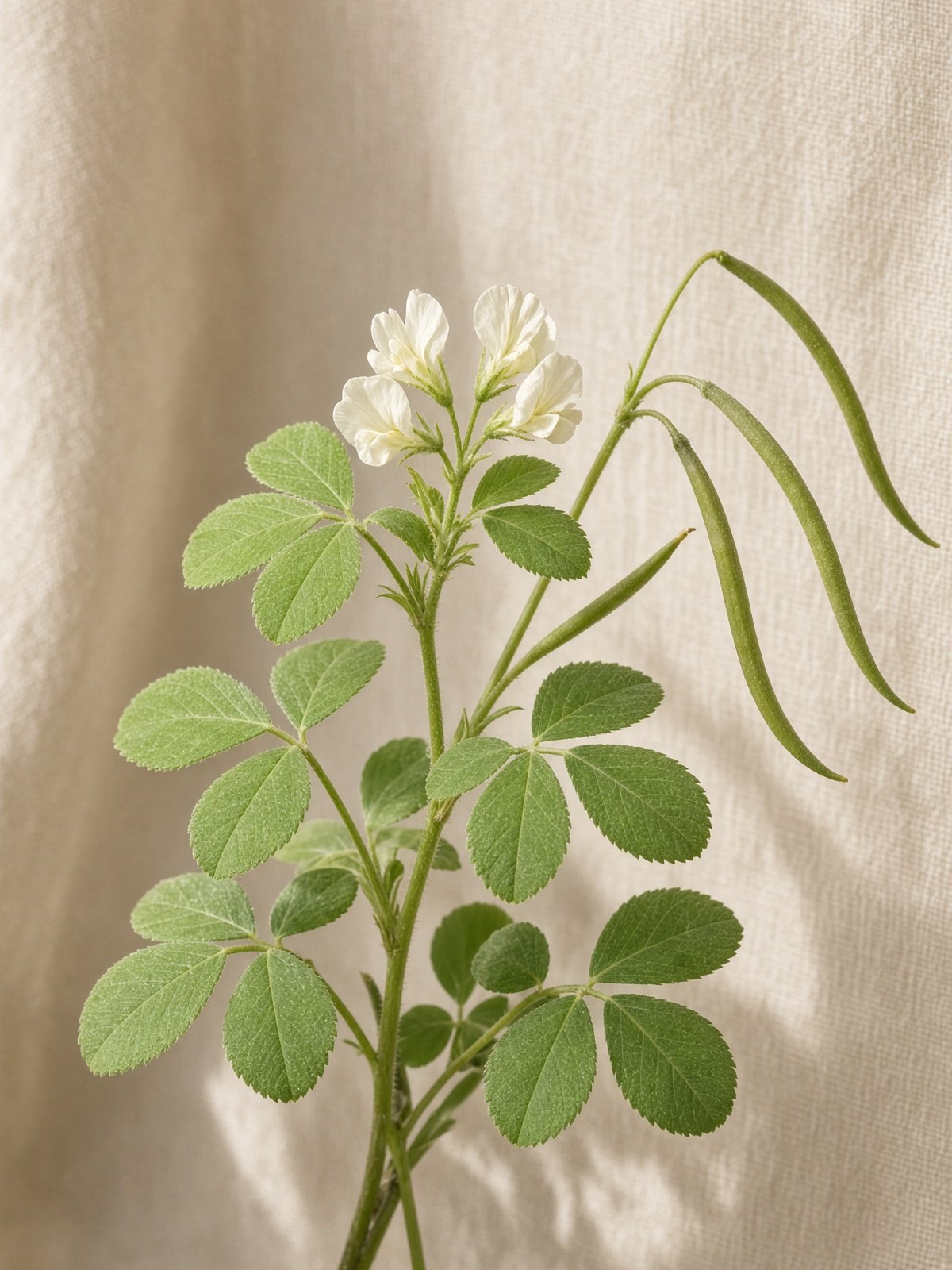 FenugreekHuman dataTrigonella foenum-graecum
Seed fiber plus mixed glucose data. Culinary vs extract.
Typical. Seed 5–10 g with meals in some trials.
Safety. Hypoglycemia stacking. Maple-syrup odor. Pregnancy uterine traditional caution.
Clinical notes
- Ma huang, bitter orange, and yohimbe are catalog warning objects — not weight-loss adjuncts.
When this is not enough
- Eating-disorder picture, stimulant toxicity, pregnancy weight goals, someone stopping a GLP-1 for a fat-burner
Rooted is a private clinical reference for licensed practitioners. It is educational, not a treatment protocol, and not a substitute for the chart, the exam, or pharmacy review. Plant medicines interact with drugs and can harm liver, kidney, heart, pregnancy, and children.