Endocrine / Metabolic
Type 2 diabetes (adjunct)
4 plants
Ask Assistant about thisIf they are on insulin or a sulfonylurea, adding bitter melon/fenugreek is a glucose-log problem. Psyllium can blunt post-prandial rise and bind meds.
Primary plants
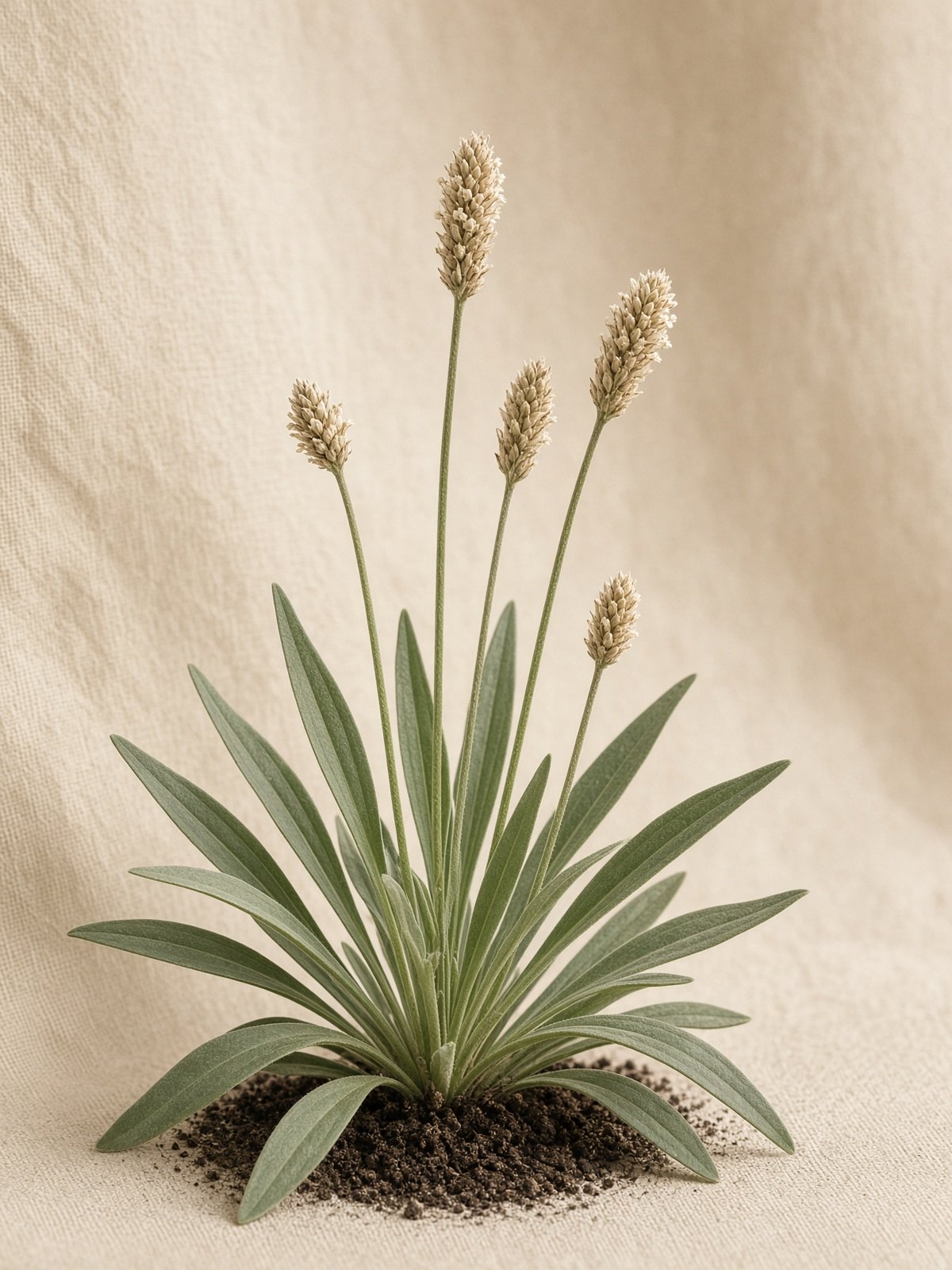 1PsylliumHuman data
Plantago ovata
Viscous fiber, post-prandial glucose, and lipids. Evidence stronger than most 'diabetes herbs.'
Typical. 5–10 g with water, away from meds.
Safety. Binding, obstruction if dry.
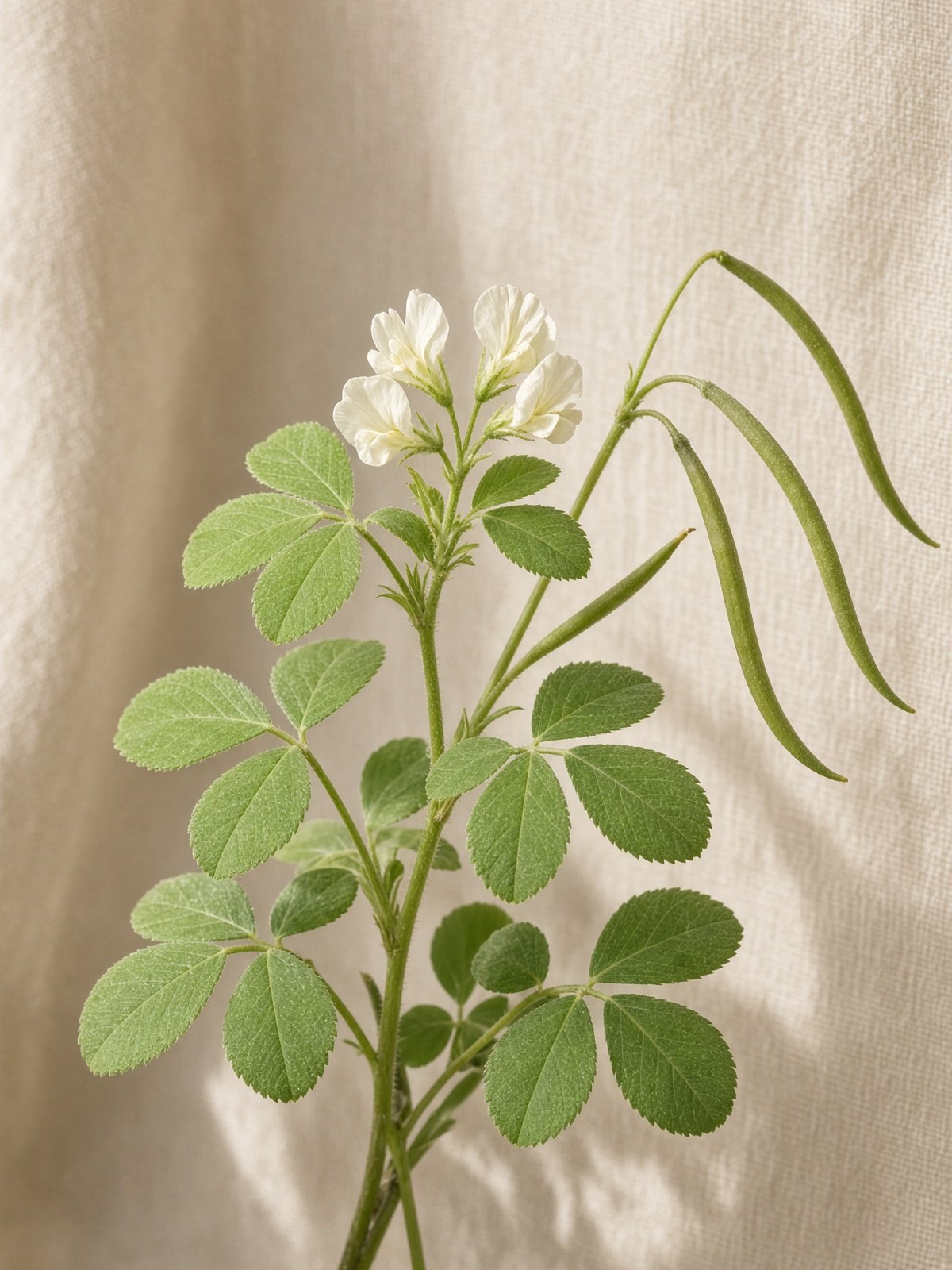 2FenugreekHuman data
Trigonella foenum-graecum
Adjunct with logs.
Typical. Seed with meals.
Safety. Hypoglycemia stacking.
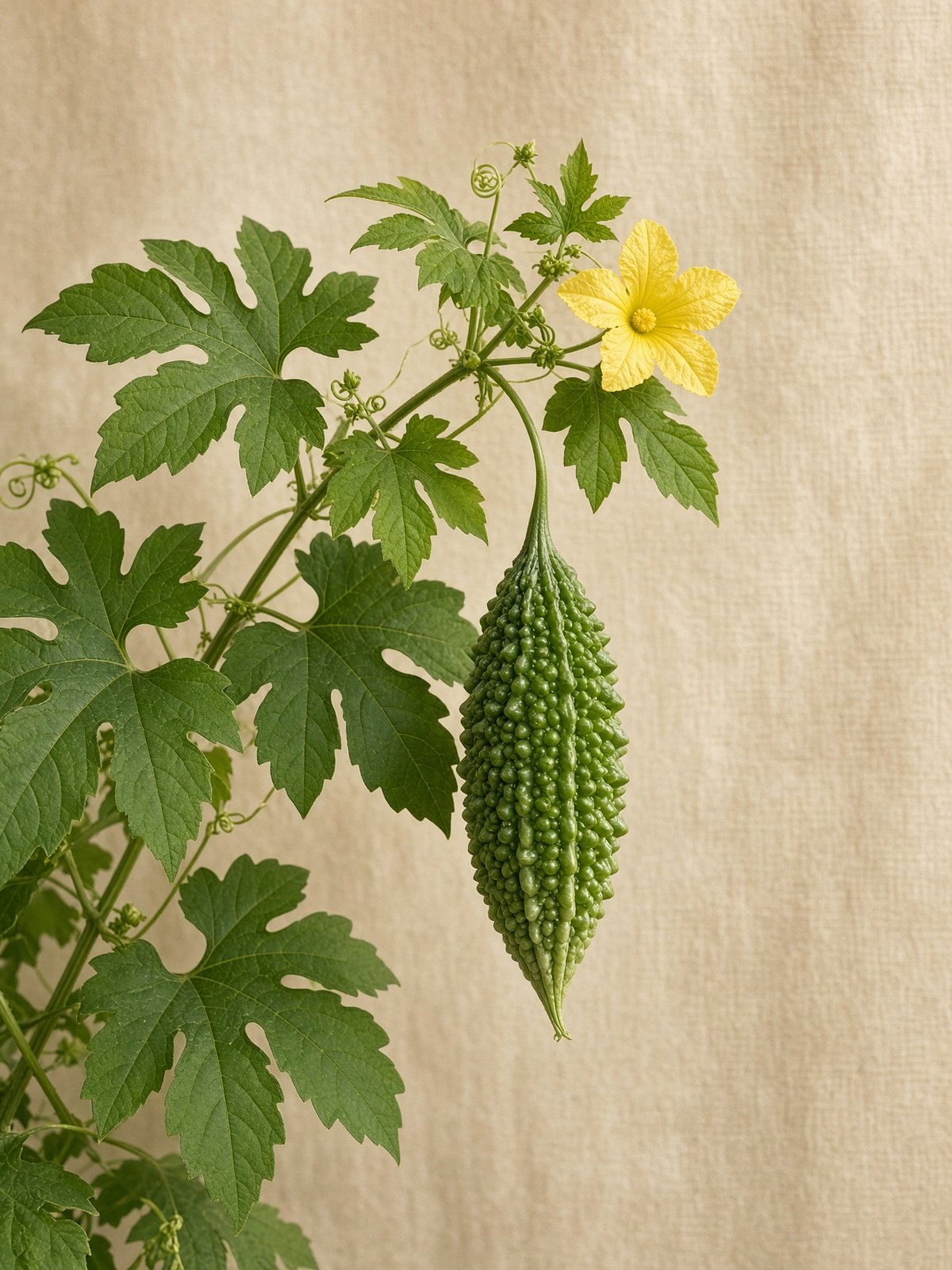 3Bitter melonHuman data
Momordica charantia
Adjunct with logs.
Typical. Culinary or standardized extract.
Safety. Hypoglycemia. Not in pregnancy extracts.
Supportive plants1
When this is not enough
- DKA/HHS, severe hypo, pregnancy, insulin omission to 'use herbs'
Rooted is a private clinical reference for licensed practitioners. It is educational, not a treatment protocol, and not a substitute for the chart, the exam, or pharmacy review. Plant medicines interact with drugs and can harm liver, kidney, heart, pregnancy, and children.