Endocrine / Metabolic
Prediabetes / insulin resistance
4 plants
Ask Assistant about thisMetformin and lifestyle own this. Gymnema, fenugreek, bitter melon, cinnamon have mixed human glucose data. They do not replace A1c follow-up.
Primary plants
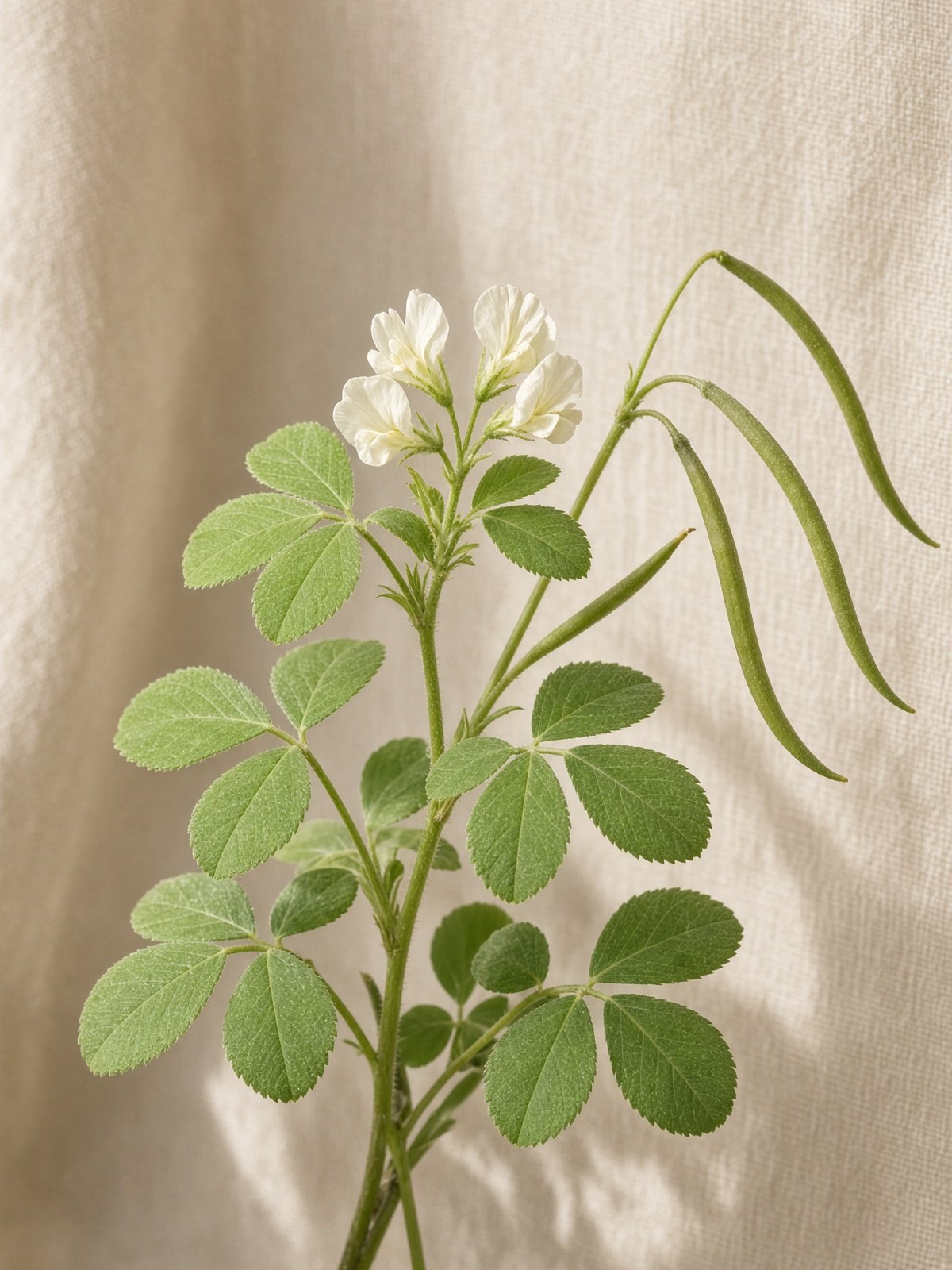 1FenugreekHuman data
Trigonella foenum-graecum
Seed fiber + modest glucose trial data.
Typical. Seed 5–10 g with meals.
Safety. Hypoglycemia stacking. Pregnancy caution.
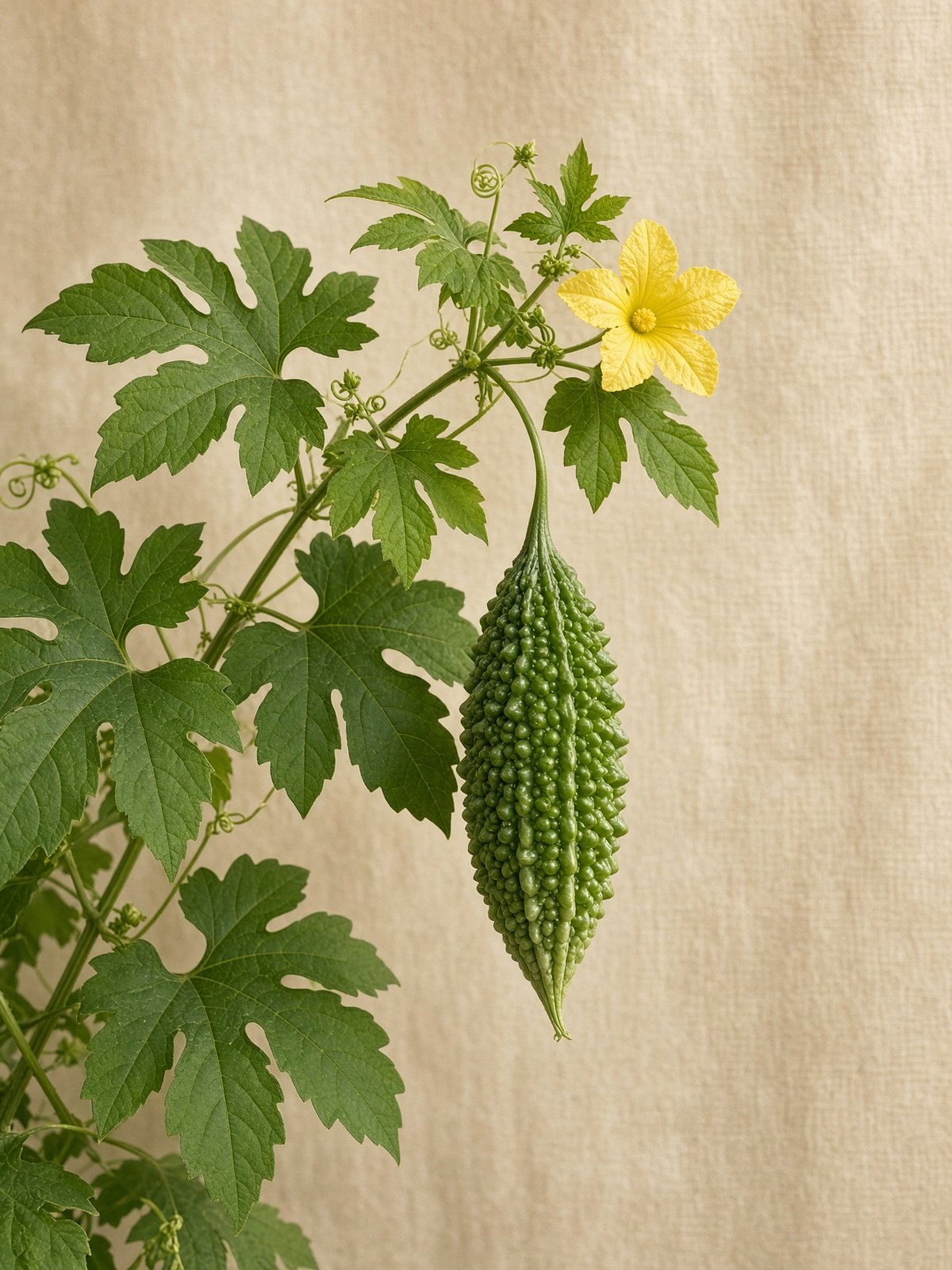 2Bitter melonHuman data
Momordica charantia
Traditional + mixed human glucose data. Culinary gourd vs extract.
Typical. Culinary fruit or extract as studied — extracts vary.
Safety. Hypoglycemia. G6PD caution in some reports. Pregnancy avoid extracts.
Supportive plants2
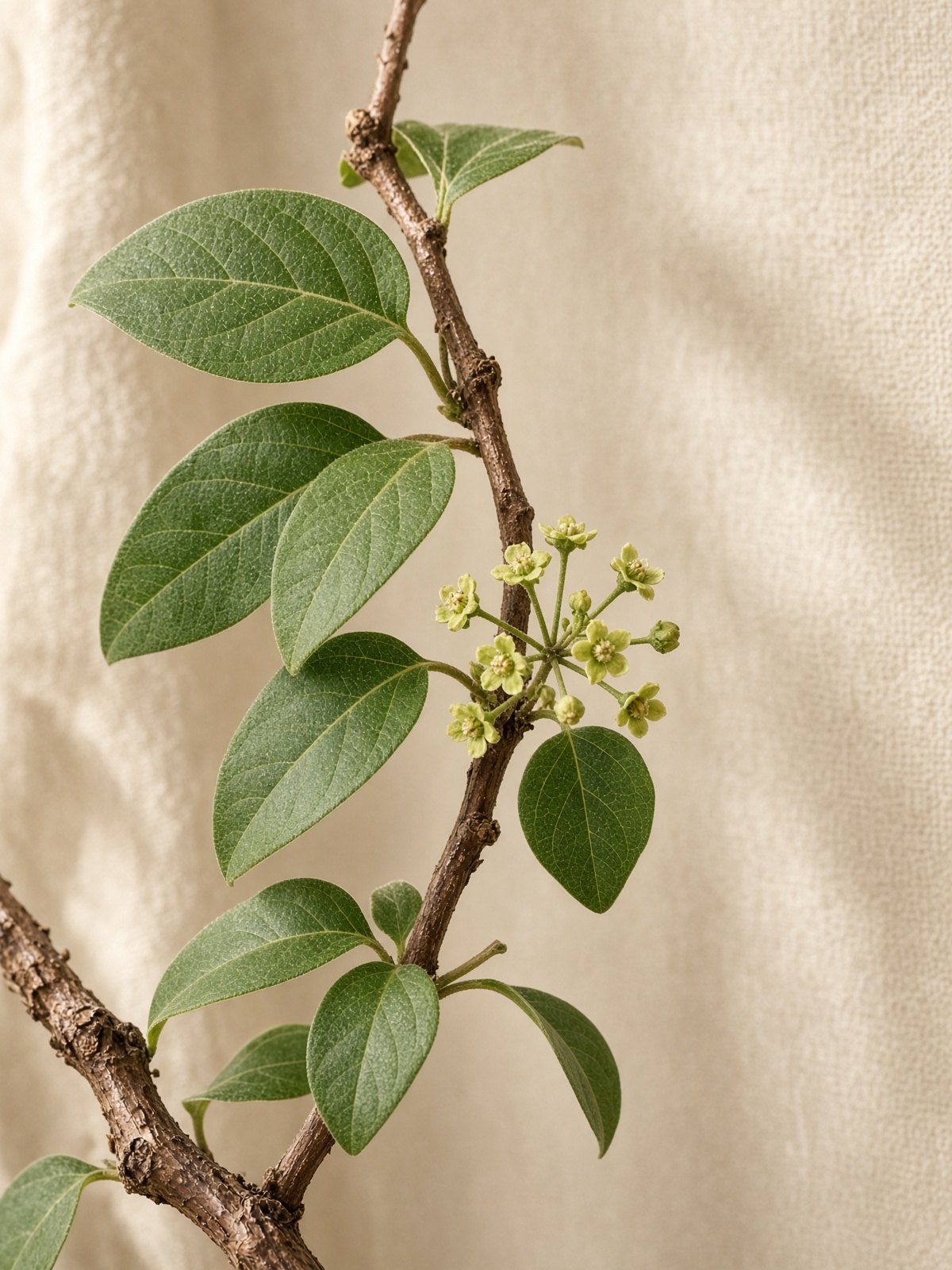 GymnemaHuman dataGymnema sylvestre
Traditional Ayurvedic glucose plant; human data mixed/small.
Typical. Leaf extract as labeled.
Safety. Hypoglycemia. Taste-altering ('sugar destroyer').
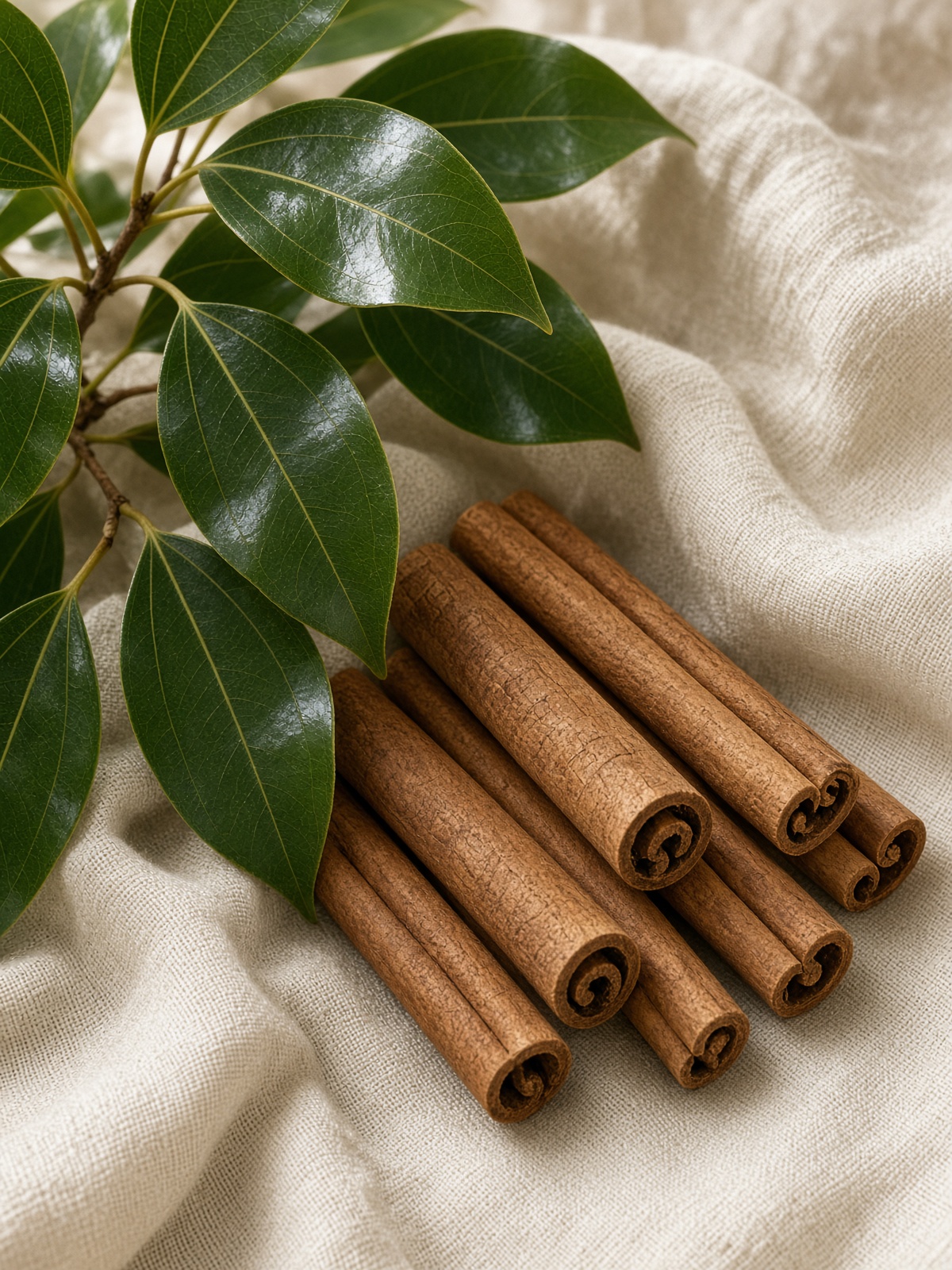 True cinnamonHuman dataCinnamomum verum
Small insulin-resistance data; cassia coumarin is the chronic-liver issue.
Typical. C. verum 1–3 g/day. Avoid high-dose cassia chronically.
Safety. Coumarin (cassia). Not a metformin.
When this is not enough
- Overt diabetes symptoms, DKA, pregnancy glucose — protocol care
Rooted is a private clinical reference for licensed practitioners. It is educational, not a treatment protocol, and not a substitute for the chart, the exam, or pharmacy review. Plant medicines interact with drugs and can harm liver, kidney, heart, pregnancy, and children.