Digestive
Peptic ulcer (adjunct)
4 plants
Ask Assistant about thisThis page is for the person already on a GI plan who asks about licorice. Deglycyrrhizinated licorice is the ulcer-adjacent form; whole-root glycyrrhizin is HTN/hypokalemia. Marshmallow coats. Slippery elm same family of demulcent. None of this treats a bleeding ulcer or replaces 14-day quadruple therapy. NSAID ulcers need the NSAID stopped.
Primary plants
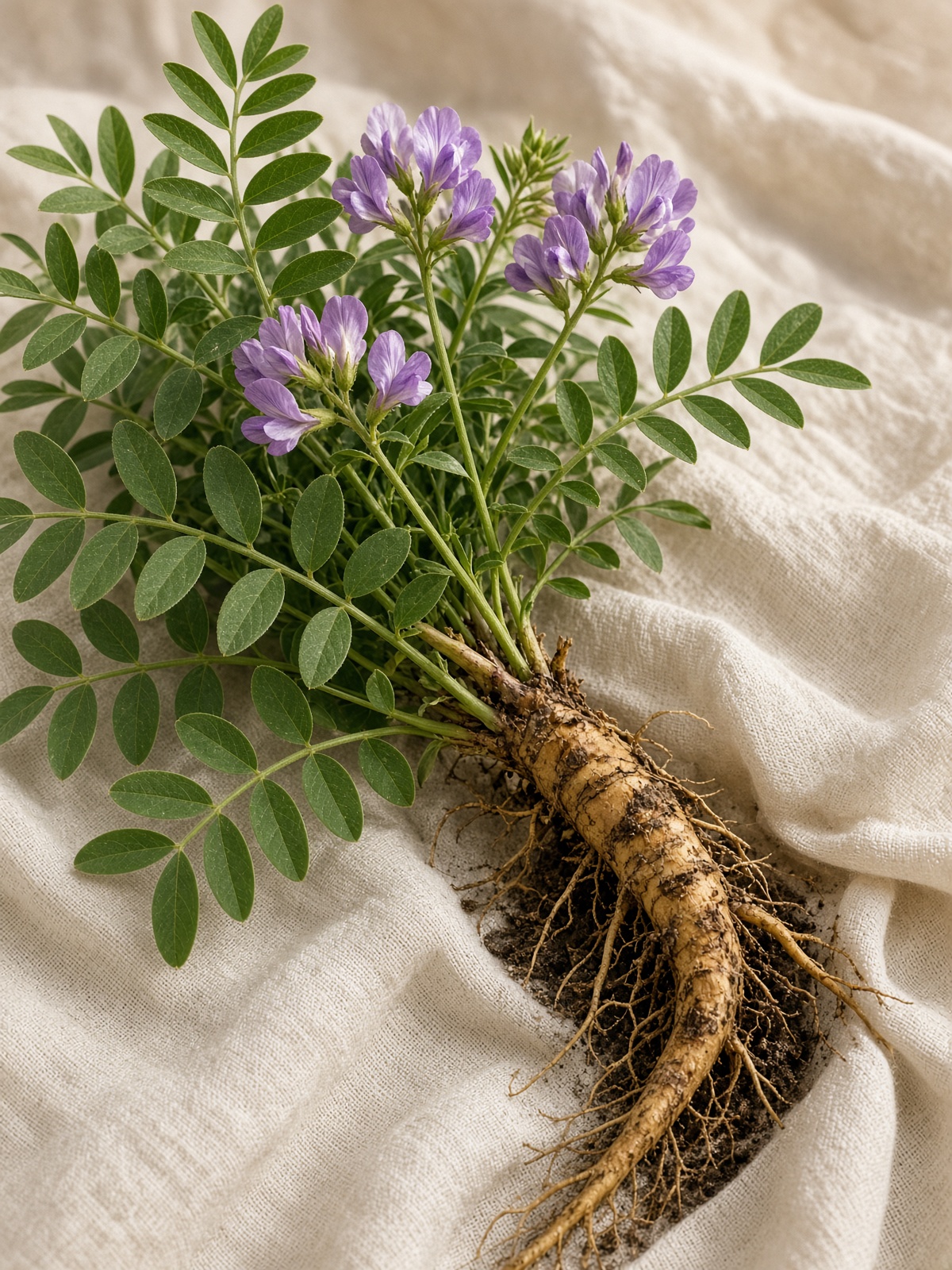 1LicoriceStrong traditional
Glycyrrhiza glabra
DGL chewables are the reflux/ulcer tradition. Whole-root tea is not DGL.
Typical. DGL chewables as labeled, often before meals. Confirm DGL on the label.
Safety. Whole root: HTN, hypokalemia, edema, pregnancy avoid.
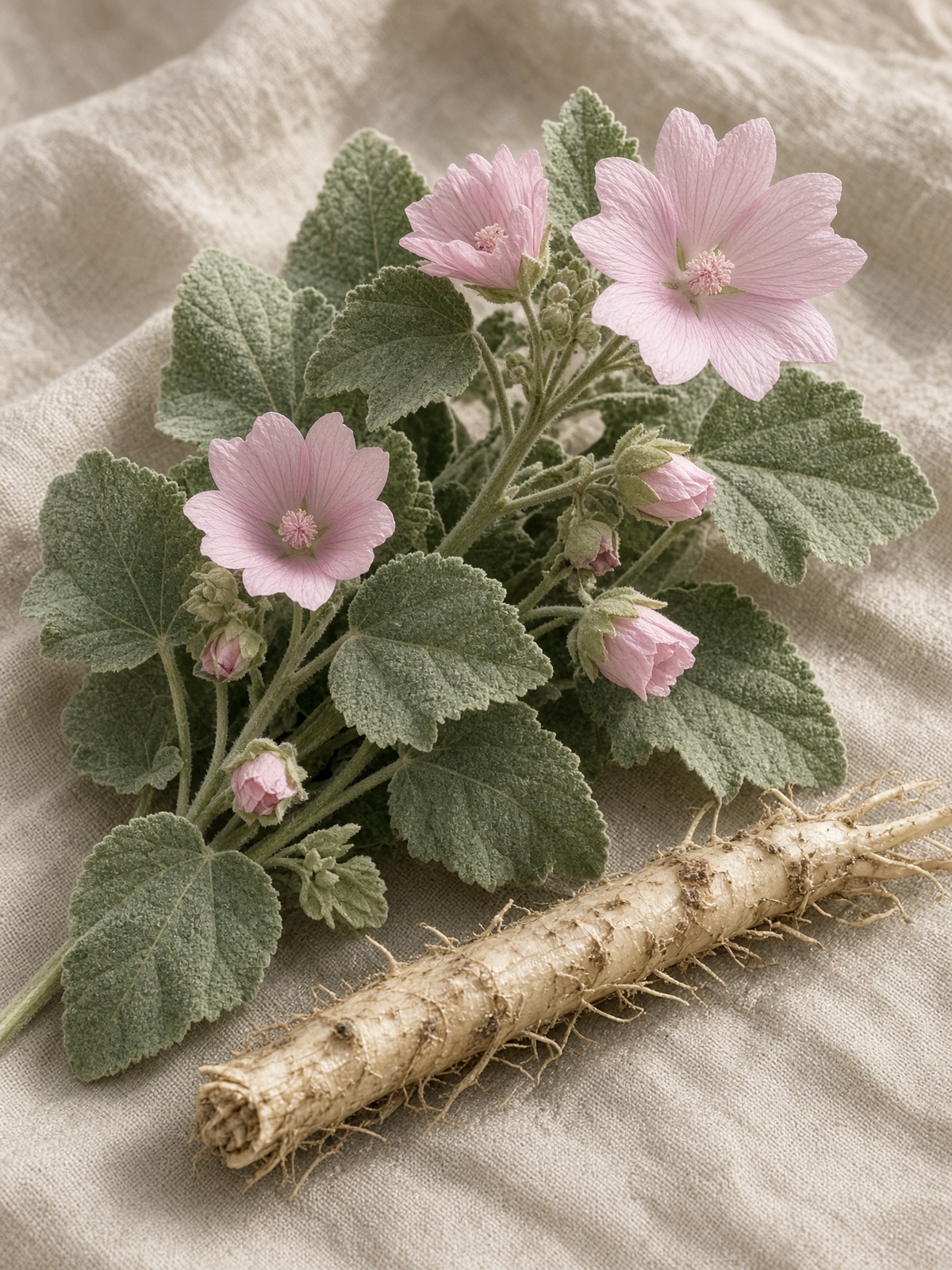 2MarshmallowStrong traditional
Althaea officinalis
Root mucilage for irritated mucosa.
Typical. Cold maceration 2–5 g.
Safety. Binds oral drugs 1–2 h.
Supportive plants2
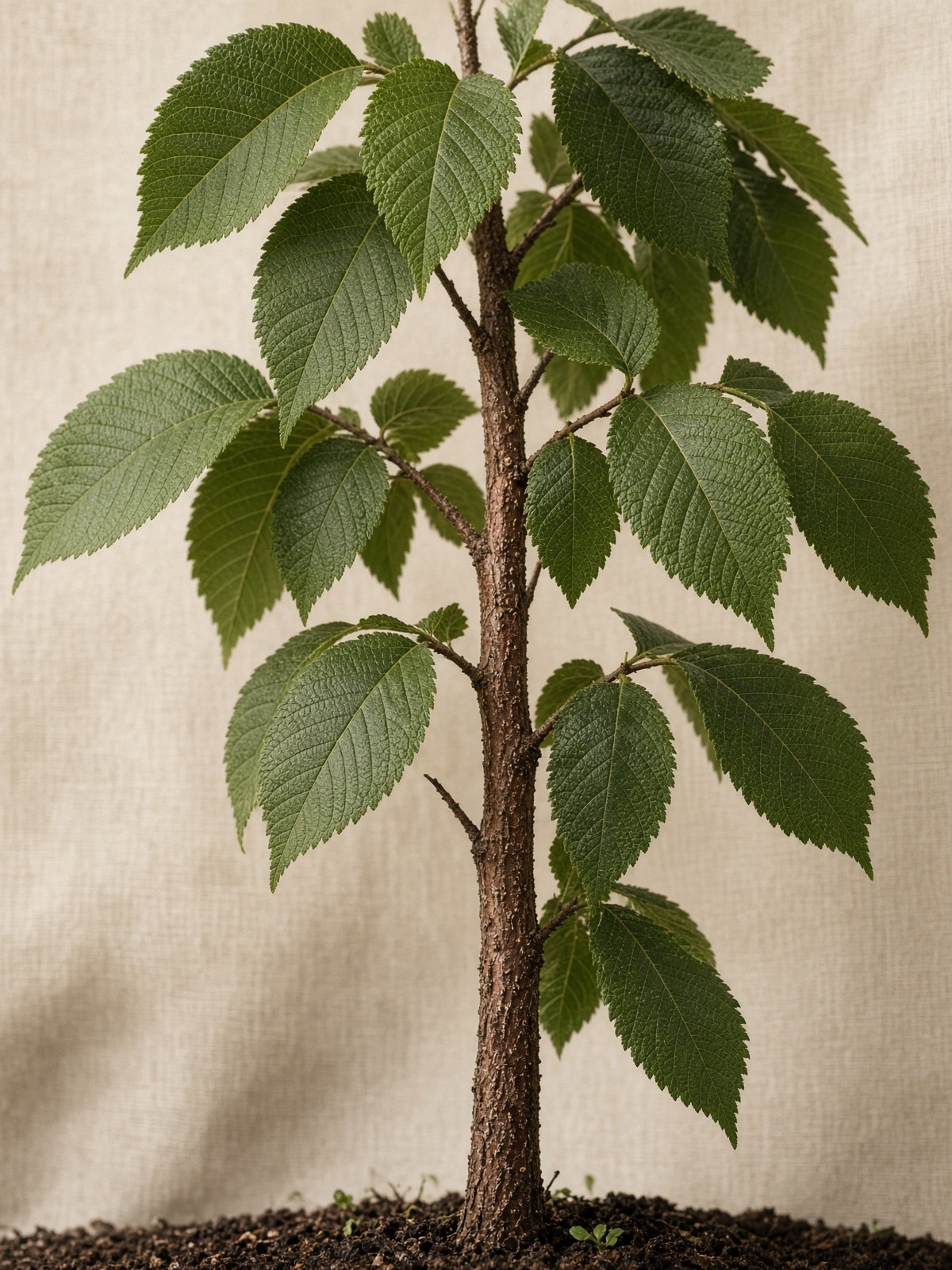 Slippery elmStrong traditionalUlmus rubra
Inner-bark slurry, same demulcent idea.
Typical. Powdered inner bark in water.
Safety. Outer bark no. Drug binding.
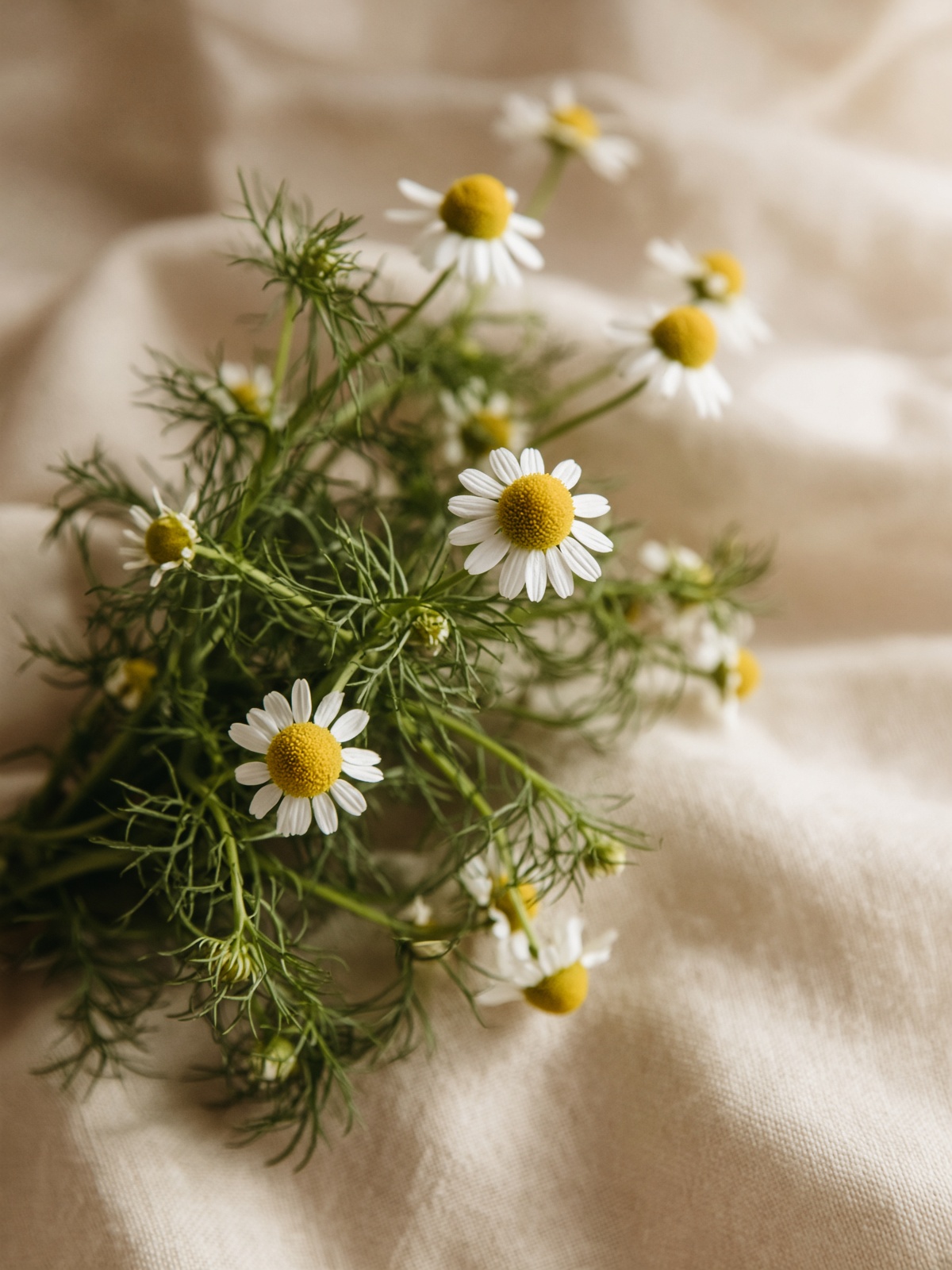 German chamomileStrong traditionalMatricaria chamomilla
Traditional anti-inflammatory tea for the upper GI.
Typical. Flower tea.
Safety. Asteraceae.
Clinical notes
- Coffee-ground emesis and melena are an ED, not more DGL.
When this is not enough
- GI bleed, perforation, unexplained anemia, NSAID that has not been stopped, H. pylori untreated
Rooted is a private clinical reference for licensed practitioners. It is educational, not a treatment protocol, and not a substitute for the chart, the exam, or pharmacy review. Plant medicines interact with drugs and can harm liver, kidney, heart, pregnancy, and children.