Respiratory · also Immune / Rheum / Allergy
Influenza-like illness (adjunct)
4 plants
Ask Assistant about thisFever, myalgia, and a known flu week. High-risk people still get guideline antivirals and a low threshold for pneumonia. Black elder berry has some human cold/flu-season data; raw berry is nauseating. Andrographis (king of bitters) has some URI trial data and a taste/GI cost. Echinacea evidence is mixed. None of these replace oseltamivir in a 72-year-old with COPD.
Primary plants
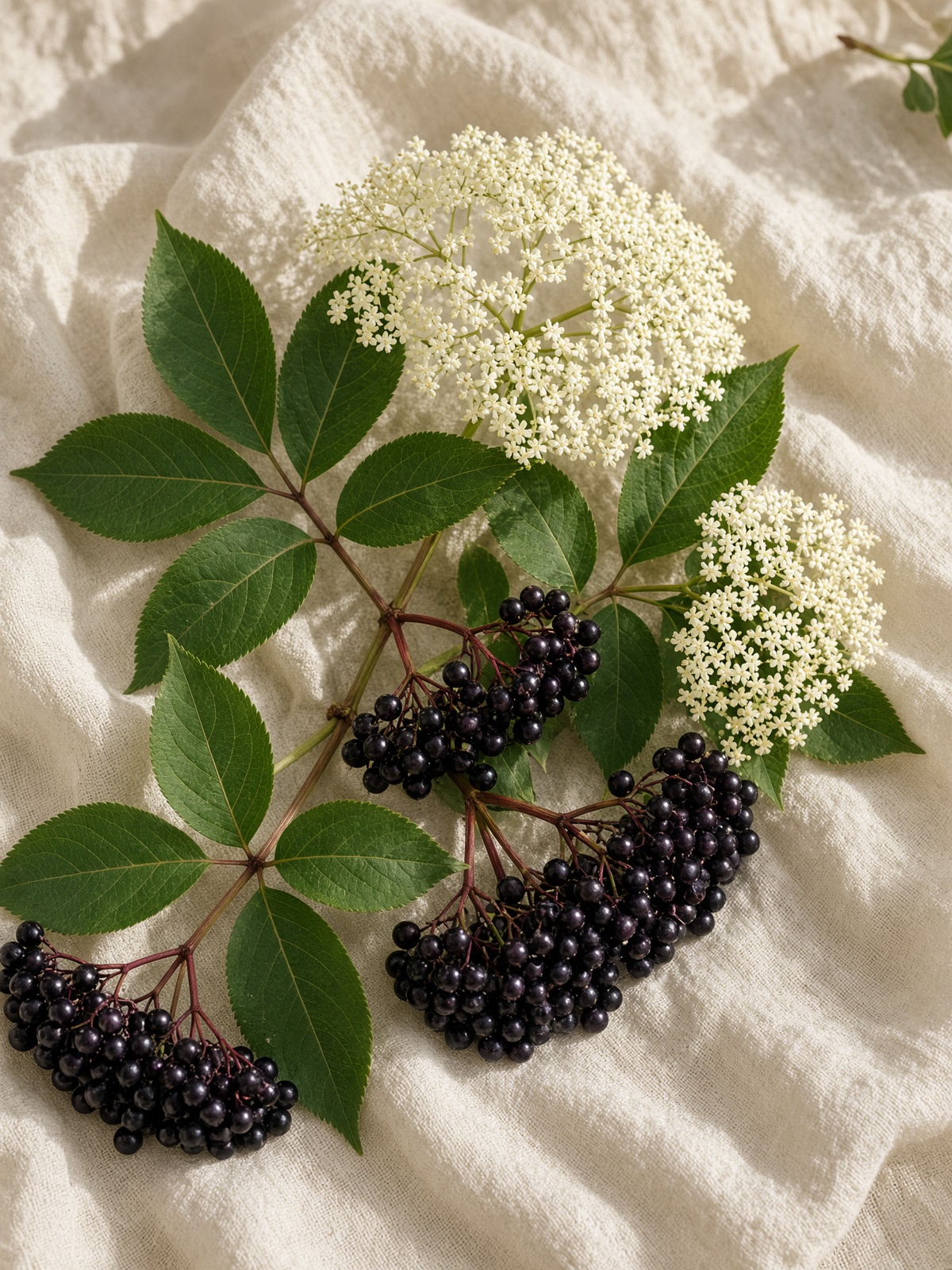 1Black elderHuman data
Sambucus nigra
Berry extracts have some seasonal-URI human data. Flower is a traditional catarrh tea. Raw berry nauseates.
Typical. Cooked berry extract as labeled, short course. Flower tea 2–3 g.
Safety. Raw berry: nausea. Immune-modulating claims are oversold for influenza pneumonia.
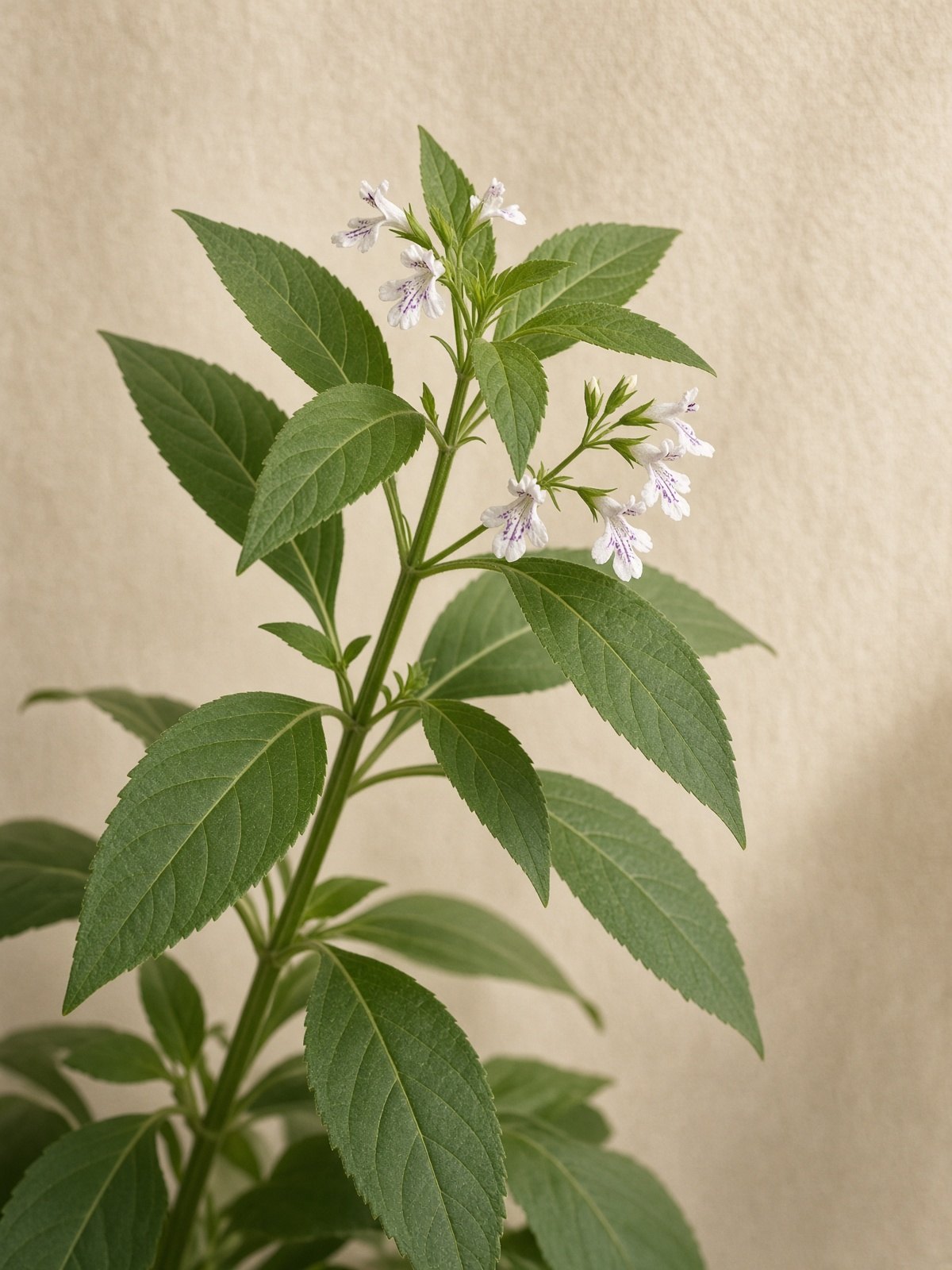 2King of bittersHuman data
Andrographis paniculata
Andrographis: some URI-duration trial data. Bitter. Not a neuraminidase inhibitor.
Typical. Standardized aerial extract as labeled, short course.
Safety. GI. Taste. Pregnancy avoid. Not pneumonia coverage.
Supportive plants2
 Purple coneflowerHuman dataEchinacea purpurea
Echinacea: mixed prevention/treatment data. Identity and species matter.
Typical. Short labeled product if they already use it.
Safety. Asteraceae. Autoimmune theoretical. Not a flu antiviral.
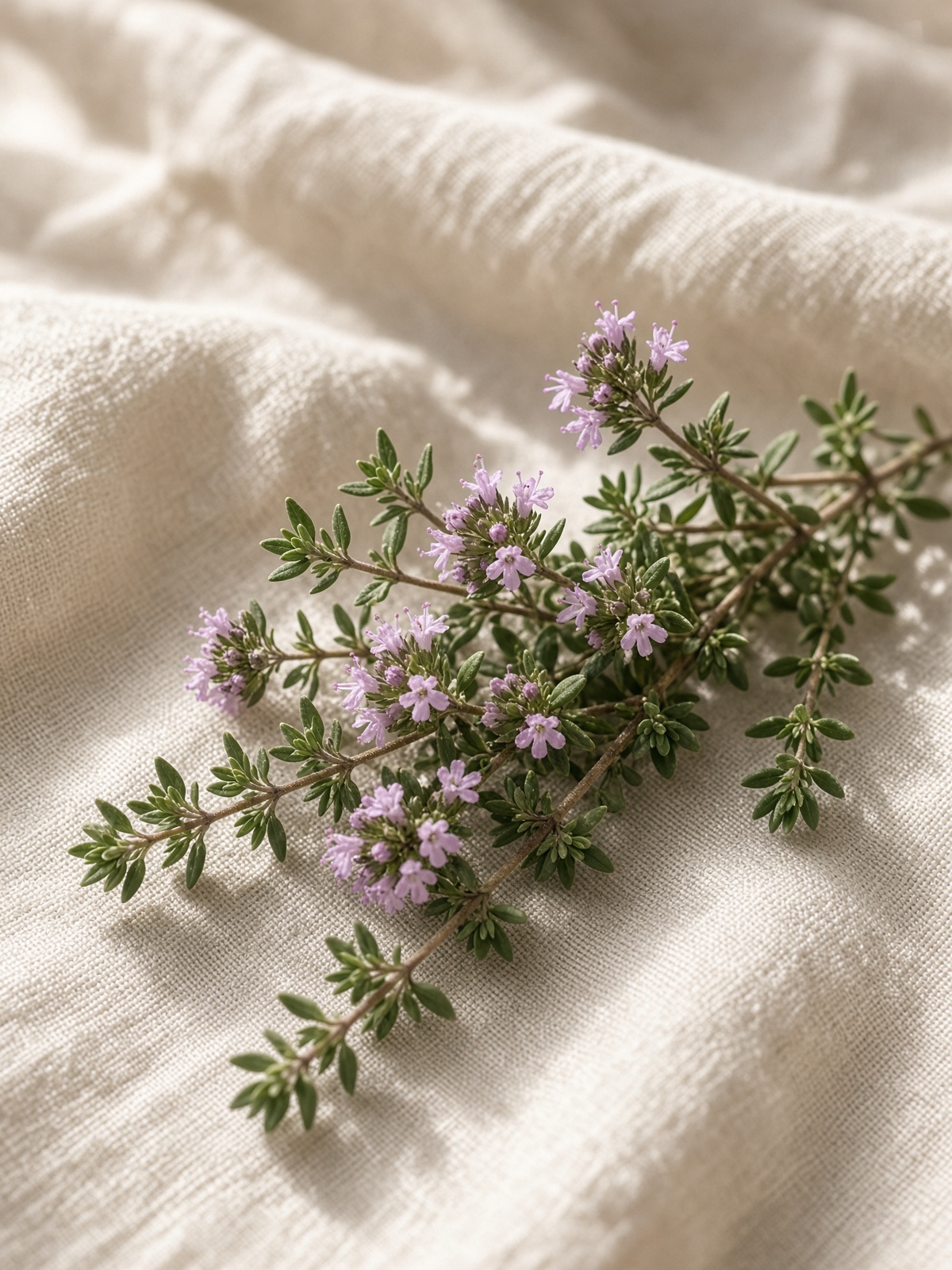 ThymeStrong traditionalThymus vulgaris
Traditional chest tea for cough comfort.
Typical. Leaf/herb tea.
Safety. Culinary is food-like. Essential oil is not tea.
Clinical notes
- Dyspnea, O2 sat drop, confusion, or a high-risk host at 48 hours of fever is the antiviral/pneumonia path.
When this is not enough
- Respiratory distress, suspected pneumonia, sepsis, pregnancy flu, infants, immunocompromised hosts
Rooted is a private clinical reference for licensed practitioners. It is educational, not a treatment protocol, and not a substitute for the chart, the exam, or pharmacy review. Plant medicines interact with drugs and can harm liver, kidney, heart, pregnancy, and children.