Digestive
IBS
6 plants
Ask Assistant about thisRome criteria and red-flag exclusion belong to you, not the catalog. Enteric-coated peppermint oil is the preparation with adult trial data for IBS-type spasm — leaf tea is not that product. Soluble fiber (psyllium) is first-line diet therapy, especially IBS-C. Plants do not treat IBD, celiac, or microscopic colitis.
IBS-D
Enteric peppermint oil is the usual plant pick. Avoid stimulant laxatives. Check bile-acid diarrhea and microscopic colitis when the story is wrong.
IBS-C
Psyllium first. Senna is short-course only — not an IBS maintenance plant. Hydration and dose titration prevent paradoxic bloating.
IBS-M
Psyllium plus a spasmolytic (enteric peppermint) is the usual pairing. Chase the dominant symptom that week, not both at once.
Primary plants
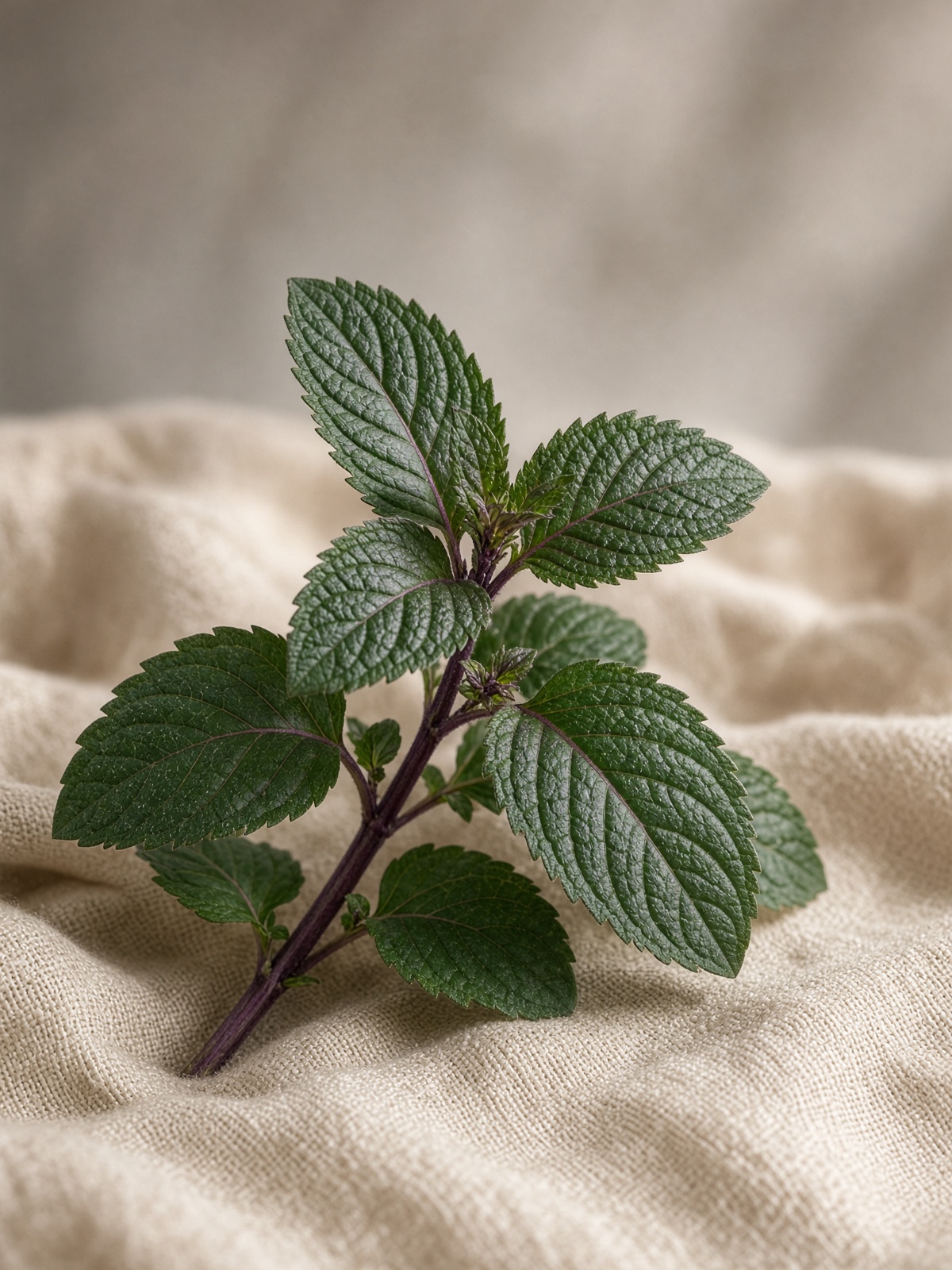 1PeppermintHuman data
Mentha × piperita
Enteric-coated oil is the best-studied plant for IBS spasm. Menthol is a smooth-muscle relaxant — tea is not the trial product.
Typical. Adults: 0.2–0.4 mL enteric-coated oil bid–tid (EMA HMPC-type range).
Safety. Worsens GERD if coat fails. Never in infants (laryngeal spasm). Not spearmint or pennyroyal.
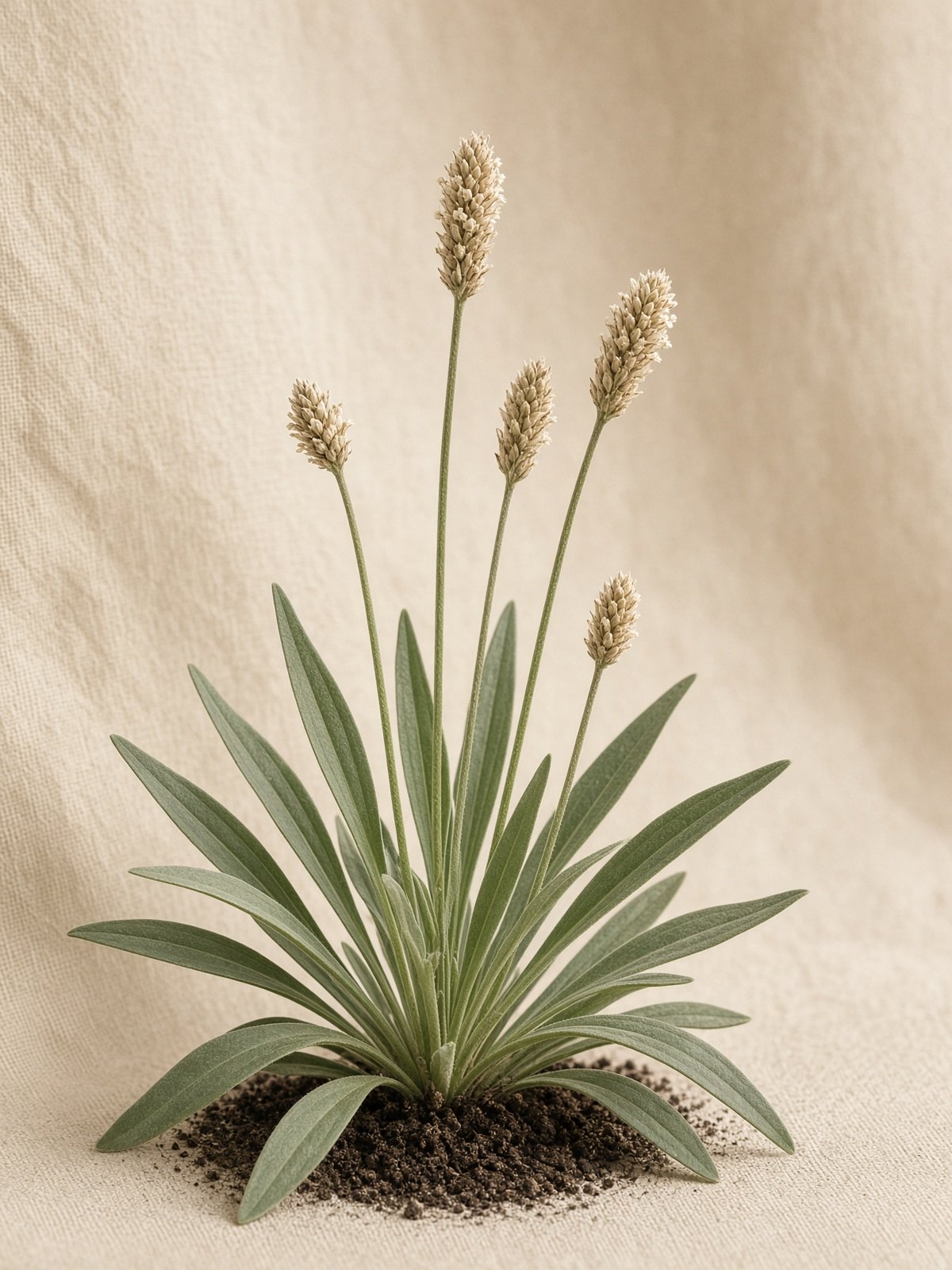 2PsylliumHuman data
Plantago ovata
Viscous soluble fiber with IBS and constipation trial data. Titrate slowly.
Typical. Start ~5 g/day, titrate toward 10 g with water. Separate from meds 2 h.
Safety. Obstruction risk if dry. Binds levothyroxine and some other orals.
 3German chamomileStrong traditional
Matricaria chamomilla
Traditional GI nervine/carminative for the anxious belly. Evidence is traditional plus small combination-product data.
Typical. Flower tea 1–2 g tid, or as part of a carminative blend.
Safety. Asteraceae allergy.
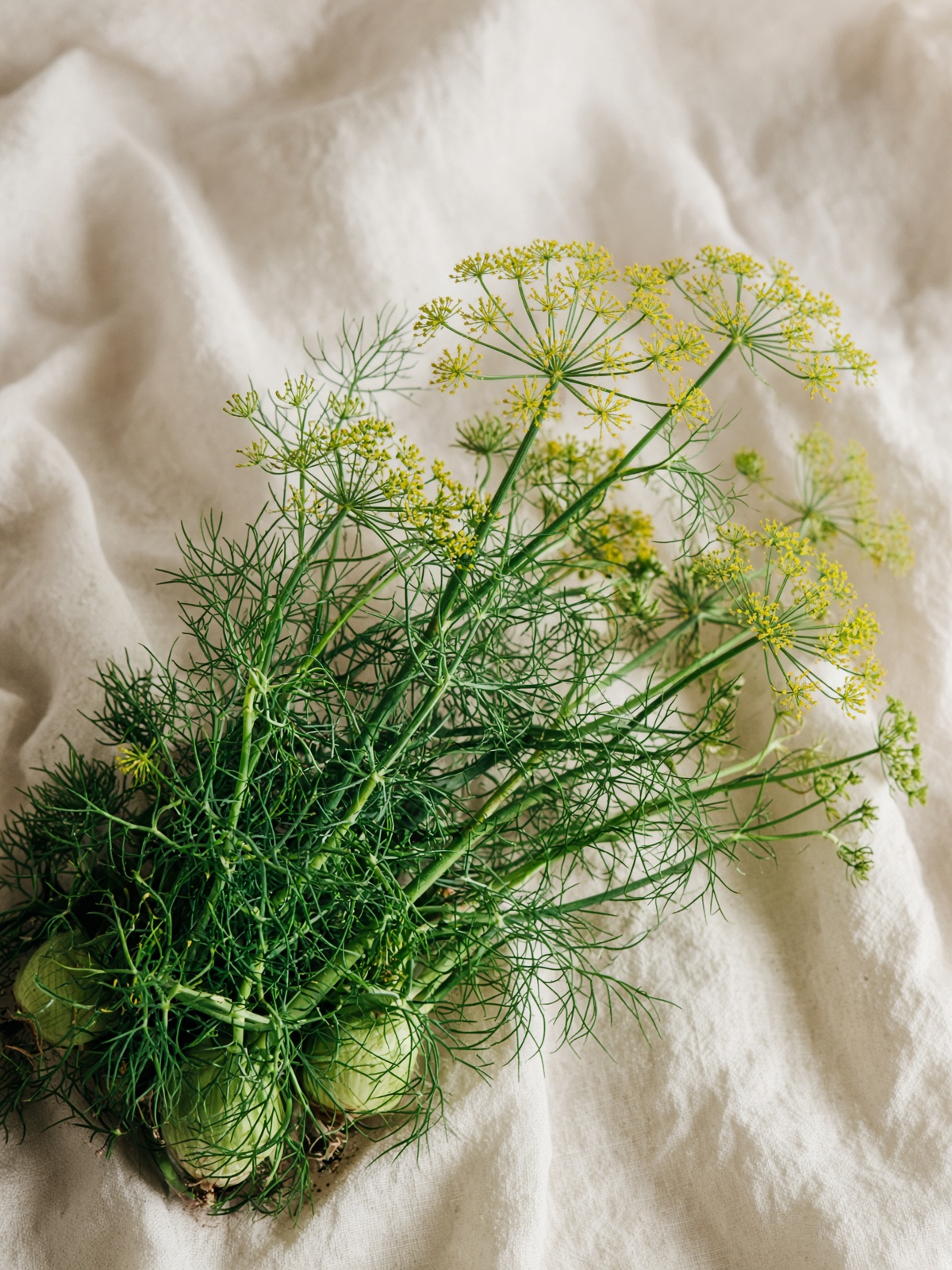 4FennelStrong traditional
Foeniculum vulgare
Carminative for bloating and crampy gas; some dysmenorrhea overlap.
Typical. Crushed seed tea 1–2 g. Essential oil internally is a different, more concentrated object.
Safety. Apiaceae allergy. High-dose oil: estragole theoretical. Culinary seed is the usual form.
Supportive plants2
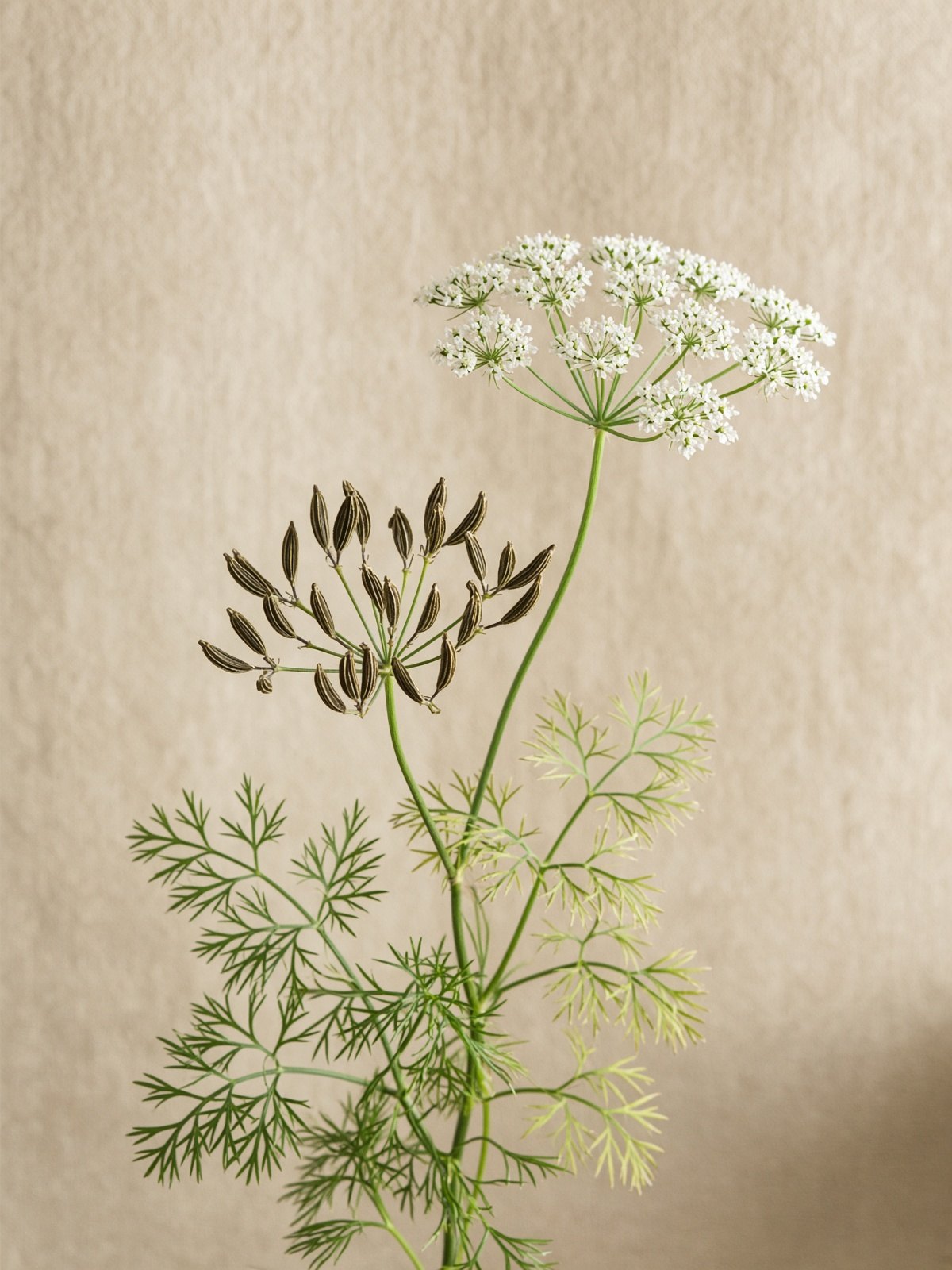 CarawayHuman dataCarum carvi
Carminative; often paired with peppermint in European dyspepsia/IBS-type products.
Typical. As in combination enteric products, or seed tea 1–2 g.
Safety. Similar mint/LES caution when oil is not enteric. Apiaceae allergy.
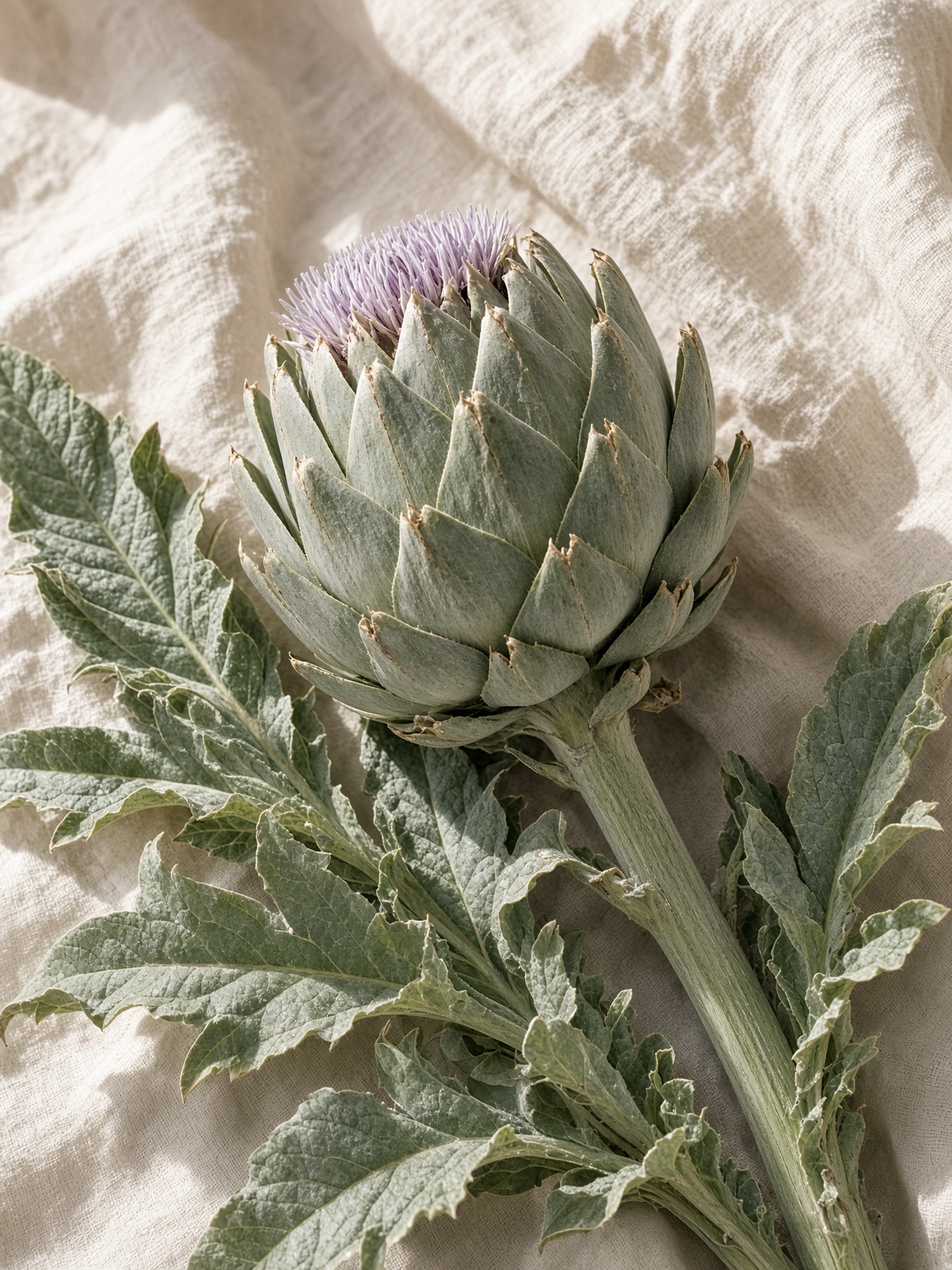 ArtichokeHuman dataCynara scolymus
Bitter/choleretic used in functional dyspepsia with bloating; not an IBS-D antidiarrheal.
Typical. Leaf extract per product; typical trial range ~640 mg/day divided.
Safety. Bile-duct obstruction is a stop. Not a fat-blocker.
Clinical notes
- Enteric coat integrity matters — crushed capsules dump menthol in the stomach.
- Antacids can dissolve the coat early.
- FODMAP work and CBT-gut still have a better outcome file than most herbs.
When this is not enough
- Rectal bleeding, nocturnal diarrhea, fever, iron-deficiency anemia
- Onset after age 50, family history of IBD/CRC — do not herb this
- Unintentional weight loss, persistent vomiting
Rooted is a private clinical reference for licensed practitioners. It is educational, not a treatment protocol, and not a substitute for the chart, the exam, or pharmacy review. Plant medicines interact with drugs and can harm liver, kidney, heart, pregnancy, and children.