Respiratory · also Immune / Rheum / Allergy
Allergic rhinitis
4 plants
Ask Assistant about thisAntihistamines and INCS remain first-line. PA-free butterbur has human seasonal-rhinitis trials — unprocessed butterbur is a hepatotoxic PA plant. Nettle and elder are traditional/supportive, not replacements for fluticasone.
Primary plants
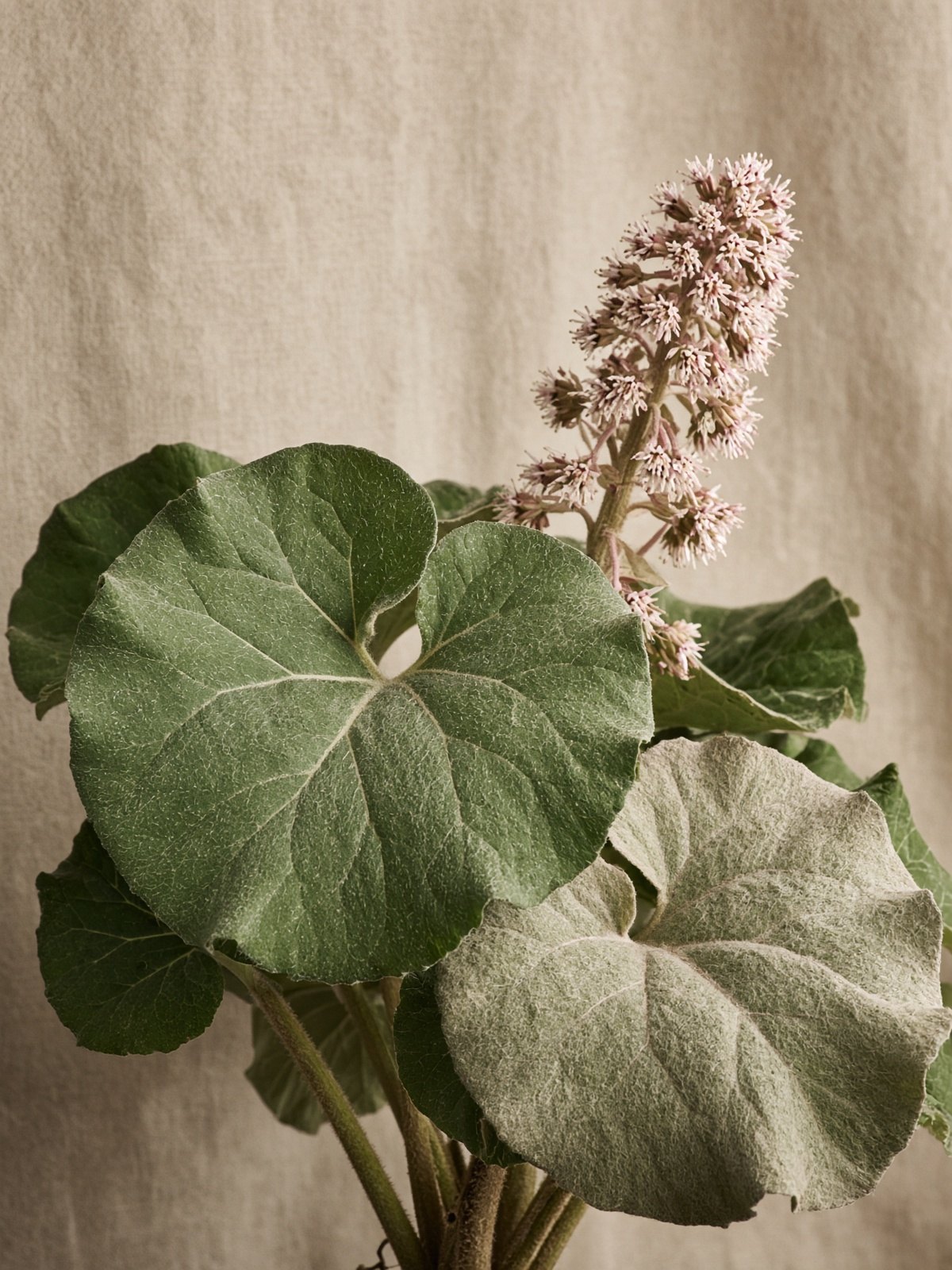 1ButterburHuman data
Petasites hybridus
PA-free extracts have human seasonal-rhinitis trials. Identity is the safety issue — raw herb is hepatotoxic.
Typical. Certified PA-free Petasites extract as labeled (often 8–16 mg petasins tid — product-specific).
Safety. Only certified PA-free. Avoid in liver disease and pregnancy. Asteraceae allergy.
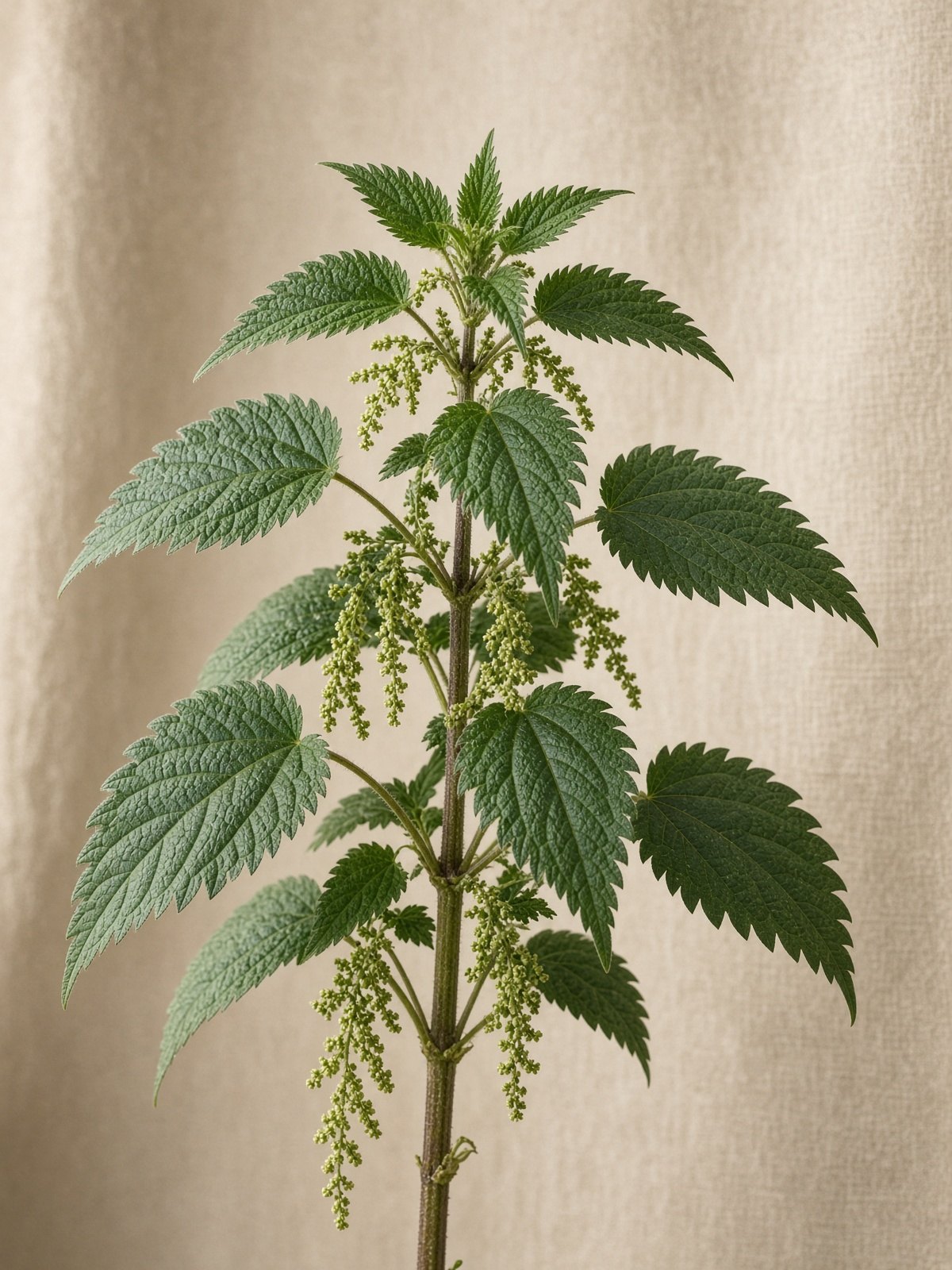 2Stinging nettleStrong traditional
Urtica dioica
Traditional freeze-dried leaf for hay fever. Human data mixed and small.
Typical. Freeze-dried leaf 300–600 mg tid as in older hay-fever studies, or leaf tea.
Safety. Fresh plant stings — that's not the oral product. Occasional GI upset.
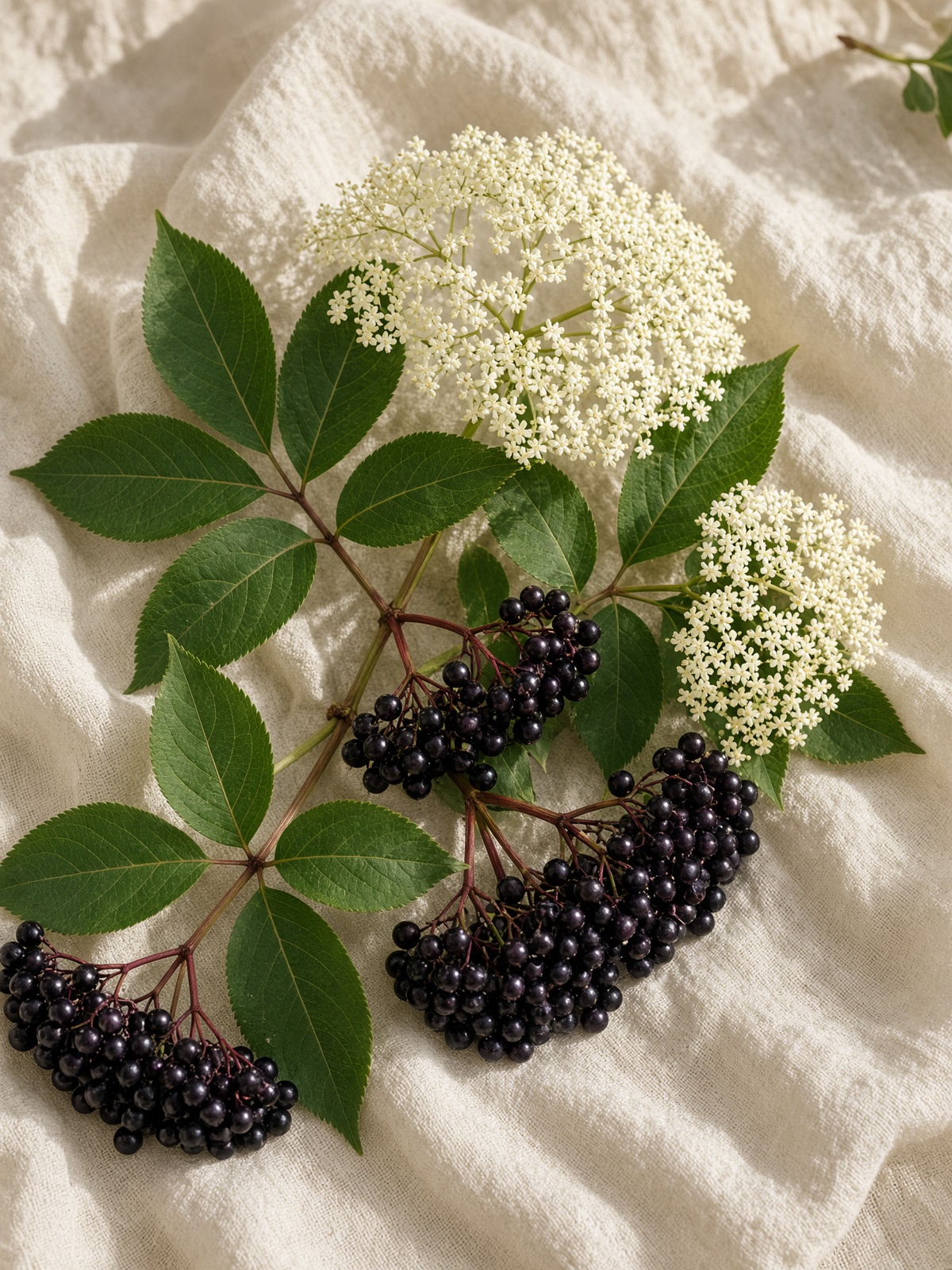 3Black elderStrong traditional
Sambucus nigra
Flower is the traditional catarrh tea. Berry extracts are more a viral-cold product than rhinitis.
Typical. Flower tea 2–3 g. Cooked berry only if using fruit.
Safety. Raw berry: nausea. Immune-modulating berry claims are oversold for rhinitis.
Supportive plants1
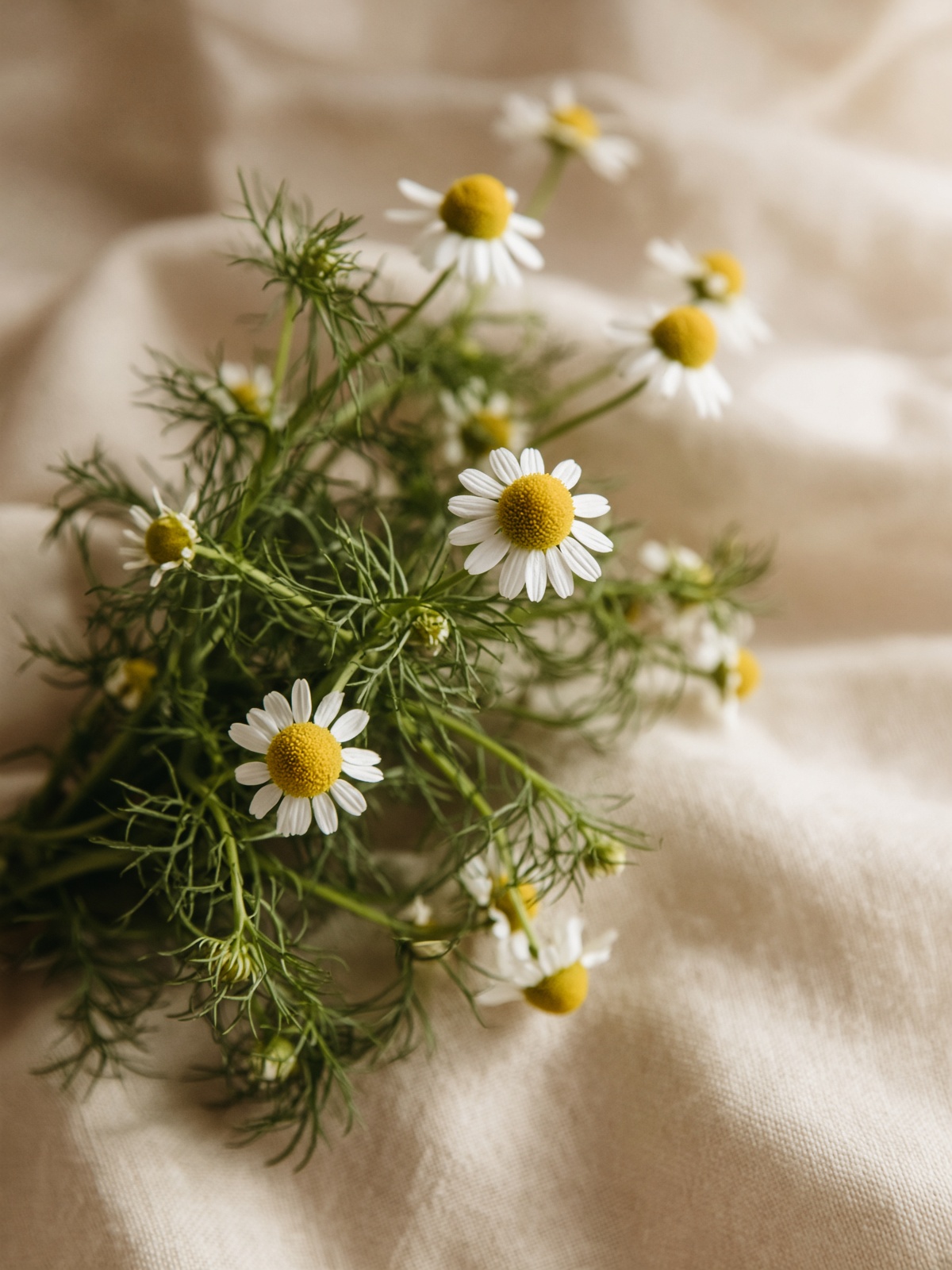 German chamomileStrong traditionalMatricaria chamomilla
Steam or tea as a soothing adjunct. Not disease-modifying.
Typical. Flower tea; inhalation steam optional. Eye compress only if no ragweed cross-reactivity.
Safety. Asteraceae cross-reactivity can worsen the allergy you are treating.
Clinical notes
- If they have poorly controlled asthma, treat that guideline-first.
- Never recommend non-PA-tested butterbur.
- Unilateral symptoms, bloody discharge, or anosmia lasting months is not hay fever.
When this is not enough
- Anaphylaxis, stridor, facial swelling — epinephrine/ED
- Unilateral nasal obstruction, bloody discharge, diplopia
- Asthma exacerbation with the same trigger
Rooted is a private clinical reference for licensed practitioners. It is educational, not a treatment protocol, and not a substitute for the chart, the exam, or pharmacy review. Plant medicines interact with drugs and can harm liver, kidney, heart, pregnancy, and children.