Digestive
Xerostomia / dry mouth
4 plants
Ask Assistant about thisAnticholinergic burden, CPAP mouth-breathing, and Sjögren are the usual suspects — not a marshmallow deficiency. Sugar-free gum and fluoride still beat most teas for caries prevention. Marshmallow and slippery elm coat; they do not restore salivary flow. Sage tea is a traditional gargle and can dry some people further. Pilocarpine/cevimeline remain the secretagogues.
Primary plants
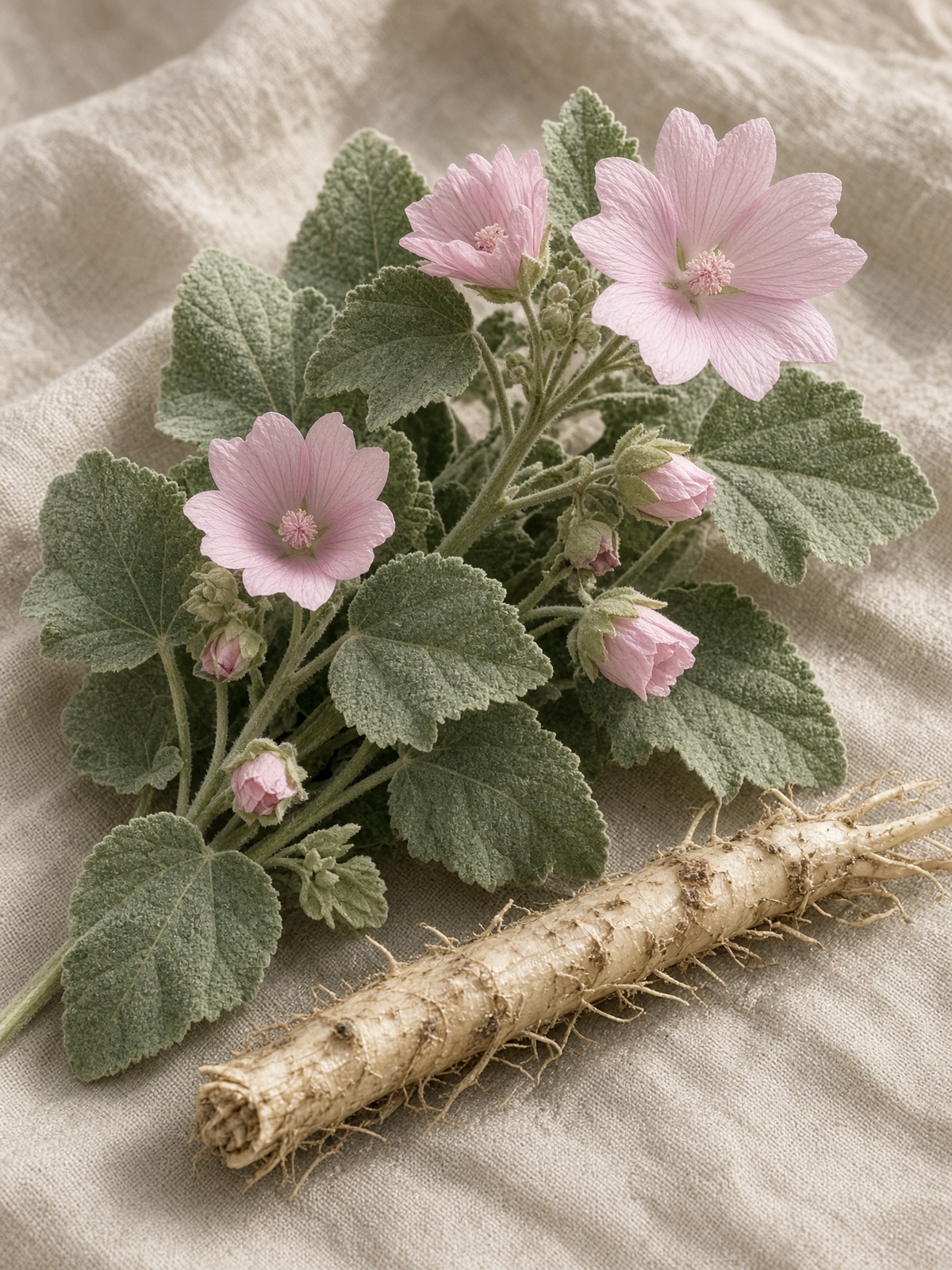 1MarshmallowStrong traditional
Althaea officinalis
Root mucilage coats a dry, irritated mouth. Comfort, not a secretagogue.
Typical. Cold maceration; sip. Separate from other orals 1–2 h.
Safety. Binding.
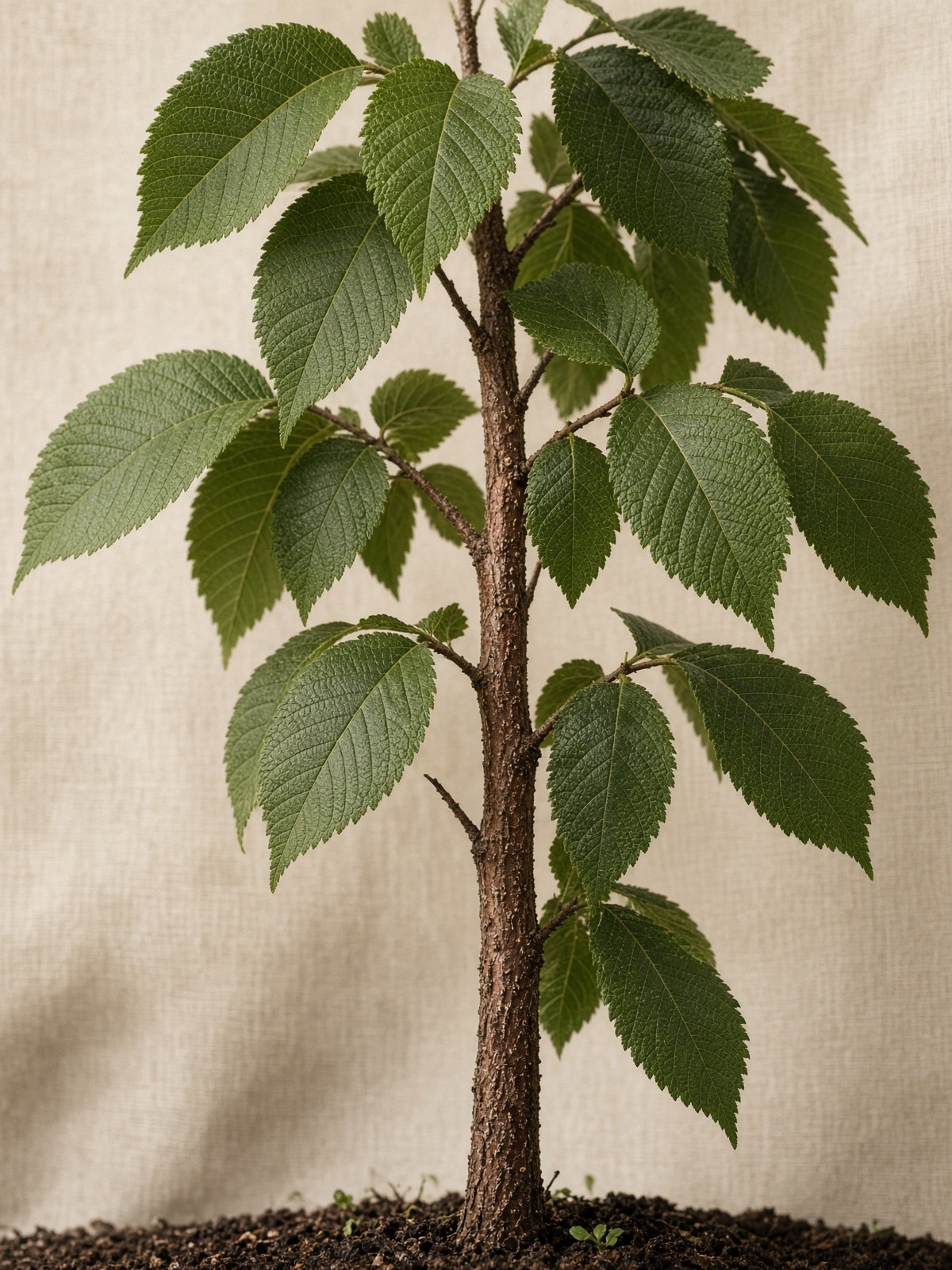 2Slippery elmStrong traditional
Ulmus rubra
Inner-bark mucilage, same job.
Typical. Powdered inner bark in water as a rinse/sip — do not use outer bark.
Safety. Binding. Pregnancy data thin.
Supportive plants2
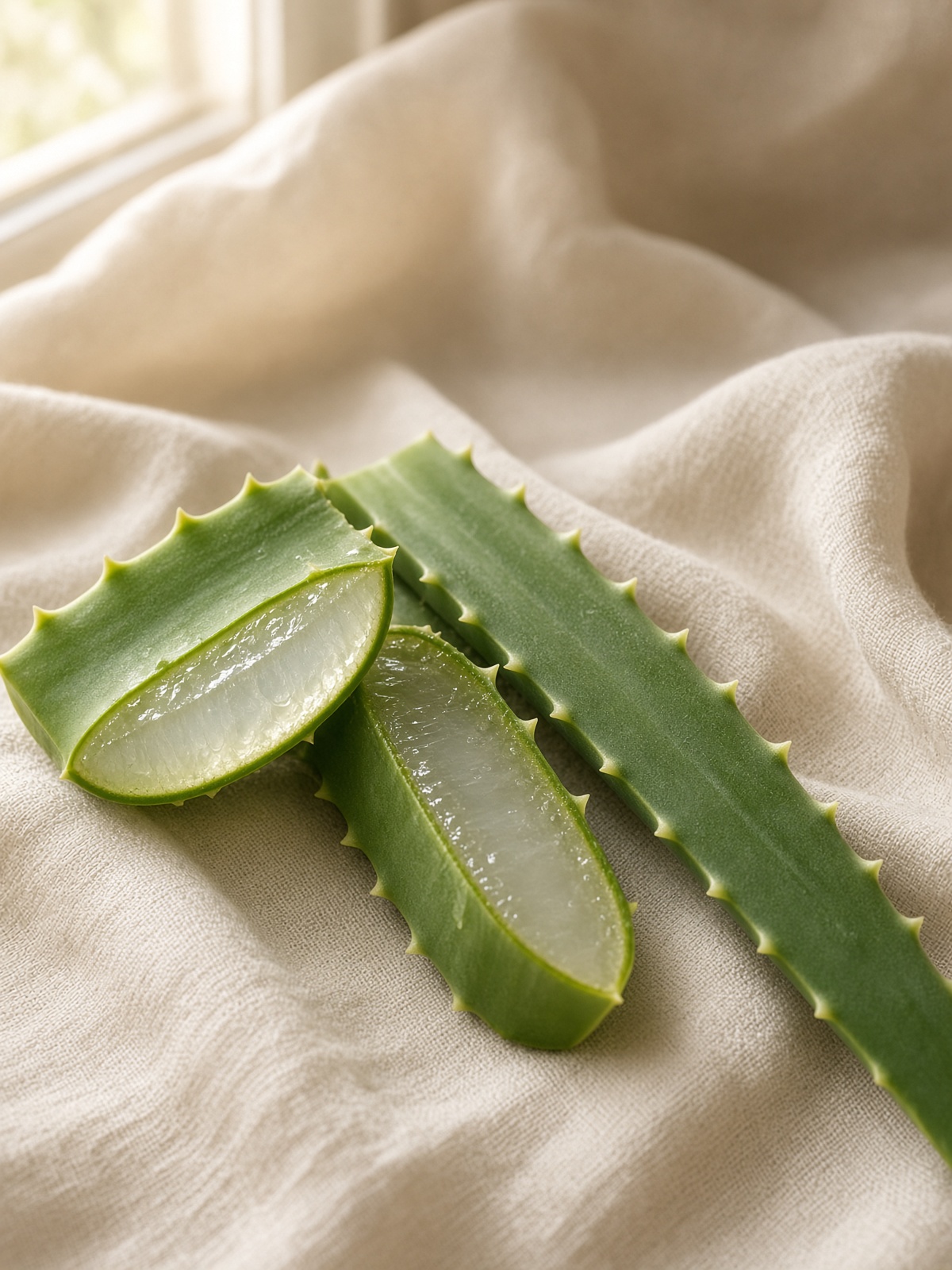 AloeStrong traditionalAloe vera
Inner-leaf gel as a mouth rinse in some mucositis/sicca comfort protocols. Latex is a stimulant laxative — different object.
Typical. Inner gel only, as a rinse, not the yellow latex.
Safety. Latex: cramping, hypokalemia. Contamination/identity.
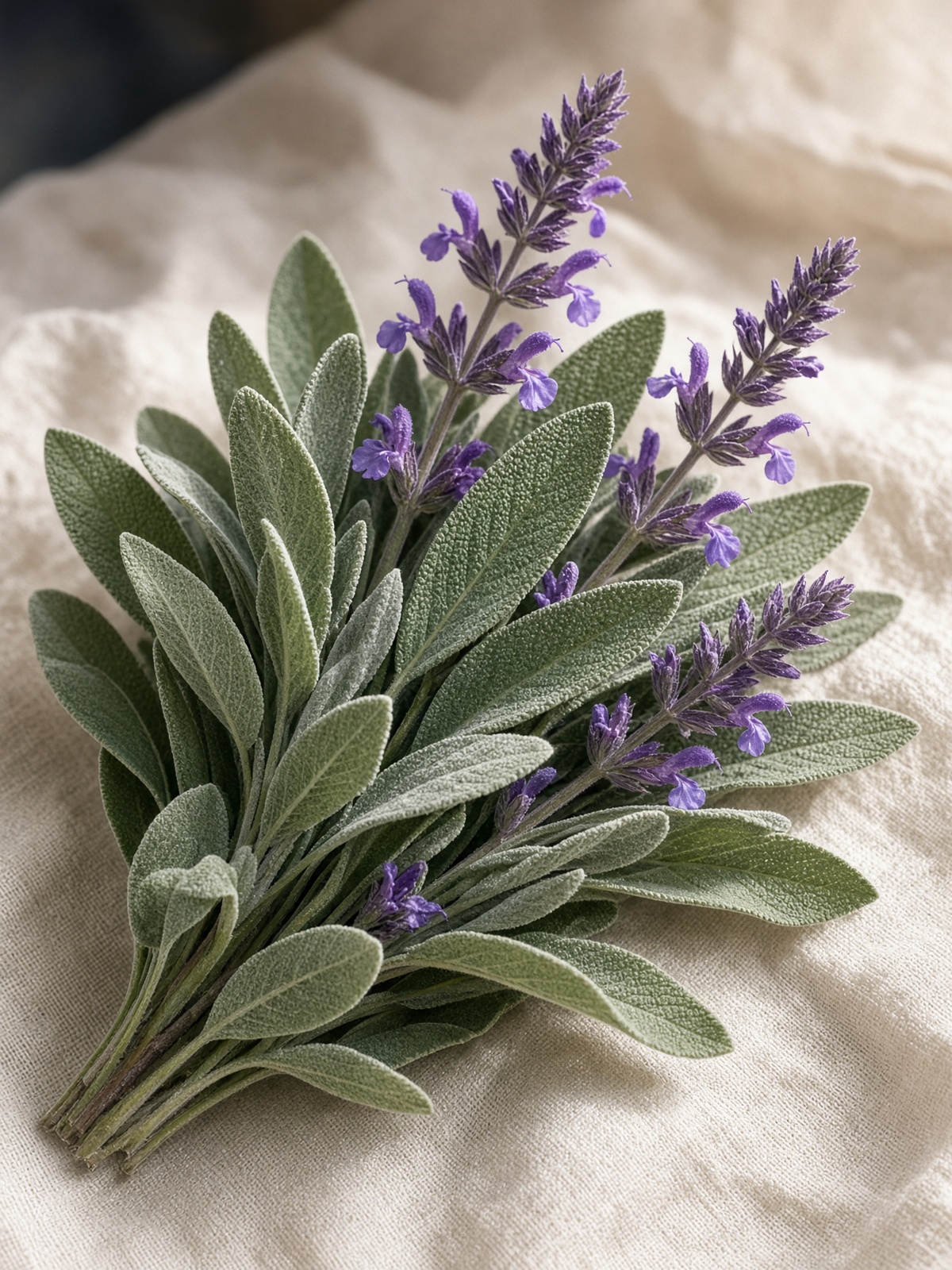 SageStrong traditionalSalvia officinalis
Traditional gargle. Can be drying. Not first-line sicca.
Typical. Occasional tea rinse if it does not worsen dryness.
Safety. Thujone in excess. Pregnancy caution. Essential oil is not tea.
Clinical notes
- New dry mouth plus dry eyes plus dental disaster is a Sjögren workup, not elm bark.
When this is not enough
- Rapid caries, suspected Sjögren with systemic features, candidiasis, inability to eat, radiation sicca needing that team
Rooted is a private clinical reference for licensed practitioners. It is educational, not a treatment protocol, and not a substitute for the chart, the exam, or pharmacy review. Plant medicines interact with drugs and can harm liver, kidney, heart, pregnancy, and children.