Women’s Health
Vulvovaginal candidiasis (adjunct)
3 plants
Ask Assistant about thisItch, cottage-cheese discharge, and a wet mount. Fluconazole/topical azole still have the cure file. Yogurt folklore is not a guideline course. Tea-tree oil and raw garlic cloves intravaginally cause mucosal burns — they are on this page as a stop. Recurrent disease is diabetes, antibiotics, and sometimes boric acid under a clinician, not a new essential oil.
Primary plants
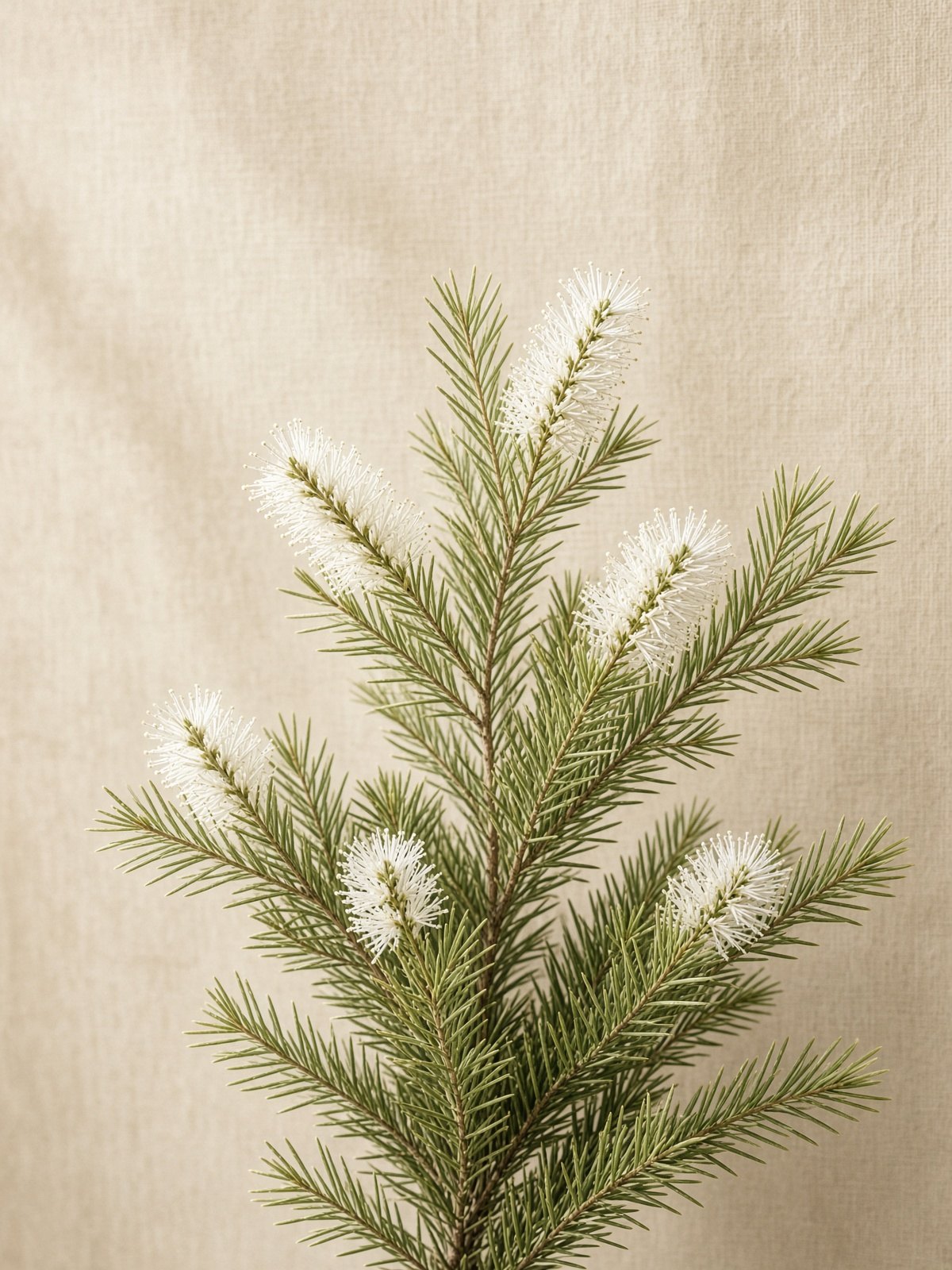 1Tea treeStrong traditional
Melaleuca alternifolia
Sometimes sold as a 'yeast oil.' Mucosal irritant. Do not put neat oil in the vagina.
Typical. Do not use intravaginally.
Safety. Chemical burn, contact dermatitis. Do not swallow.
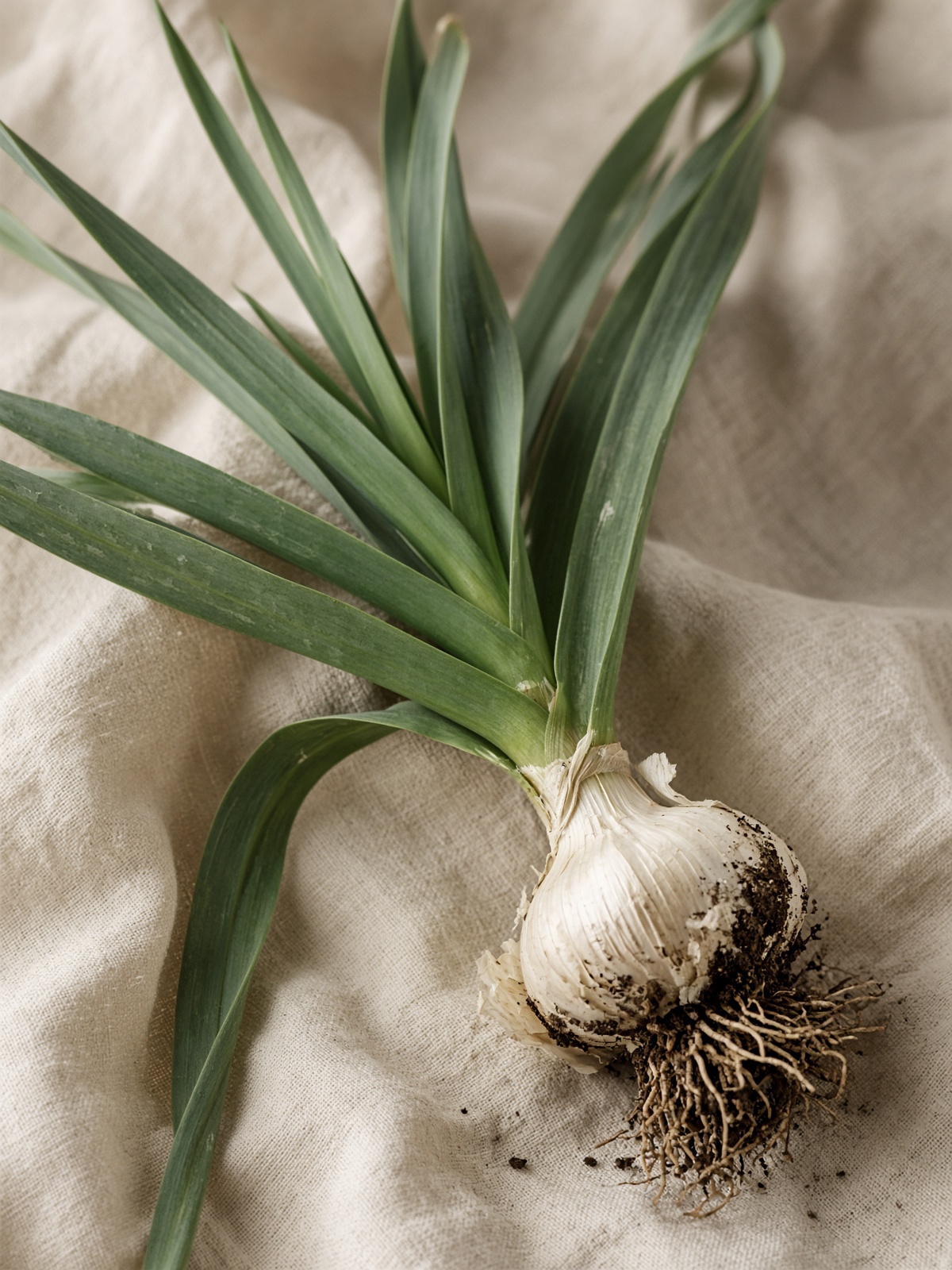 2GarlicStrong traditional
Allium sativum
Culinary is food. A clove in the vagina is a mucosal injury, not an azole.
Typical. Eat it if you want. Do not insert it.
Safety. Mucosal burns. Bleeding with extracts internally is a different issue.
Supportive plants1
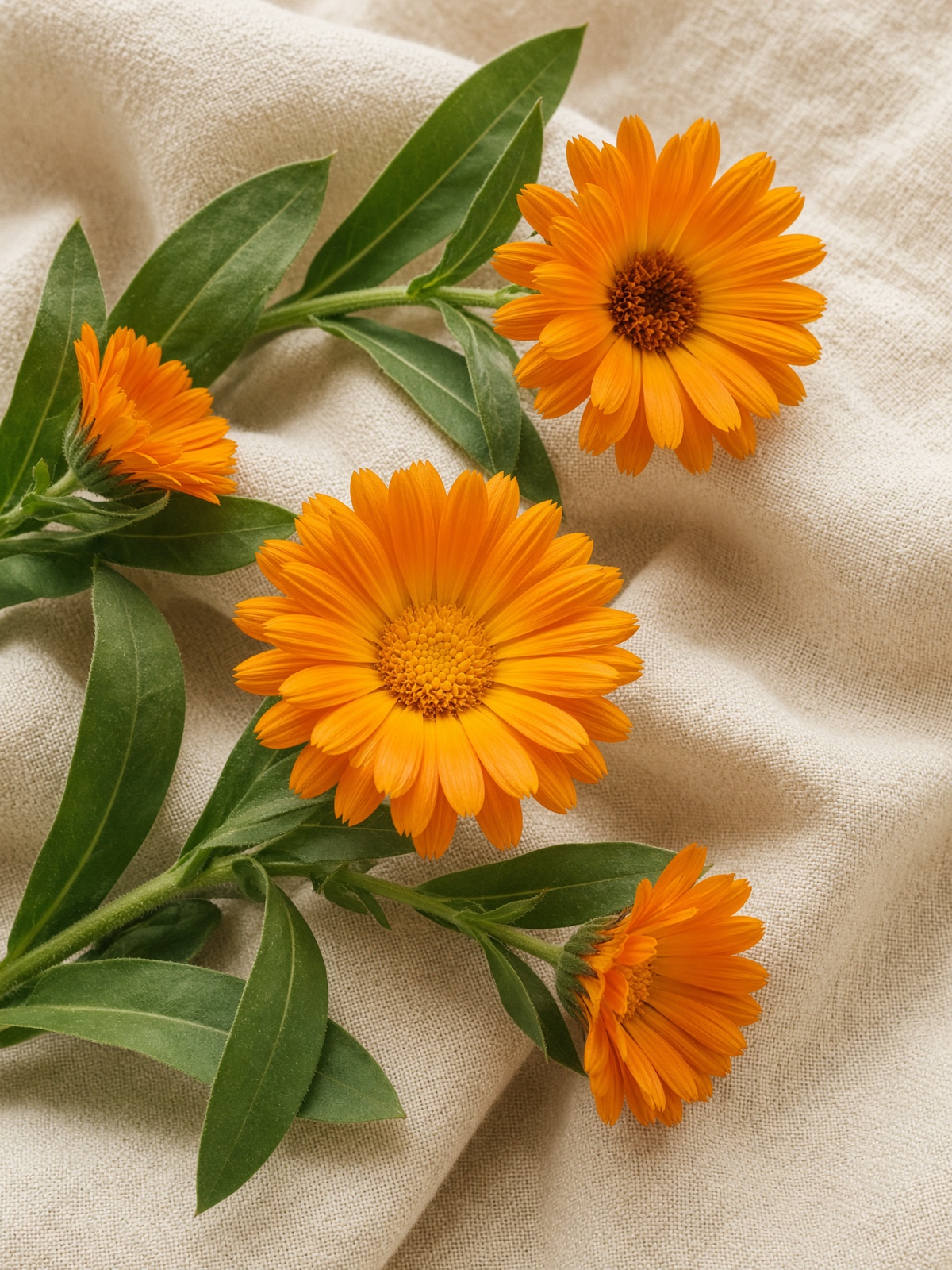 CalendulaStrong traditionalCalendula officinalis
Bland topical/sitz folklore for irritated vulvar skin after the infection is treated — not antifungal monotherapy.
Typical. Cream on intact external skin if it comforts. Patch-test.
Safety. Asteraceae.
Clinical notes
- Fever, tubo-ovarian pain, or a fishy amine after menses is not Candida — think PID/BV and look.
When this is not enough
- PID signs, pregnancy with severe symptoms, immunocompromised with persistent yeast, chemical-burn presentation after oils
Rooted is a private clinical reference for licensed practitioners. It is educational, not a treatment protocol, and not a substitute for the chart, the exam, or pharmacy review. Plant medicines interact with drugs and can harm liver, kidney, heart, pregnancy, and children.