Women’s Health
Uterine fibroids (adjunct)
3 plants
Ask Assistant about thisBulk symptoms, heavy bleeding, and fertility plans are gyn. Tranexamic acid and hormonal options still exist. Ginger is a dysmenorrhea adjunct on bleed days — and a bleeding theoretical at extract dose, which is ironic if they already flood. Chaste tree does not shrink fibroids. Dong quai bleeds. Wild yam cream is not progesterone.
Primary plants
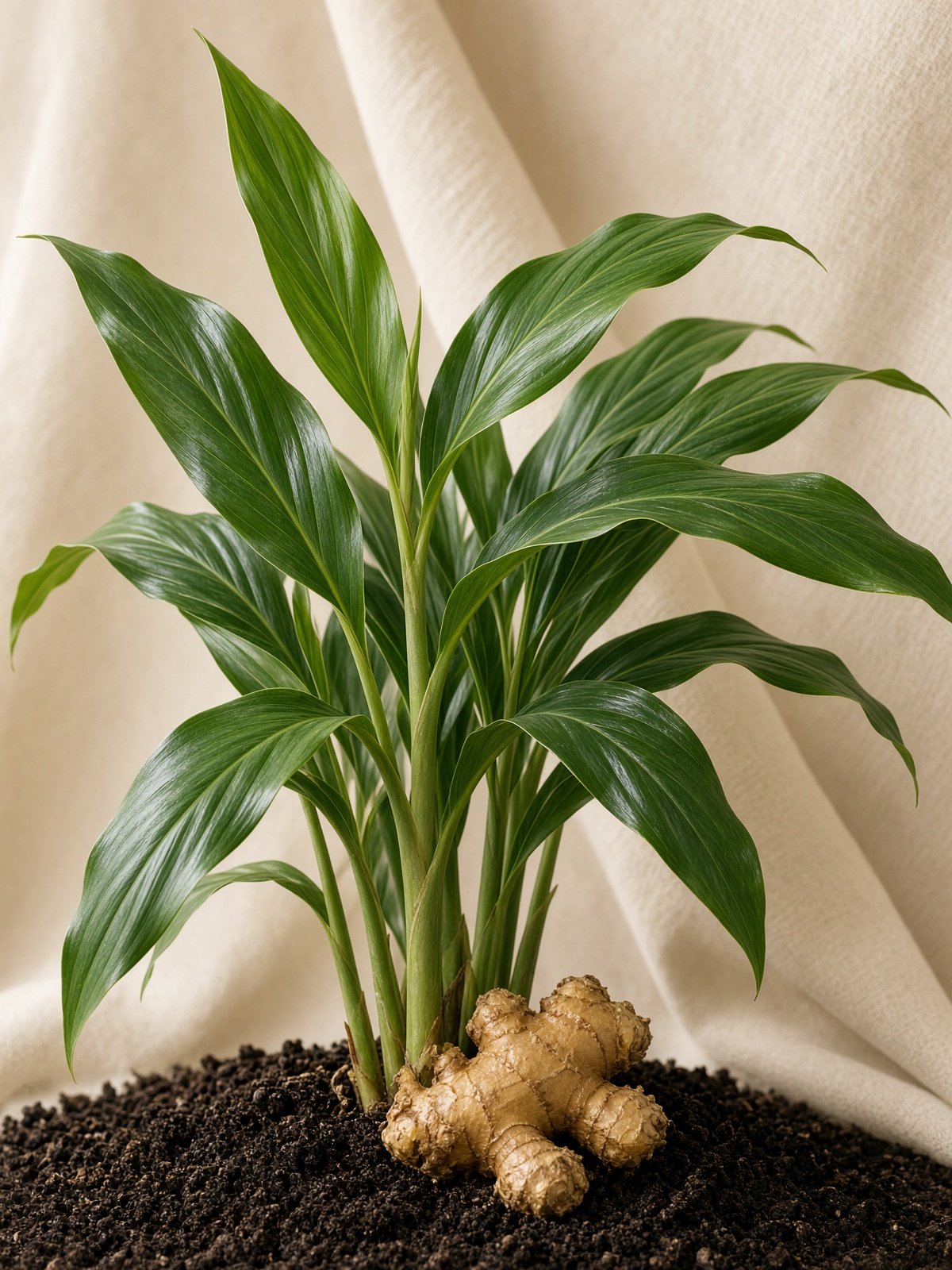 1GingerHuman data
Zingiber officinale
Dysmenorrhea RCT file for the pain days. Not a myoma drug. Extract bleeding caution if they already soak pads.
Typical. Dried powder 750–2000 mg/day divided days 1–3 if pain leads.
Safety. Extracts: bleeding.
Supportive plants2
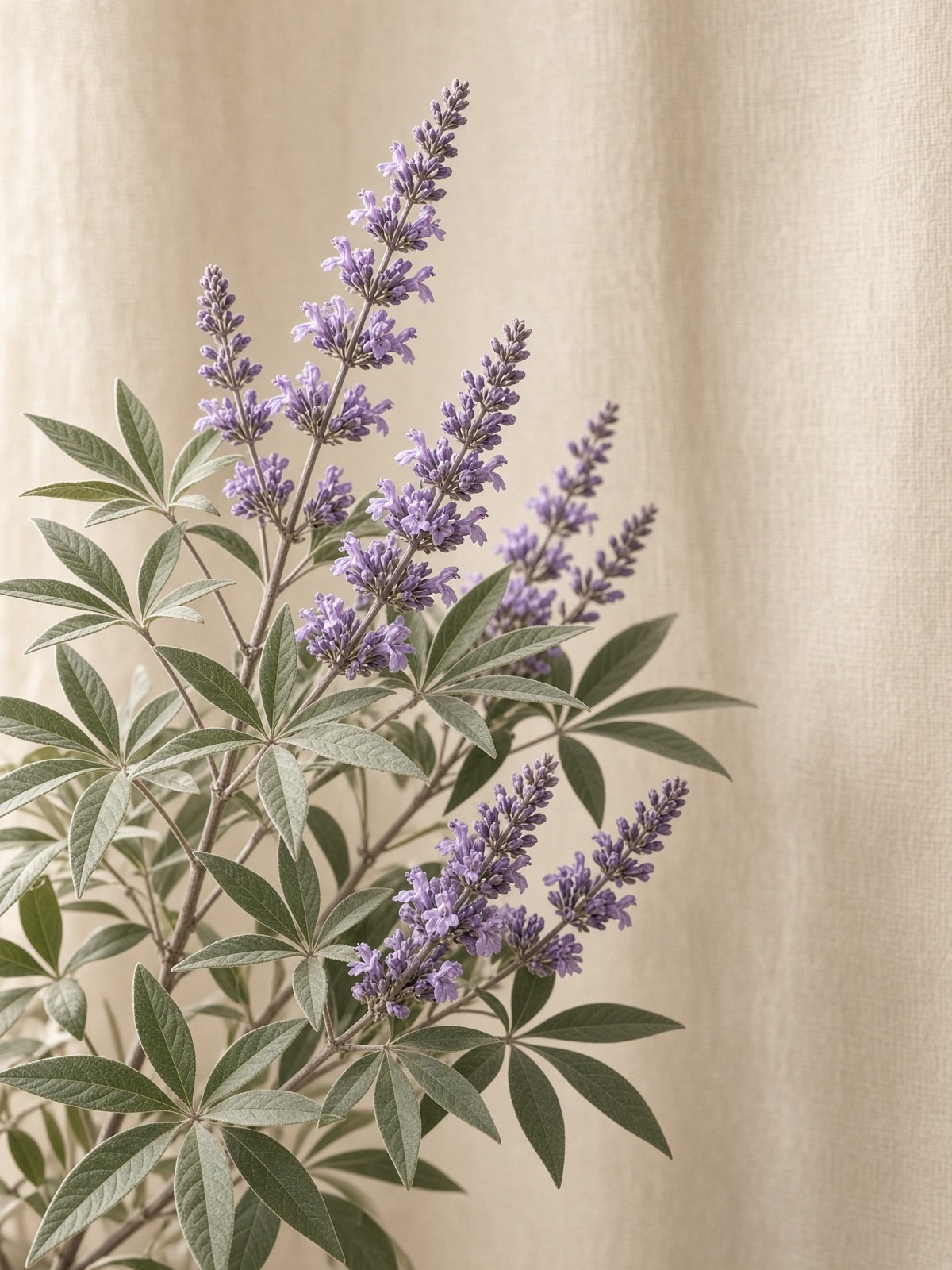 Chaste treeHuman dataVitex agnus-castus
Cycle-pattern plant if PMS-type leftovers exist. Does not shrink fibroids.
Typical. 20–40 mg/day over months.
Safety. Pregnancy, hormone-sensitive cancer.
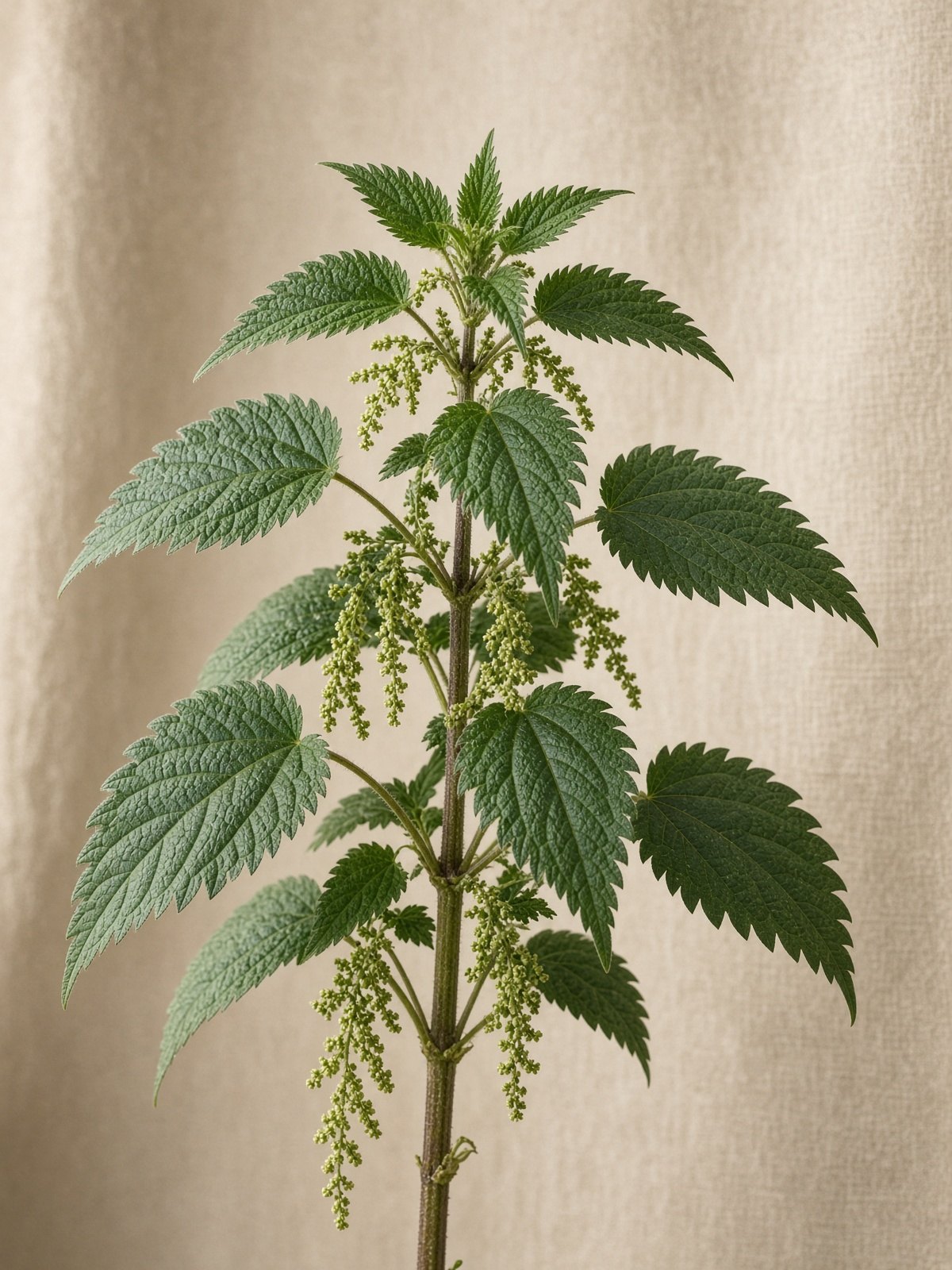 Stinging nettleStrong traditionalUrtica dioica
Leaf tea as traditional astringent/iron-food folklore while you actually replace iron.
Typical. Leaf tea.
Safety. Not a hemoglobin.
Clinical notes
- Wild yam does not convert to progesterone on the skin. A fibroid that fills the pelvis is not a bitter.
When this is not enough
- Soaking through hourly, pregnancy with fibroids, postmenopausal growth, hydronephrosis, transfusion-range hemoglobin
Rooted is a private clinical reference for licensed practitioners. It is educational, not a treatment protocol, and not a substitute for the chart, the exam, or pharmacy review. Plant medicines interact with drugs and can harm liver, kidney, heart, pregnancy, and children.