Musculoskeletal · also Cardiovascular
Statin-associated myalgia (adjunct)
3 plants
Ask Assistant about thisTrue myopathy is a CK and a hold. Nuisance myalgia is common and often not the drug. Do not add a DILI plant (high-dose curcumin/piperine) on top of a statin without a reason. Devil's claw is an OA plant some people borrow for 'aches.' Red yeast rice is not in this catalog and is still lovastatin by another name — not a workaround.
Primary plants
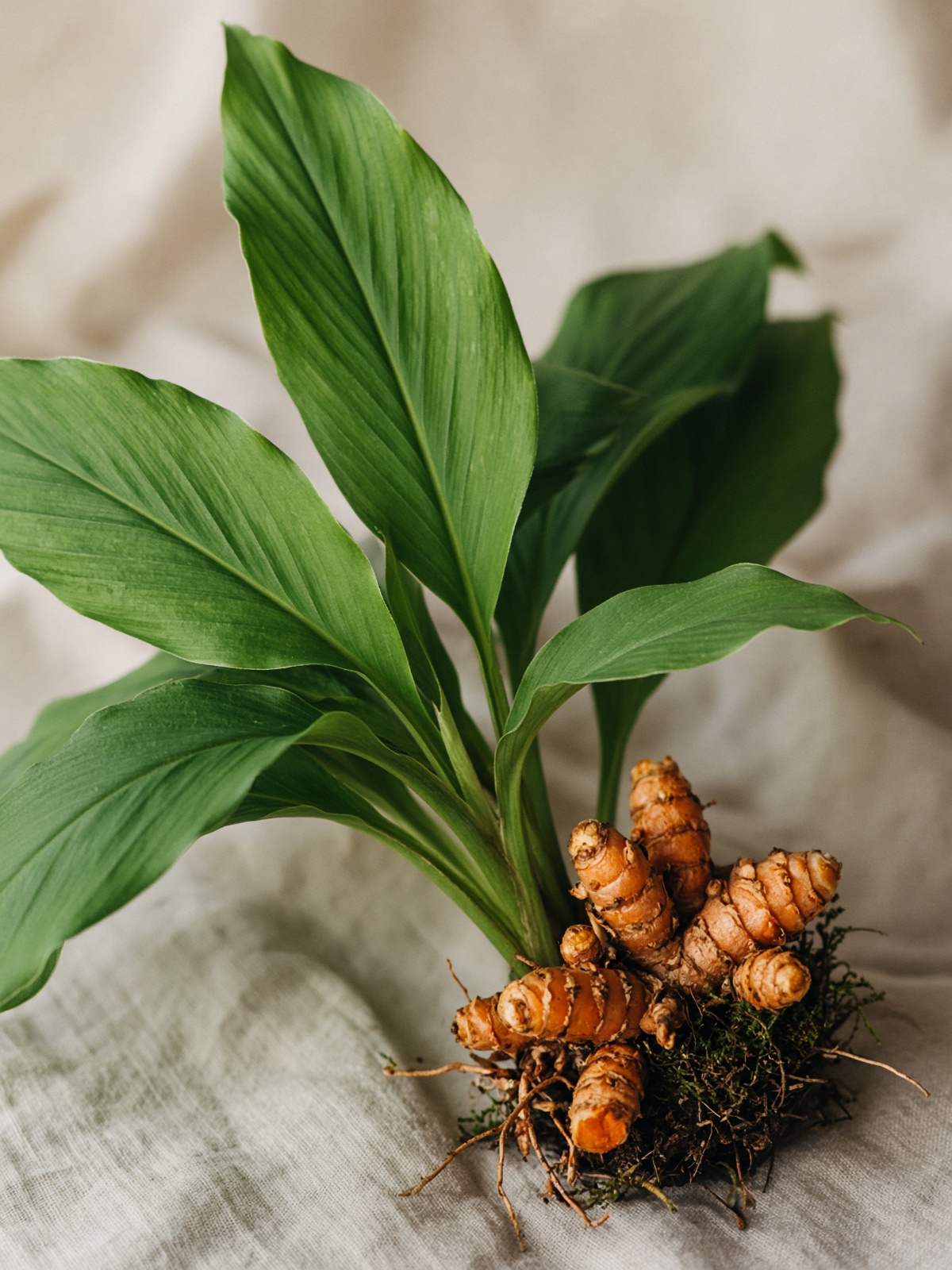 1TurmericHuman data
Curcuma longa
Culinary rhizome as a general inflammatory-pain adjunct. Extract is a DILI/bleeding object next to a statin.
Typical. Food first. Extract only with a named painful disease and pharmacy.
Safety. Stop for jaundice. Piperine interactions.
Supportive plants2
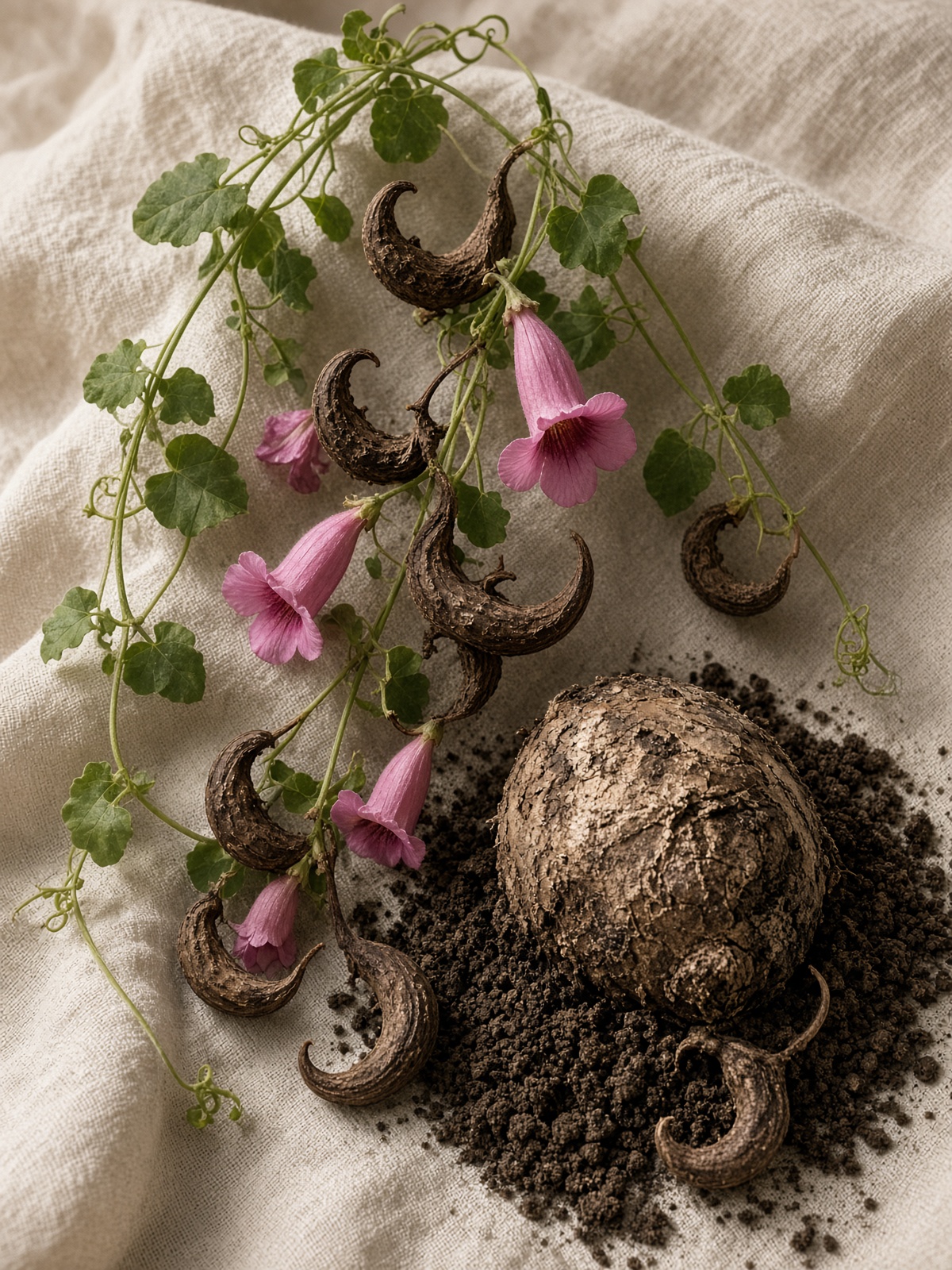 Devil's clawHuman dataHarpagophytum procumbens
If the ache is more OA/back than statin. Honest indication mismatch otherwise.
Typical. Harpagoside extract short course.
Safety. PUD. Not a CK workup.
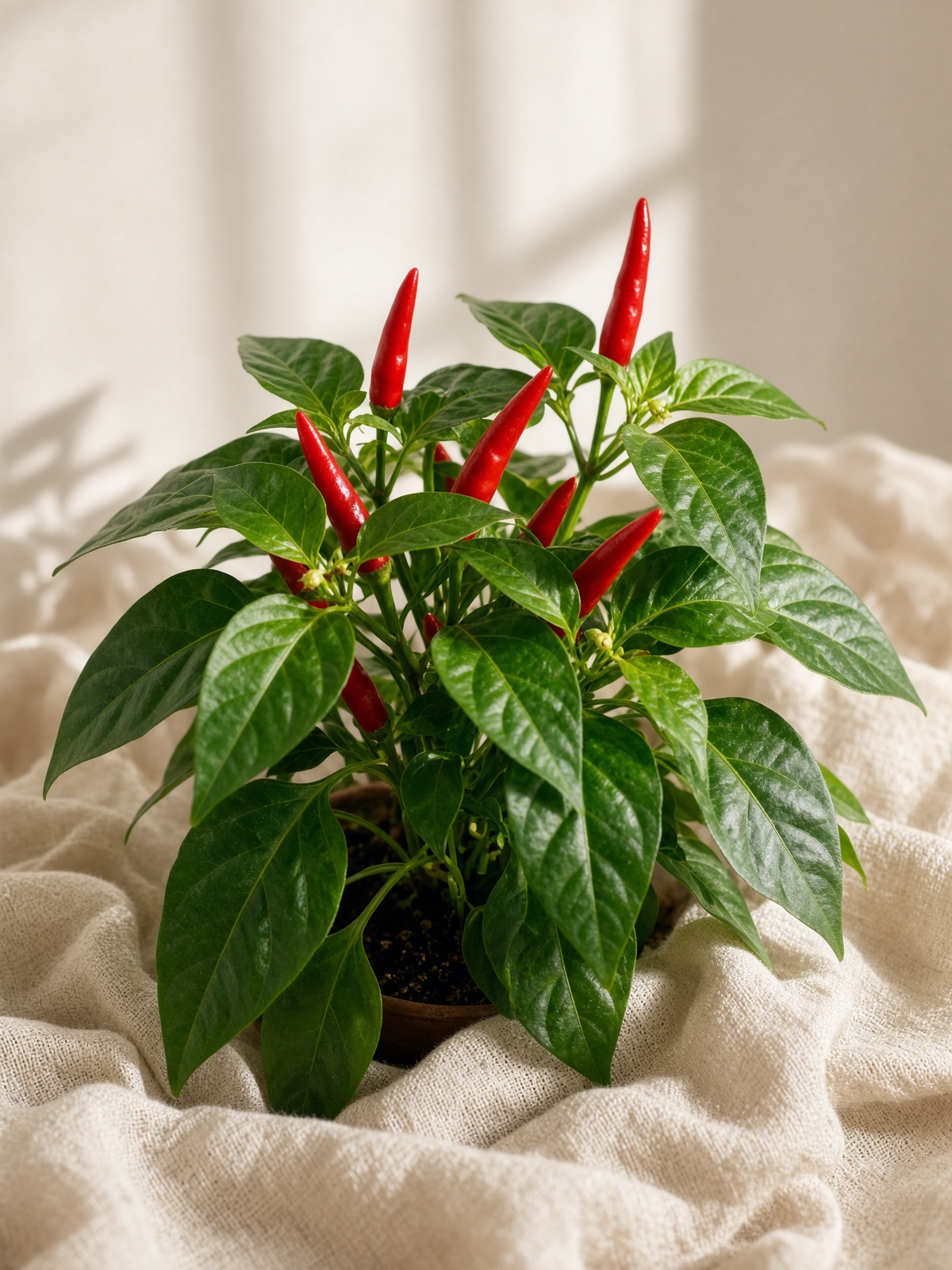 CayenneHuman dataCapsicum annuum
Topical capsaicin for regional wall pain if it is myofascial, not diffuse myopathy.
Typical. Topical to intact skin.
Safety. Burns. Diffuse proximal weakness is not a cream.
Clinical notes
- Red yeast rice is lovastatin. It is not a 'natural statin alternative' after myalgia.
When this is not enough
- CK in the myopathy range, dark urine, true weakness, ACS-range indication with someone stopping the statin for turmeric
Rooted is a private clinical reference for licensed practitioners. It is educational, not a treatment protocol, and not a substitute for the chart, the exam, or pharmacy review. Plant medicines interact with drugs and can harm liver, kidney, heart, pregnancy, and children.