Skin · also Cardiovascular
Stasis dermatitis
5 plants
Ask Assistant about thisMedial gaiter-region eczema on a CVI leg. Compression is the disease-modifier. Horse chestnut (aescin) and gotu kola have human CVI data. Butcher's broom is traditional. Wet, hot, unilateral, febrile is cellulitis. Acute unilateral swelling is DVT until the algorithm says otherwise. Do not put tea tree on venous eczema.
Primary plants
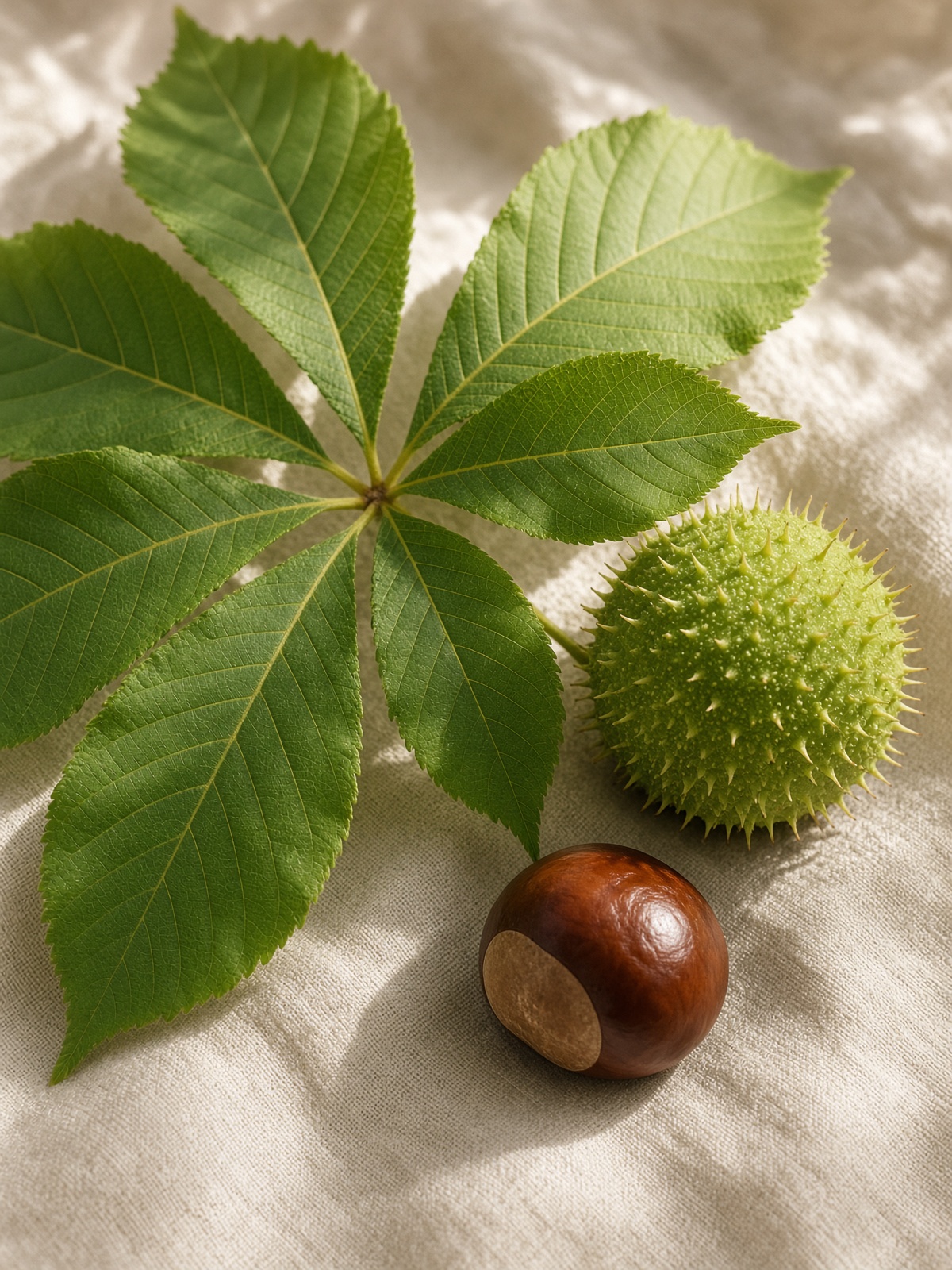 1Horse chestnutHuman data
Aesculus hippocastanum
Aescin-standardized seed extract: human CVI symptom data. Raw seed is toxic.
Typical. Delayed-release seed extract as labeled.
Safety. Raw seed toxic. Exclude DVT. GI. Poor products: nephrotoxicity reports.
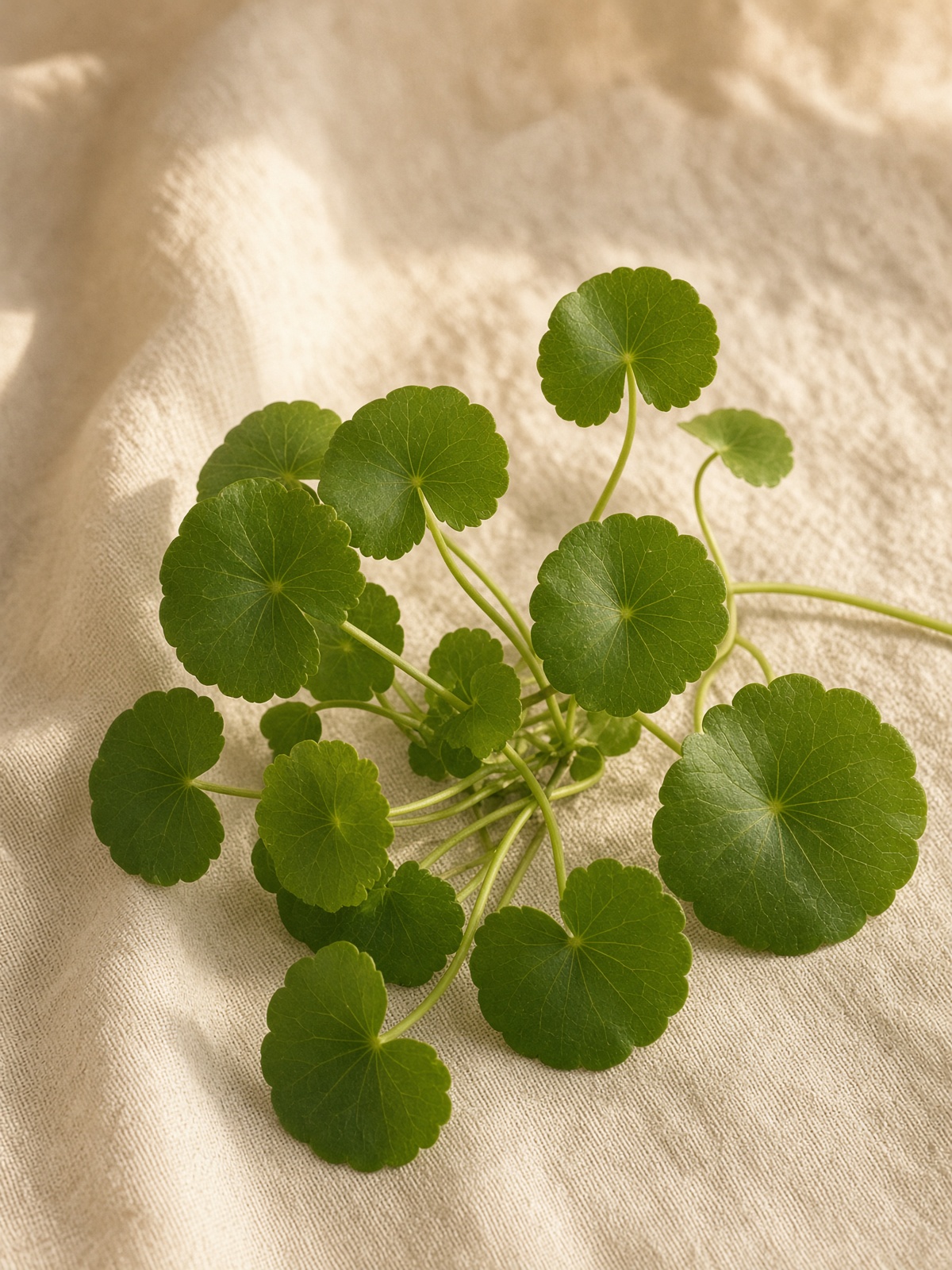 2Gotu kolaHuman data
Centella asiatica
Triterpene extracts have human venous and wound-adjacent data.
Typical. Standardized extract as labeled.
Safety. Rare DILI. Apiaceae.
Supportive plants3
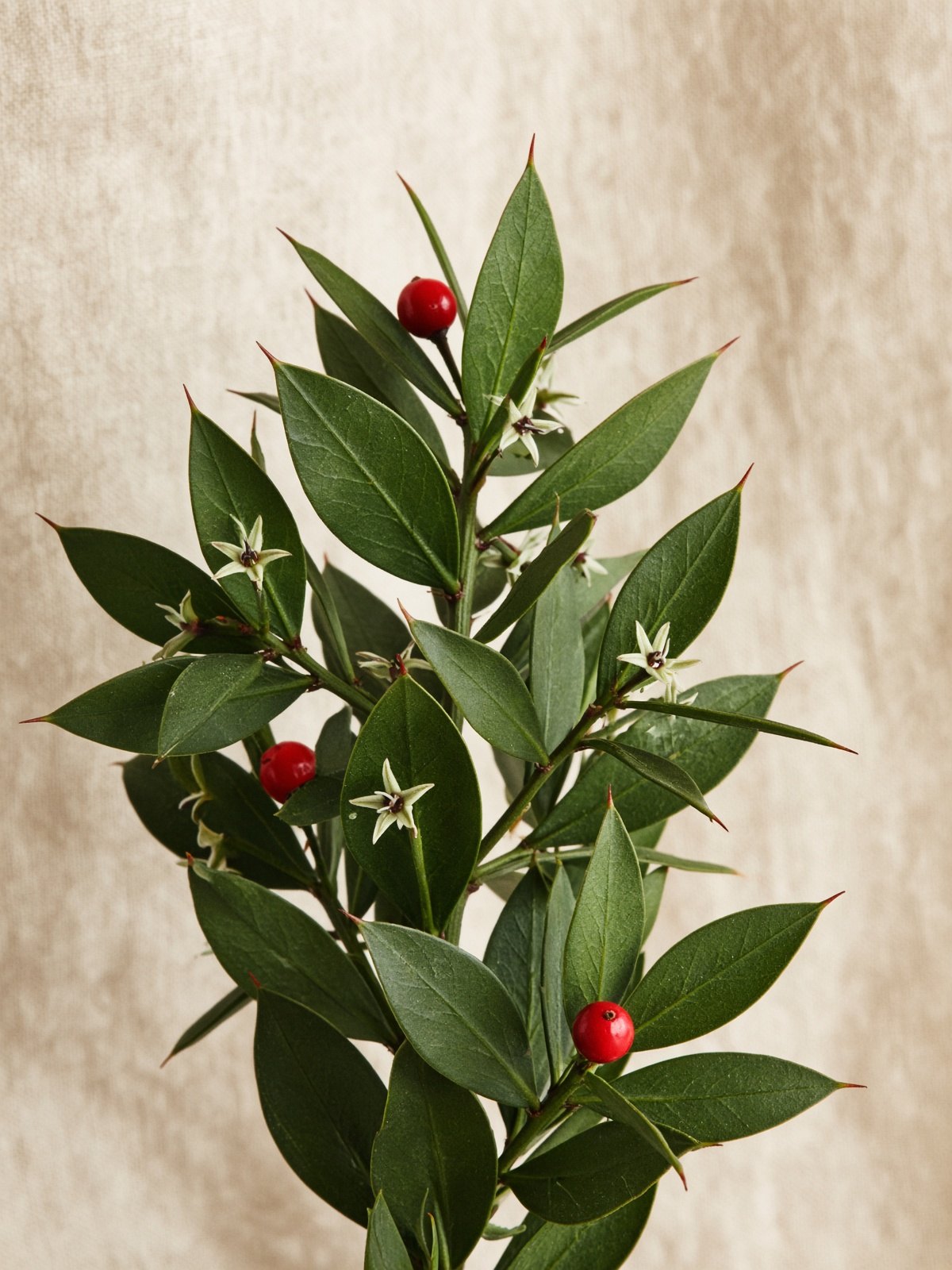 Butcher's broomStrong traditionalRuscus aculeatus
Traditional venous tonic; some European CVI product data.
Typical. Rhizome extract as labeled.
Safety. GI. Not for pregnancy as a default.
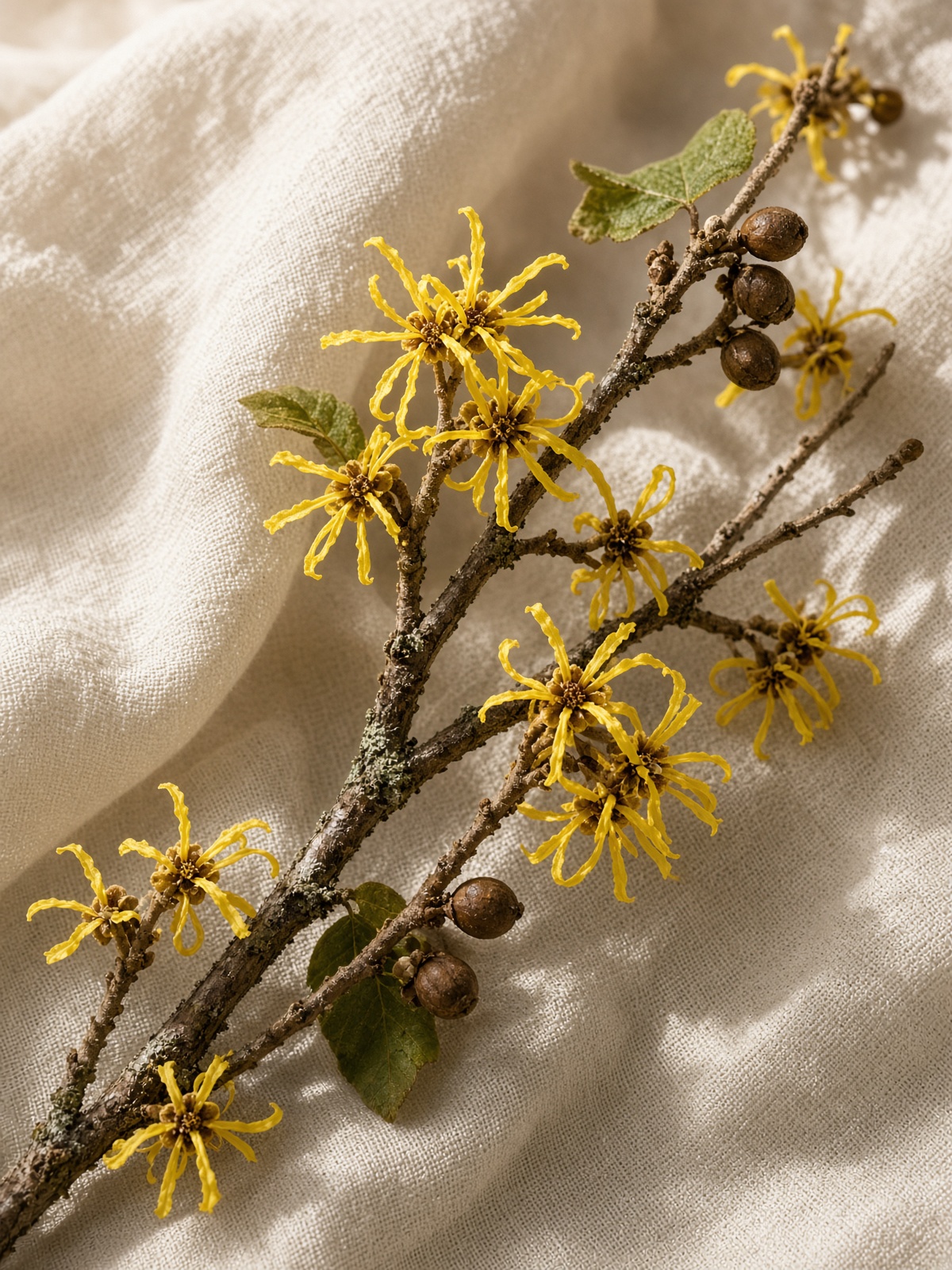 Witch hazelStrong traditionalHamamelis virginiana
Astringent comfort on intact gaiter skin. Not compression.
Typical. Distillate on intact skin.
Safety. Sting on fissures.
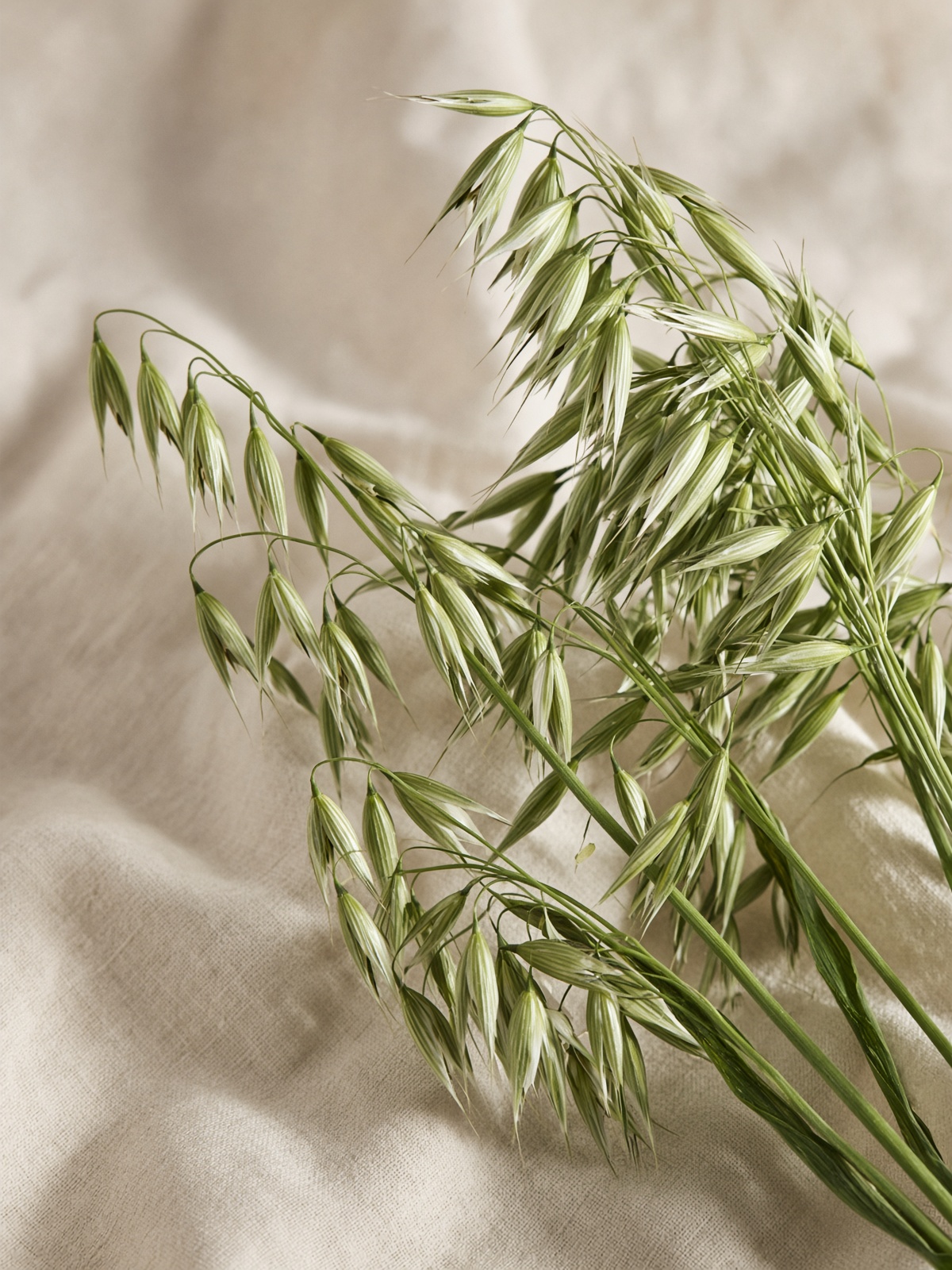 OatHuman dataAvena sativa
Colloidal oatmeal for the eczematous component.
Typical. Cream/bath.
Safety. Sting on cracks.
When this is not enough
- Unilateral hot swelling, fever, ulcer with odor, arterial-insufficient ankle-brachial, suspected DVT
Rooted is a private clinical reference for licensed practitioners. It is educational, not a treatment protocol, and not a substitute for the chart, the exam, or pharmacy review. Plant medicines interact with drugs and can harm liver, kidney, heart, pregnancy, and children.