Skin
Rosacea
4 plants
Ask Assistant about thisCentral facial erythema, flushing, papules, or phymatous change. Alcohol, heat, and spicy food are triggers for a reason — cayenne internally is not a rosacea plan. German chamomile is Asteraceae and can sting. Tea tree is an irritant essential oil. Green-tinted cosmetics and guideline topicals still do more than most botanical creams. Ocular rosacea is ophthalmology.
Primary plants
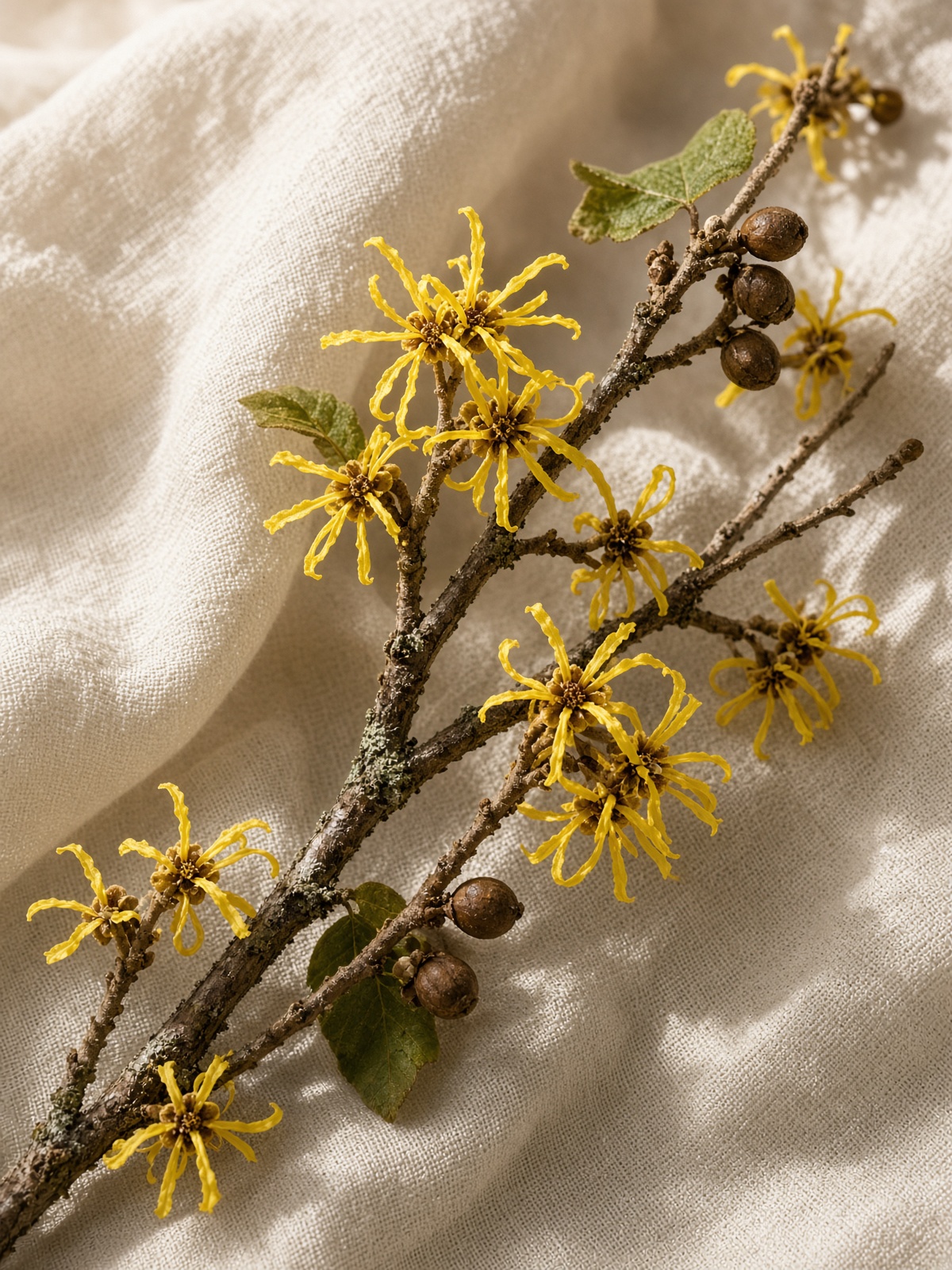 1Witch hazelStrong traditional
Hamamelis virginiana
Distillate as a bland astringent some people tolerate. Alcohol-heavy products sting and can worsen barrier.
Typical. Alcohol-free distillate if used, patch-test.
Safety. Sting. Alcohol vehicles can worsen flushing.
Supportive plants3
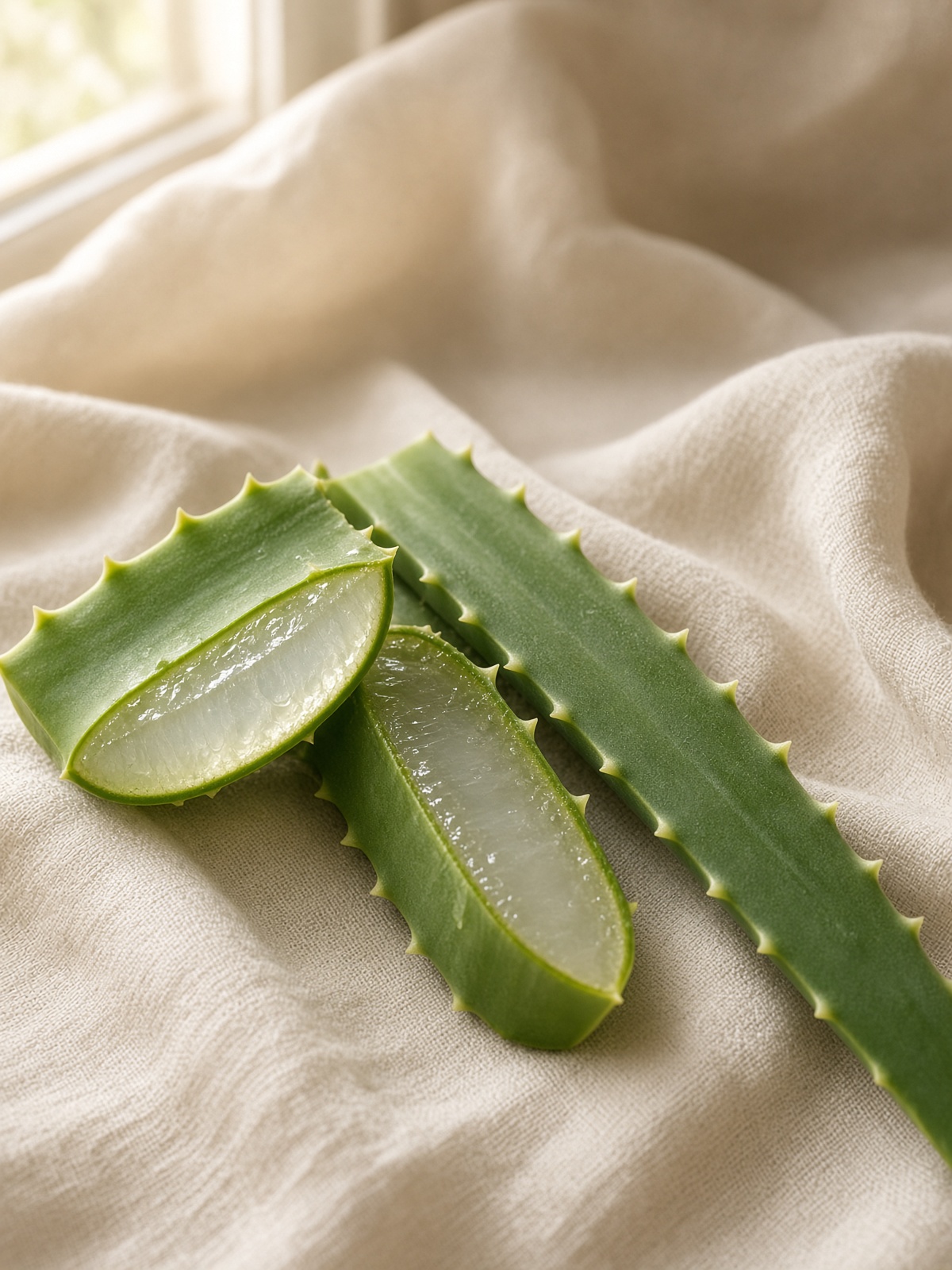 AloeStrong traditionalAloe vera
Inner gel as a bland soother if it does not sting.
Typical. Inner gel, intact skin. Not latex.
Safety. Latex is a laxative. Identity.
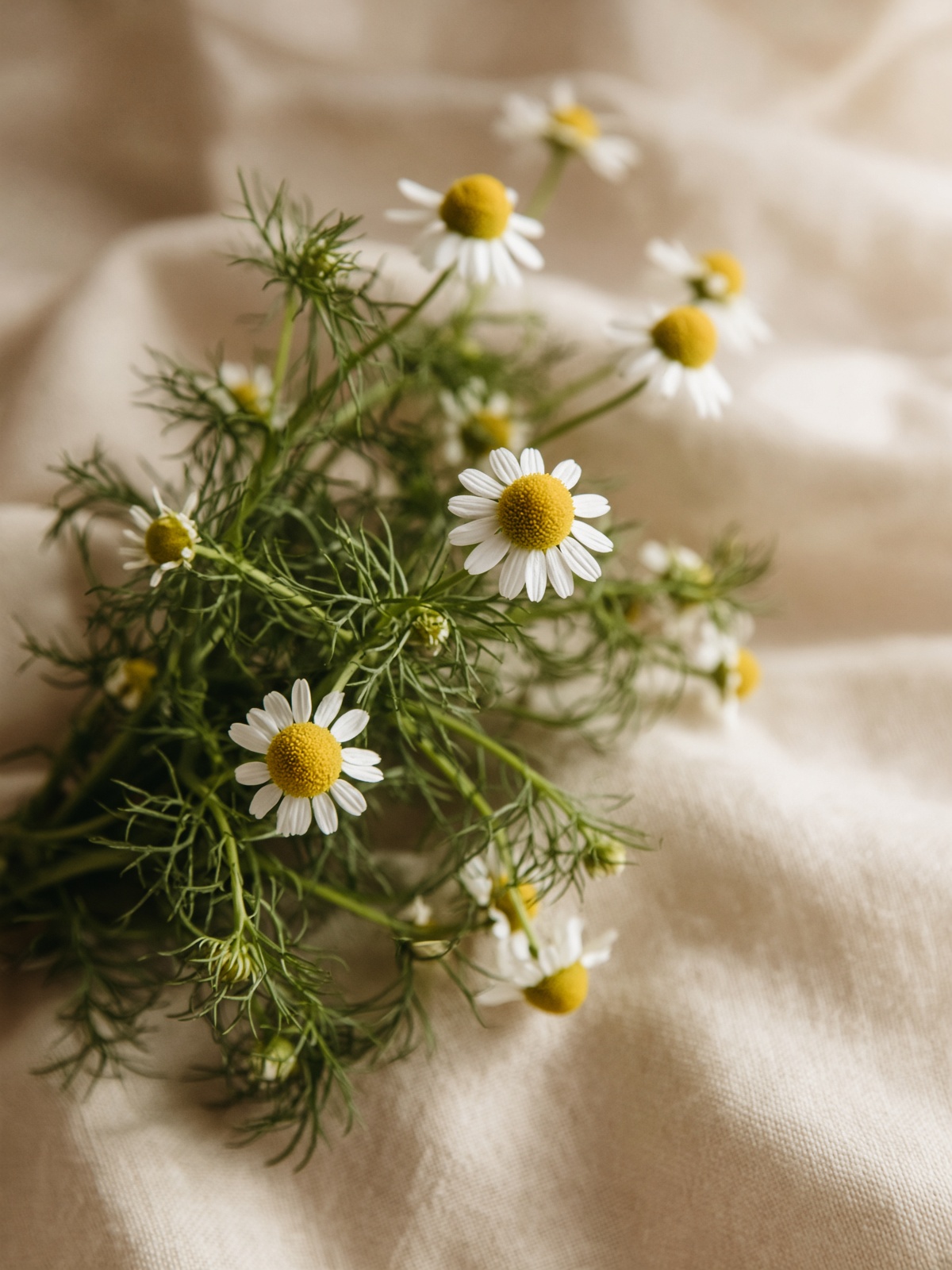 German chamomileStrong traditionalMatricaria chamomilla
Often in 'calming' creams. Asteraceae contact allergy can look like a flare.
Typical. If used, patch-test. Skip if ragweed-allergic.
Safety. Asteraceae.
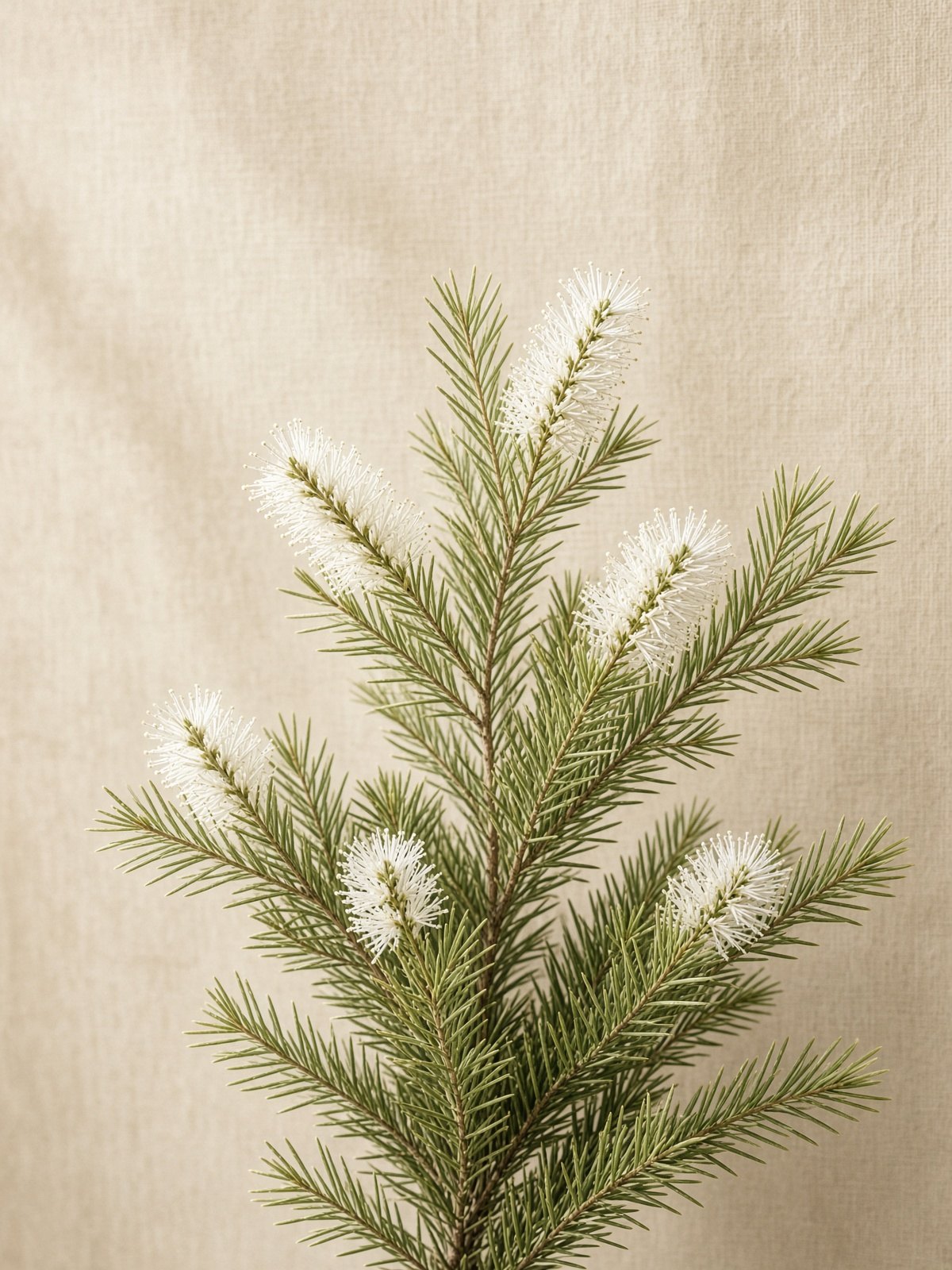 Tea treeStrong traditionalMelaleuca alternifolia
Irritant oil. A poor default on rosacea skin.
Typical. Usually skip.
Safety. Contact dermatitis. Do not swallow.
Clinical notes
- Rhinophyma, ocular pain, or a sudden granulomatous picture is dermatology, not witch hazel.
When this is not enough
- Ocular rosacea with vision threat, suspected lupus malar rash, cellulitis, steroid-induced rosacea needing a taper plan
Rooted is a private clinical reference for licensed practitioners. It is educational, not a treatment protocol, and not a substitute for the chart, the exam, or pharmacy review. Plant medicines interact with drugs and can harm liver, kidney, heart, pregnancy, and children.