Cardiovascular
Raynaud phenomenon
3 plants
Ask Assistant about thisWhite-blue-red digits in the cold. Secondary Raynaud (scleroderma, lupus, vibration, drugs) is a rheumatology/workup problem. Ginkgo has mixed vasospasm data and a bleed cost. Topical cayenne is a burning experiment some people try — evidence is thin and ulcers are a stop. Nicotine and nonselective beta-blockers worsen this more than any plant fixes it.
Primary plants
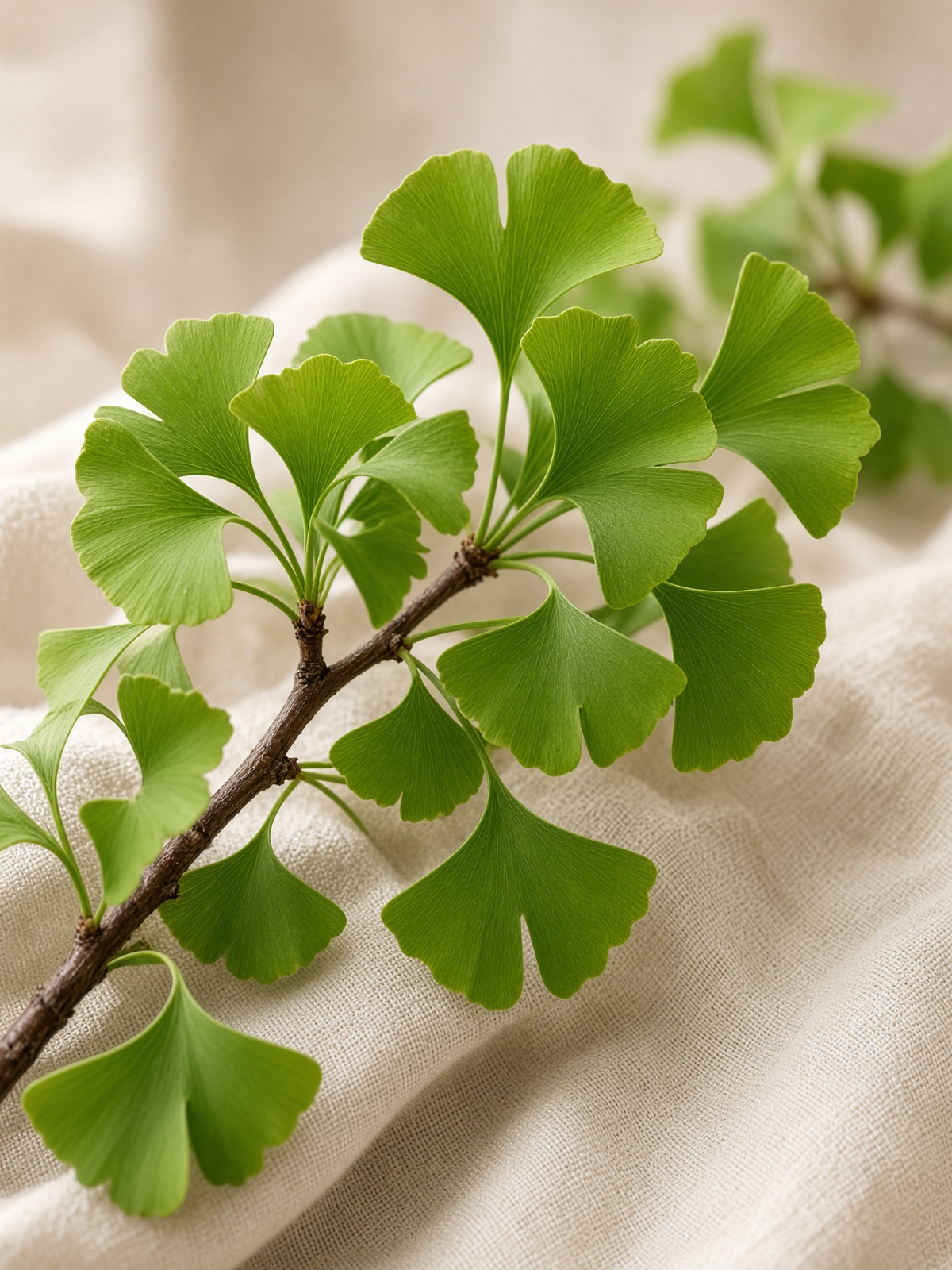 1GinkgoHuman data
Ginkgo biloba
Mixed vasospasm/circulation marketing. Bleed risk. Not a CCB.
Typical. If used at all, know you are borrowing a weak file.
Safety. Bleed, surgery hold.
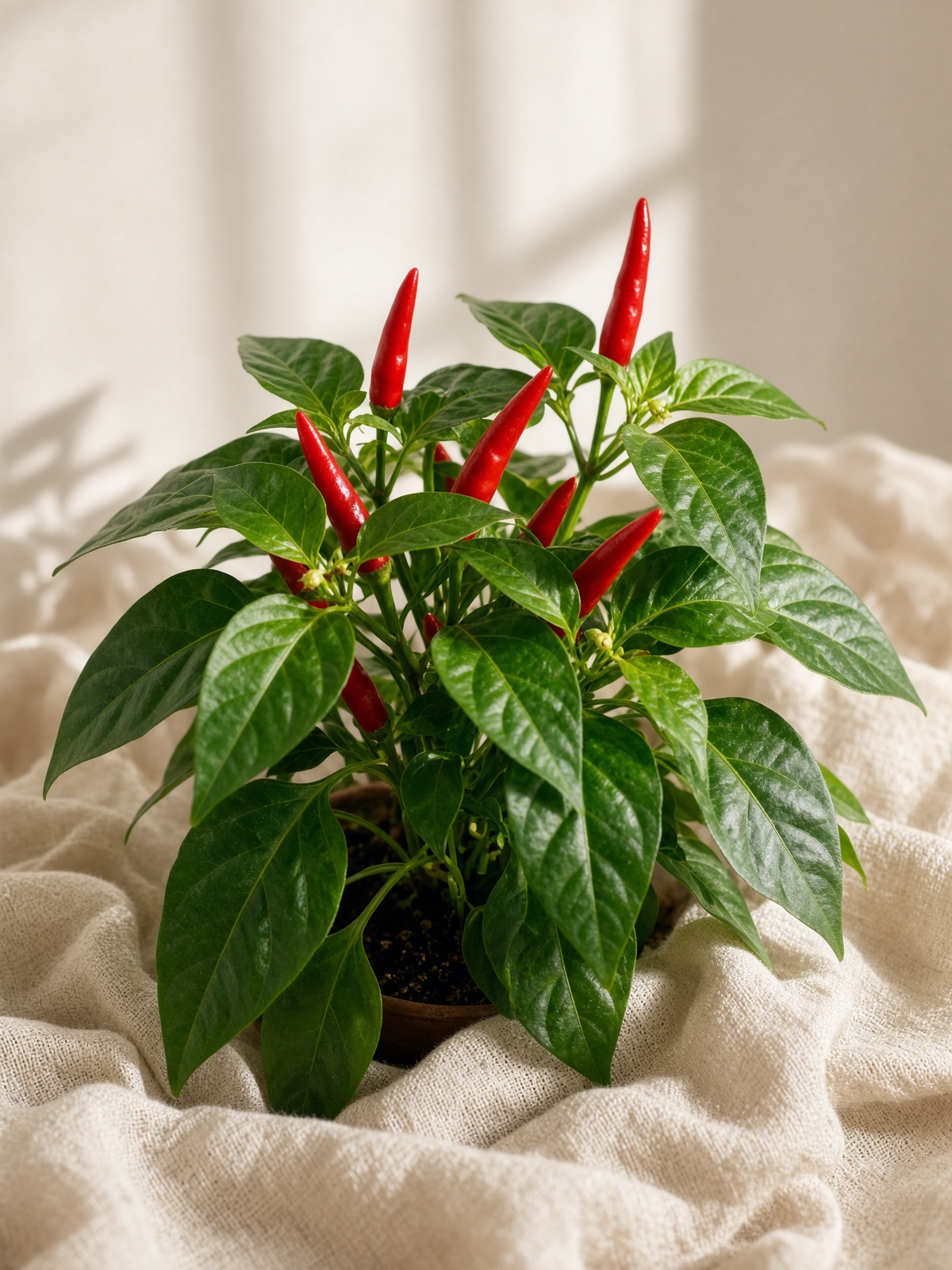 2CayenneStrong traditional
Capsicum annuum
Topical capsaicin folklore for cold hands. Thin file. Do not put it on broken or ulcerated digits.
Typical. If tried, intact skin only, tiny amount, wash hands.
Safety. Burns. Ulcers: no.
Supportive plants1
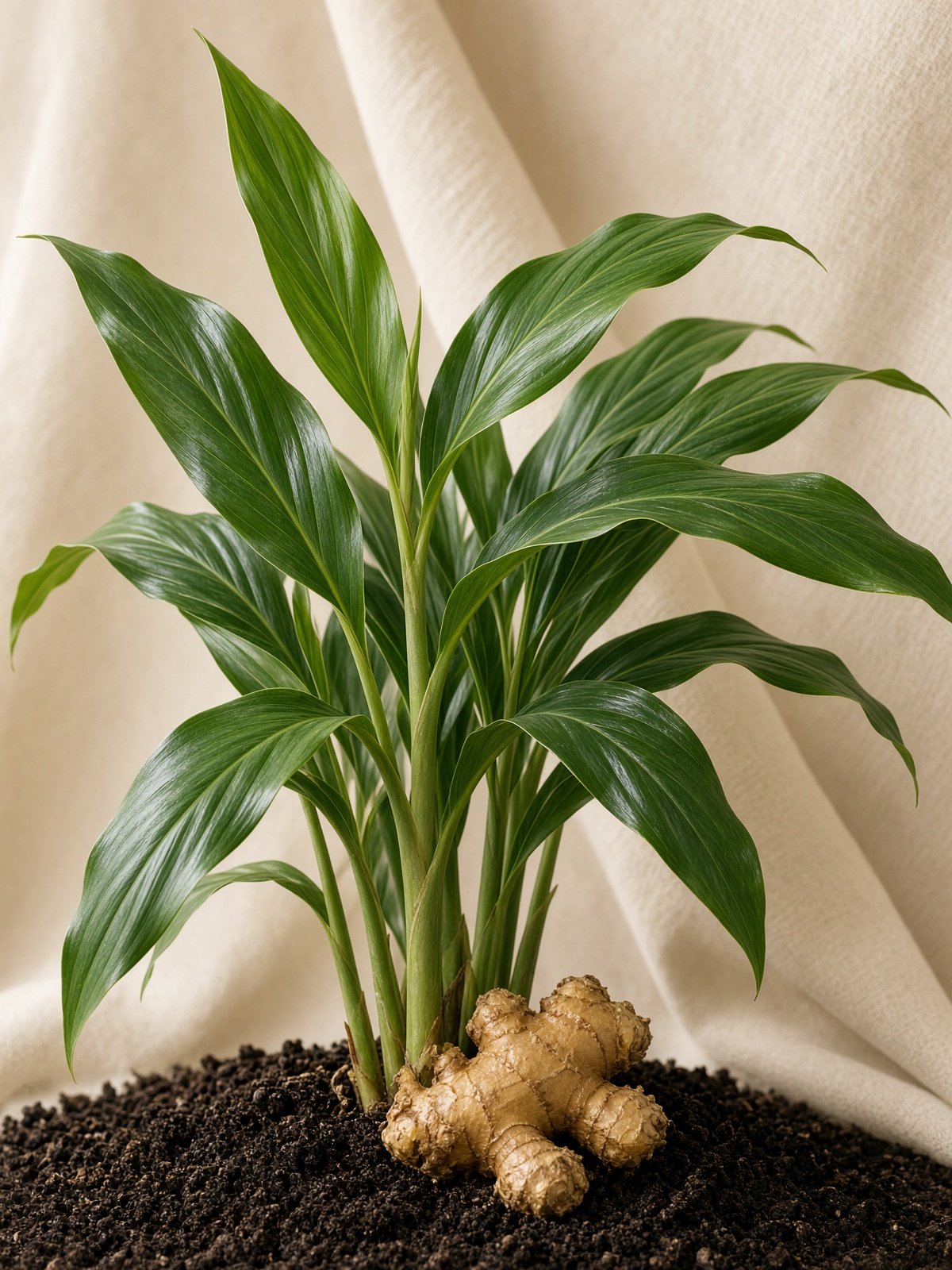 GingerStrong traditionalZingiber officinale
Warming culinary tradition. Not a disease-modifying Raynaud drug.
Typical. Culinary.
Safety. Extract bleeding.
Clinical notes
- Pitting ulcers, puffy fingers, or a positive ANA picture is secondary Raynaud until you look.
When this is not enough
- Digital ulceration/gangrene, suspected scleroderma, asymmetric acute limb ischemia
Rooted is a private clinical reference for licensed practitioners. It is educational, not a treatment protocol, and not a substitute for the chart, the exam, or pharmacy review. Plant medicines interact with drugs and can harm liver, kidney, heart, pregnancy, and children.