Women’s Health · also Digestive
Nausea of pregnancy
3 plants
Ask Assistant about thisCulinary-range ginger has human NVP data. Megadose extract is not the trial and is a bleeding conversation. Peppermint is sensory. This is not permission to skip fluids, ketones, or obstetric antiemetics. Feverfew, goldenseal, and senna do not belong here.
Primary plants
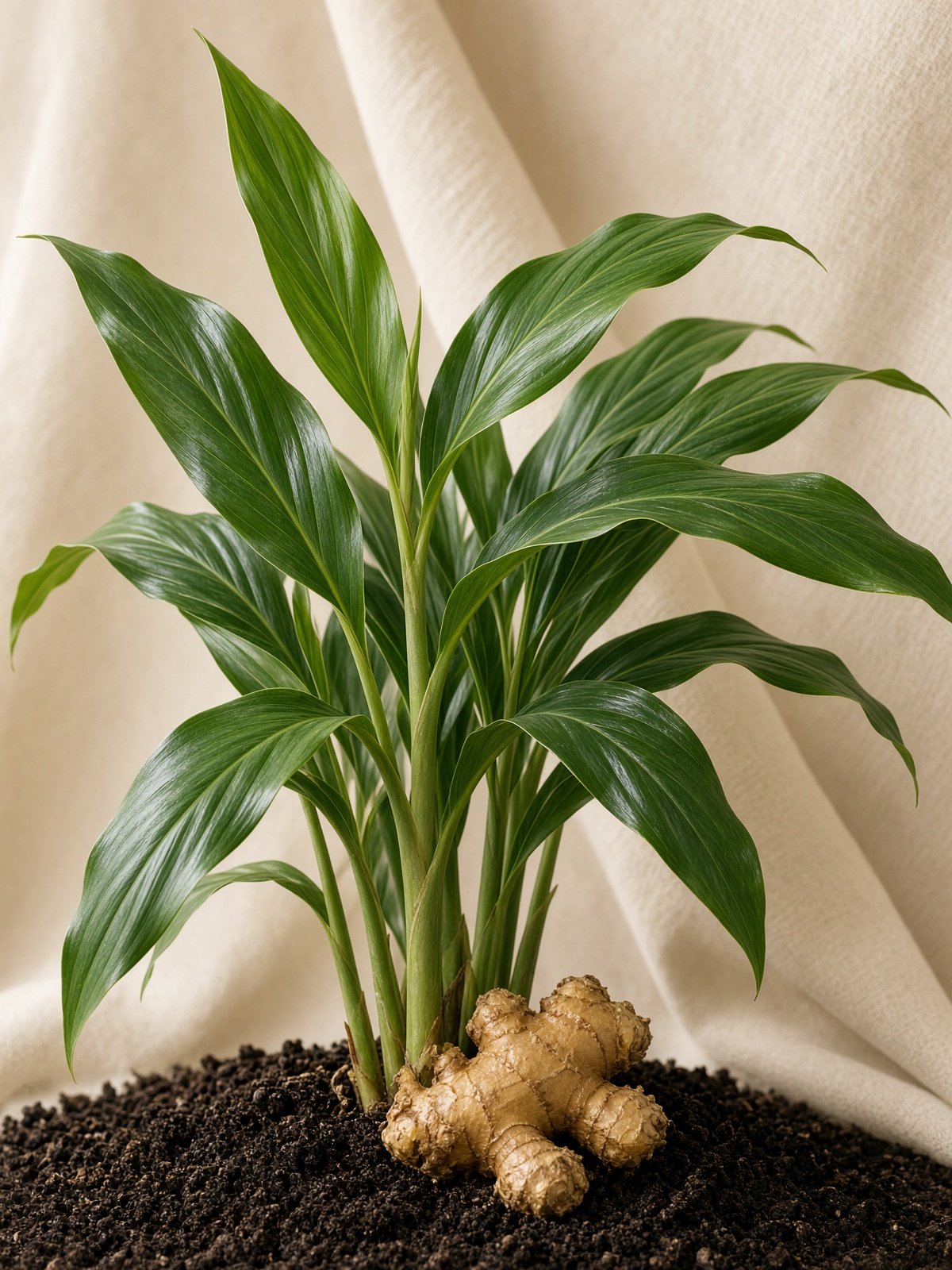 1GingerHuman data
Zingiber officinale
Best-studied plant antiemetic, including NVP trials at modest dried-rhizome doses.
Typical. Educational trial range often ~1 g/day divided; culinary ginger is the usual start. Not megadose extract. OB in the loop.
Safety. Extracts: bleeding. Pregnancy: culinary/studied doses with OB input — not megadose extract.
Supportive plants2
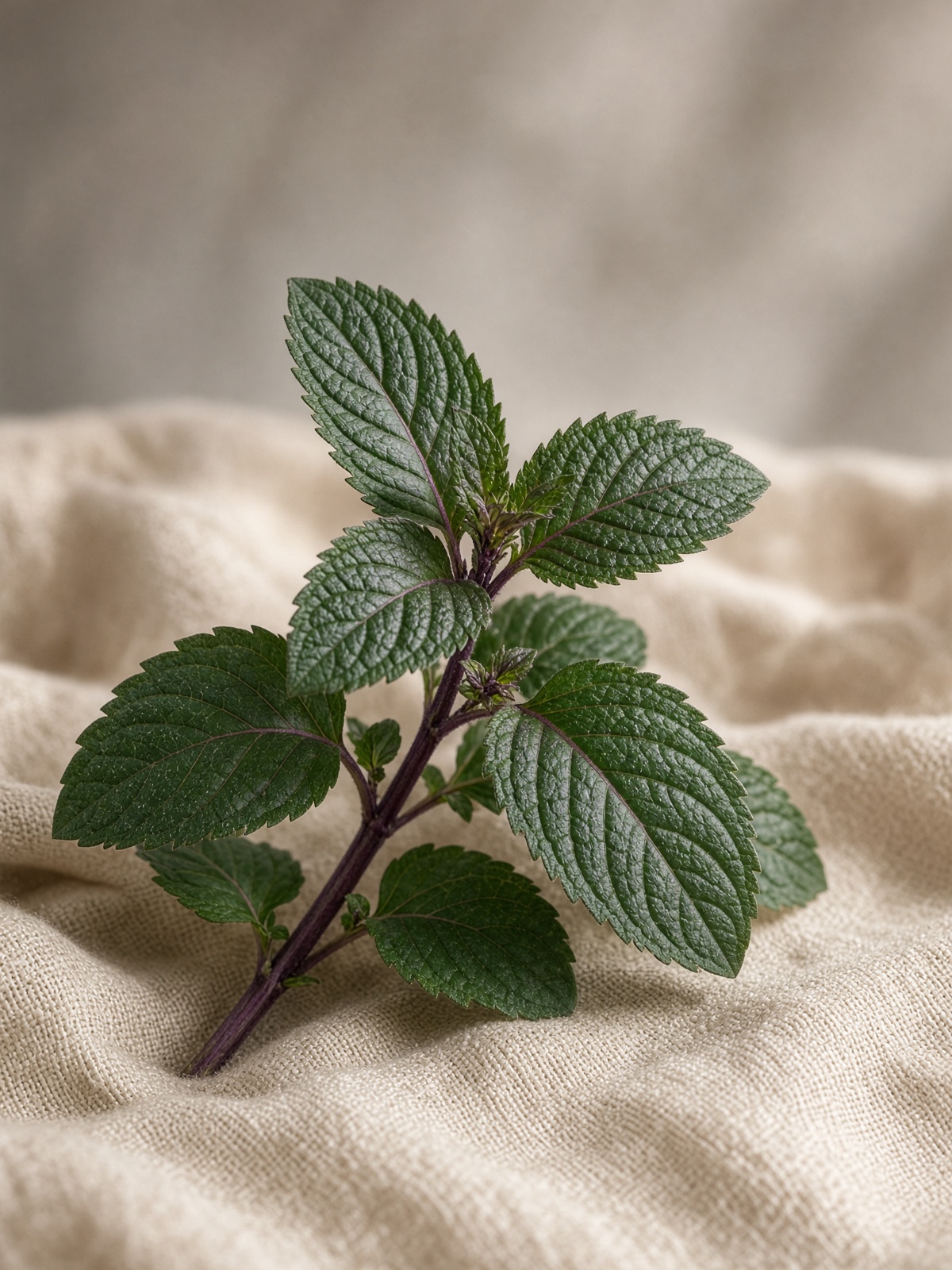 PeppermintStrong traditionalMentha × piperita
Inhaled or weak tea for queasiness.
Typical. Inhaled oil or leaf tea.
Safety. GERD. Infants: no oil — irrelevant here but the oil still is not for internal megadose.
 German chamomileStrong traditionalMatricaria chamomilla
Soothing tea when nausea is tension-related. Food-like tea, not an extract protocol.
Typical. Flower tea.
Safety. Asteraceae.
Clinical notes
- Weight loss, ketones, and inability to keep water down are hyperemesis — not under-dosed ginger.
When this is not enough
- Hyperemesis, dehydration, abdominal pain (rule out other OB/surgical causes), bleeding
Rooted is a private clinical reference for licensed practitioners. It is educational, not a treatment protocol, and not a substitute for the chart, the exam, or pharmacy review. Plant medicines interact with drugs and can harm liver, kidney, heart, pregnancy, and children.