Digestive
Nausea (non-acute)
3 plants
Ask Assistant about thisPost-op, pregnancy, and motion-sickness literature exists for ginger at modest effect sizes. This page is not for bowel obstruction, raised ICP, or uncontrolled chemo emesis.
Primary plants
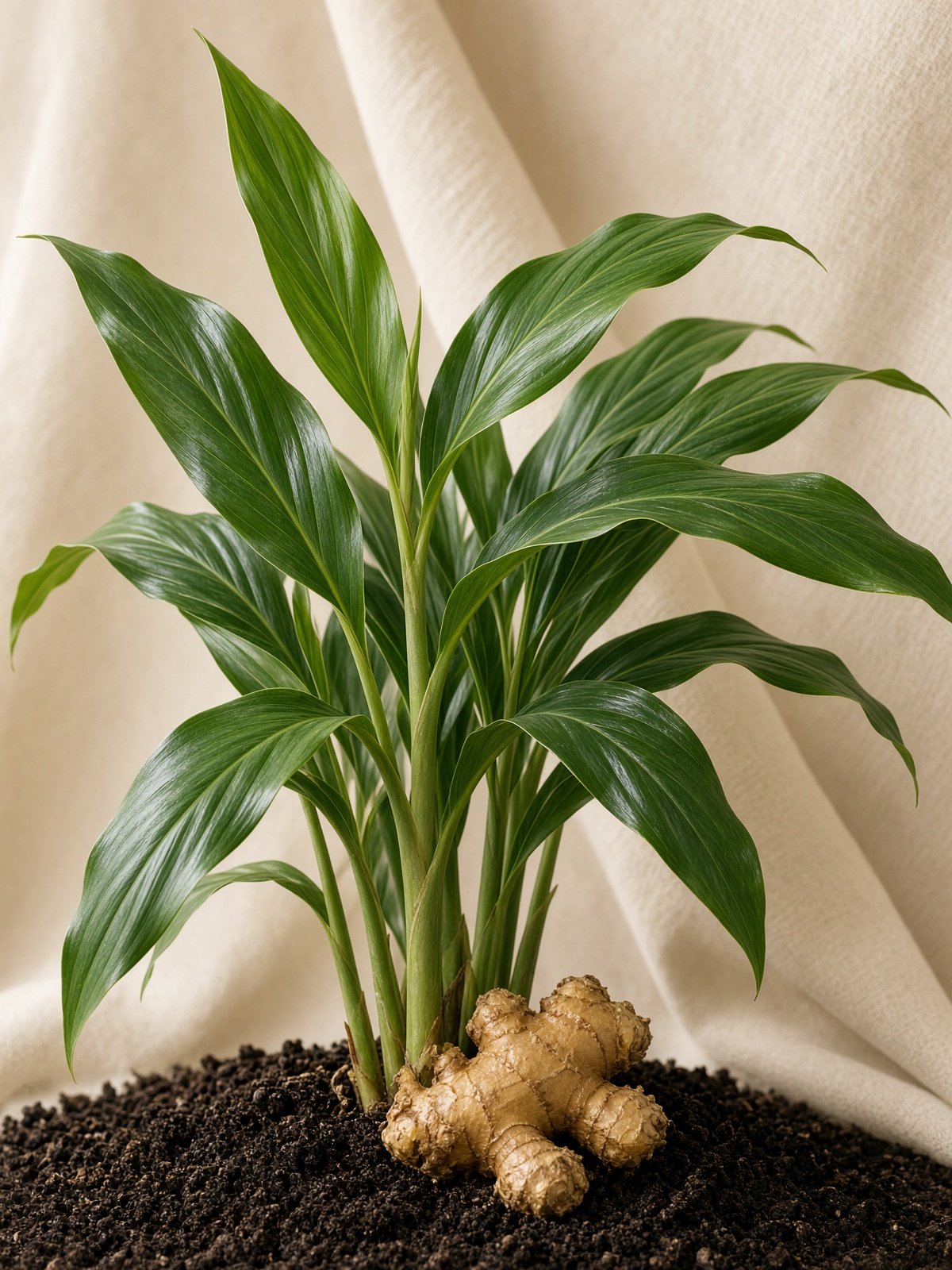 1GingerHuman data
Zingiber officinale
Best-studied plant antiemetic. Modest, real, preparation-dependent.
Typical. Dried rhizome ~1–2 g/day in divided doses (ESCOP / Commission E nausea ranges).
Safety. Extracts: bleeding. Pregnancy: culinary/studied doses with OB input — not megadose extract.
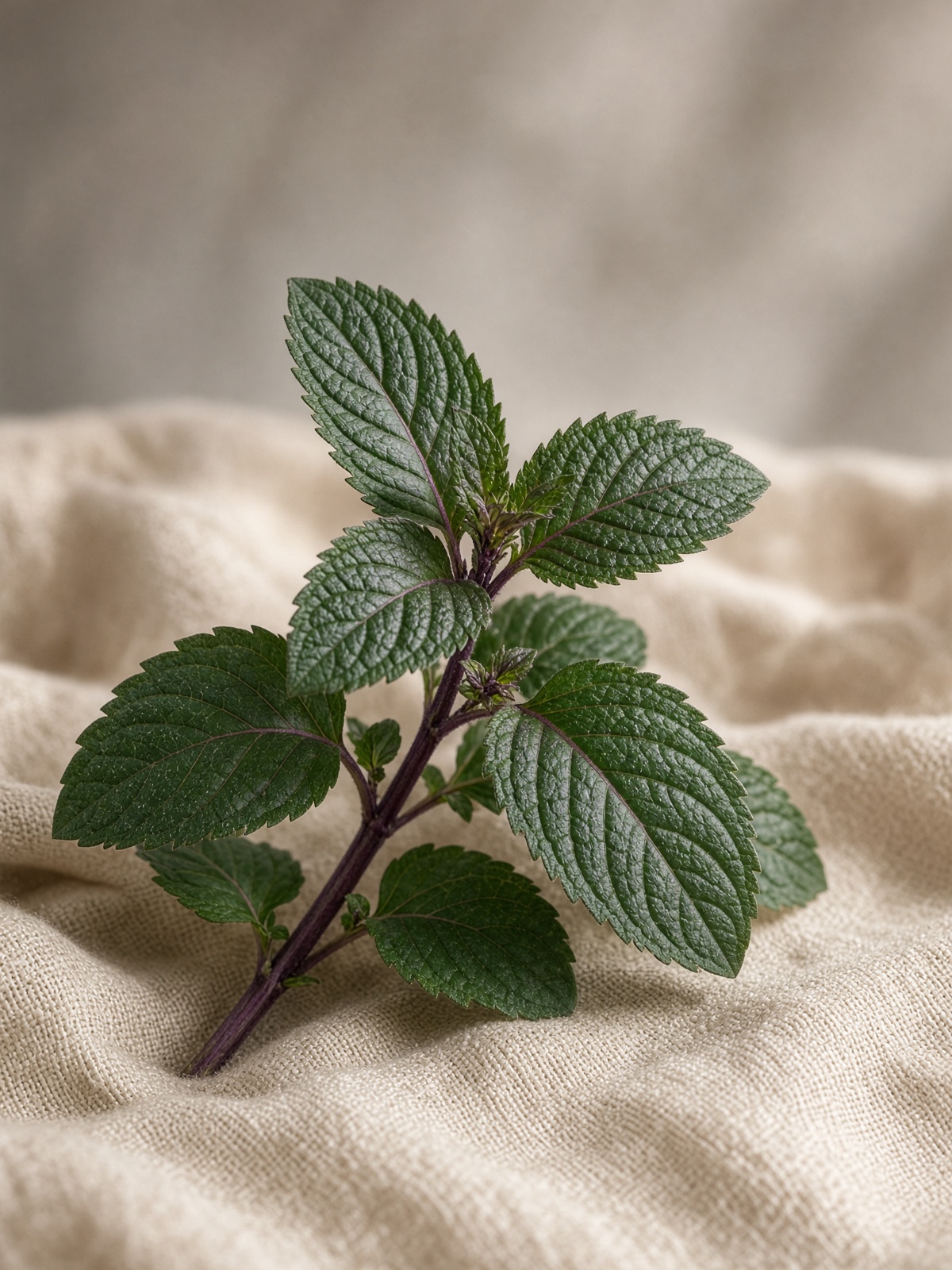 2PeppermintStrong traditional
Mentha × piperita
Inhaled or weak tea for queasiness. Oil internally is not first-line for nausea.
Typical. Inhaled oil or leaf tea.
Safety. GERD, infants.
Supportive plants1
 German chamomileStrong traditionalMatricaria chamomilla
Soothing tea when nausea is tension-related.
Typical. Flower tea.
Safety. Asteraceae.
When this is not enough
- Acute abdomen, head injury, uncontrolled diabetes, chemo protocol, pregnancy with pain/bleeding
Rooted is a private clinical reference for licensed practitioners. It is educational, not a treatment protocol, and not a substitute for the chart, the exam, or pharmacy review. Plant medicines interact with drugs and can harm liver, kidney, heart, pregnancy, and children.