Cardiovascular
Mild essential hypertension (adjunct)
3 plants
Ask Assistant about thisGarlic has modest SBP data. Hawthorn has CHF/HTN-adjacent data and digoxin/BP stacking issues. Licorice raises BP — take it off. These do not replace a thiazide when you need one.
Primary plants
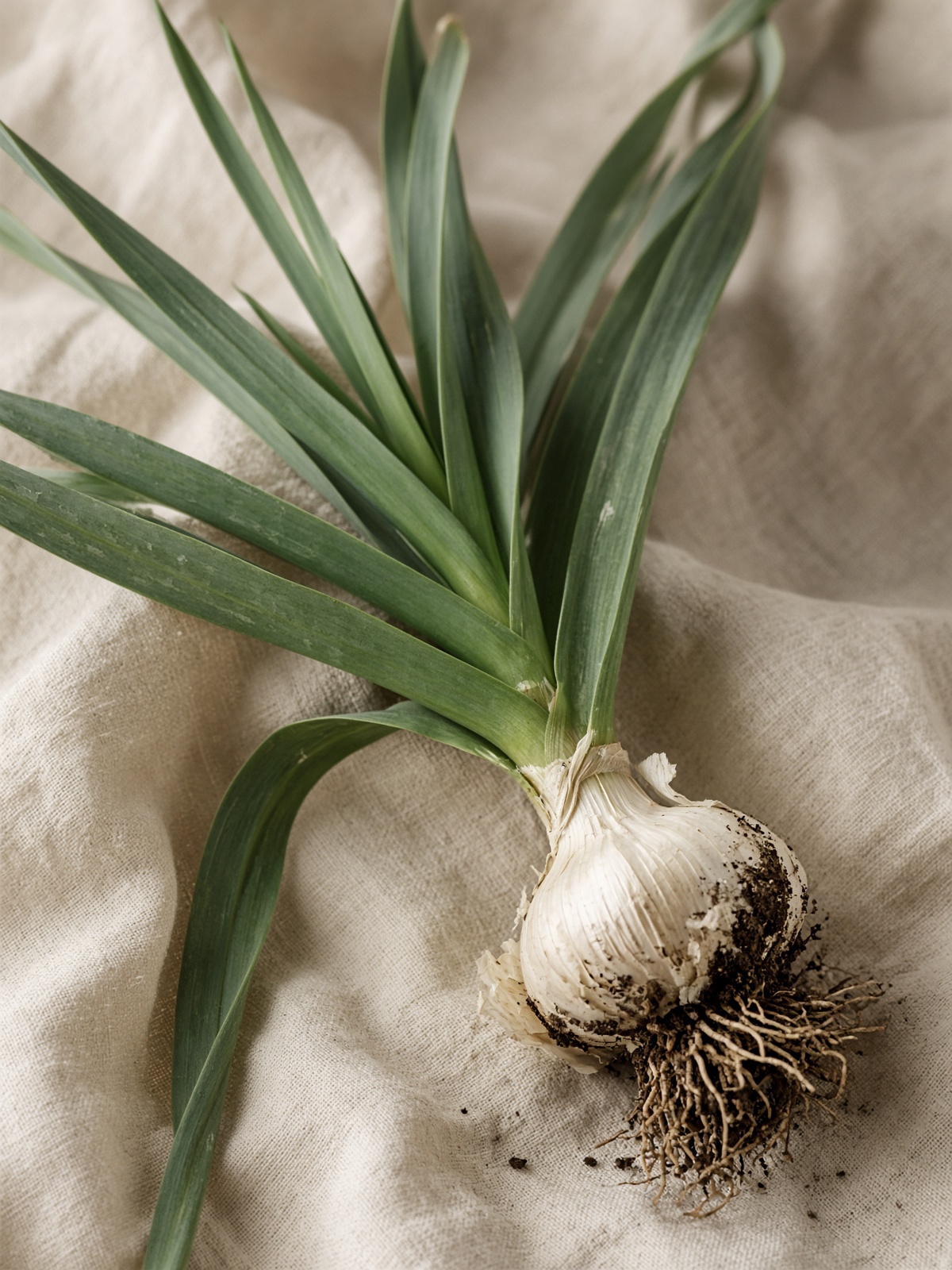 1GarlicHuman data
Allium sativum
Aged extracts have modest SBP-lowering human data. Culinary clove ≠ extract.
Typical. Aged garlic extract as studied (often 600–900 mg/day). Food is weaker.
Safety. Bleeding at extract dose. Stop before surgery. Odor.
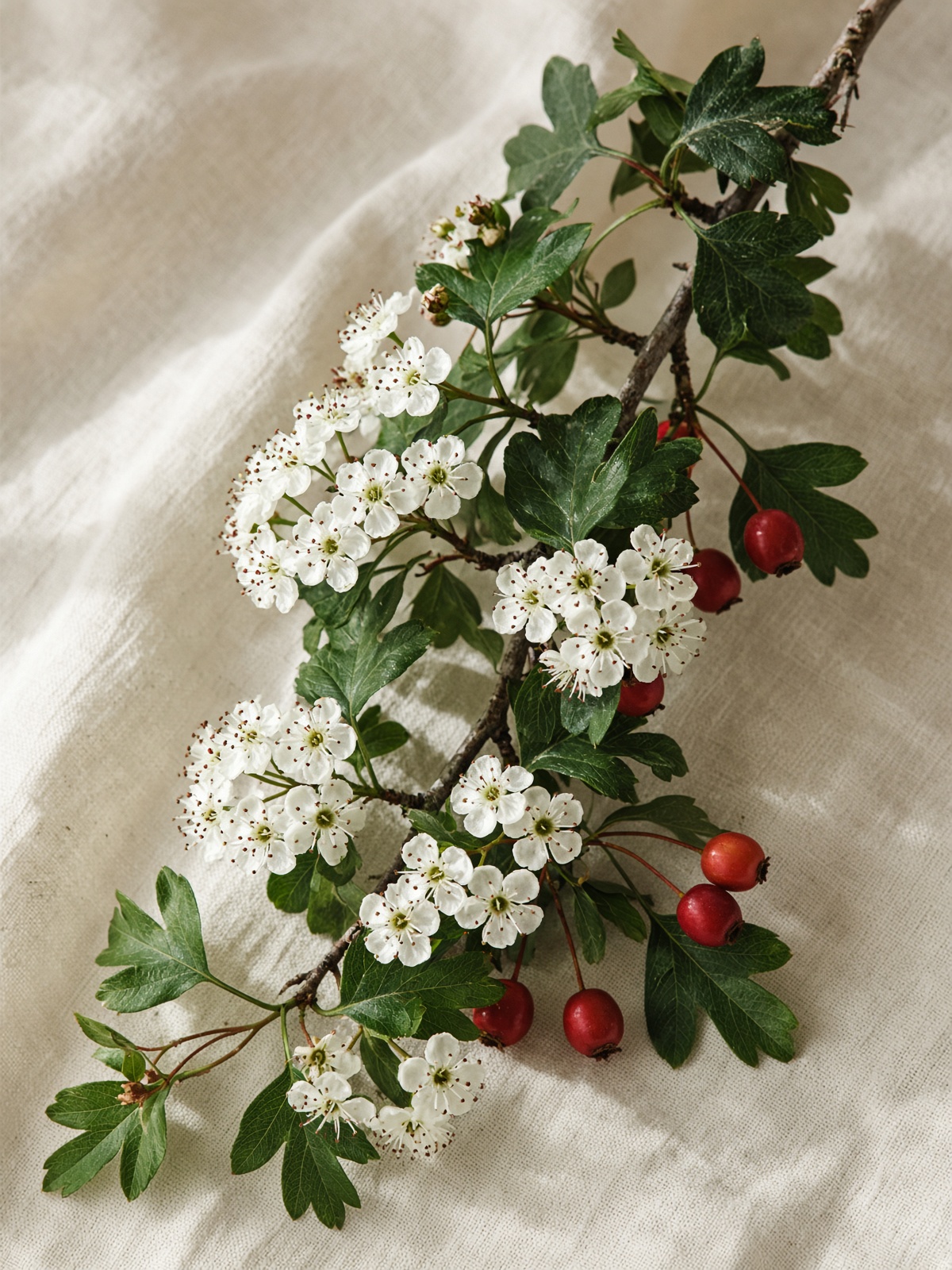 2HawthornHuman data
Crataegus monogyna
Crataegus has human data in mild HF/HTN-adjacent symptoms. Potentiates hypotensives and possibly glycosides.
Typical. Leaf/flower extract as in European trials (often 300–900 mg/day WS 1442-type).
Safety. Hypotension stacking. Digoxin caution. Not a hypertensive emergency plant.
Supportive plants1
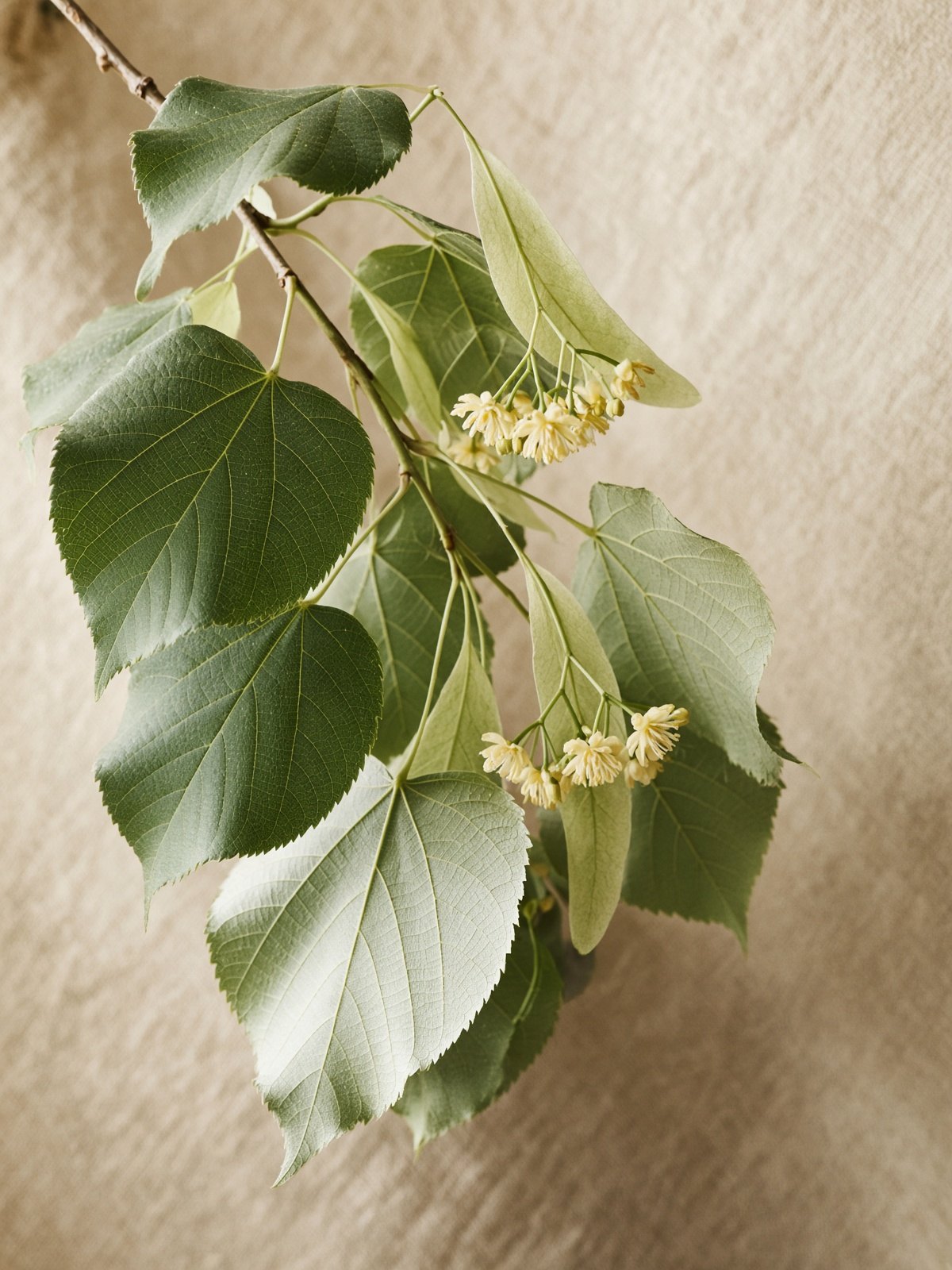 LindenStrong traditionalTilia cordata
Traditional calming diaphoretic tea for 'nervous' BP bumps. Evidence traditional.
Typical. Flower tea.
Safety. Allergy rare.
Clinical notes
- Licorice, yohimbe, ma huang, and bitter orange push the wrong direction.
When this is not enough
- Crisis-range BP, end-organ symptoms, pregnancy HTN, secondary HTN not evaluated
Rooted is a private clinical reference for licensed practitioners. It is educational, not a treatment protocol, and not a substitute for the chart, the exam, or pharmacy review. Plant medicines interact with drugs and can harm liver, kidney, heart, pregnancy, and children.