Digestive
Hemorrhoids
4 plants
Ask Assistant about thisFiber and sitting in water still do more than most bottles. Psyllium with water is the intervention with a mechanism. Distillate pads comfort external skin. Horse-chestnut aescin is a CVI file borrowed for venous tone — raw seed is toxic. A purple, exquisitely painful lump is thrombosis until you look.
Primary plants
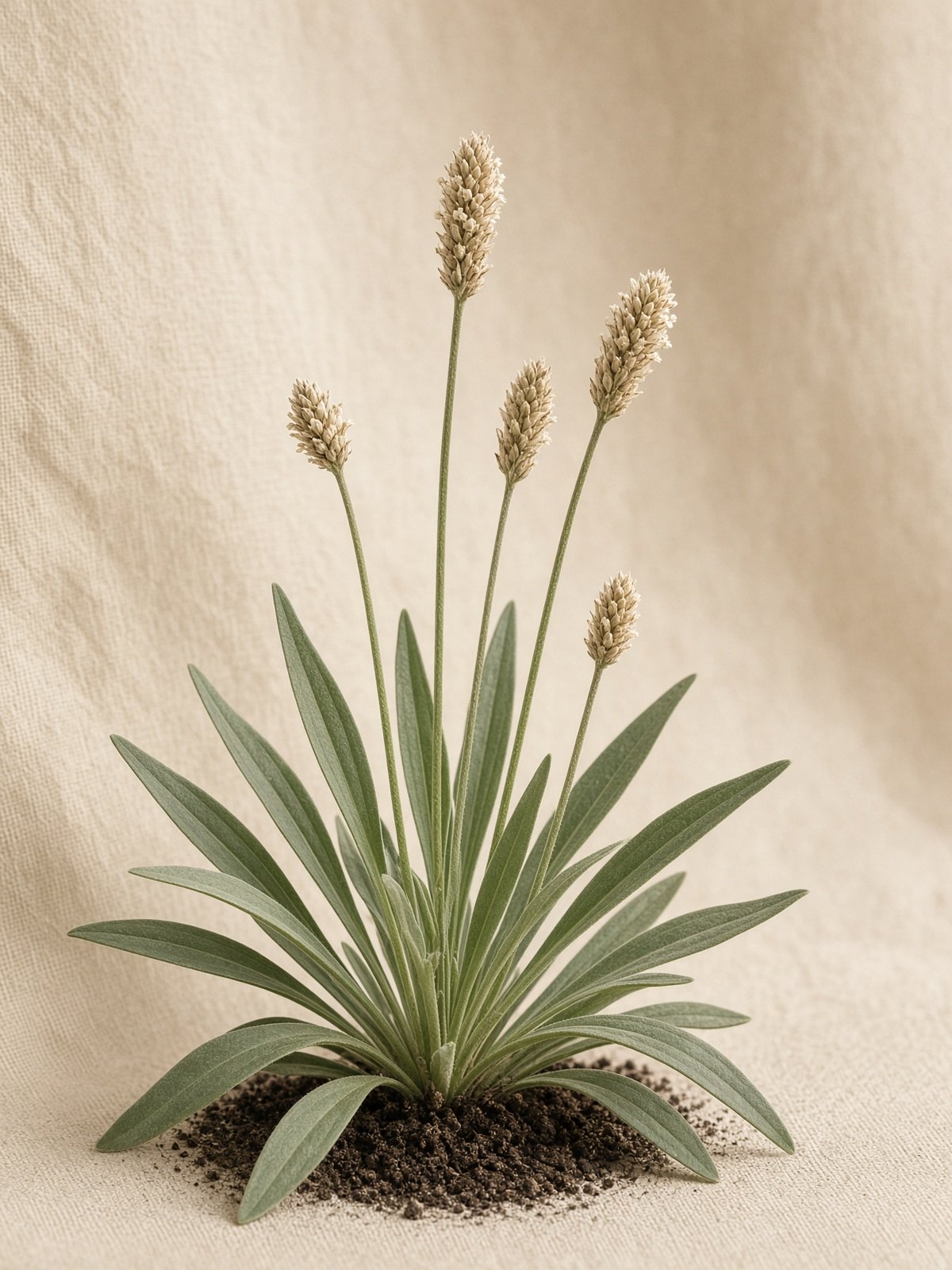 1PsylliumHuman data
Plantago ovata
Softens stool and cuts straining — the intervention with the cleanest rationale.
Typical. 5–10 g/day with a full glass of water, titrate.
Safety. Obstruction if dry. Binds meds 2 h.
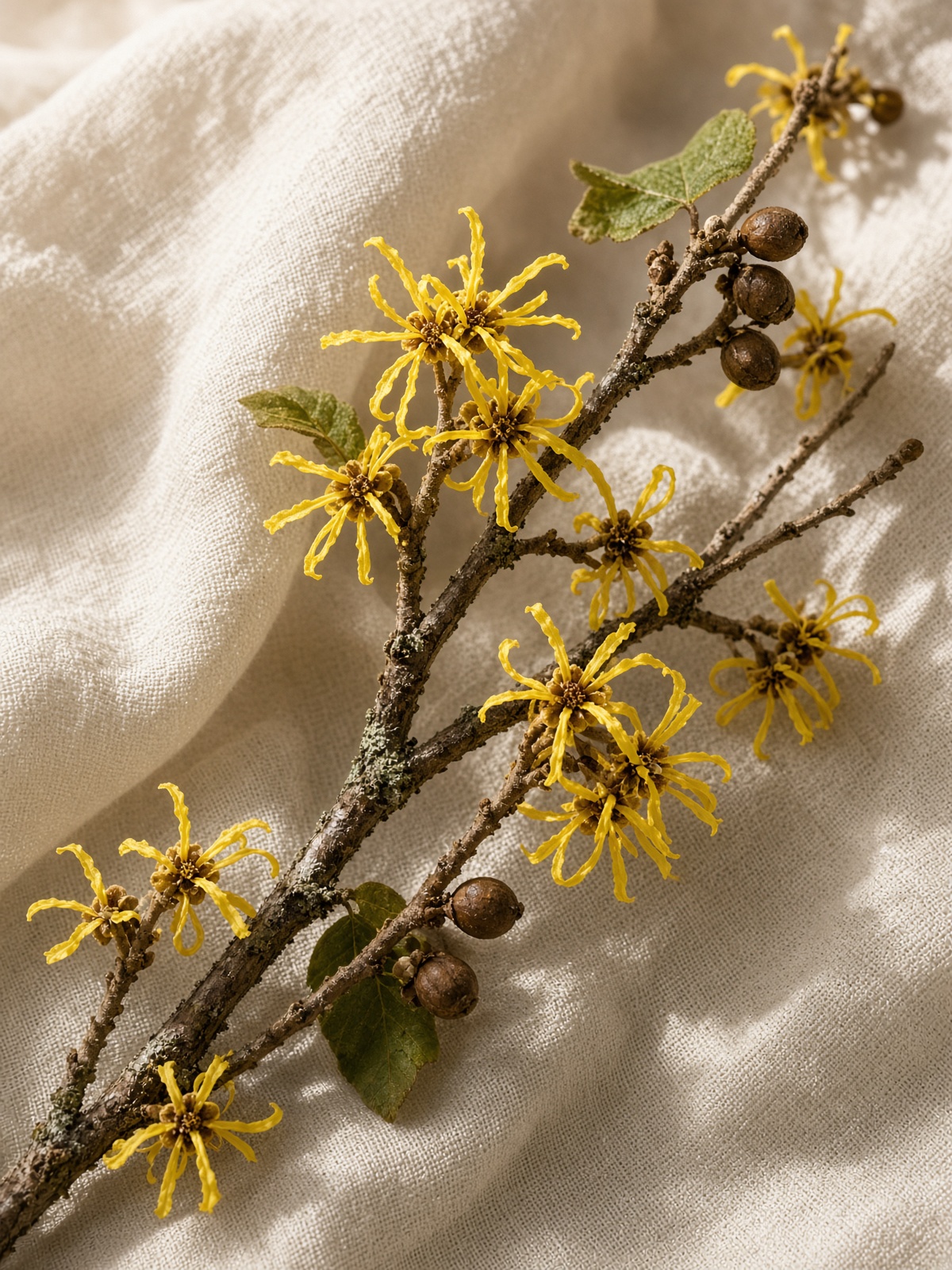 2Witch hazelStrong traditional
Hamamelis virginiana
Distillate pads: astringent comfort for external piles. Not a substitute for a thrombosed exam.
Typical. Distillate compress or pad, external only.
Safety. Do not inject or use internally as a procedure. Irritation if overused.
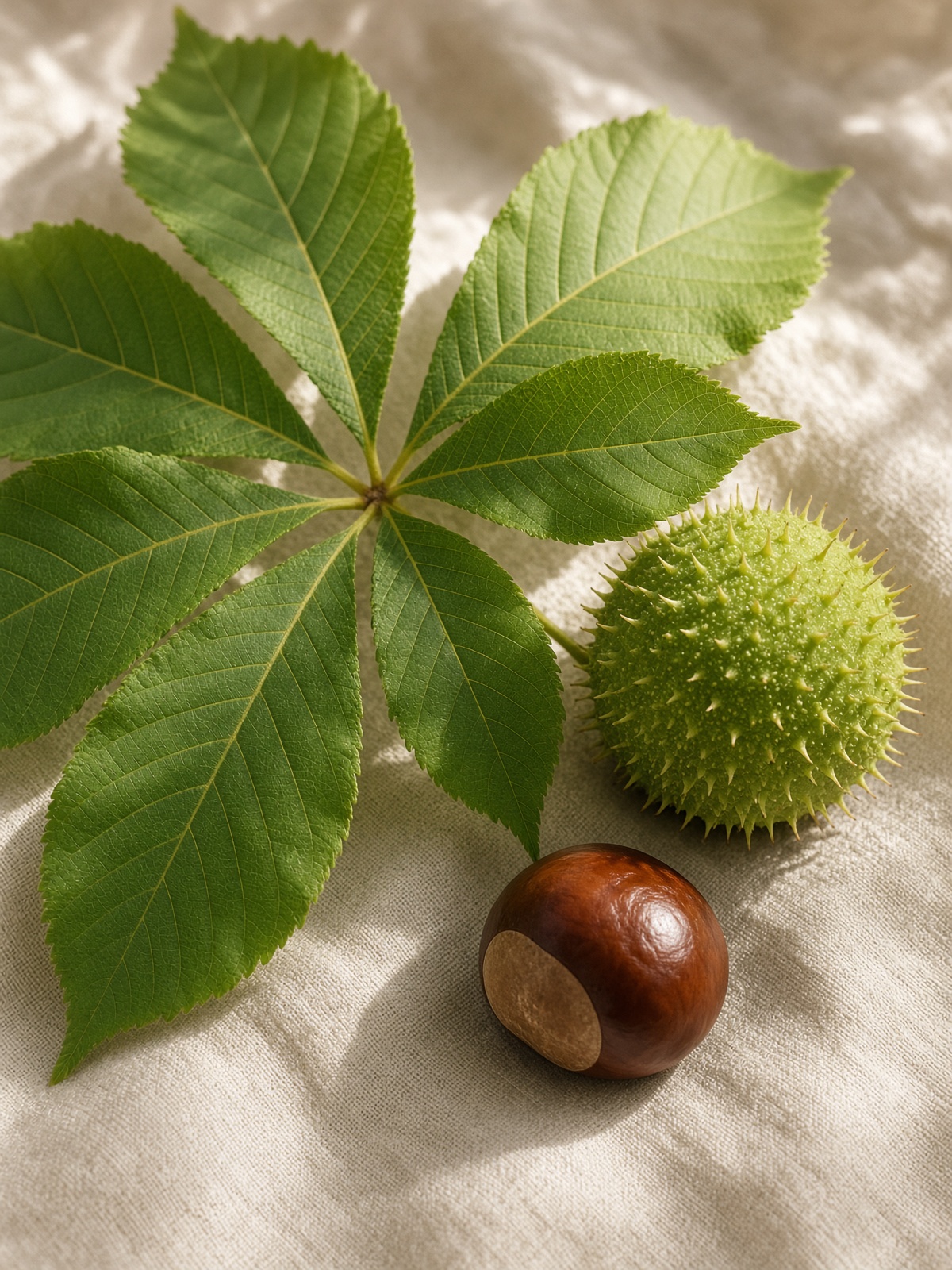 3Horse chestnutHuman data
Aesculus hippocastanum
Aescin has human CVI data that is borrowed here for venous tone. Seed extract, never raw seed.
Typical. Delayed-release seed extract as labeled (escin products).
Safety. Raw seed is toxic. GI. Nephrotoxicity reports with poorly prepared products. Bleeding theoretical.
Supportive plants1
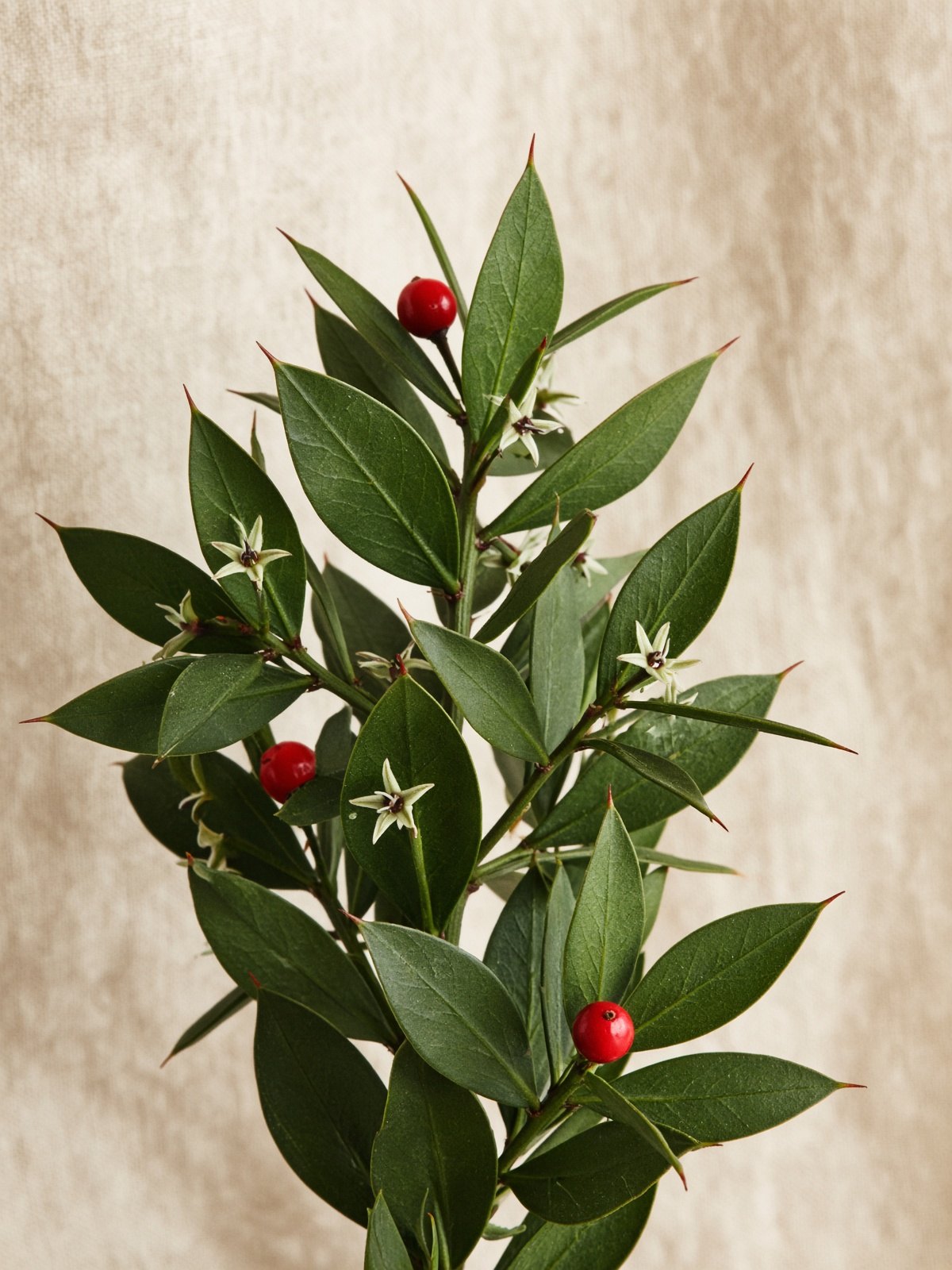 Butcher's broomStrong traditionalRuscus aculeatus
Traditional venous tonic; some European hemorrhoid/CVI product data.
Typical. Rhizome extract as labeled.
Safety. GI. Not for pregnancy as a default.
When this is not enough
- Thrombosed pile needing procedure, heavy bleeding, fever, suspected abscess, new severe pain with inability to sit
Rooted is a private clinical reference for licensed practitioners. It is educational, not a treatment protocol, and not a substitute for the chart, the exam, or pharmacy review. Plant medicines interact with drugs and can harm liver, kidney, heart, pregnancy, and children.