Cardiovascular
Heart failure (warning)
4 plants
Ask Assistant about thisThis page exists so nobody treats pulmonary edema with hawthorn tea. Some older hawthorn extract trials in mild HF exist and are mixed; they do not replace ACEI/ARNI, evidence-based beta-blockade, MRA, or SGLT2. Lily of the valley and foxglove are digitalis-like toxicity objects — they are in the catalog so you do not use them. Licorice mineralocorticoid effect is a volume/K problem in HF.
Primary plants
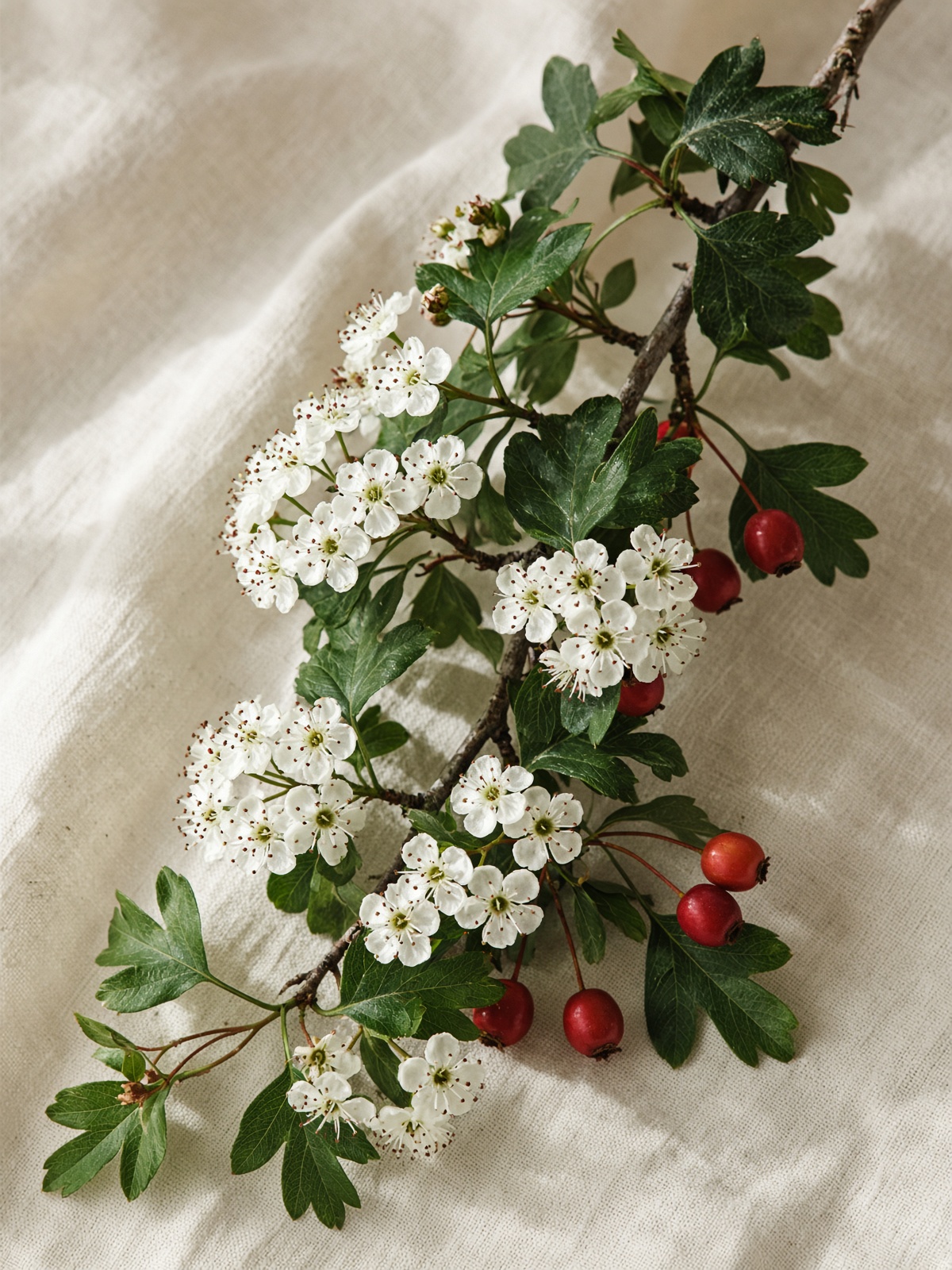 1HawthornHuman data
Crataegus monogyna
Older mild-HF extract trials, mixed modern relevance. Not GDMT. Do not start it instead of a beta-blocker.
Typical. If they are already on a product, tell pharmacy and cardiology. Do not add it as a secret inotrope.
Safety. Hypotension with GDMT. Digoxin interaction theoretical. Not an exacerbation drug.
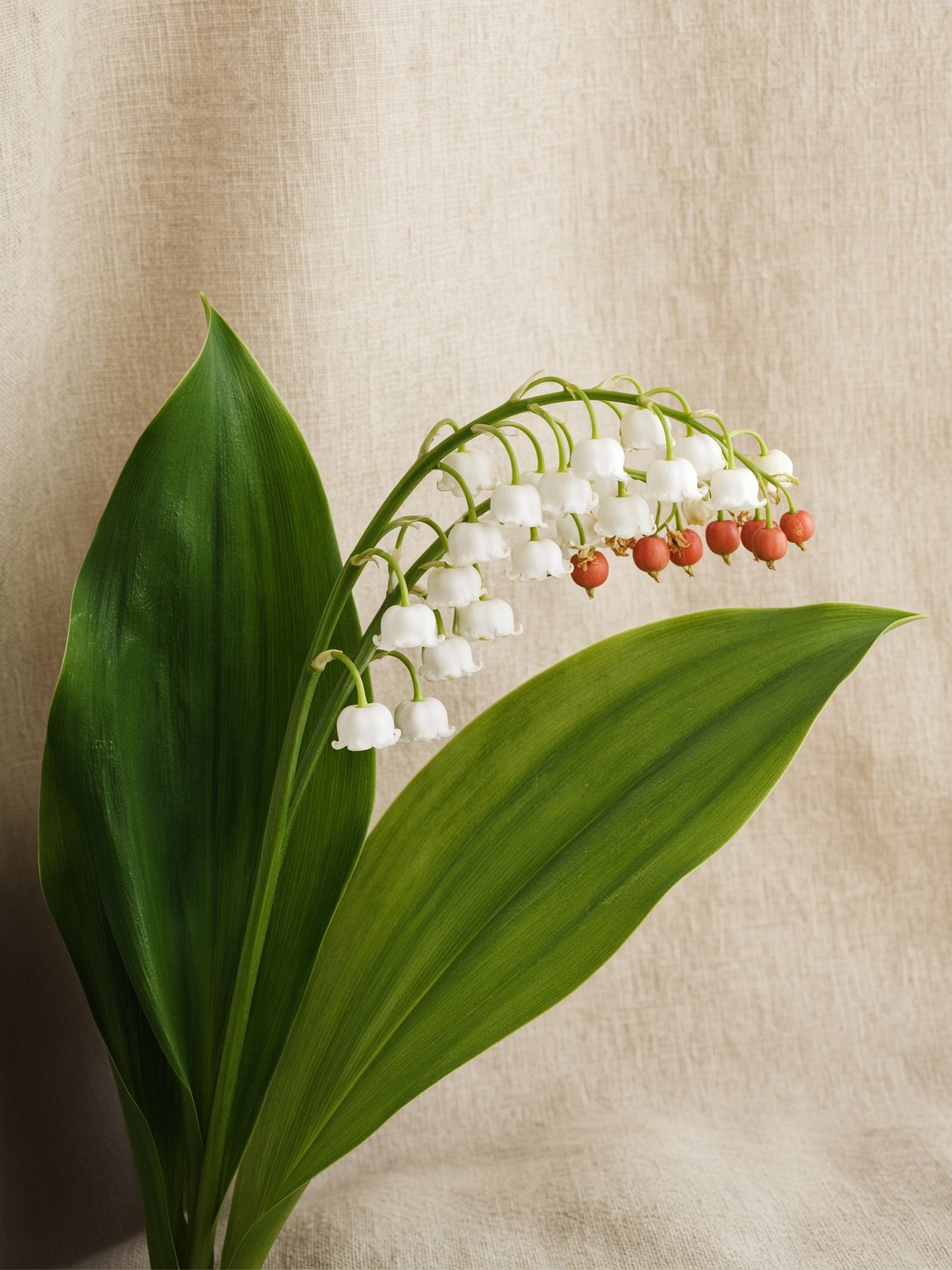 2Lily of the valleyStrong traditional
Convallaria majalis
Cardiac glycoside toxicity object. Vomiting, arrhythmia, hyperkalemia. Not a treatment.
Typical. Do not use.
Safety. Digitalis-like toxicity. Hard no.
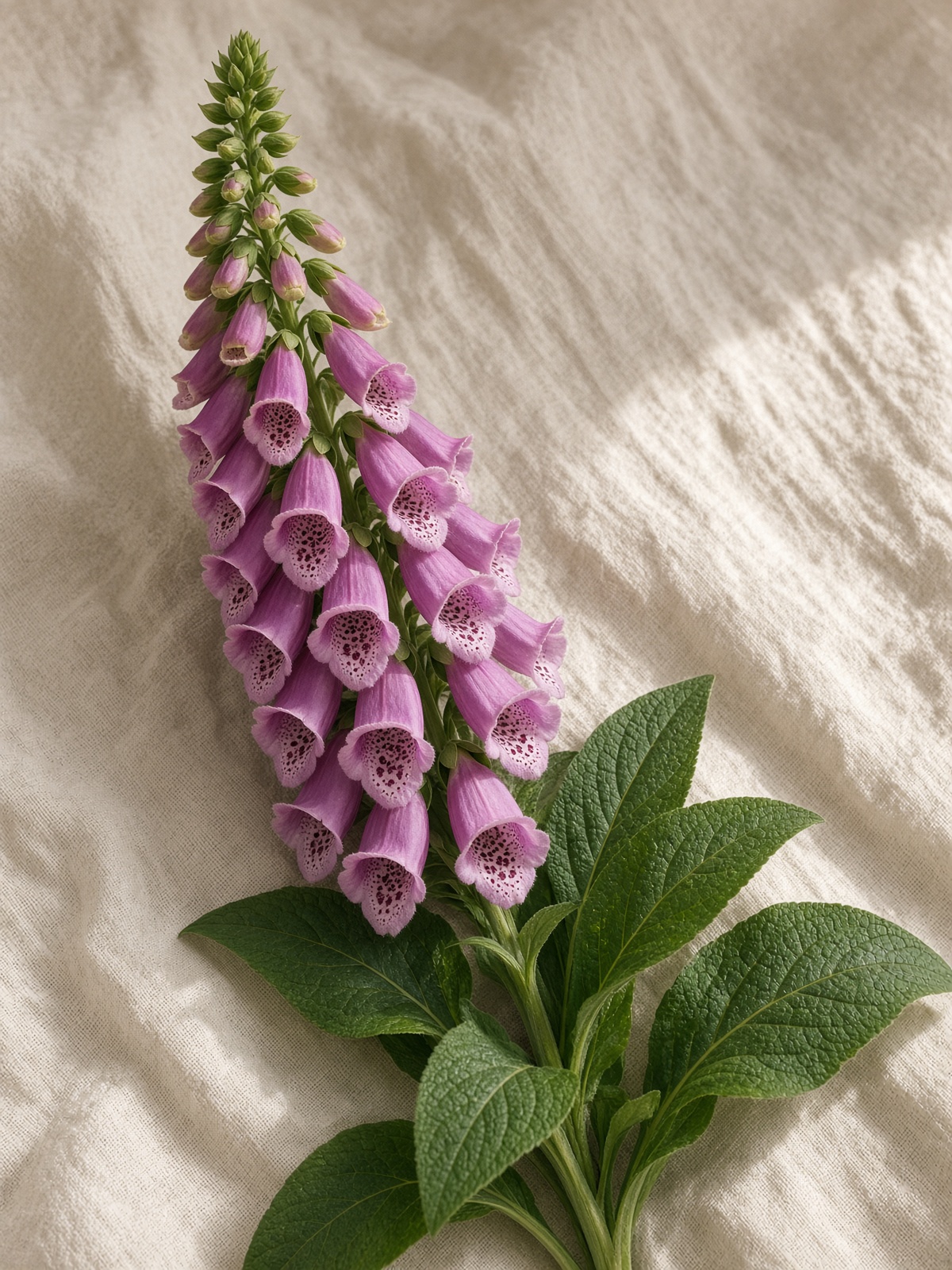 3FoxgloveStrong traditional
Digitalis purpurea
Digoxin's plant. Toxicity object. Not a treatment you invent.
Typical. Do not use.
Safety. Arrhythmia, death. Hard no.
Supportive plants1
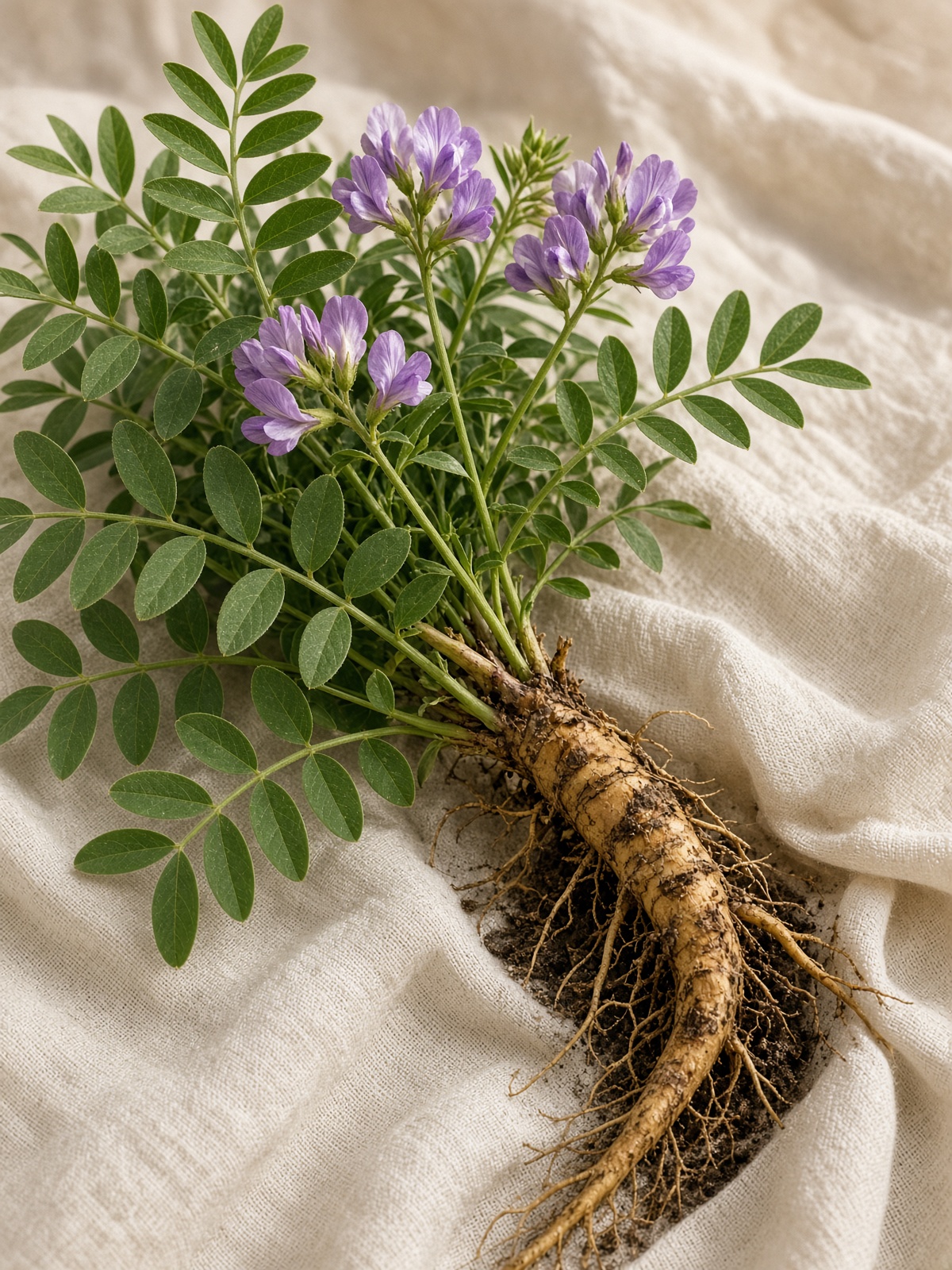 LicoriceStrong traditionalGlycyrrhiza glabra
Glycyrrhizin: mineralocorticoid hypertension, edema, hypokalemia. Whole-root tea is a problem in HF. DGL is a different object and still not an HF drug.
Typical. Avoid whole-root in HF.
Safety. HTN, edema, K drop, digoxin toxicity risk via hypokalemia.
Clinical notes
- Weight up 2 kg, orthopnea, or a wet cough is an exacerbation, not a hawthorn dose increase.
When this is not enough
- Acute decompensation, shock, new arrhythmia, syncope, hypokalemia on licorice + diuretic + digoxin
Rooted is a private clinical reference for licensed practitioners. It is educational, not a treatment protocol, and not a substitute for the chart, the exam, or pharmacy review. Plant medicines interact with drugs and can harm liver, kidney, heart, pregnancy, and children.