Women’s Health · also Genitourinary
Genitourinary syndrome of menopause
3 plants
Ask Assistant about thisDryness, dyspareunia, UTIs after menopause is GSM. Low-dose vaginal estrogen (or DHEA/ospemifene when those are the plan) still wins, including in many breast-cancer survivors after oncology input. Black cohosh is a vasomotor plant with a DILI file — it does not treat the vagina. Tea tree in the vagina is a chemical burn. Recurring 'yeast' after 55 is often atrophy.
Primary plants
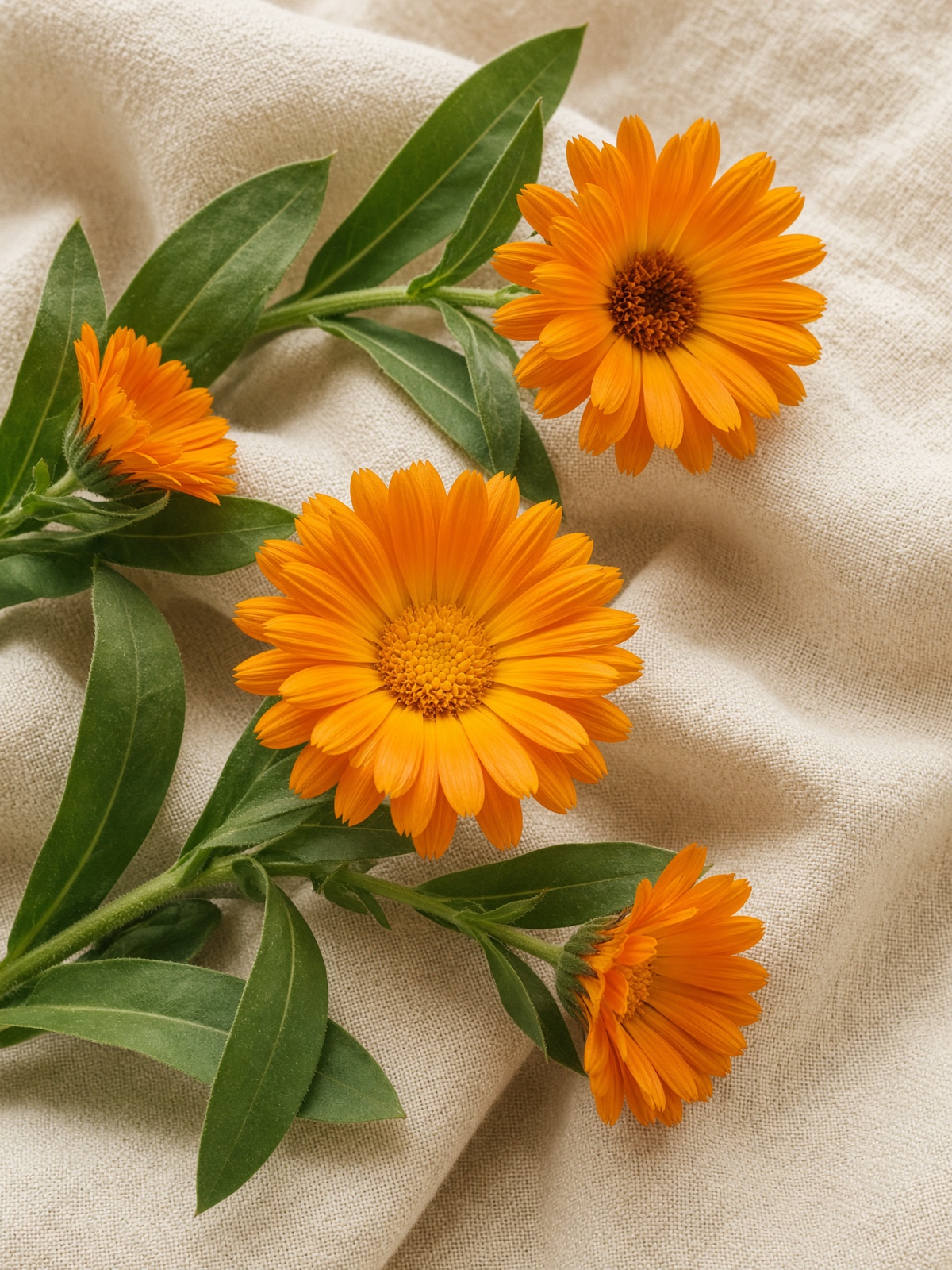 1CalendulaStrong traditional
Calendula officinalis
Soothing external ointment on intact vulvar skin. Not estrogen. Not an intra-vaginal drug.
Typical. Flower ointment external, thin.
Safety. Asteraceae. Not a substitute for vaginal estrogen when that is indicated.
Supportive plants2
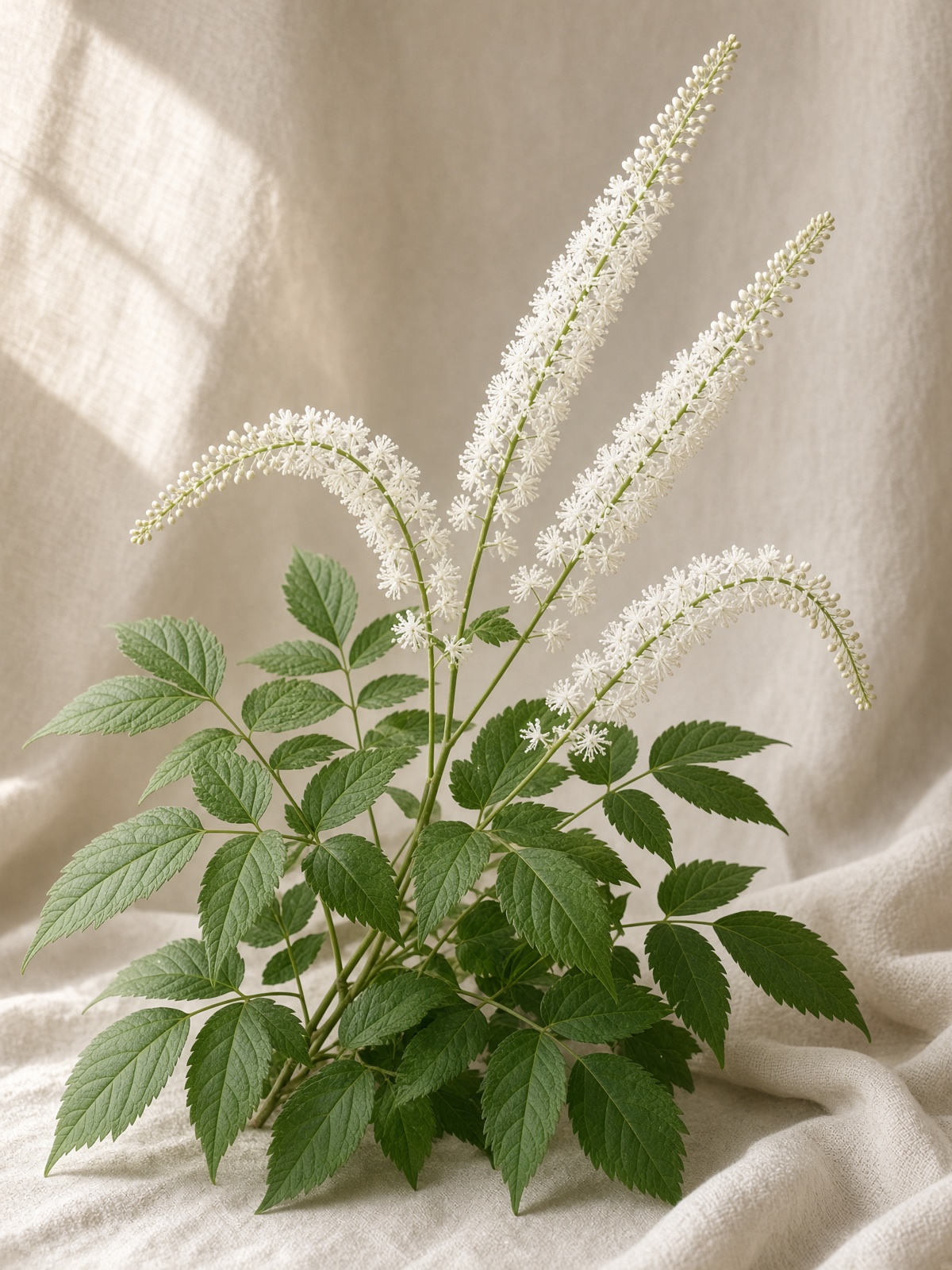 Black cohoshHuman dataActaea racemosa
Vasomotor file, mixed. Rare hepatotoxicity. Does not treat GSM.
Typical. If the leftover is hot flashes, see the perimenopause page — not this one.
Safety. Stop for jaundice. Not a vaginal treatment.
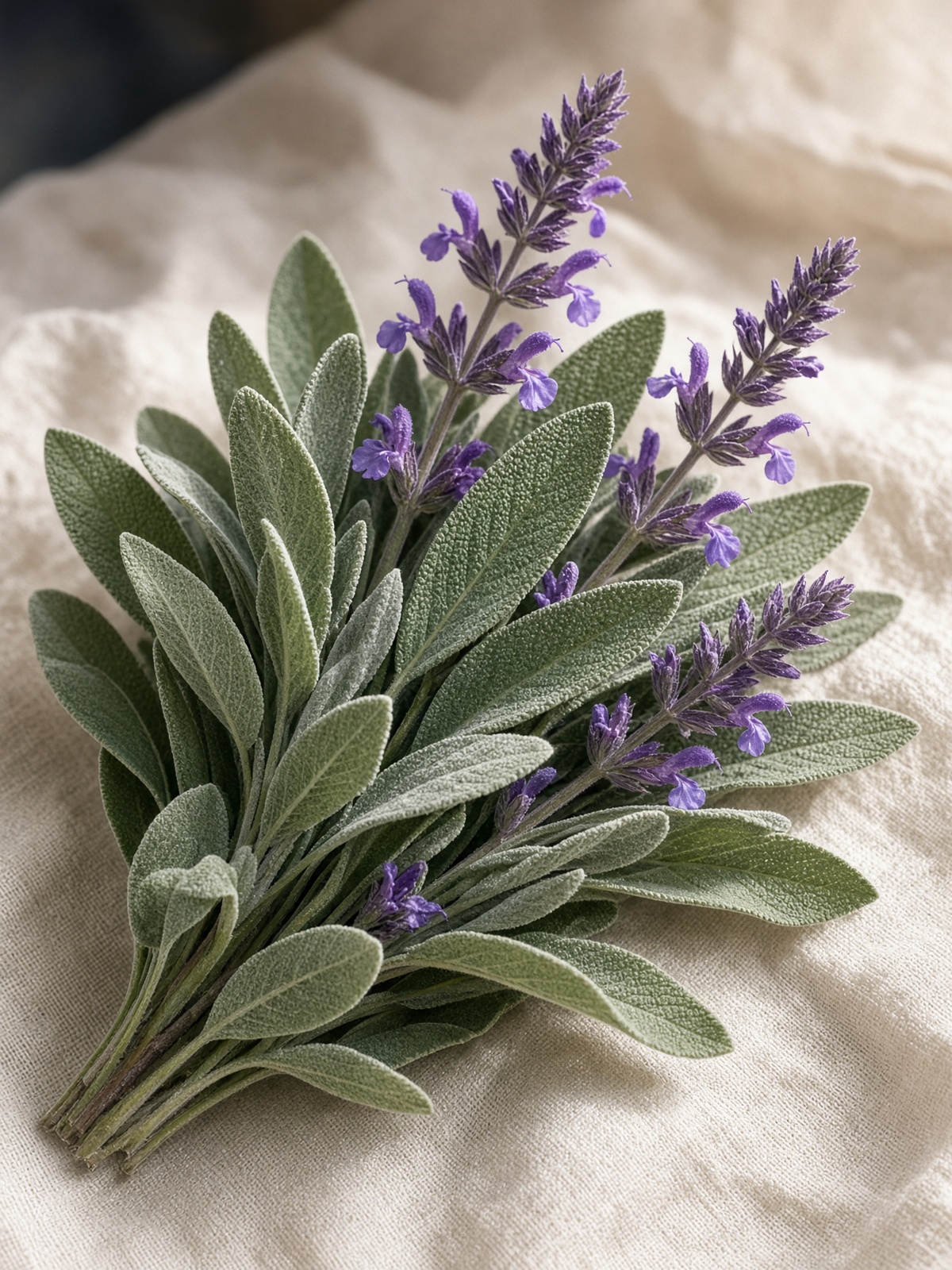 SageStrong traditionalSalvia officinalis
If night sweats coexist. Not a vaginal plant.
Typical. Leaf tea. Oil internally is thujone.
Safety. Pregnancy not relevant here; still culinary-vs-oil.
Clinical notes
- Tea tree, garlic, and yogurt in the vagina are mucosal injury, not GSM care.
When this is not enough
- Postmenopausal bleeding, pelvic mass, recurrent culture-proven UTI needing that algorithm, pain out of proportion (consider dermatosis/lichen)
Rooted is a private clinical reference for licensed practitioners. It is educational, not a treatment protocol, and not a substitute for the chart, the exam, or pharmacy review. Plant medicines interact with drugs and can harm liver, kidney, heart, pregnancy, and children.