Digestive · also Immune / Rheum / Allergy
Chemotherapy-induced nausea (adjunct)
3 plants
Ask Assistant about thisOncology writes the antiemetic regimen from the emetogenic risk of the cycle, not from a tea. Ginger powder or extract has human data as an add-on for acute CINV in some trials. It does not cover delayed CINV the way an NK1 does, and high-dose extract is a bleeding conversation next to low platelets or upcoming procedures. Peppermint can drop LES tone if reflux is already in the picture.
Primary plants
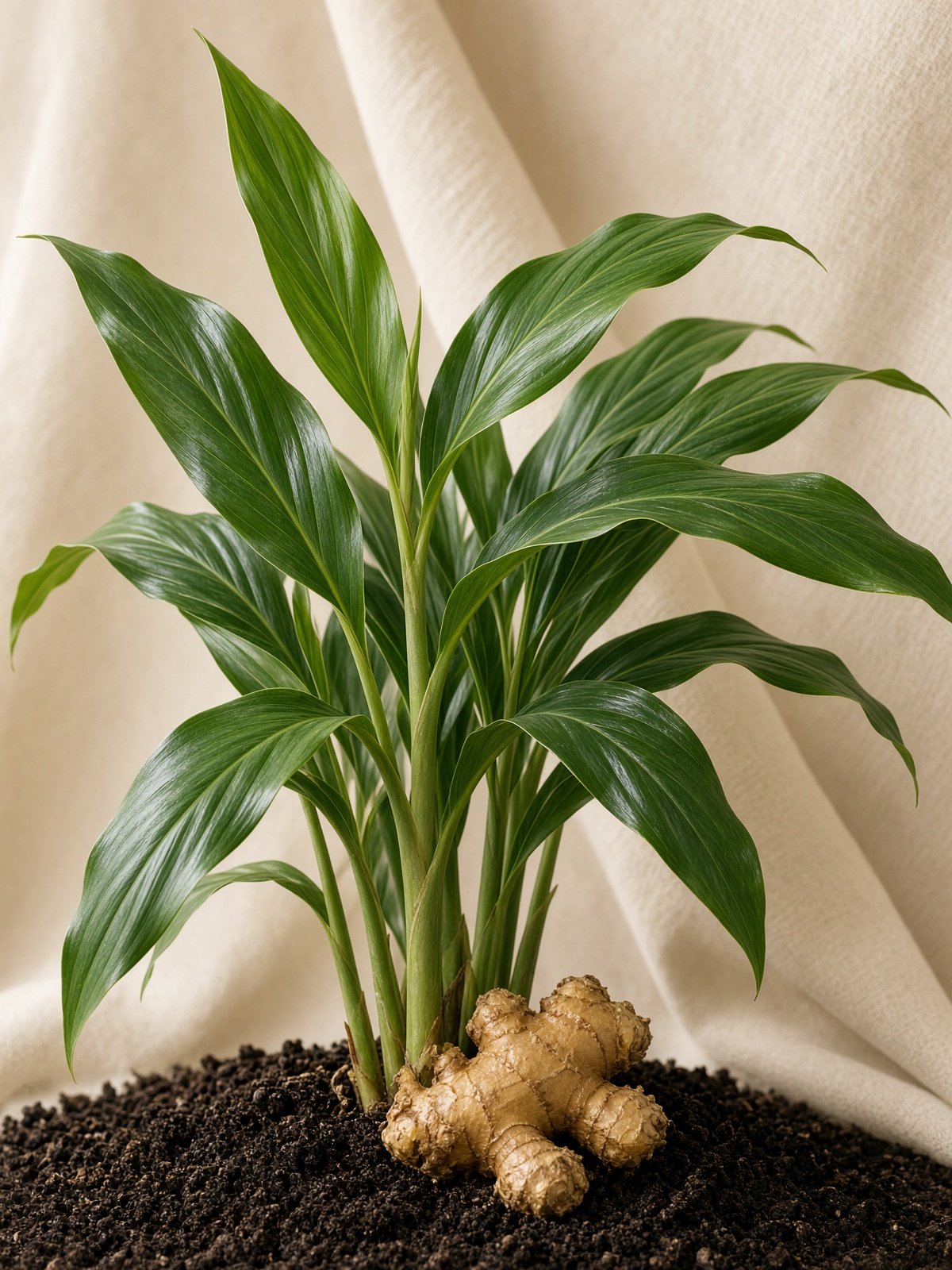 1GingerHuman data
Zingiber officinale
Best plant adjunct file for CINV. Add-on, not a 5-HT3 substitute. Preparation-dependent.
Typical. Dried powder often 0.5–1 g two to three times on chemo days in trials — educational range, not an order.
Safety. Extract bleeding. Gallbladder. Culinary ginger is weaker than studied powder.
Supportive plants2
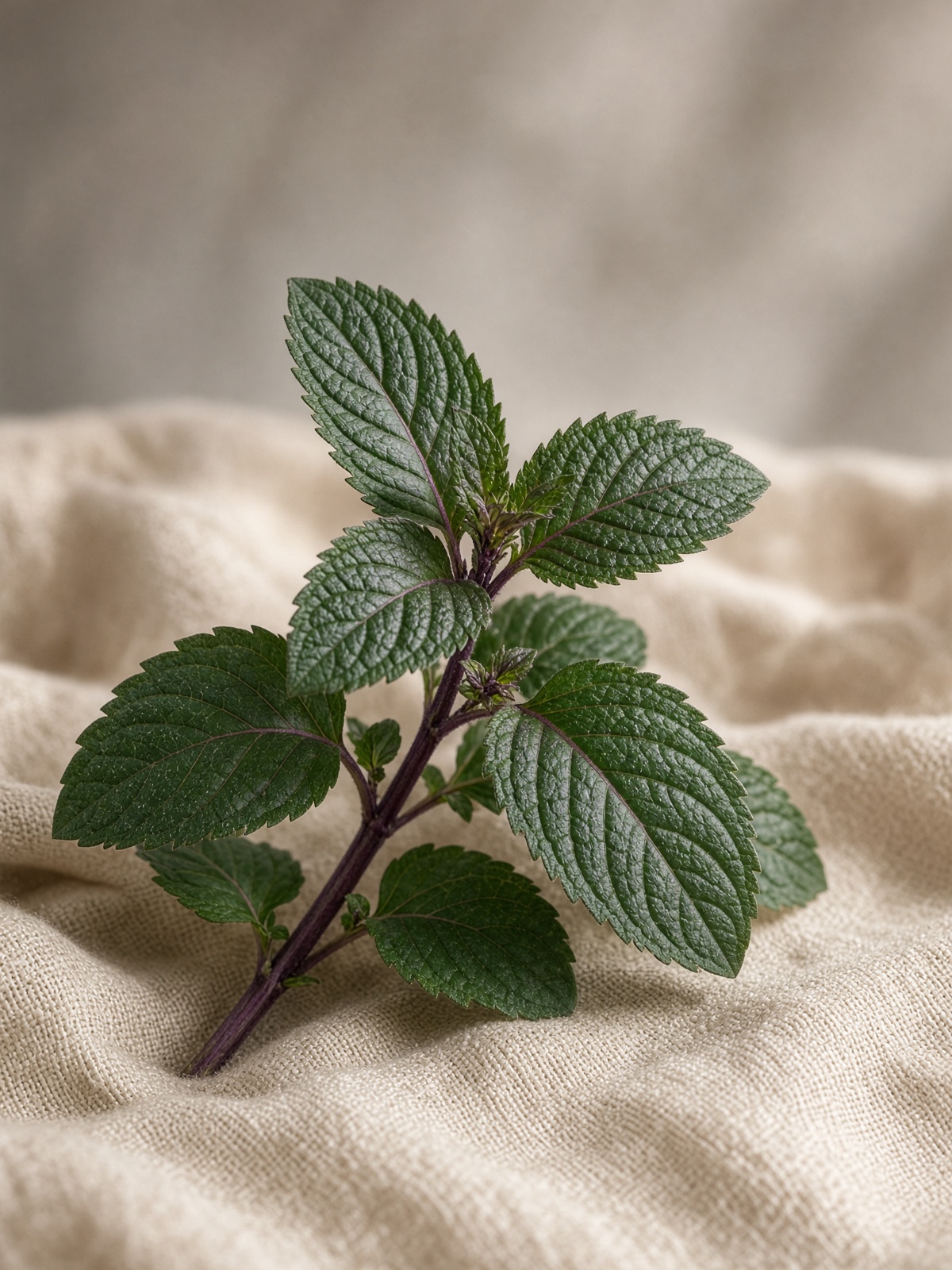 PeppermintStrong traditionalMentha × piperita
Aroma/tea for queasiness. LES relaxation. Not the trial product for CINV.
Typical. Inhaled aroma or weak tea if reflux is quiet.
Safety. GERD. Infants: no oil.
 German chamomileStrong traditionalMatricaria chamomilla
Gentle after-tea. Traditional. Not an antiemetic regimen.
Typical. Flower infusion.
Safety. Asteraceae.
Clinical notes
- Uncontrolled vomiting, ketones, or inability to keep the oral chemo down is the oncology team the same day.
When this is not enough
- Intractable vomiting, dehydration, bowel obstruction, neutropenic fever, new severe abdominal pain
Rooted is a private clinical reference for licensed practitioners. It is educational, not a treatment protocol, and not a substitute for the chart, the exam, or pharmacy review. Plant medicines interact with drugs and can harm liver, kidney, heart, pregnancy, and children.