Cardiovascular
Chronic venous insufficiency
4 plants
Ask Assistant about thisAching, edema, gaiter skin. Stockings first. Horse-chestnut seed extract (aescin) has human CVI data — raw seed is toxic. Gotu kola triterpenes have venous/wound-adjacent trials. Acute unilateral swelling is DVT until the algorithm says otherwise. Ulcer with odor is wound care.
Primary plants
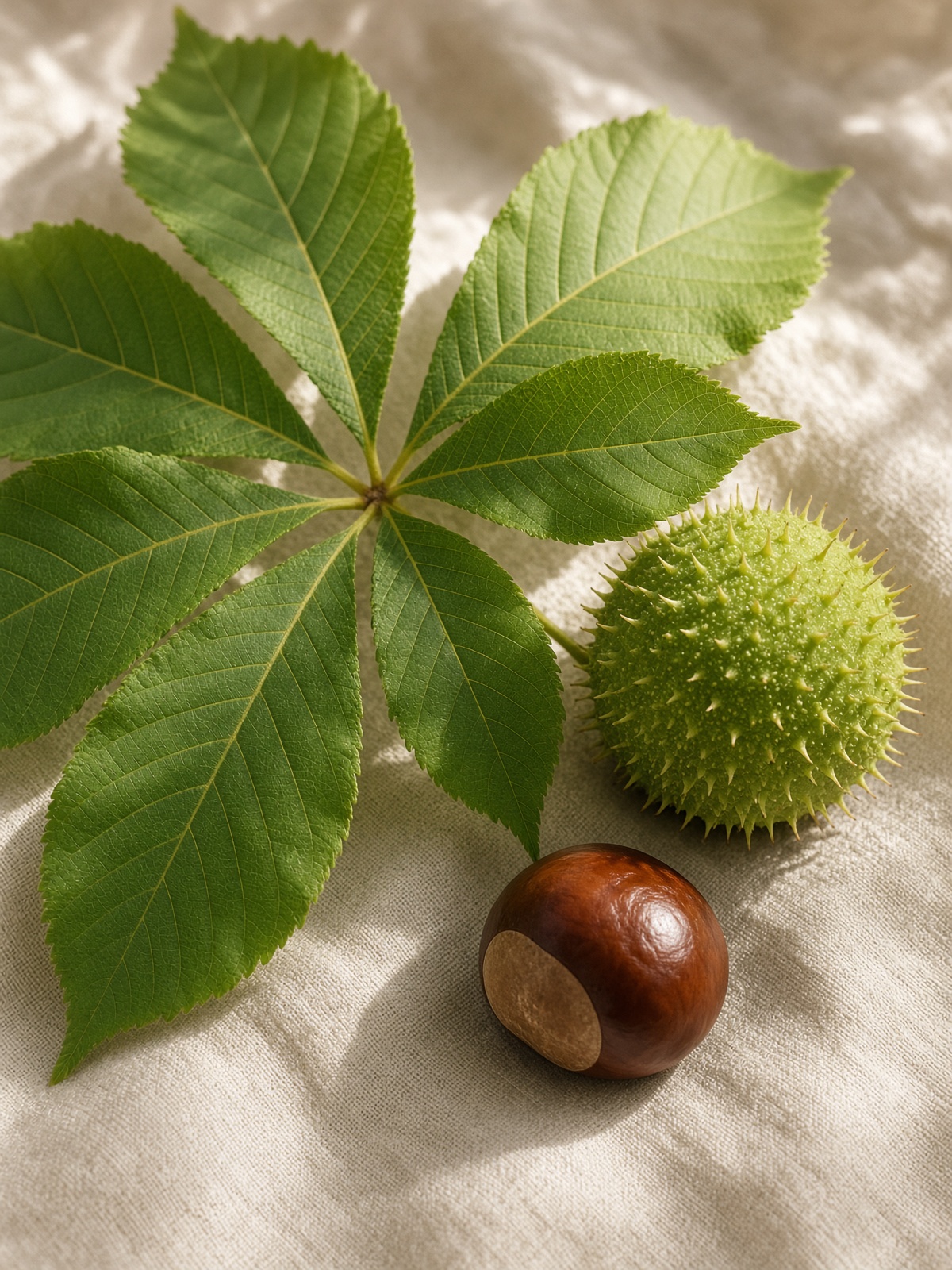 1Horse chestnutHuman data
Aesculus hippocastanum
Aescin-standardized seed extract: human CVI symptom data. Raw seed is toxic.
Typical. Delayed-release seed extract as labeled (often 50–150 mg aescin/day educational range).
Safety. Raw seed toxic. Exclude DVT. GI. Poor products: nephrotoxicity reports.
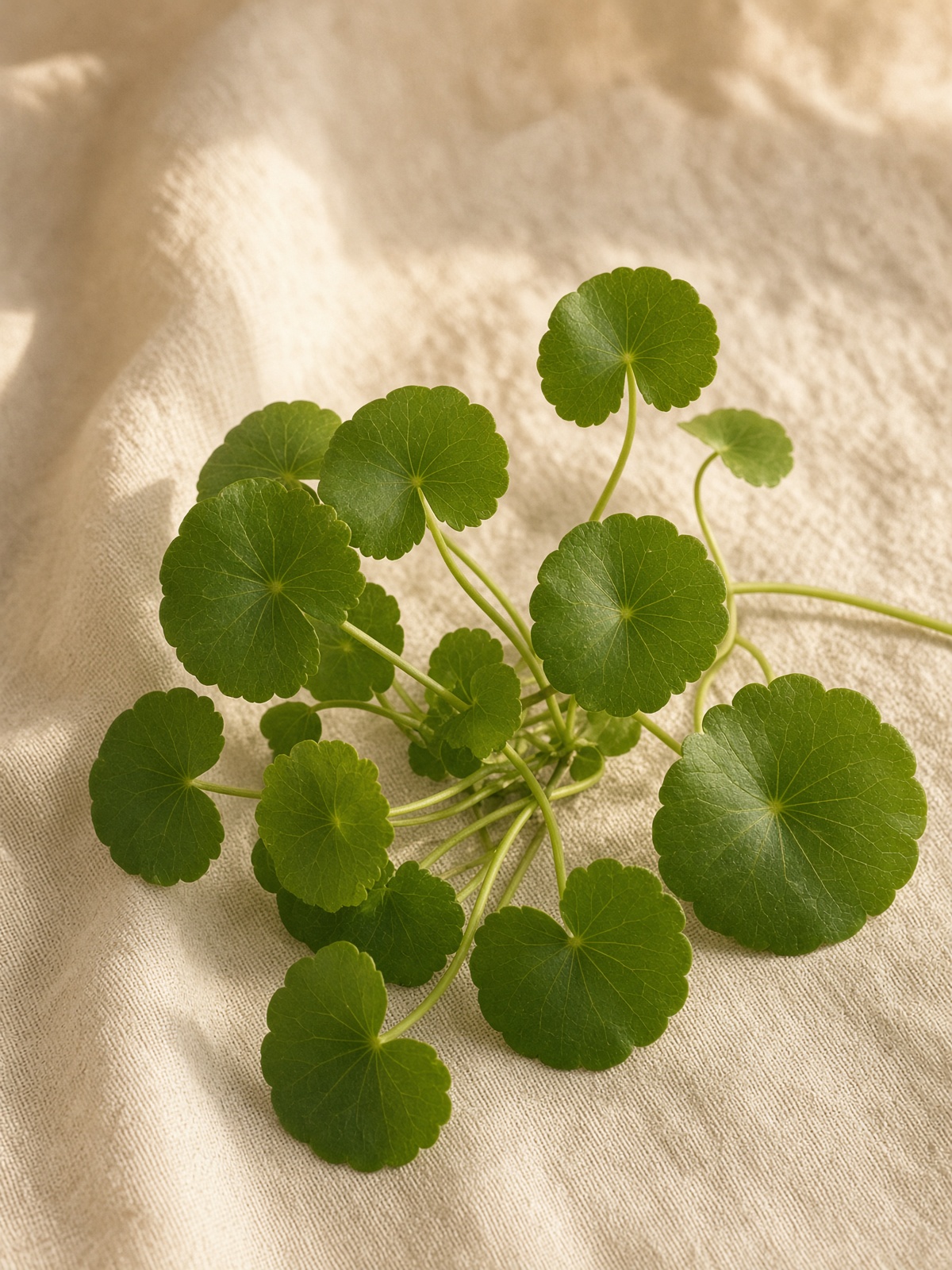 2Gotu kolaHuman data
Centella asiatica
Triterpene extracts have human venous and wound-adjacent data.
Typical. Standardized total-triterpene extract as labeled (venous-trial neighborhood often 60–180 mg/day triterpenes).
Safety. Rare DILI. Apiaceae. Identity: not Bacopa sold as brahmi.
Supportive plants2
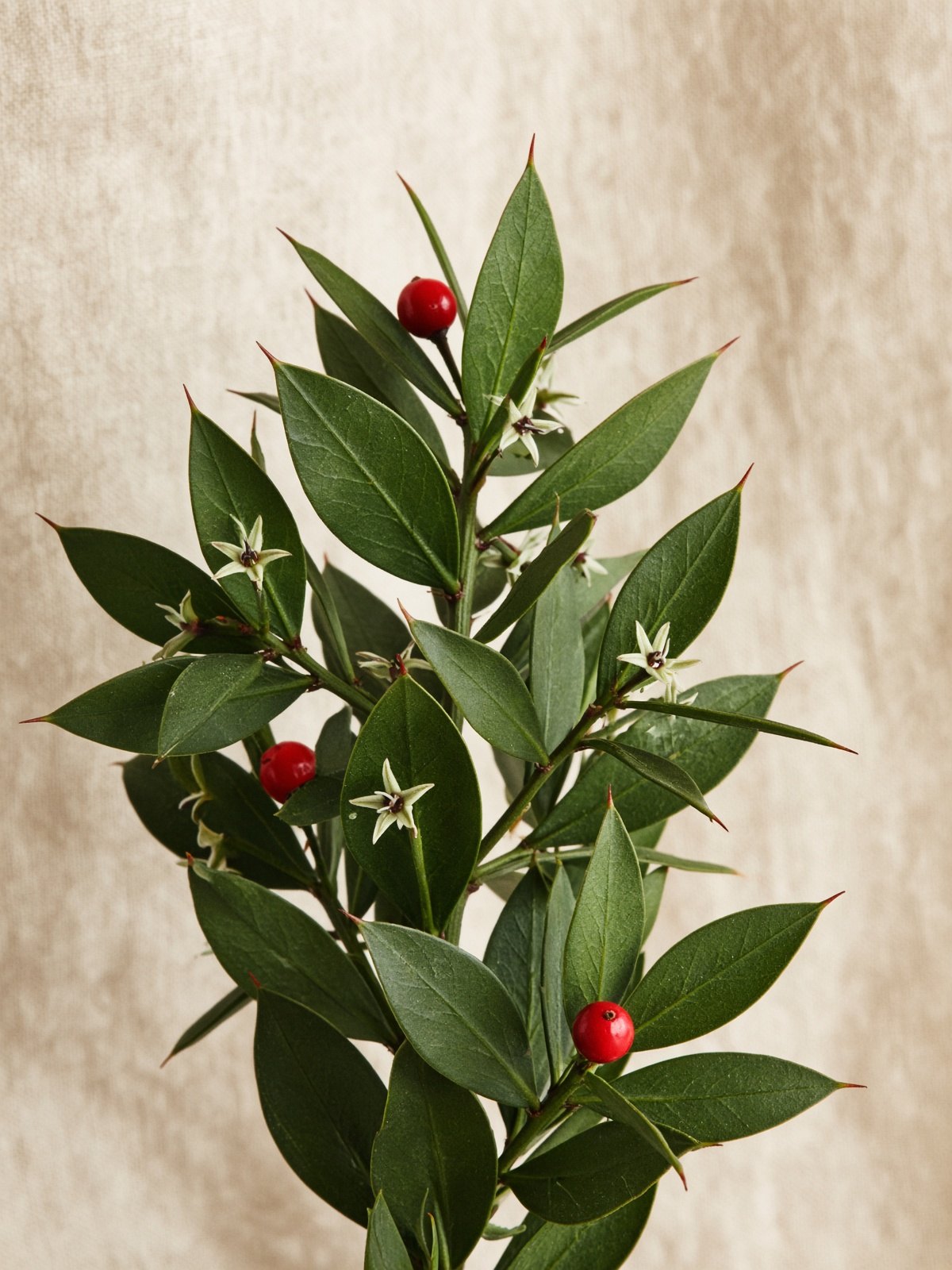 Butcher's broomStrong traditionalRuscus aculeatus
Traditional venous tonic; some European CVI product data.
Typical. Rhizome extract as labeled.
Safety. GI. Not for pregnancy as a default.
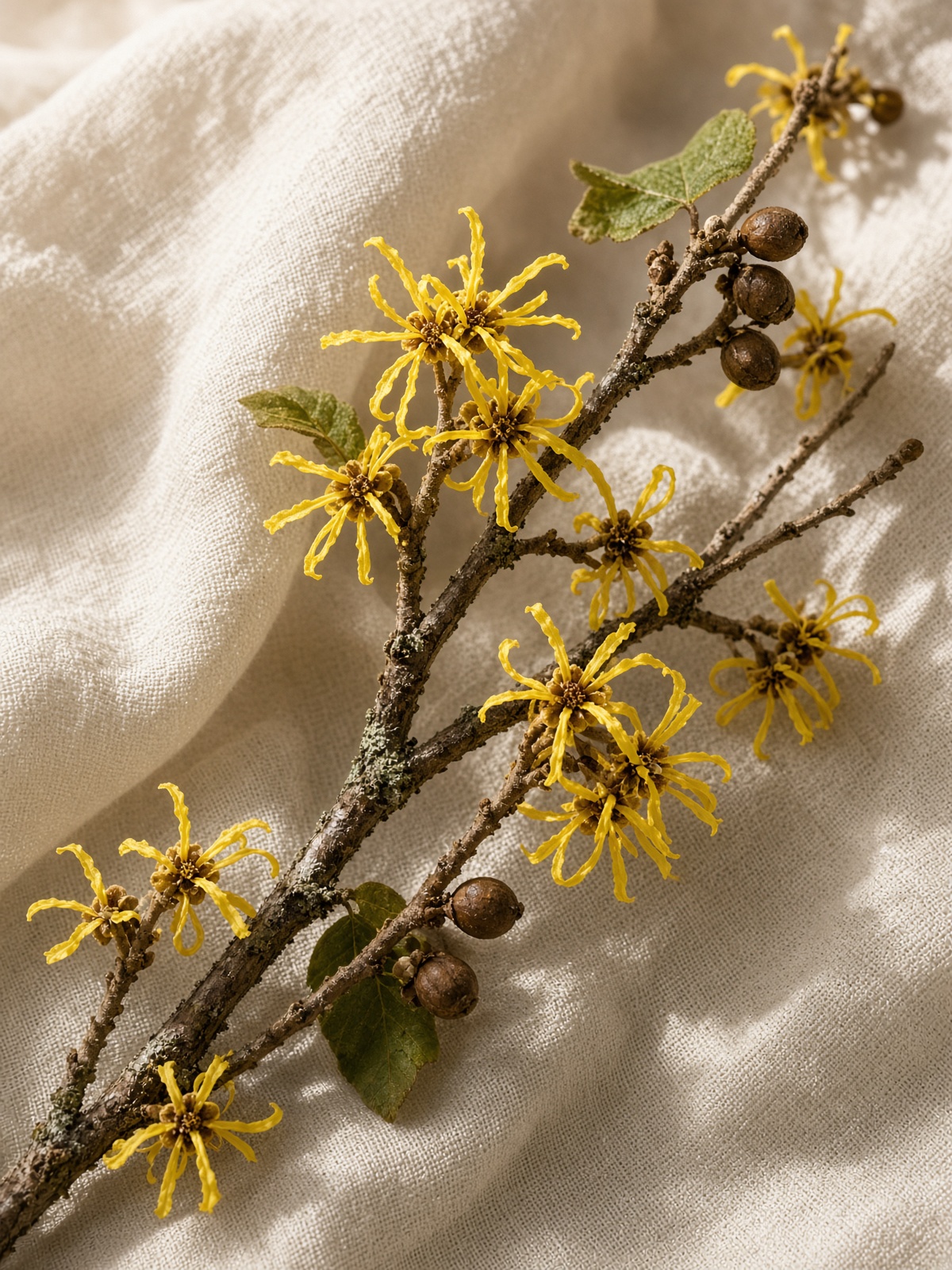 Witch hazelStrong traditionalHamamelis virginiana
Topical astringent comfort on intact gaiter skin. Not compression.
Typical. Distillate on intact skin.
Safety. Sting on fissures.
When this is not enough
- Acute unilateral swelling (DVT), arterial-insufficient ankle-brachial, fever, wet ulcer with systemic symptoms
Rooted is a private clinical reference for licensed practitioners. It is educational, not a treatment protocol, and not a substitute for the chart, the exam, or pharmacy review. Plant medicines interact with drugs and can harm liver, kidney, heart, pregnancy, and children.