Digestive
Chronic constipation
3 plants
Ask Assistant about thisPsyllium is the plant with outcome-shaped data. Senna works — and causes cramping, hypokalemia, and dependence-pattern use if you leave it on indefinitely. New constipation in older adults is a workup.
Primary plants
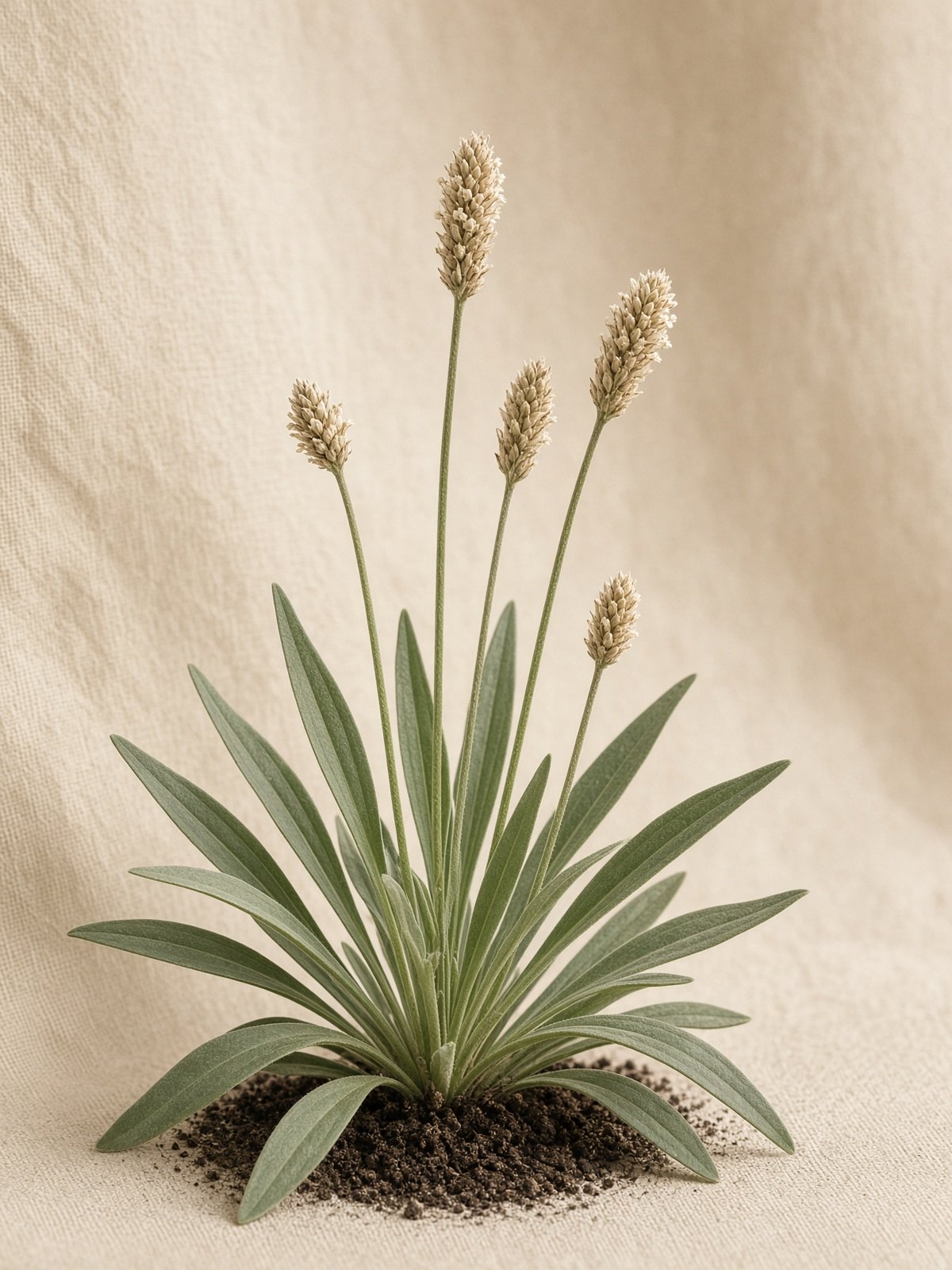 1PsylliumHuman data
Plantago ovata
Soluble fiber with constipation and IBS-C data. Titrate with water.
Typical. 5–10 g/day with a full glass of water.
Safety. Obstruction if dry. Binds drugs.
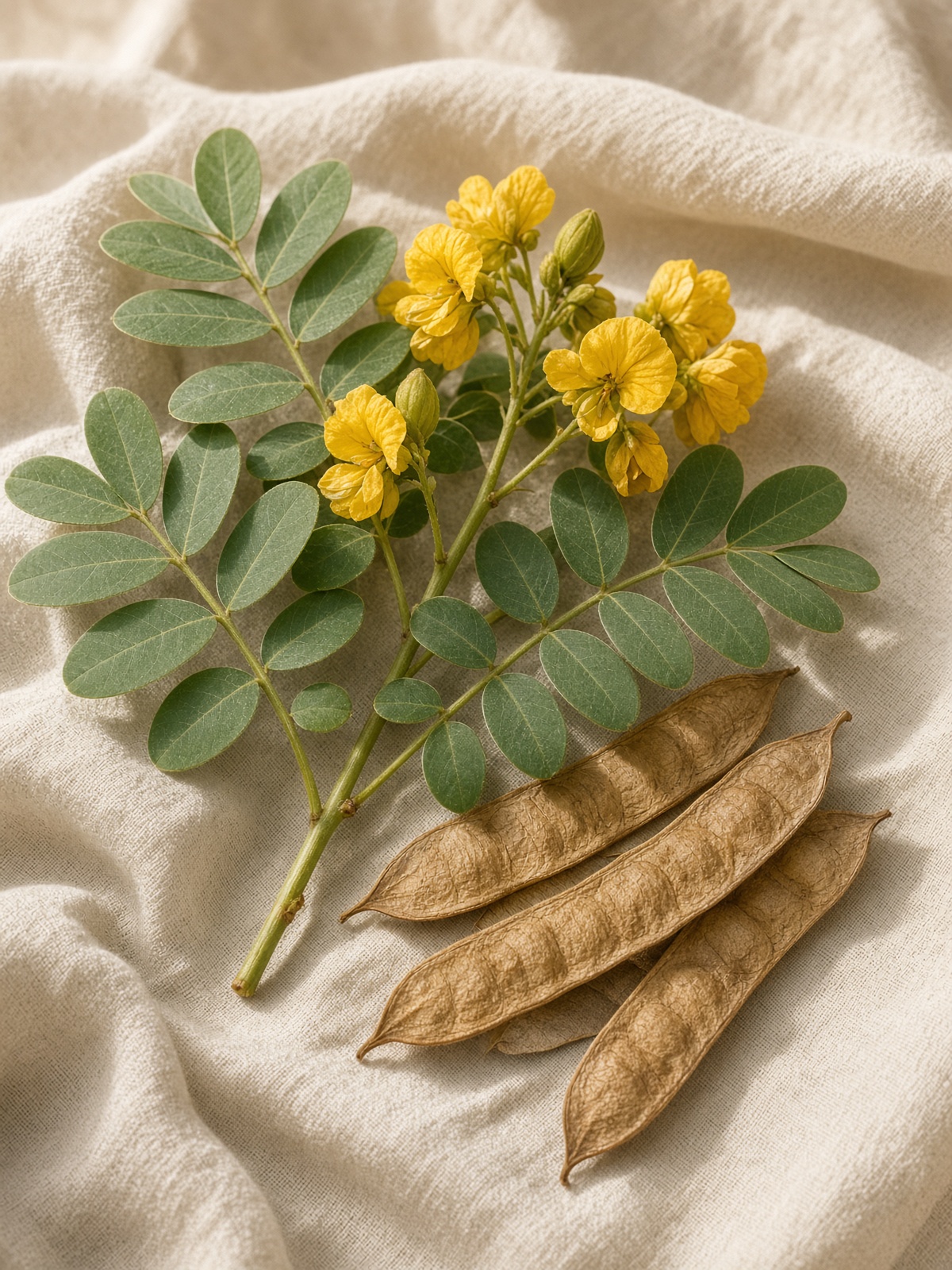 2SennaHuman data
Senna alexandrina
Stimulant glycosides. Effective, short-term. Not a daily forever plant.
Typical. Sennoside products at labeled short-course doses, usually hs.
Safety. Hypokalemia, cramping. Avoid with digoxin/diuretics long-term. Pregnancy: usually avoid except obstetric protocols.
Supportive plants1
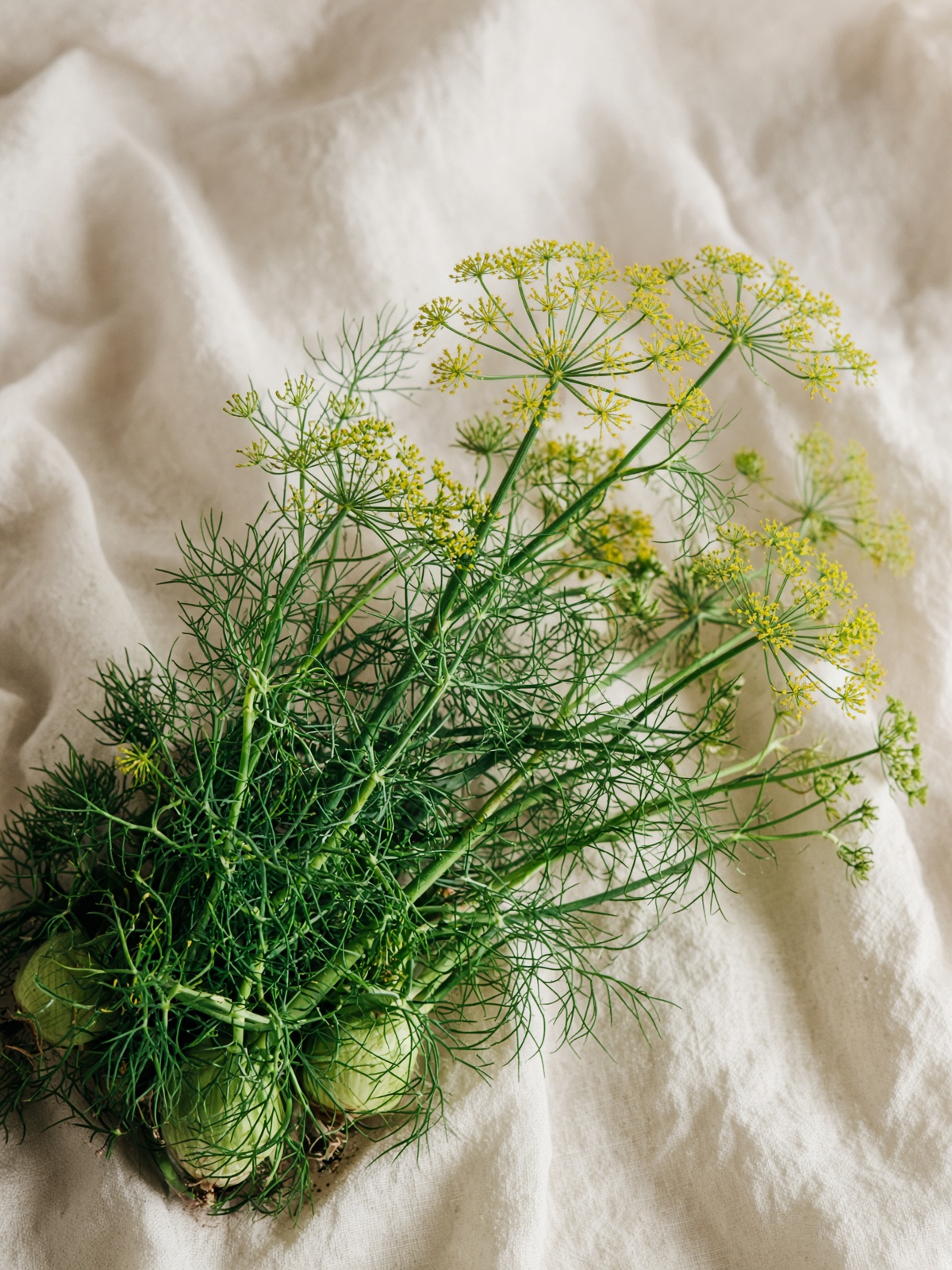 FennelStrong traditionalFoeniculum vulgare
Carminative adjunct when bloating accompanies hard stool.
Typical. Seed tea.
Safety. Not a laxative.
Clinical notes
- Rule out obstruction, opioids, hypothyroidism, hypercalcemia.
When this is not enough
- Acute abdomen, blood, weight loss, new severe constipation in the elderly
Rooted is a private clinical reference for licensed practitioners. It is educational, not a treatment protocol, and not a substitute for the chart, the exam, or pharmacy review. Plant medicines interact with drugs and can harm liver, kidney, heart, pregnancy, and children.