Immune / Rheum / Allergy · also Other / General
Cancer-related fatigue (adjunct)
4 plants
Ask Assistant about thisThe NCCTG-type Wisconsin ginseng trials are why Panax quinquefolius is on this page. Effect is modest. Asian ginseng is more stimulating and can wreck sleep. Ashwagandha is a stress-sleep plant with a thyroid/DILI file. Do not add high-dose antioxidant megadose stacks during curative-intent chemo without oncology. Unexplained dyspnea on chemo is PE/anemia/chemo-heart until proven otherwise.
Primary plants
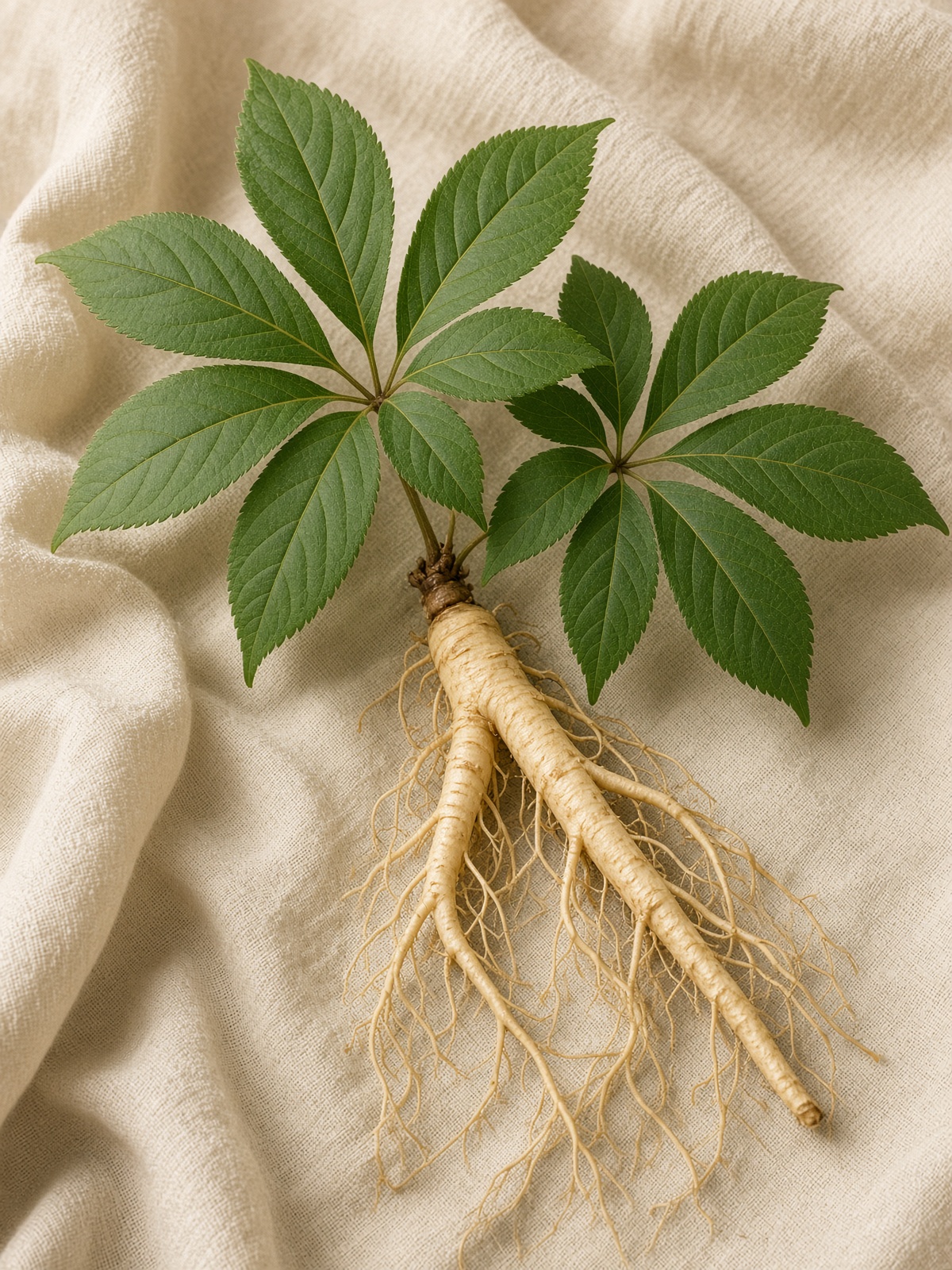 1American ginsengHuman data
Panax quinquefolius
Human cancer-related-fatigue trials (Wisconsin ginseng-type). Modest. Milder stimulant than Panax.
Typical. Root extract as studied (often ~1–2 g/day in CRF trials — product-specific). Oncology in the loop.
Safety. Can drop warfarin INR. Insomnia possible. Not for undifferentiated fever.
Supportive plants3
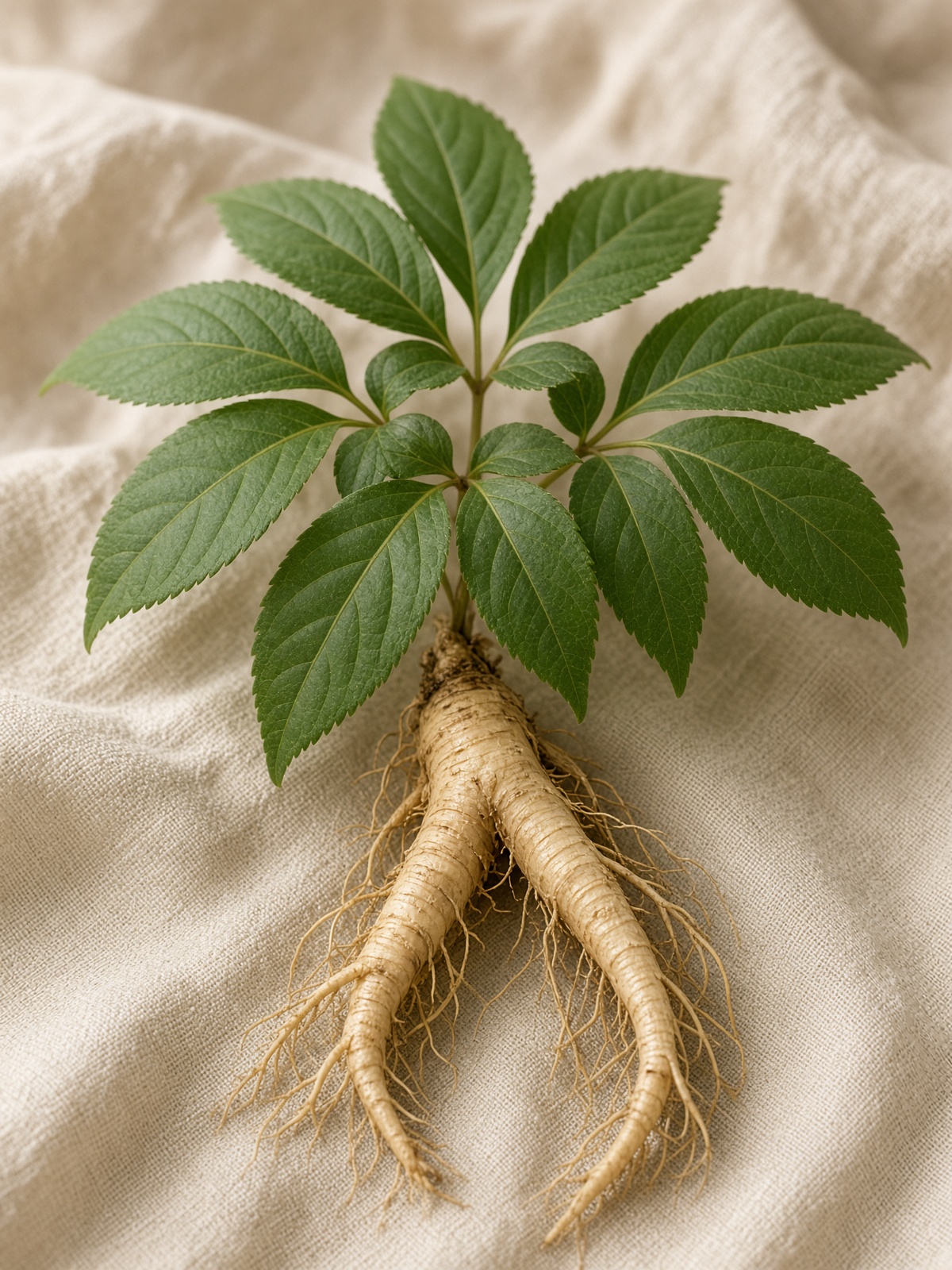 Asian ginsengHuman dataPanax ginseng
Traditional convalescent tonic. Mixed fatigue data. More activating.
Typical. Root extract 200–400 mg if used at all.
Safety. Insomnia, HTN, INR.
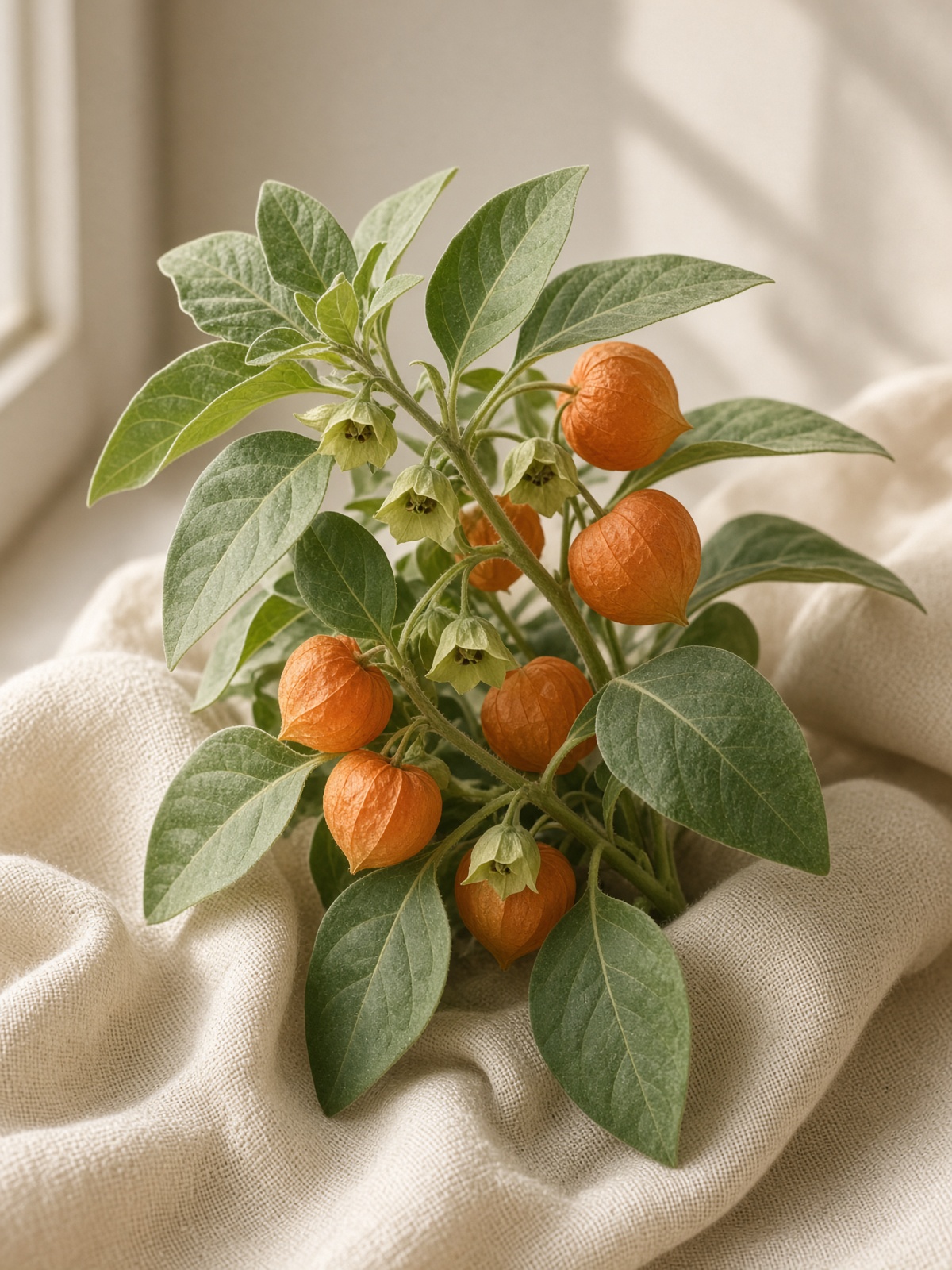 AshwagandhaHuman dataWithania somnifera
If the leftover is stress-sleep more than CRF. Thyroid/DILI.
Typical. Extract 300–600 mg.
Safety. Pregnancy (not the usual CRF patient), thyroid, DILI.
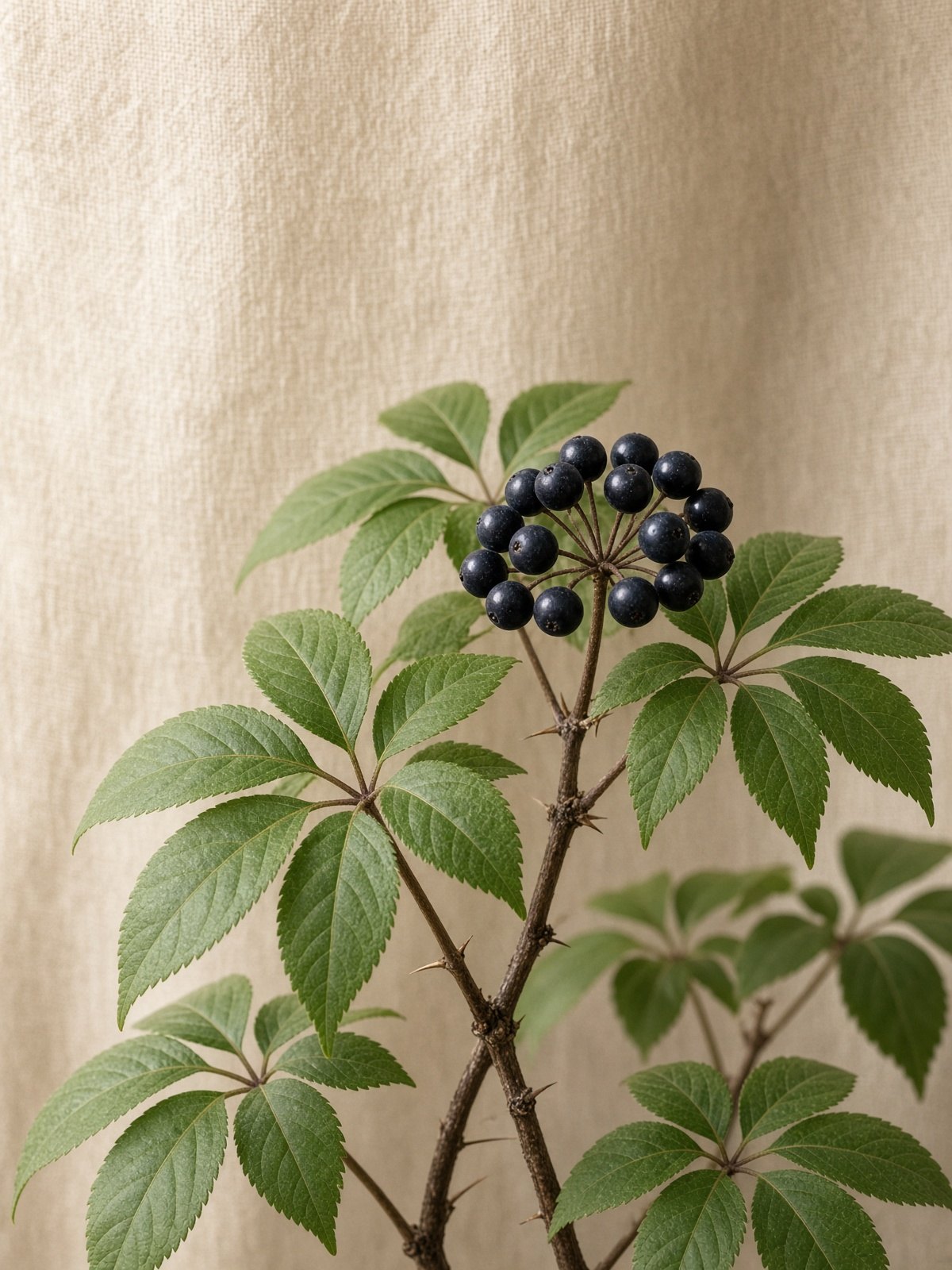 Siberian ginsengStrong traditionalEleutherococcus senticosus
Eleuthero: traditional adaptogen. Human file heterogeneous; not Panax. Stimulating.
Typical. Root extract as labeled, courses not forever.
Safety. Insomnia, HTN. Identity vs toxic Periploca adulterant historically.
Clinical notes
- New dyspnea, chest pain, or fever on chemo is a protocol, not more ginseng.
When this is not enough
- Fever/neutropenia, PE/ACS picture, uncontrolled N/V, someone stopping indicated chemo for an antioxidant protocol
Rooted is a private clinical reference for licensed practitioners. It is educational, not a treatment protocol, and not a substitute for the chart, the exam, or pharmacy review. Plant medicines interact with drugs and can harm liver, kidney, heart, pregnancy, and children.