Digestive
Biliary colic / dyspepsia (adjunct)
4 plants
Ask Assistant about thisRight-upper-quadrant colic after a fatty meal with a positive ultrasound is a surgeon, not dandelion. Artichoke leaf extract has human data in functional dyspepsia with bloating — people borrow it for 'sluggish bile.' Bile-duct obstruction is a hard stop for choleretics. Ginger may help associated nausea. Peppermint can worsen coincident reflux.
Primary plants
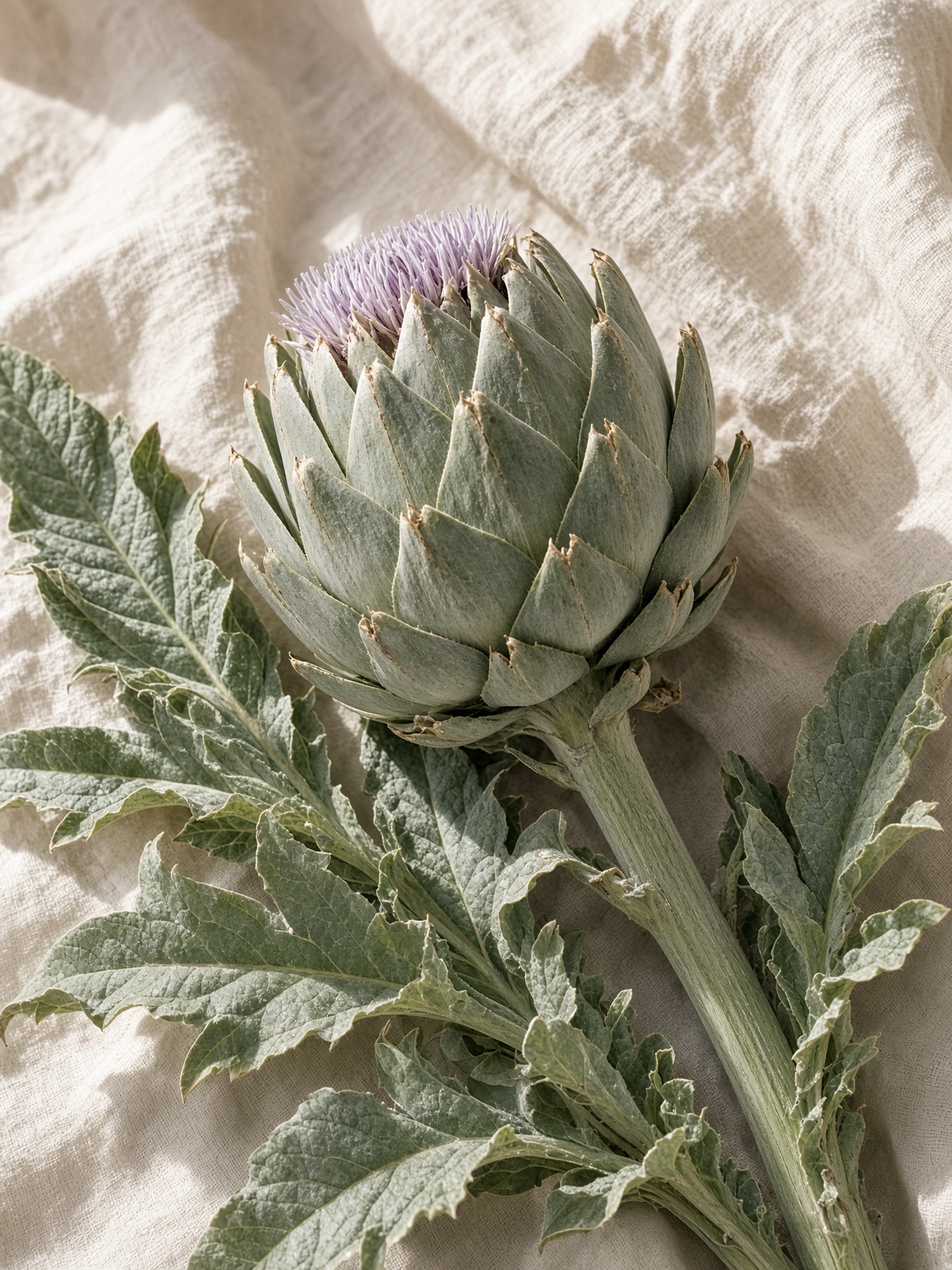 1ArtichokeHuman data
Cynara scolymus
Leaf extract: functional-dyspepsia/bloating human data and a choleretic tradition. Not a stone-dissolver.
Typical. Leaf extract ~640 mg/day divided in several FD trials.
Safety. Bile-duct obstruction, acute cholecystitis: stop.
Supportive plants3
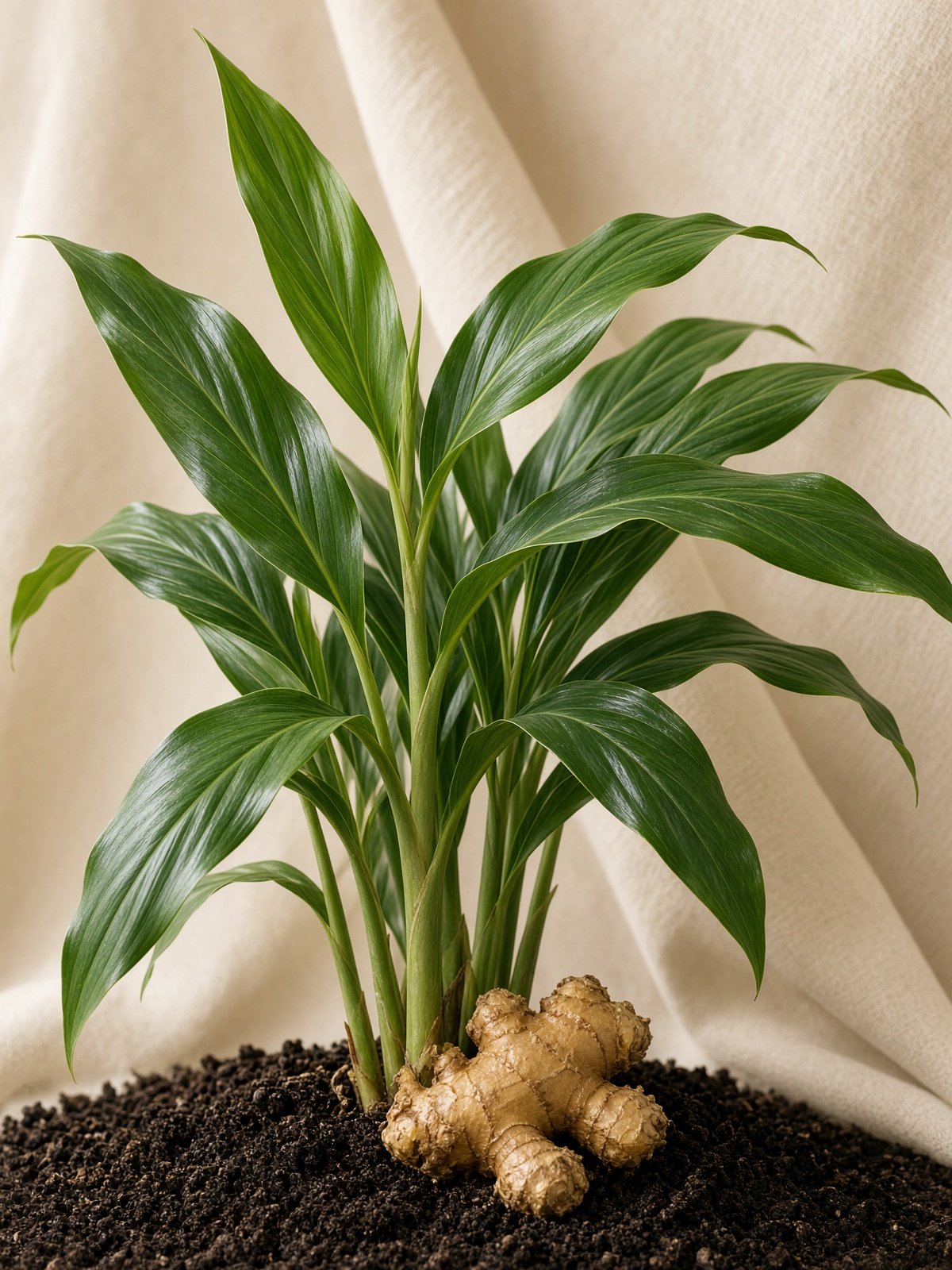 GingerHuman dataZingiber officinale
Nausea adjunct. Not a biliary spasmolytic of record.
Typical. 1–2 g dried rhizome/day.
Safety. Extract bleeding. Gallbladder caution is the point of this page.
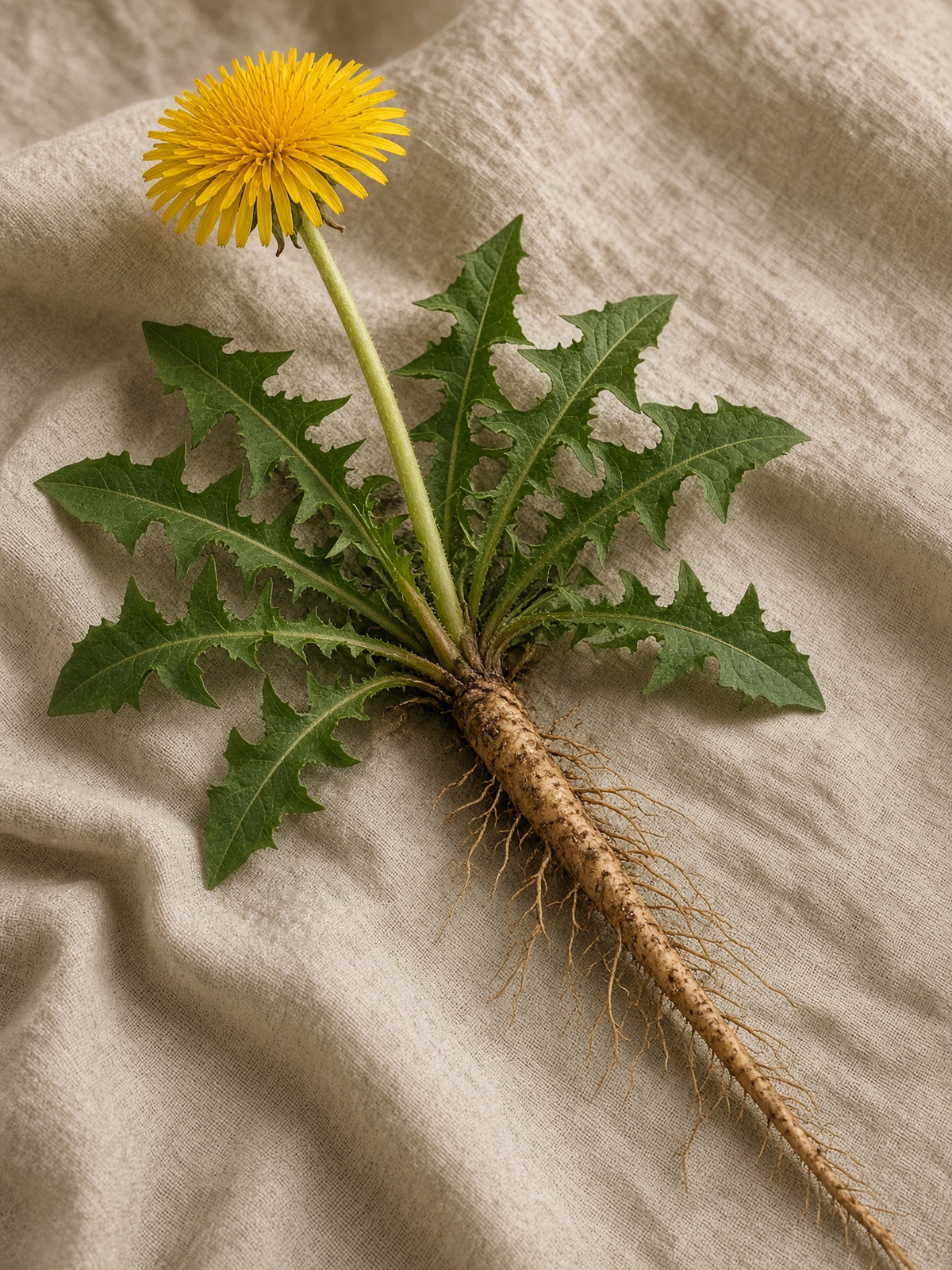 DandelionStrong traditionalTaraxacum officinale
Root as a traditional bitter/choleretic. Human file thin. Leaf is a potassium-losing diuretic — different object.
Typical. Root tea/extract as labeled if used at all, and never in obstruction.
Safety. Obstruction/cholangitis: no. Leaf: diuretic.
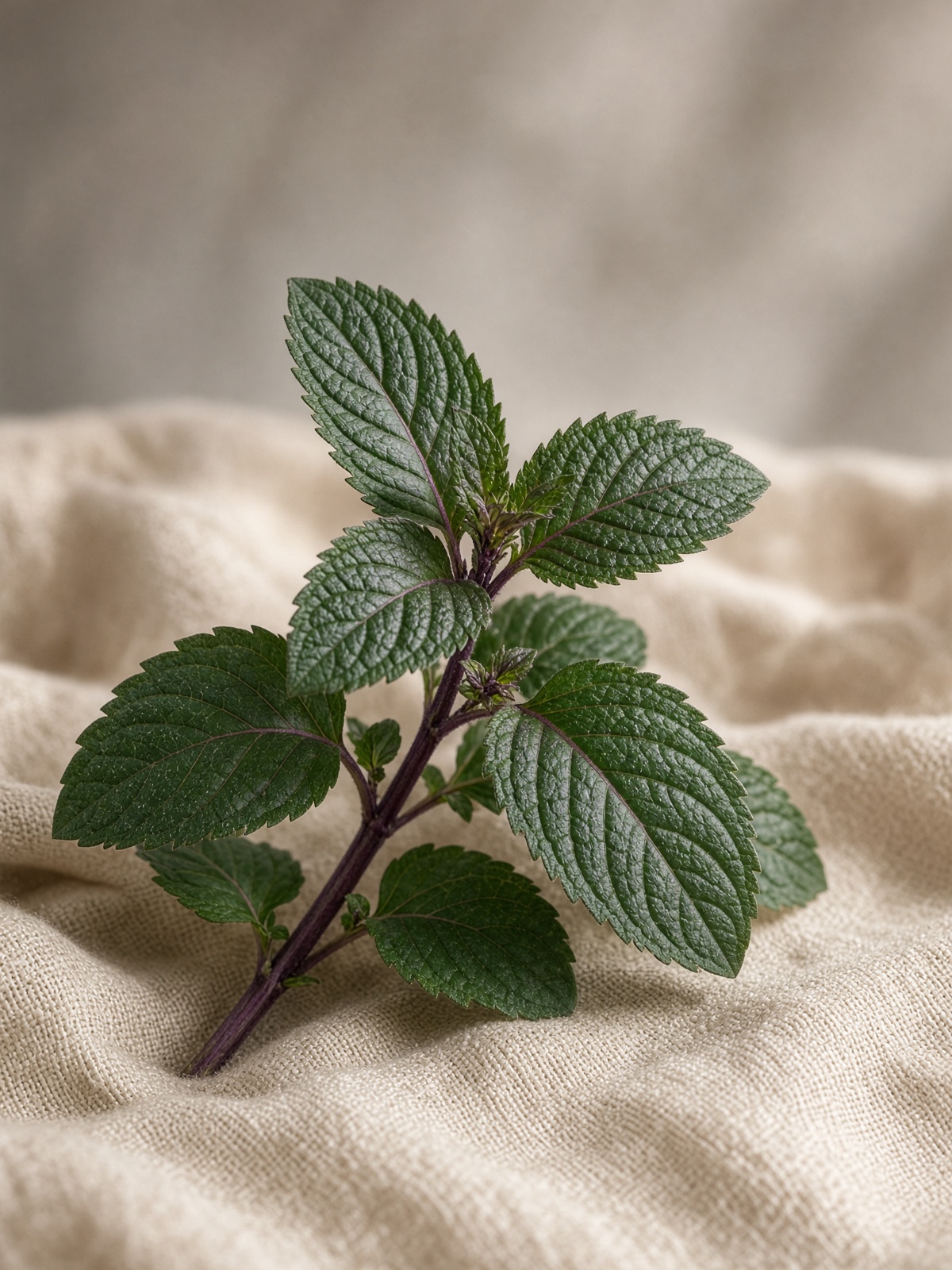 PeppermintStrong traditionalMentha × piperita
Skip if reflux or sphincter-of-Oddi folklore is the worry. Enteric oil is an IBS object.
Typical. Usually skip here.
Safety. GERD. Infants: no oil.
Clinical notes
- Fever, jaundice, or a palpable gallbladder is cholangitis/cholecystitis until proven otherwise.
When this is not enough
- RUQ peritonitis, fever + jaundice, ascending cholangitis, pancreatitis, pregnancy with colic
Rooted is a private clinical reference for licensed practitioners. It is educational, not a treatment protocol, and not a substitute for the chart, the exam, or pharmacy review. Plant medicines interact with drugs and can harm liver, kidney, heart, pregnancy, and children.