Asteraceae · root, leaf
Dandelion
Taraxacum officinale
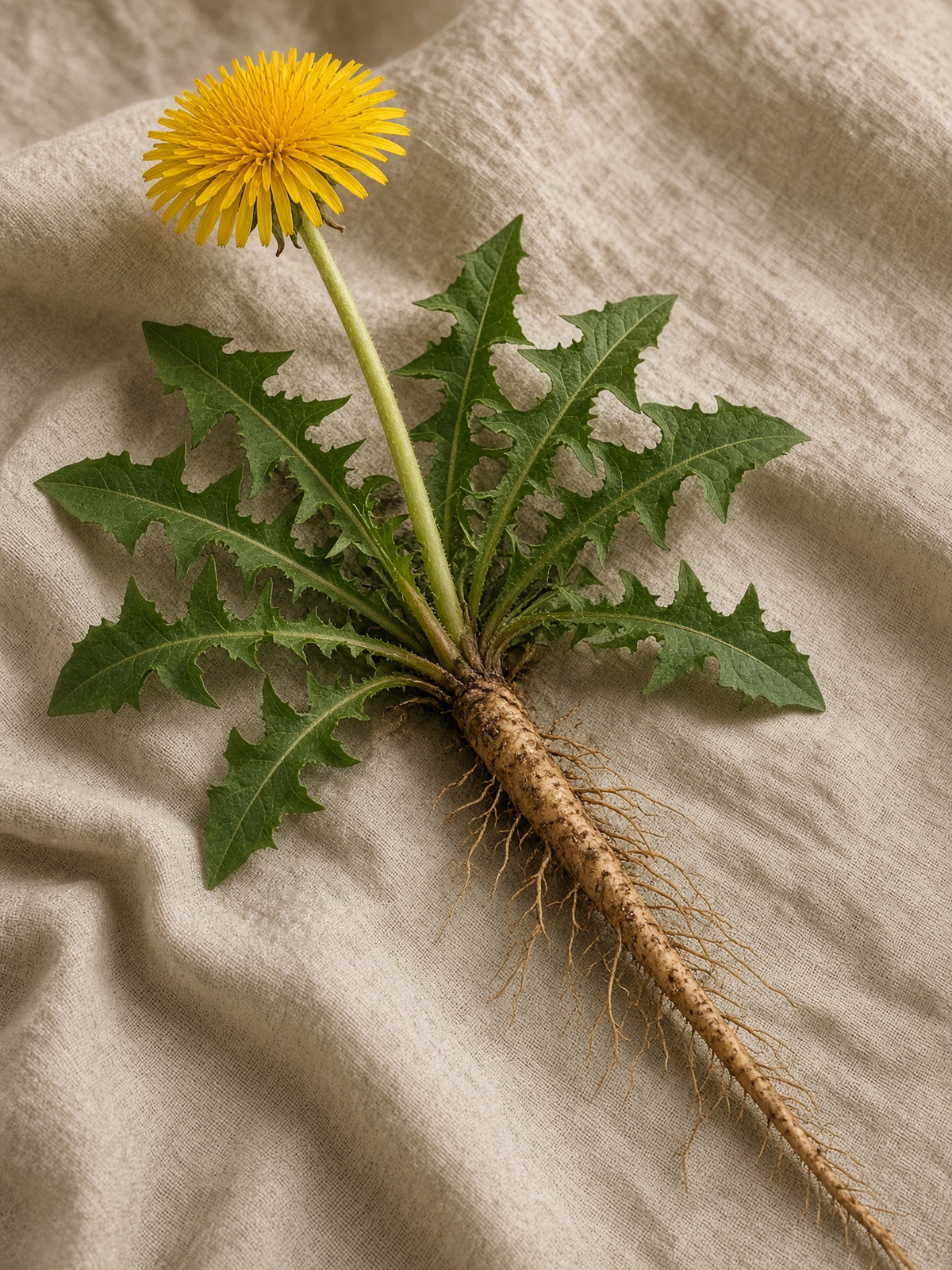
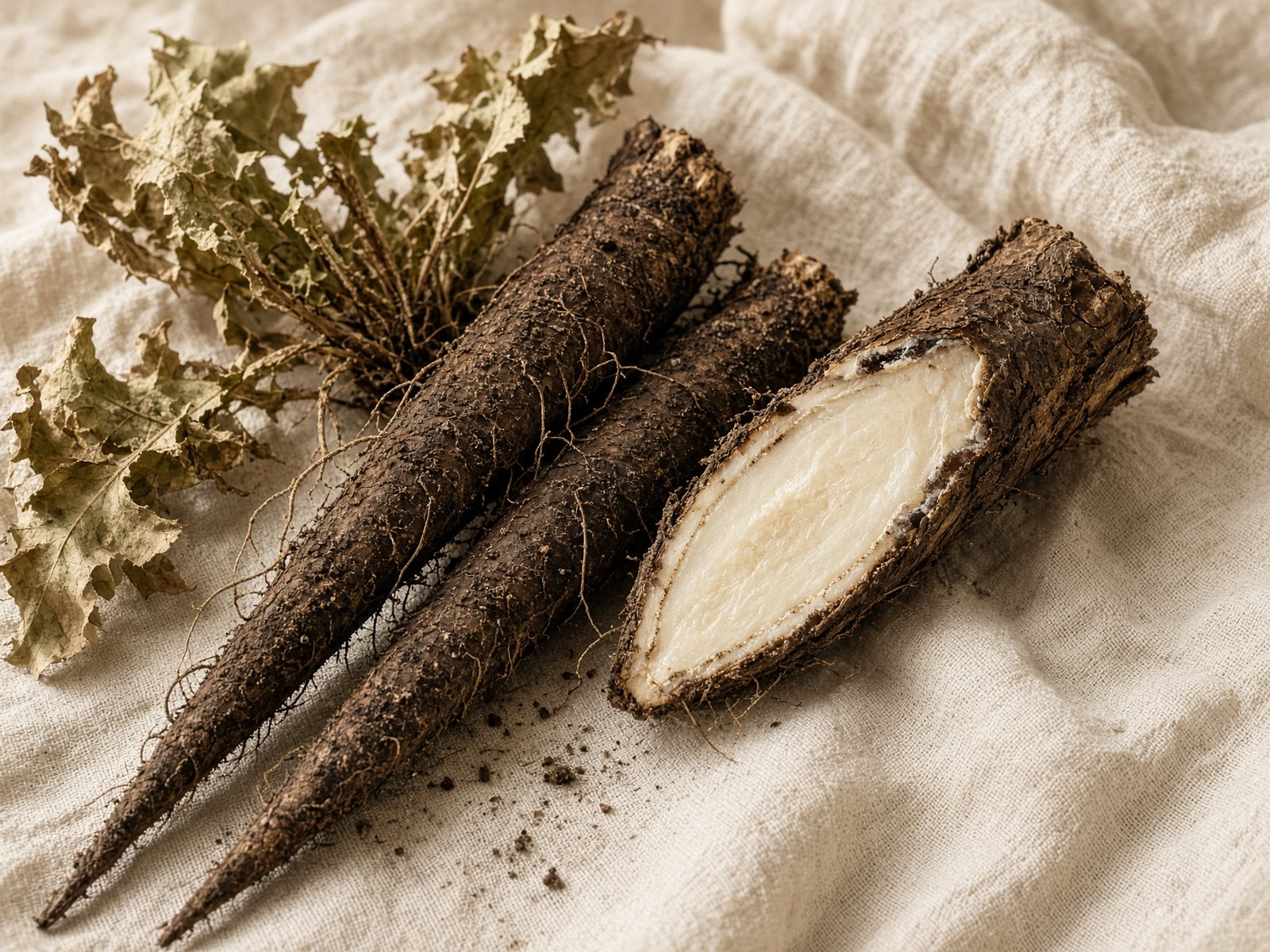
Root is the classic bitter; leaf is the traditional potassium-rich diuretic green. Human standalone trials are sparse.
Safety first
Leaf as a cooked green is food-like. Medicinal extracts are bitters and traditional diuretics — contraindicated in bile-duct obstruction and not a substitute for evaluating edema.
Tradition vs trials
Traditional record. European bitters, TCM pugongying (related Taraxacum spp.), and folk salad use overlap but are not the same preparation.
Trial literature. A few small human diuresis studies exist; this catalog keeps the tag traditional because disease-outcome evidence is lacking.
Practical ranges
Educational ranges — not a prescription. Culinary use is not an extract.
leaf or root
Commission E listed several grams of leaf or root daily as tea or equivalent; these are traditional ranges
German Commission E — Educational range only — not a prescription. A licensed clinician individualizes product, dose, and duration.
Pregnancy, nursing, children
- Pregnancy. Culinary leaf is food-like; medicinal extracts lack adequate pregnancy data.
- Nursing. Culinary leaf is food-like; medicinal extracts lack adequate lactation data.
- Children. Culinary greens are food; medicinal bitters are not pediatric by default.
Contraindications
- bile-duct obstruction
- Asteraceae allergy
- do not self-treat unexplained edema
Key interactions
- loop / thiazide diuretics · note
Theoretical additive fluid loss; leaf also adds potassium, unlike those drugs.
- fluoroquinolones / minerals · note
Mineral-rich leaf teas can theoretically chelate some drugs if taken together.