Other / General · also Nervous / Mental
Altitude illness (adjunct)
3 plants
Ask Assistant about thisHeadache, nausea, and poor sleep above ~2500 m is AMS until the exam says otherwise. Descent is the treatment. Acetazolamide still exists. Ginkgo has mixed, mostly unconvincing AMS-prevention trials and a bleeding file — relevant if they later need dexamethasone IM or a rescue. Rhodiola is marketed for altitude in some regions; evidence is thin. Ataxia or dyspnea at rest is an emergency, not a leaf.
Primary plants
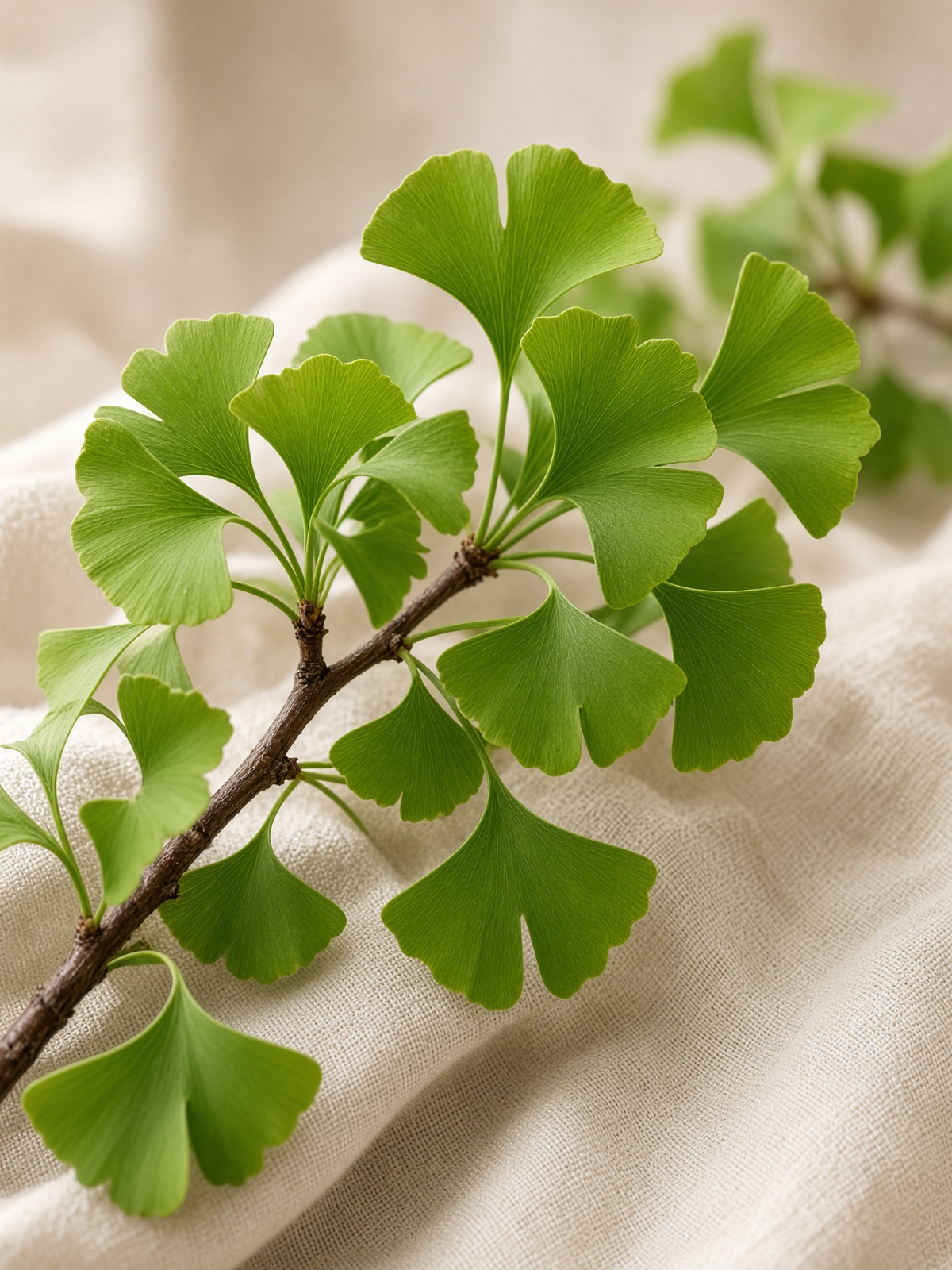 1GinkgoHuman data
Ginkgo biloba
Mixed AMS-prevention trials, often unimpressive. Bleeding.
Typical. EGb 761-type products in some protocols — do not skip acetazolamide for this. Not roasted seed.
Safety. Bleed. Not HACE/HAPE treatment.
Supportive plants2
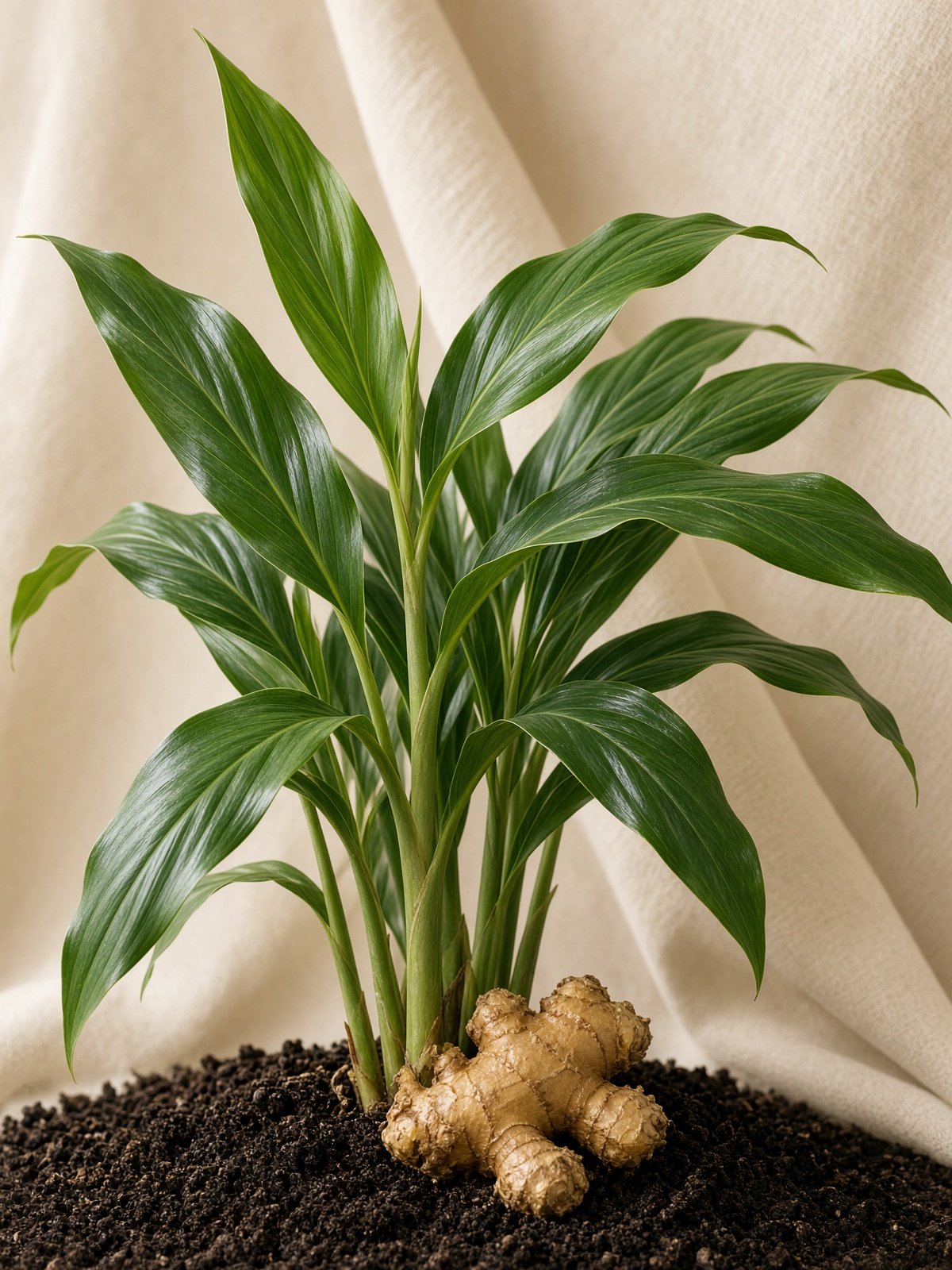 GingerHuman dataZingiber officinale
Nausea of AMS. Does not treat the altitude.
Typical. 1–2 g dried rhizome/day divided.
Safety. Extracts: bleeding.
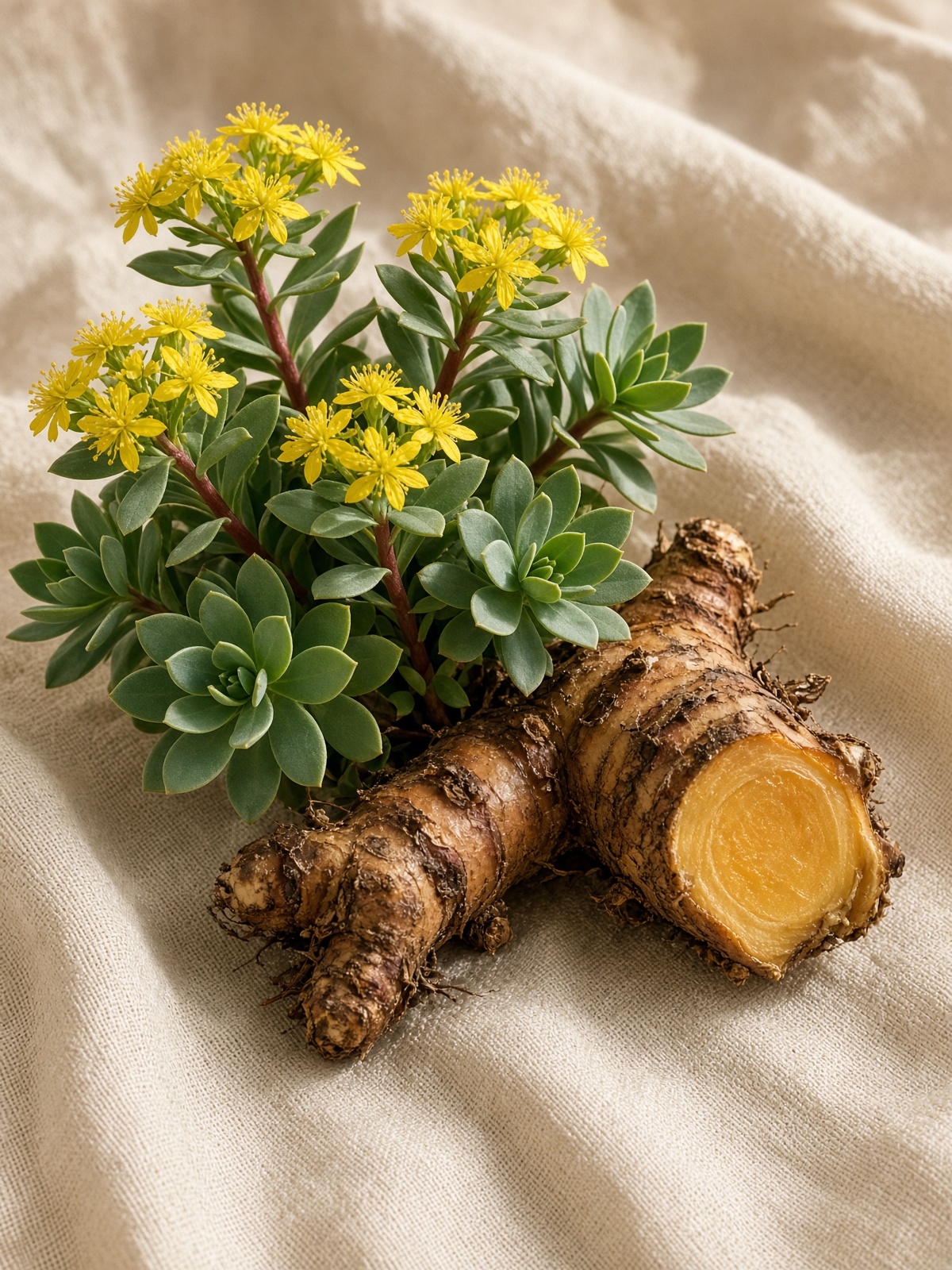 RhodiolaStrong traditionalRhodiola rosea
Traditional/modern marketing for altitude fatigue. File thinner than acetazolamide by a long way.
Typical. Root extract as labeled if they already take it for fatigue.
Safety. Insomnia, irritability.
Clinical notes
- Ataxia, confusion, or dyspnea at rest: descend and use the emergency protocol. Ginkgo does not treat HACE.
When this is not enough
- HACE, HAPE, ataxia, dyspnea at rest, someone skipping descent for a tincture
Rooted is a private clinical reference for licensed practitioners. It is educational, not a treatment protocol, and not a substitute for the chart, the exam, or pharmacy review. Plant medicines interact with drugs and can harm liver, kidney, heart, pregnancy, and children.