Immune / Rheum / Allergy · also Respiratory
Allergic conjunctivitis (adjunct)
3 plants
Ask Assistant about thisItchy, watery, bilateral, allergic. Antihistamine/mast-cell drops and INCS for the nose still win. Chamomile compresses are a classic way to create more allergy or a contaminated-eyewash problem. Butterbur (PA-free) and nettle are oral rhinitis files. Unilateral painful red eye is not allergy.
Primary plants
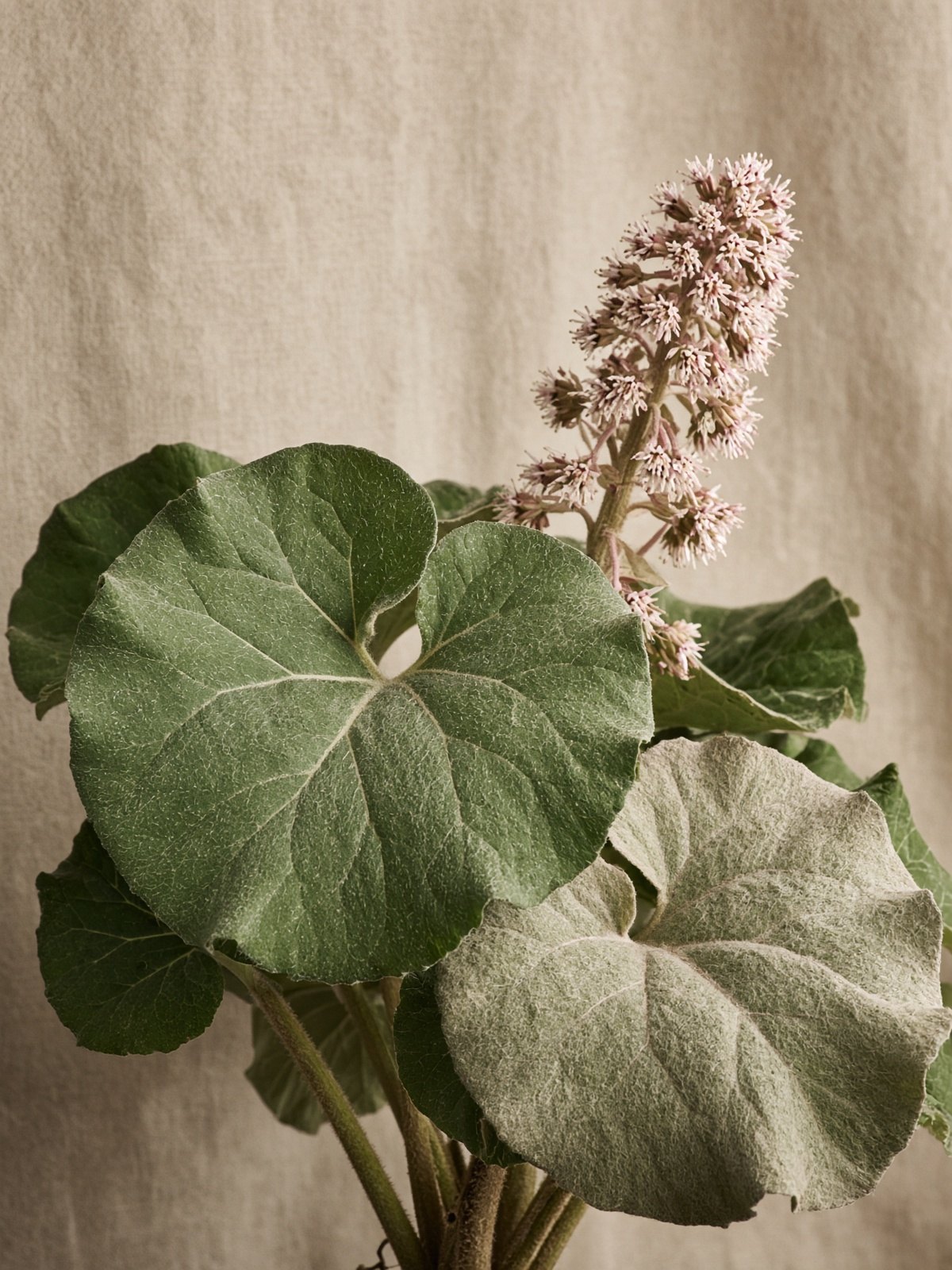 1ButterburHuman data
Petasites hybridus
PA-free Petasites has human seasonal-rhinitis trials; ocular itch may follow the nose. Raw herb is hepatotoxic.
Typical. Certified PA-free extract as labeled.
Safety. Only PA-free. Liver disease and pregnancy: no. Asteraceae. Not an eyedrop.
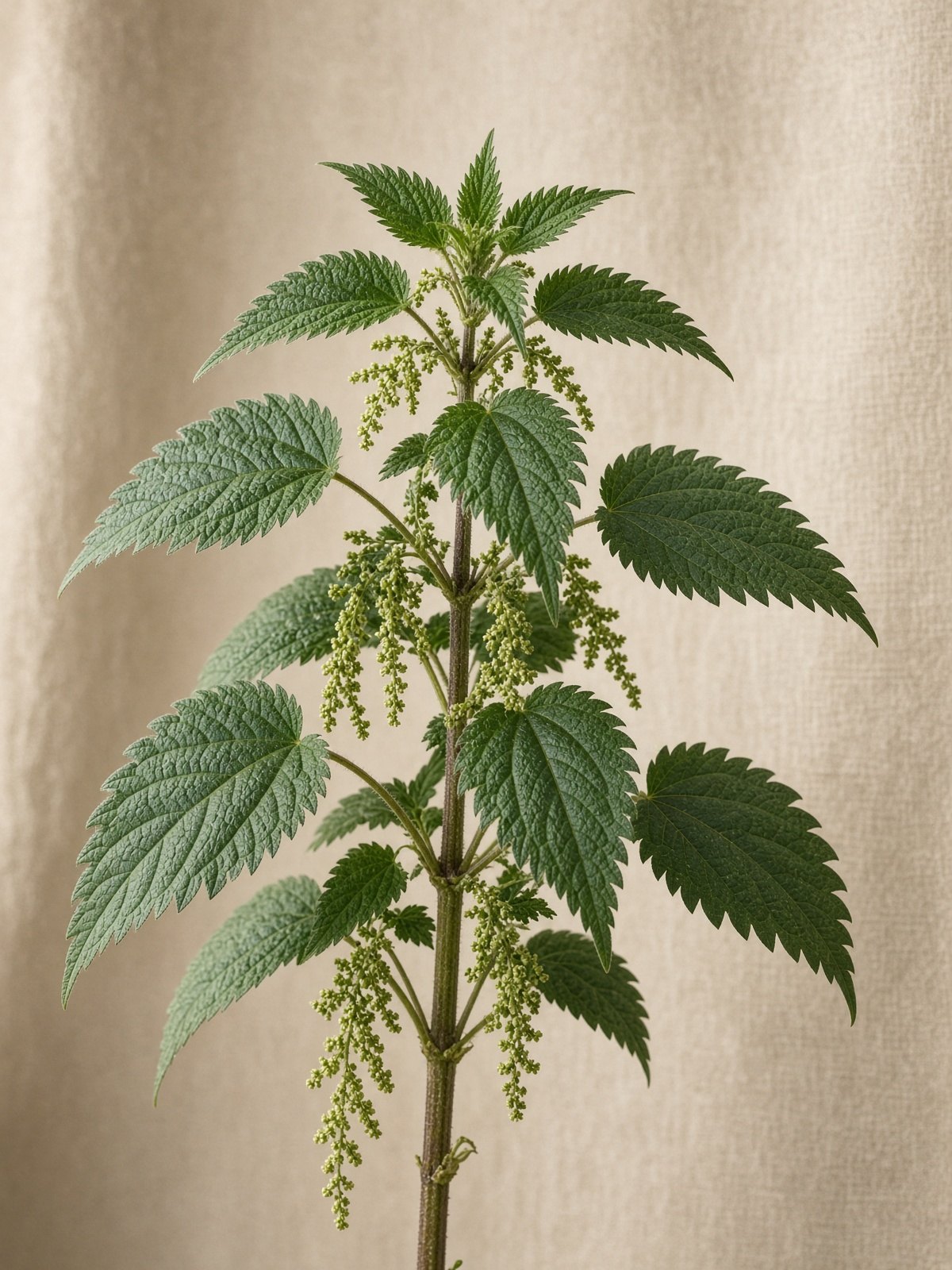 2Stinging nettleStrong traditional
Urtica dioica
Traditional freeze-dried leaf for hay-fever mucosa. Mixed small human data.
Typical. Freeze-dried leaf 300–600 mg tid as in older studies, or leaf tea.
Safety. Fresh plant stings. Not an eyewash.
Supportive plants1
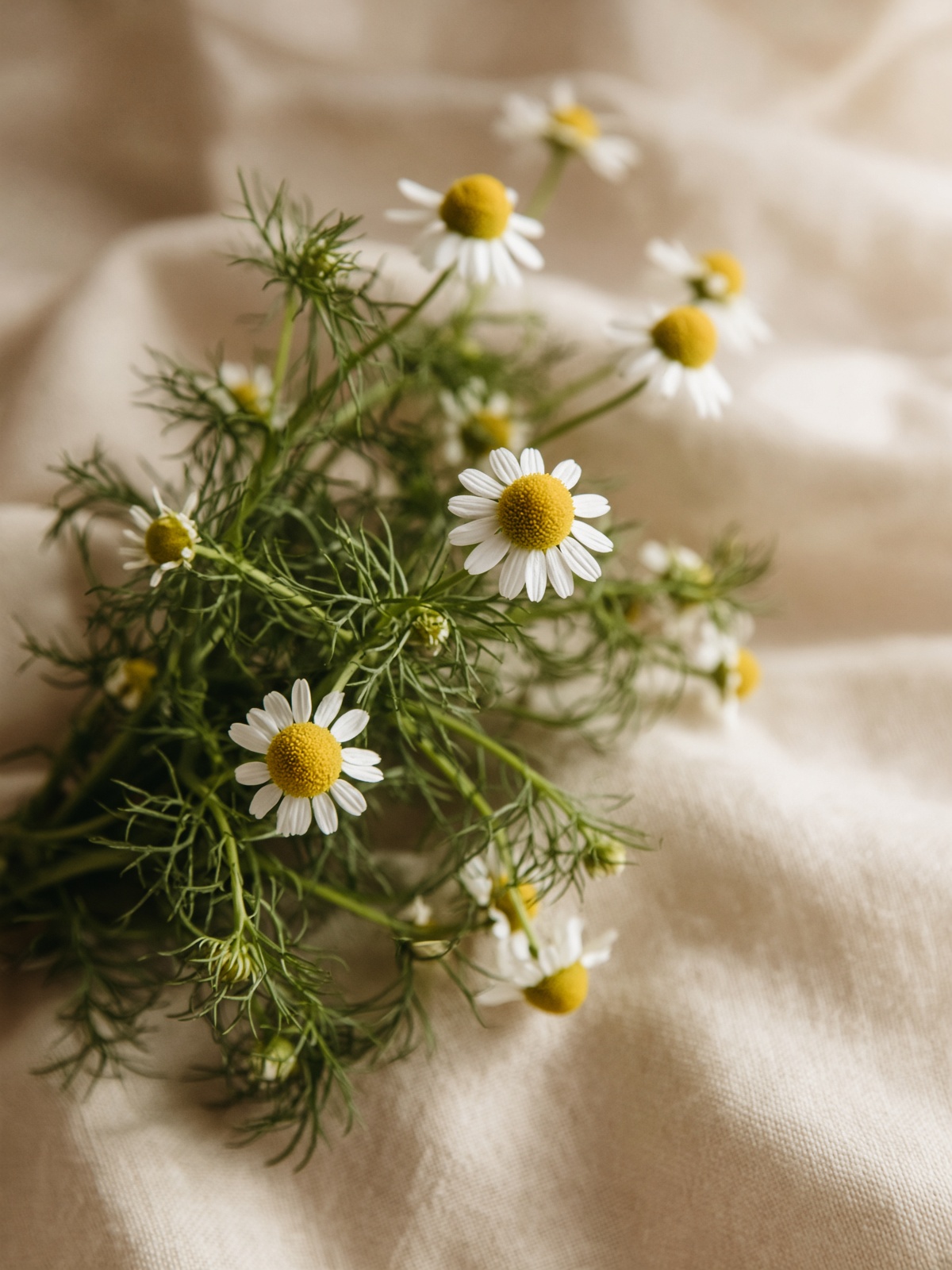 German chamomileStrong traditionalMatricaria chamomilla
Do not recommend as an eyewash. Asteraceae on an allergic conjunctiva is the wrong instinct.
Typical. If used at all, tea for the associated rhinitis — not a compress on the eye.
Safety. Cross-reactivity. Contamination risk of homemade eyewashes.
Clinical notes
- Homemade chamomile, tea-tree, or honey in the eye is how people get chemical injury and infection.
When this is not enough
- Unilateral painful red eye, photophobia, vision change, contact-lens keratitis, neonatal red eye
Rooted is a private clinical reference for licensed practitioners. It is educational, not a treatment protocol, and not a substitute for the chart, the exam, or pharmacy review. Plant medicines interact with drugs and can harm liver, kidney, heart, pregnancy, and children.