Respiratory
Productive cough
4 plants
Ask Assistant about thisAcute bronchitis after a viral prodrome. Hedera helix leaf extracts appear in acute-cough trials — not ornamental ivy. Thyme is traditional spasmolytic/expectorant, often in combination products. Hemoptysis, night sweats, and a 3-week cough in a smoker is a different page.
Primary plants
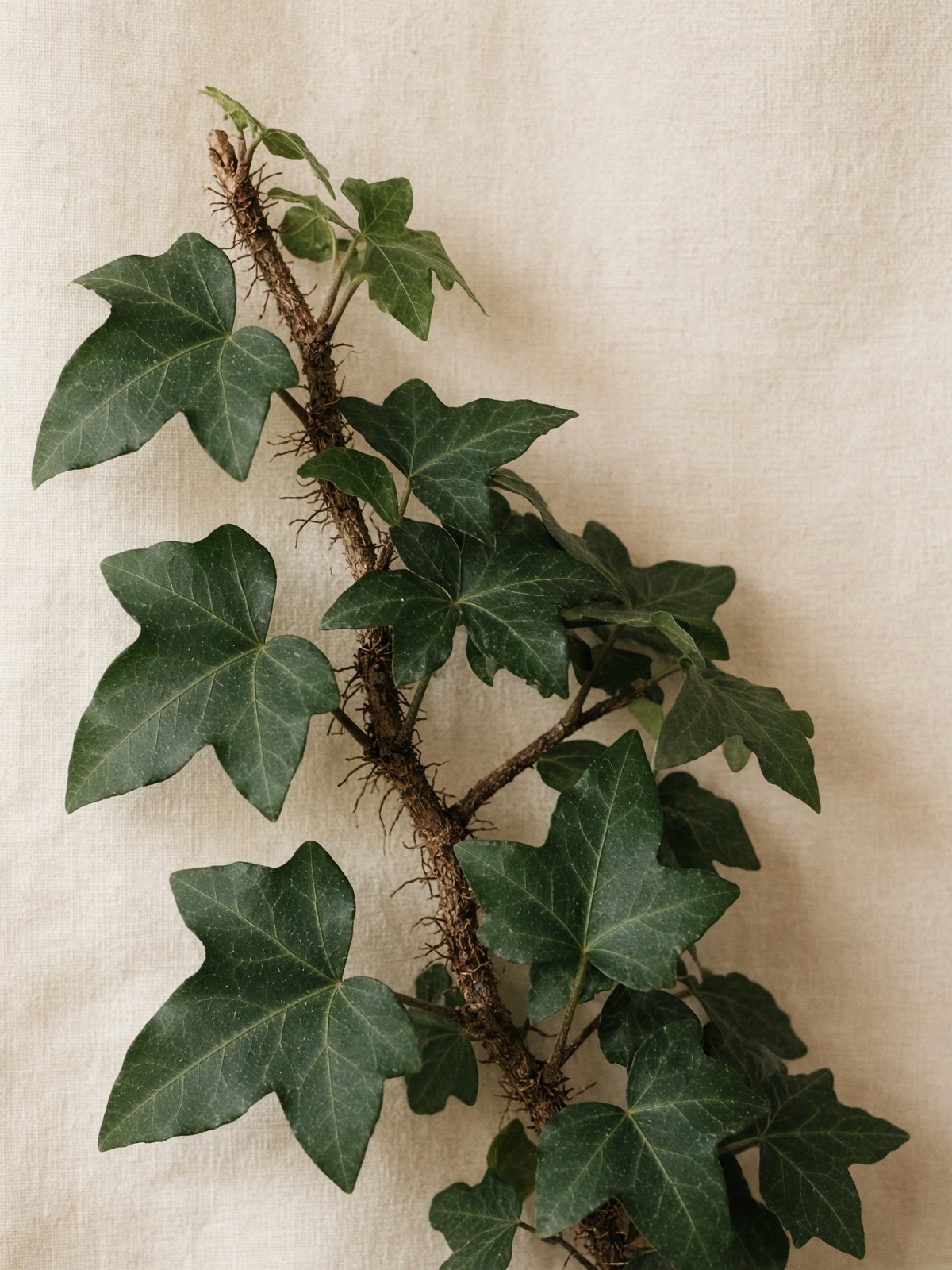 1English ivyHuman data
Hedera helix
Hedera helix leaf extracts appear in acute-cough product trials.
Typical. Standardized leaf extract as labeled — not ornamental ivy DIY.
Safety. GI upset. Don't forage random ivy.
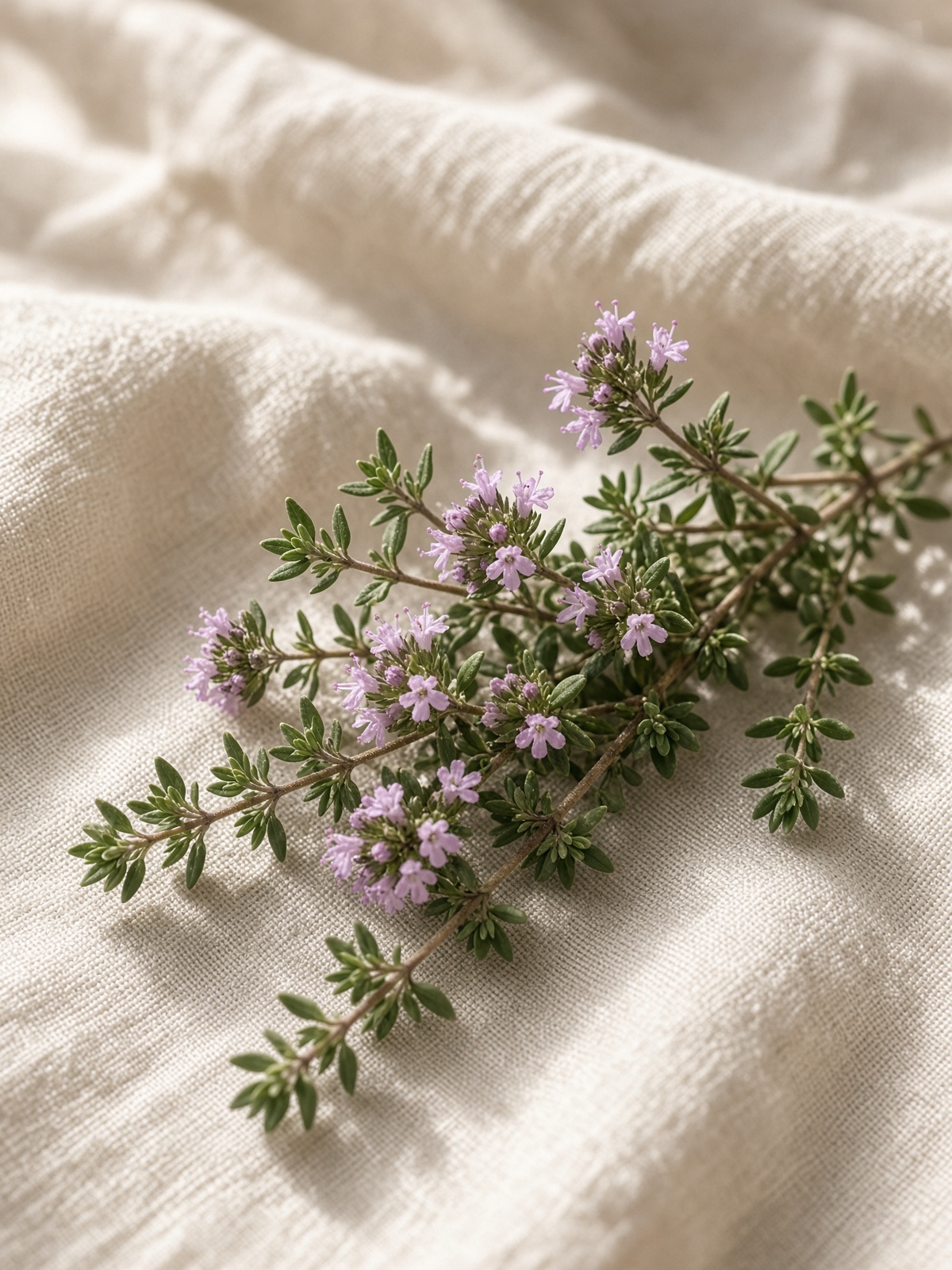 2ThymeStrong traditional
Thymus vulgaris
Traditional spasmolytic/expectorant; some acute-bronchitis product data.
Typical. Leaf tea or thyme/ivy combination as labeled.
Safety. Lamiaceae. Essential oil internally is concentrated.
Supportive plants2
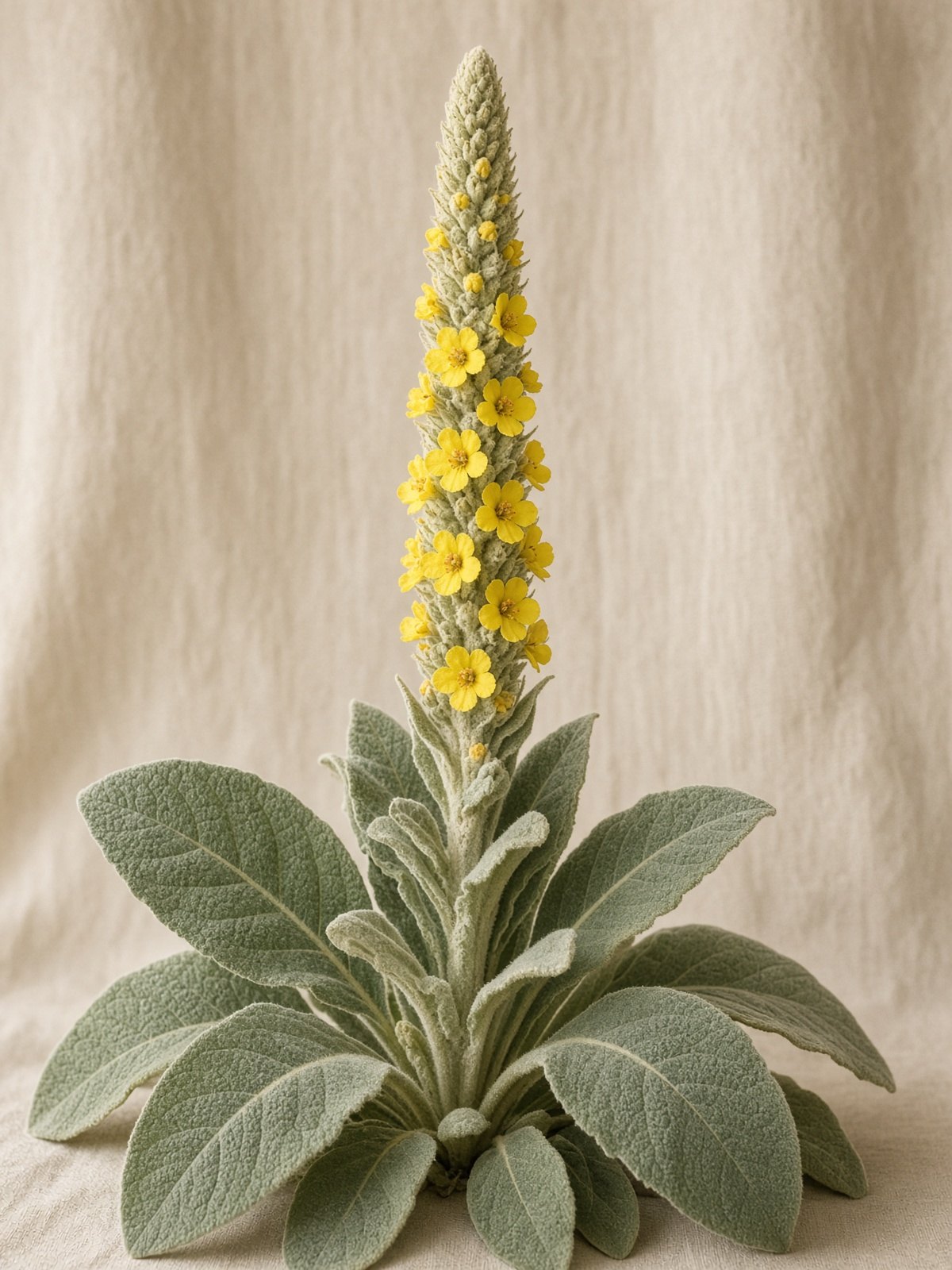 MulleinStrong traditionalVerbascum thapsus
Traditional respiratory demulcent/expectorant.
Typical. Leaf/flower tea, well strained (hairs irritate).
Safety. Strain the tea.
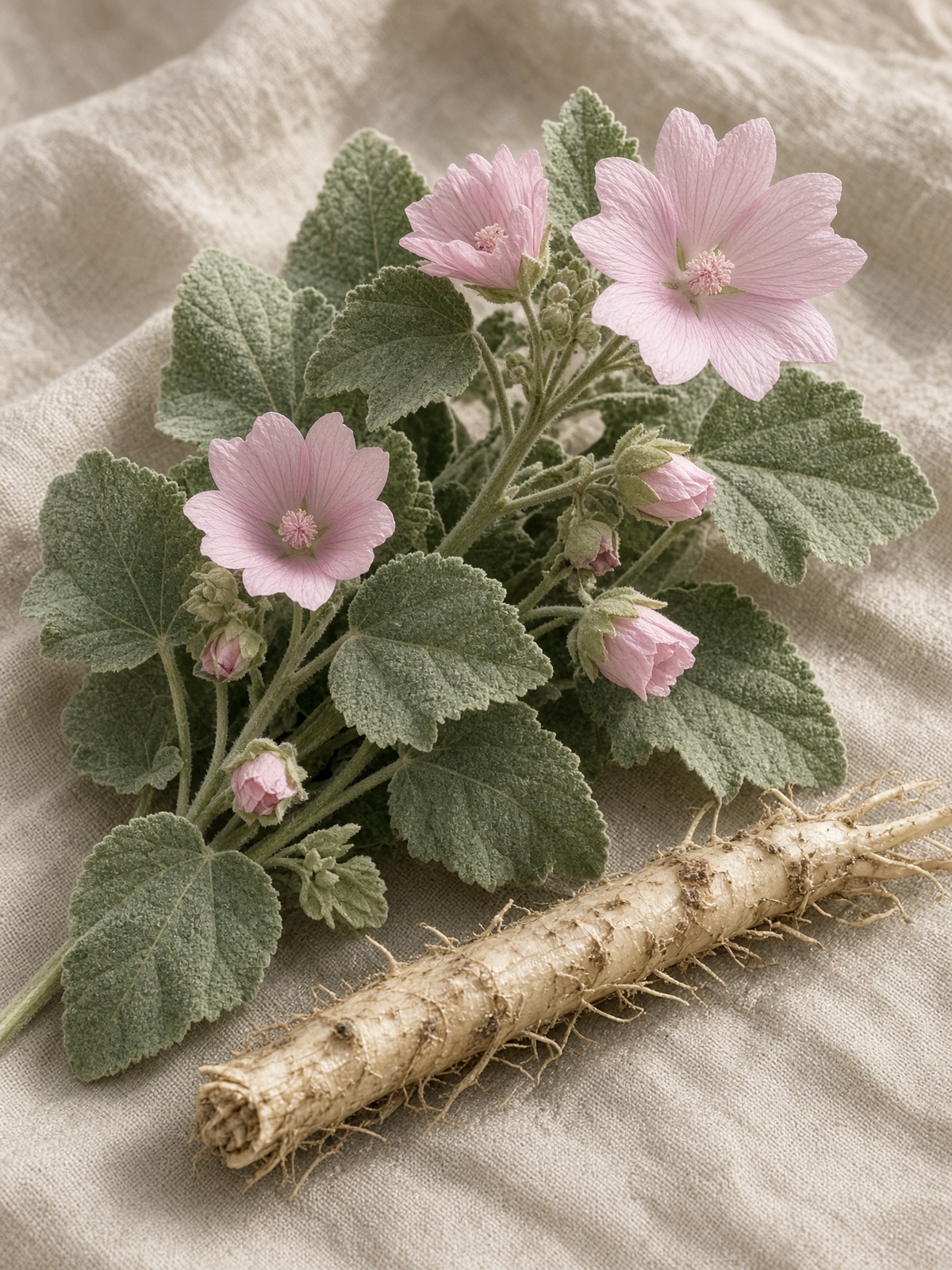 MarshmallowStrong traditionalAlthaea officinalis
Demulcent when the leftover is irritated airway more than phlegm.
Typical. Root tea.
Safety. Drug binding.
When this is not enough
- Hemoptysis, hypoxia, suspected pneumonia, TB-range symptoms, heart-failure cough, ACEI cough as the actual cause
Rooted is a private clinical reference for licensed practitioners. It is educational, not a treatment protocol, and not a substitute for the chart, the exam, or pharmacy review. Plant medicines interact with drugs and can harm liver, kidney, heart, pregnancy, and children.