Women’s Health
Perimenopause symptoms
4 plants
Ask Assistant about thisBlack cohosh: mixed vasomotor trials, rare DILI, not estrogen but still a liver conversation. Sage for sweating is traditional/small. Chaste tree if cycles are still PMS-like. Do not sell 'bioidentical wild yam cream' as progesterone — it isn't.
Primary plants
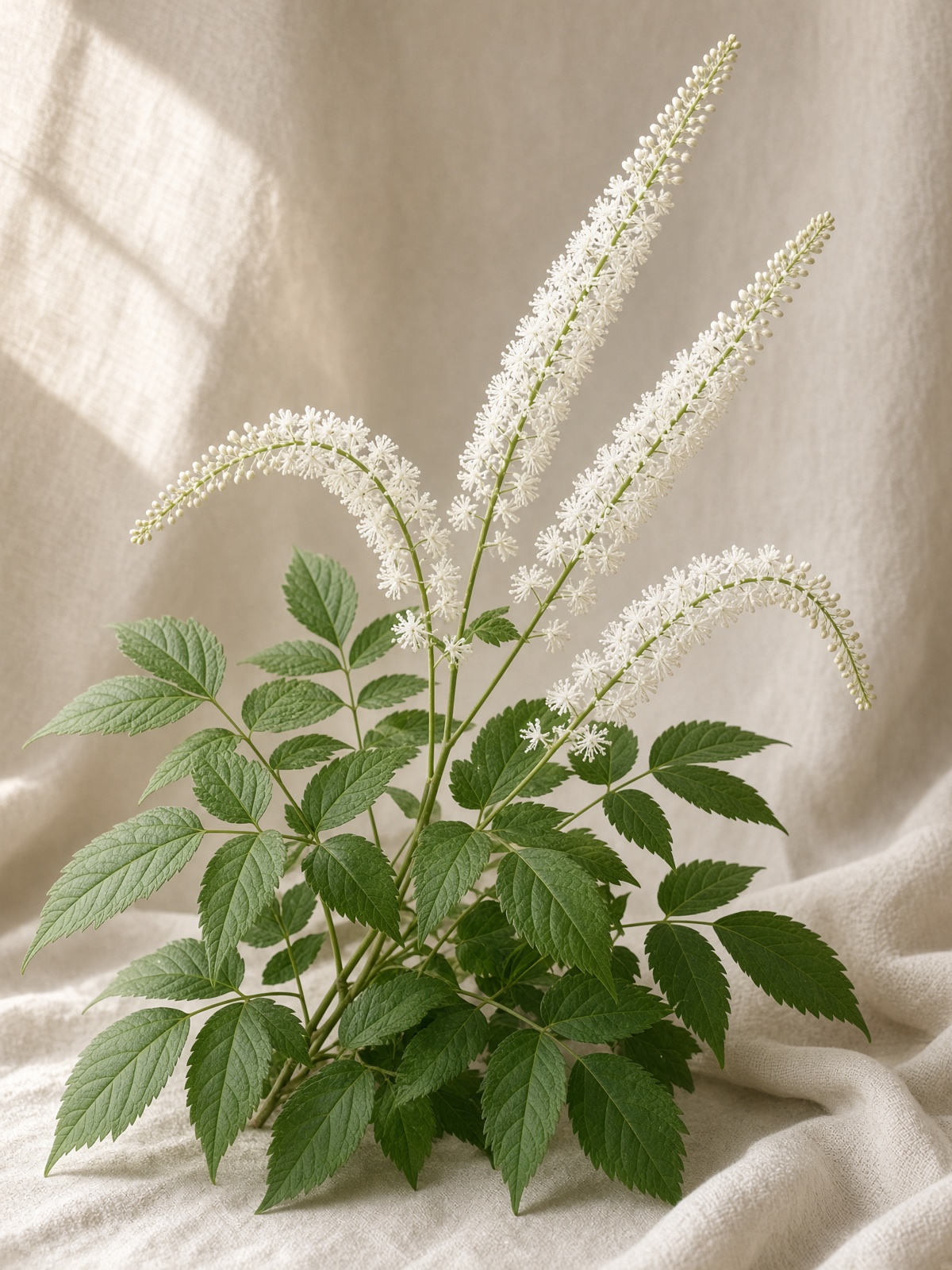 1Black cohoshHuman data
Actaea racemosa
Mixed human vasomotor data. Rare hepatotoxicity is the practice point.
Typical. Root extract (e.g. 40–80 mg/day isopropanolic) — product-specific.
Safety. Stop for jaundice. Not a proven breast-cancer-safe 'estrogen alternative' in the way brochures claim. Limit course, check LFTs if symptoms.
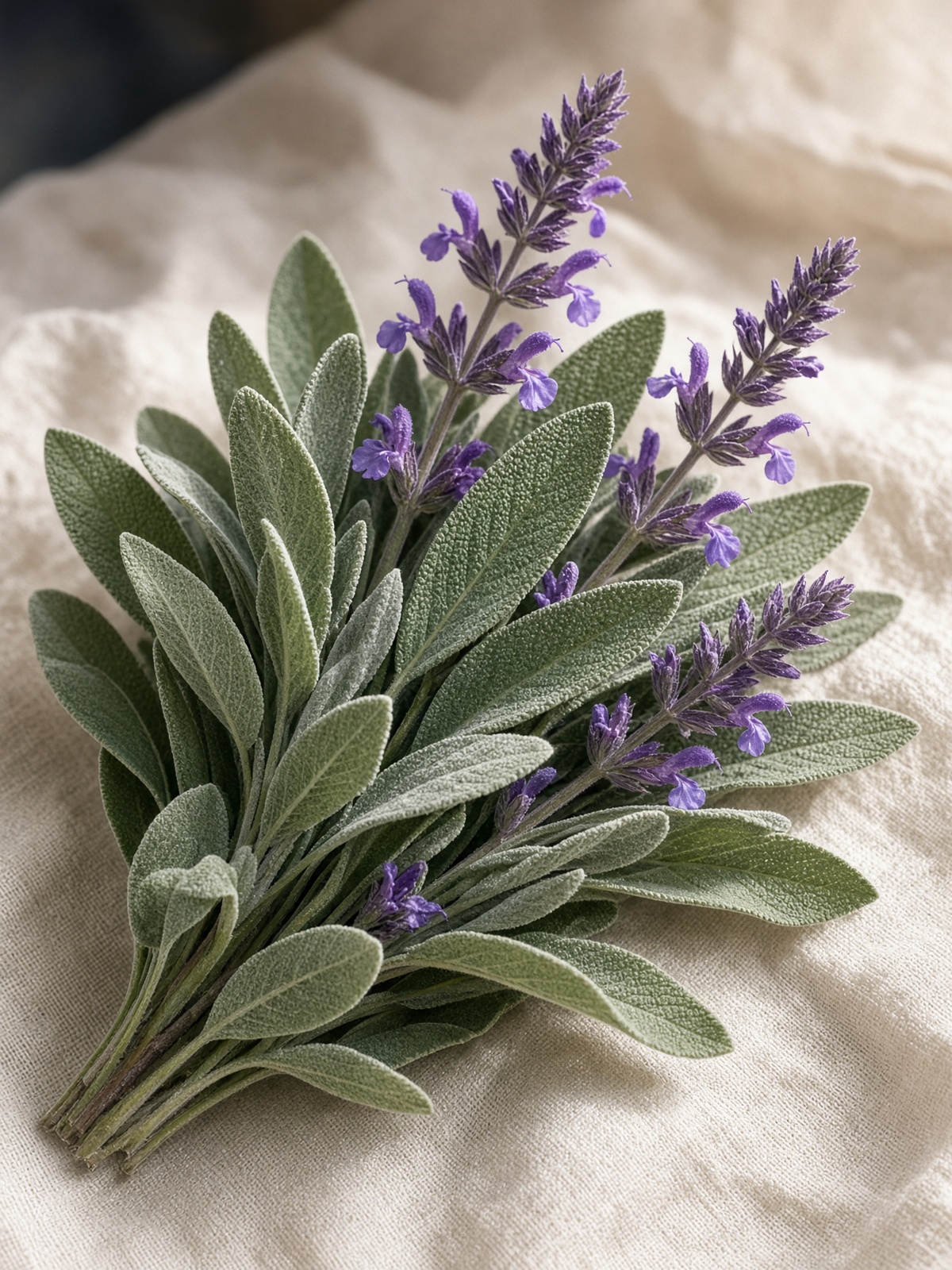 2SageStrong traditional
Salvia officinalis
Traditional antisudorific; some small night-sweat data.
Typical. Leaf tea. Essential oil internally is a different, thujone-containing object.
Safety. Pregnancy avoid medicinal. Thujone in oil.
Supportive plants2
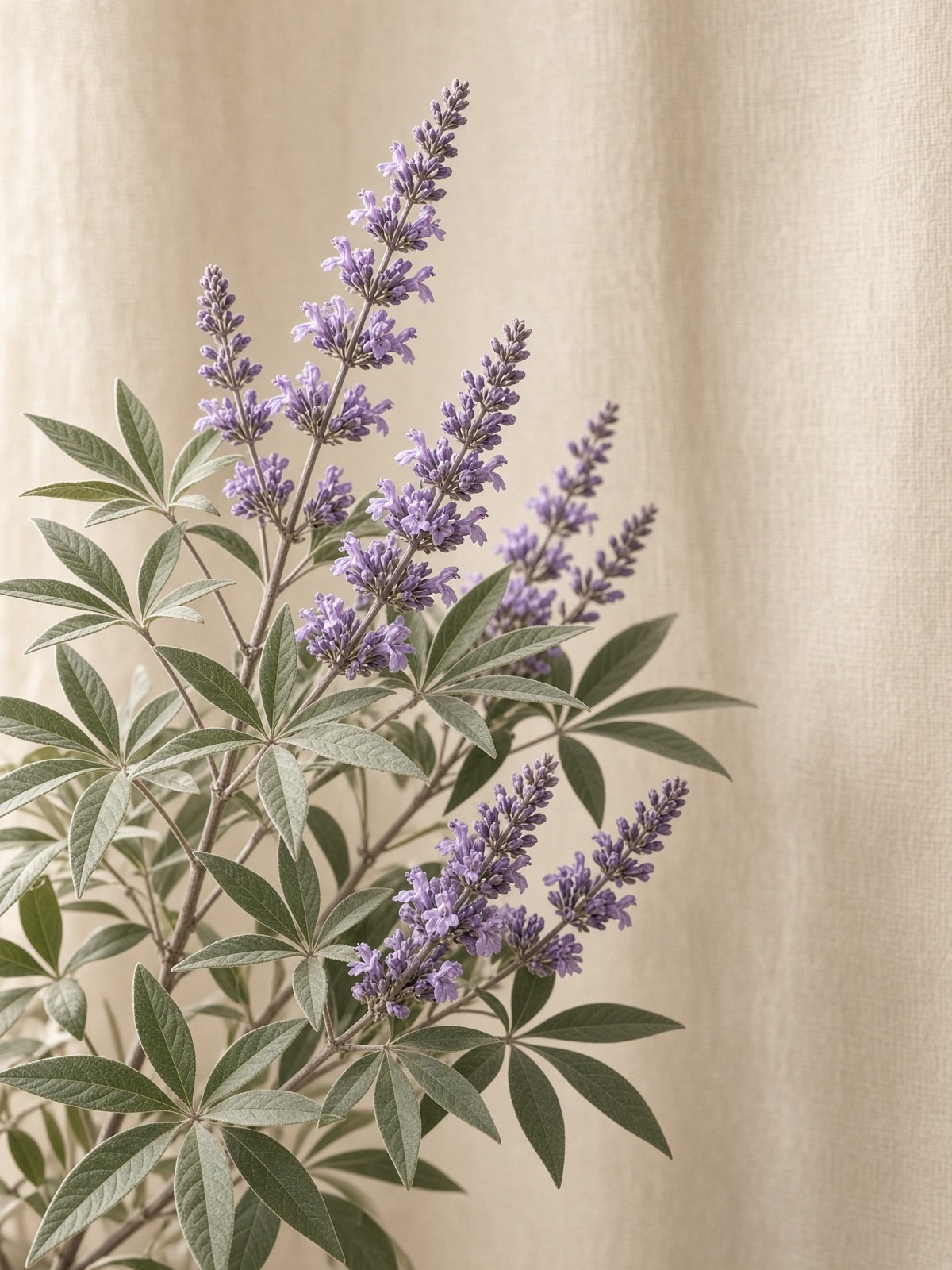 Chaste treeHuman dataVitex agnus-castus
If luteal PMS-type symptoms persist in late reproductive years.
Typical. 20–40 mg/day.
Safety. Hormone-sensitive cancer.
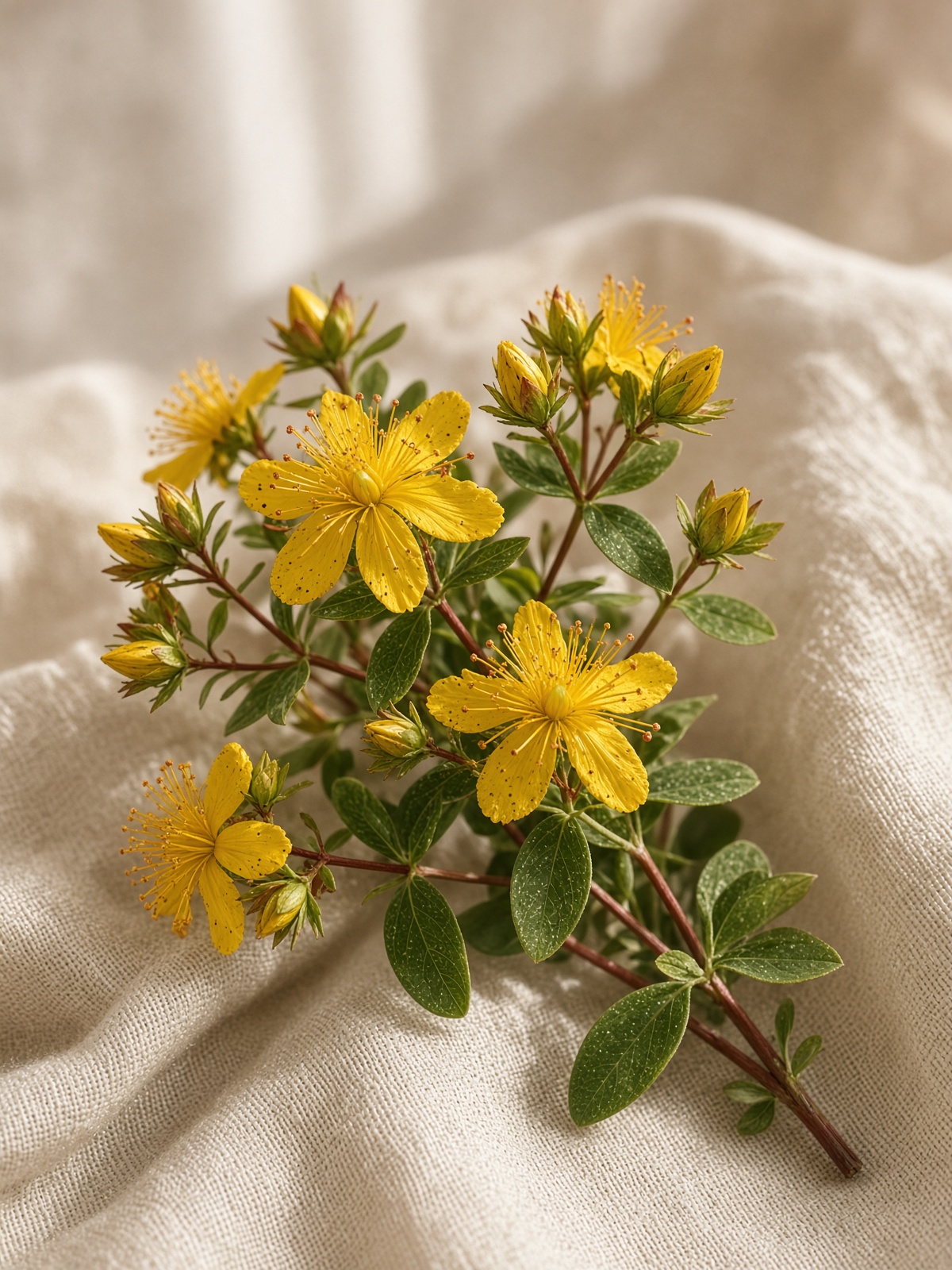 St John's wortHuman dataHypericum perforatum
Mood + some vasomotor combo-product data. Interactions.
Typical. Standardized extract.
Safety. CYP3A4 including HT/OCP.
Clinical notes
- Wild yam cream does not convert to progesterone on the skin.
When this is not enough
- Postmenopausal bleeding, night sweats with weight loss (think other), depression with SI
Rooted is a private clinical reference for licensed practitioners. It is educational, not a treatment protocol, and not a substitute for the chart, the exam, or pharmacy review. Plant medicines interact with drugs and can harm liver, kidney, heart, pregnancy, and children.