Genitourinary
Overactive bladder (adjunct)
3 plants
Ask Assistant about thisUrgency, frequency, nocturia without infection. A post-void residual, hematuria, and neurologic exam still come first. Cranberry is a UTI-prevention file, not an OAB drug. Saw palmetto is a BPH symptom file in men — not an overactive detrusor therapy. Horsetail is a traditional diuretic, which is the opposite of what nocturia wants.
Primary plants
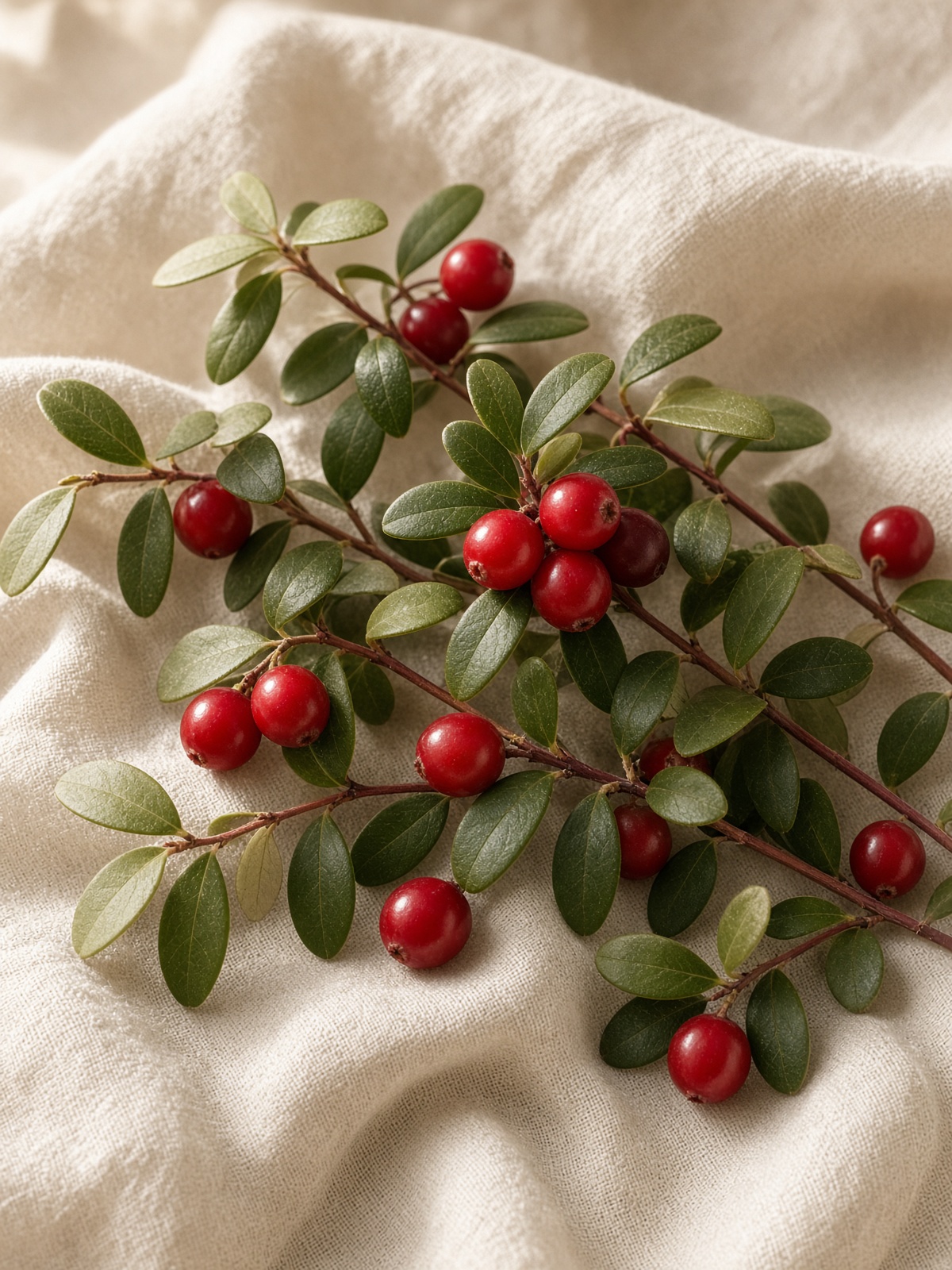 1CranberryHuman data
Vaccinium macrocarpon
UTI-prevention file (proanthocyanidins). Not an OAB antimuscarinic. Useful only if recurrent UTI is the real leftover.
Typical. Juice/extract as in prevention studies if UTI is the story — not for dry OAB.
Safety. Warfarin INR folklore. Sugar load in juice. GI.
Supportive plants2
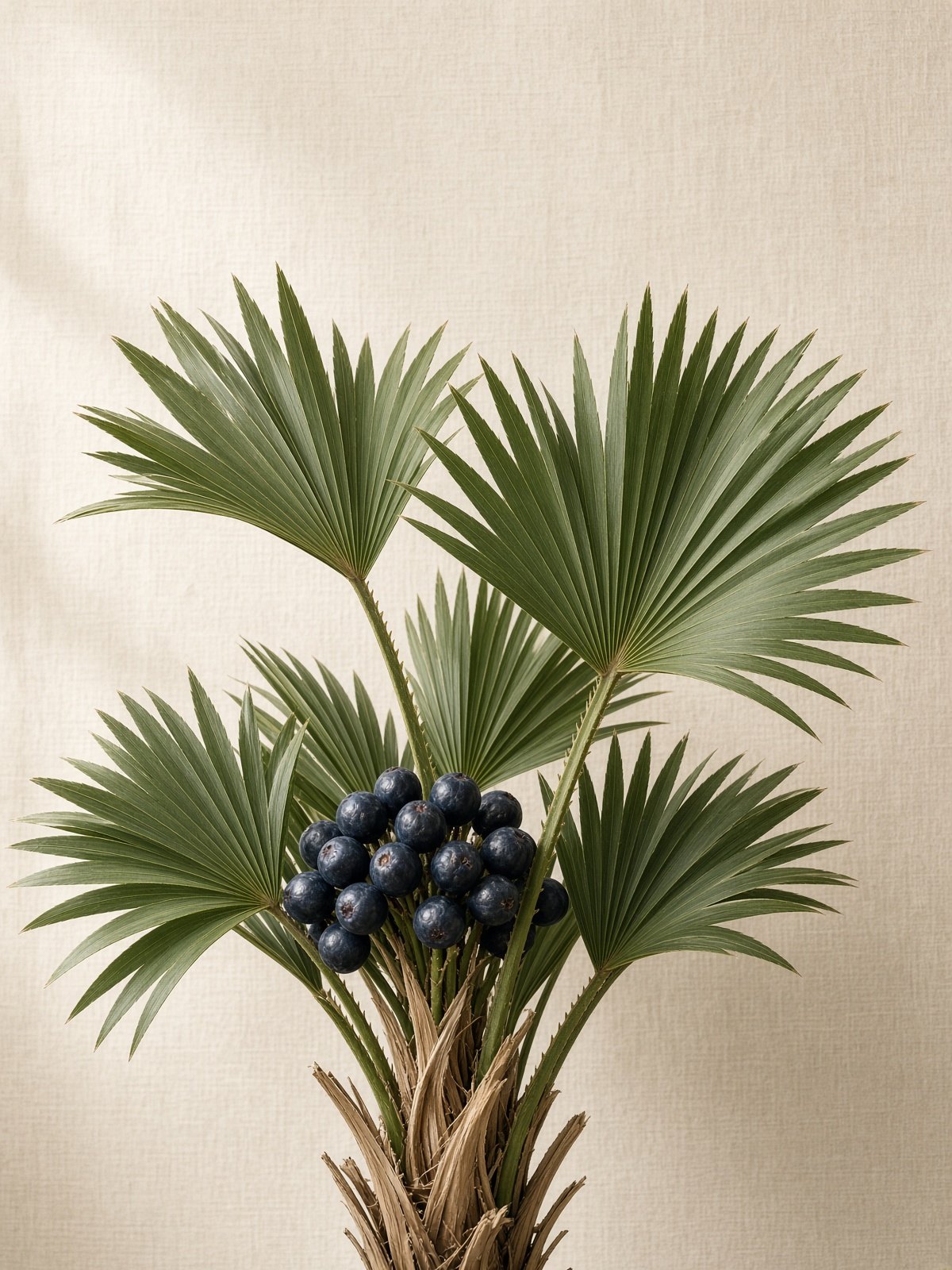 Saw palmettoHuman dataSerenoa repens
BPH LUTS file in men. Borrowed here only if the patient is a man with overlap. Not a woman's OAB drug.
Typical. Fruit extract as labeled for male LUTS overlap only.
Safety. GI. Not a prostate-cancer skip.
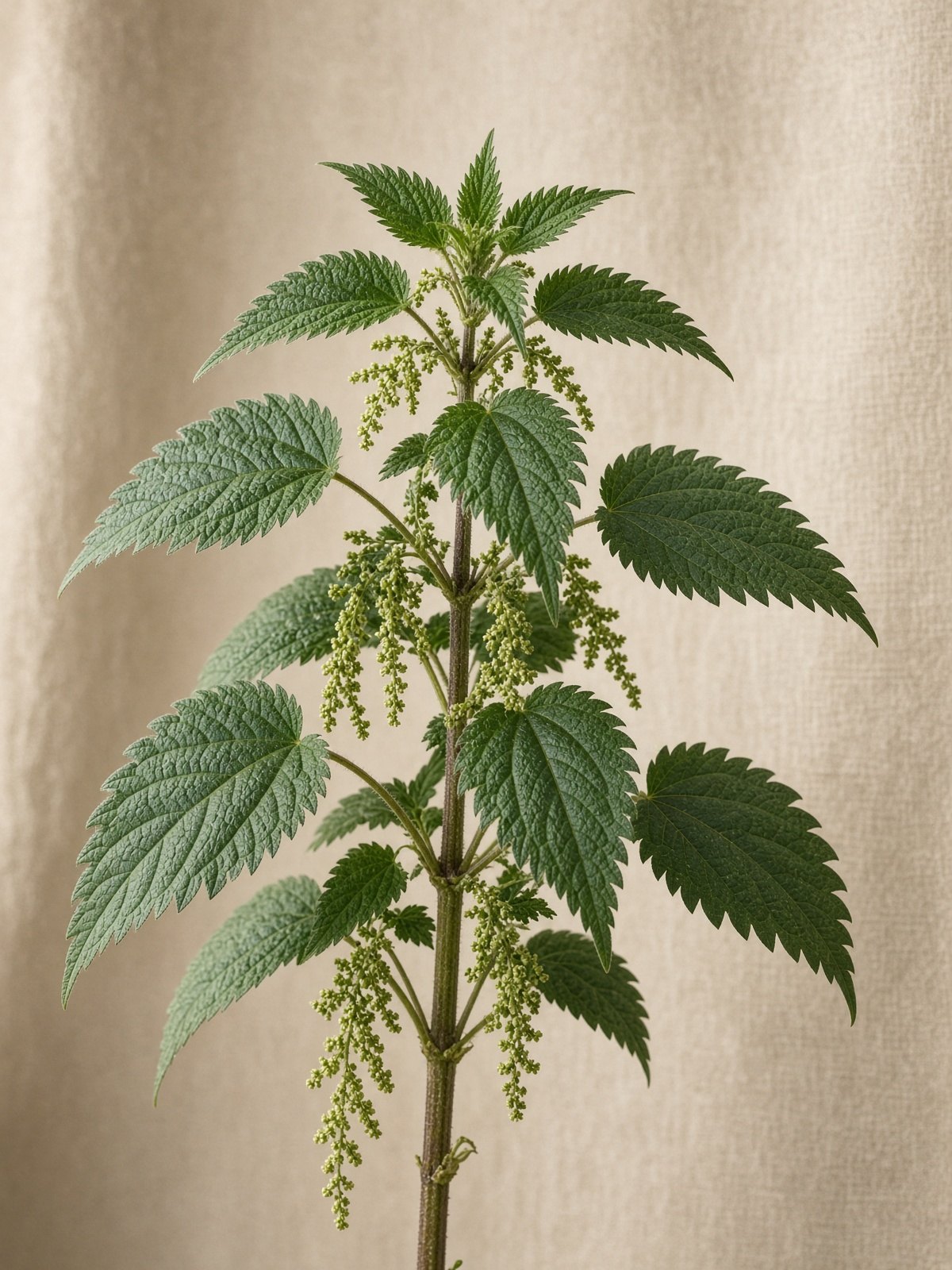 Stinging nettleStrong traditionalUrtica dioica
Root is a BPH-traditional; leaf is a different diuretic/hay-fever object. Easy to mix up.
Typical. If used at all, know which organ you bought.
Safety. Leaf stings fresh. Diuretic leaf can worsen nocturia.
Clinical notes
- New urgency plus hematuria or a smoking history is a bladder-cancer thought, not cranberry.
When this is not enough
- Retention, hematuria, fever/flank pain, cauda equina signs, overflow incontinence
Rooted is a private clinical reference for licensed practitioners. It is educational, not a treatment protocol, and not a substitute for the chart, the exam, or pharmacy review. Plant medicines interact with drugs and can harm liver, kidney, heart, pregnancy, and children.