Hepatic · also Digestive, Endocrine / Metabolic
NAFLD / metabolic liver fat
3 plants
Ask Assistant about thisPlants are adjunctive at best. Milk thistle (silymarin) has a mixed human file and is not a substitute for weight change, alcohol history, and diabetes care. Green-tea extract is a liver-injury risk — do not stack it here.
Primary plants
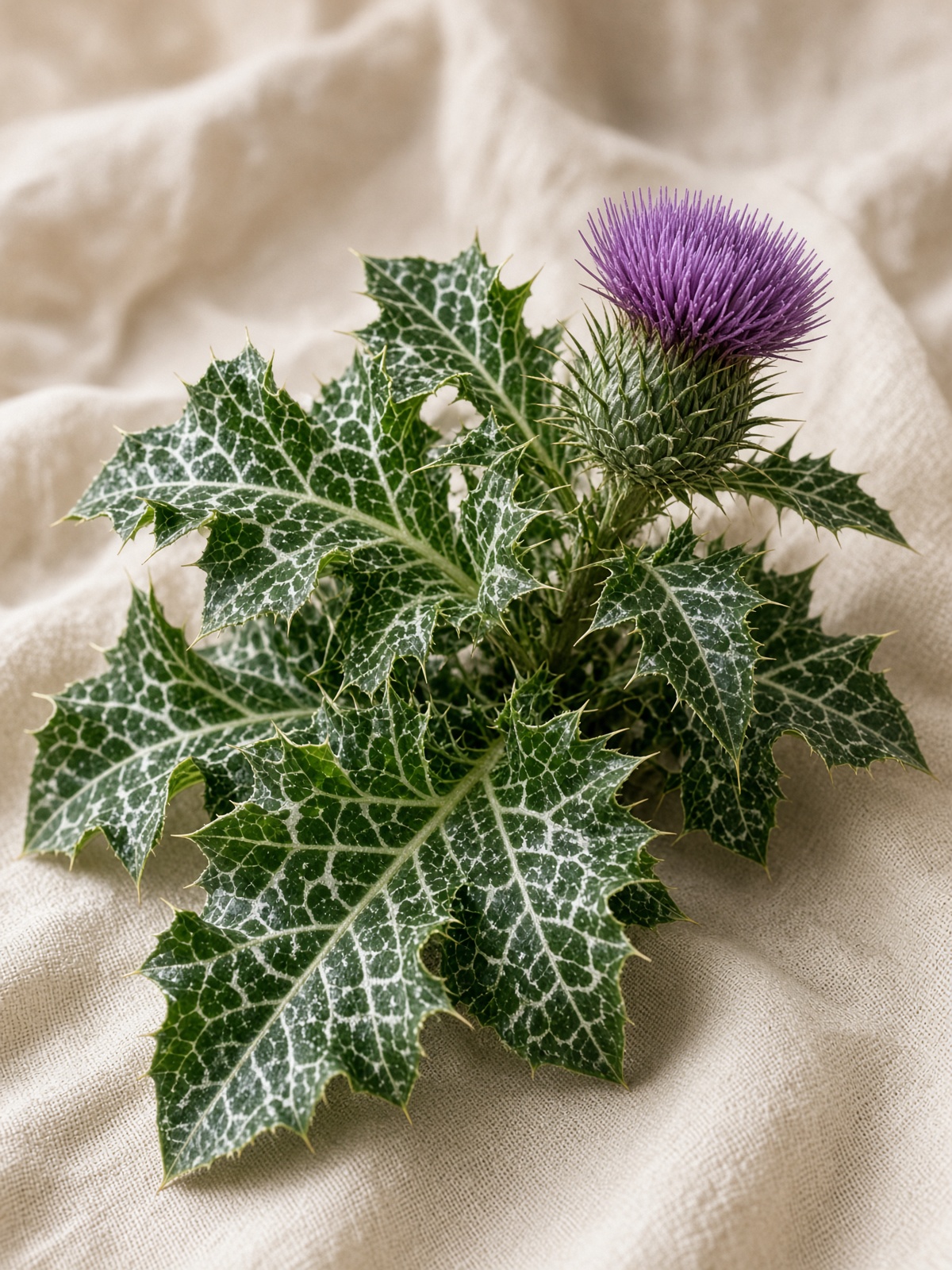 1Milk thistleHuman data
Silybum marianum
Silymarin has mixed human data in liver-enzyme and some NAFLD-adjacent trials. Adjunct only.
Typical. Seed extract, often 140 mg silymarin tid — product-variable.
Safety. Generally well tolerated. CYP interactions theoretical. Quality/silybin content varies.
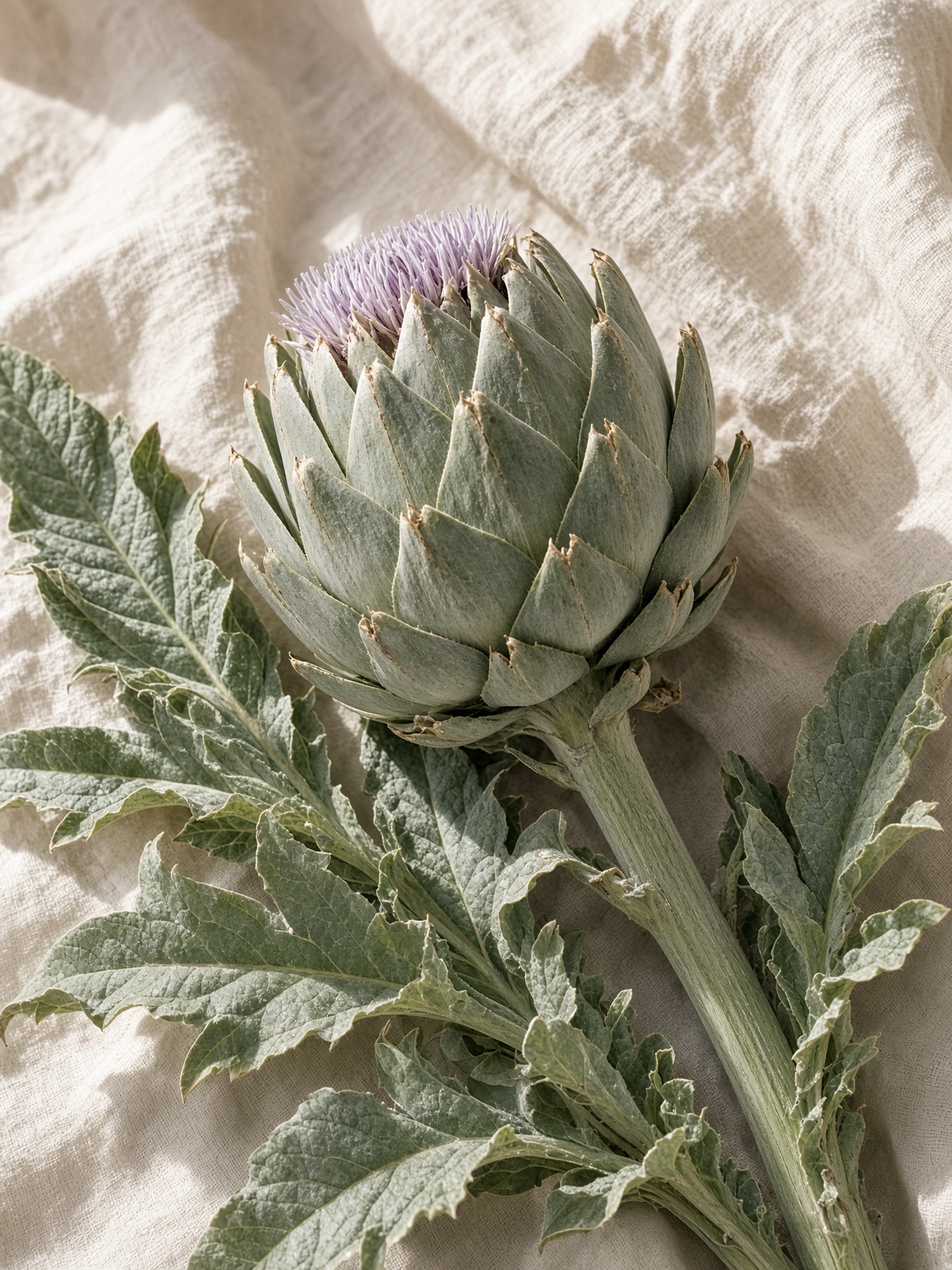 2ArtichokeStrong traditional
Cynara scolymus
Bitter/choleretic for dyspepsia with a metabolic-adjacent tradition. Not a NASH reversal plant.
Typical. Leaf extract as on the dyspepsia page.
Safety. Bile-duct obstruction.
Supportive plants1
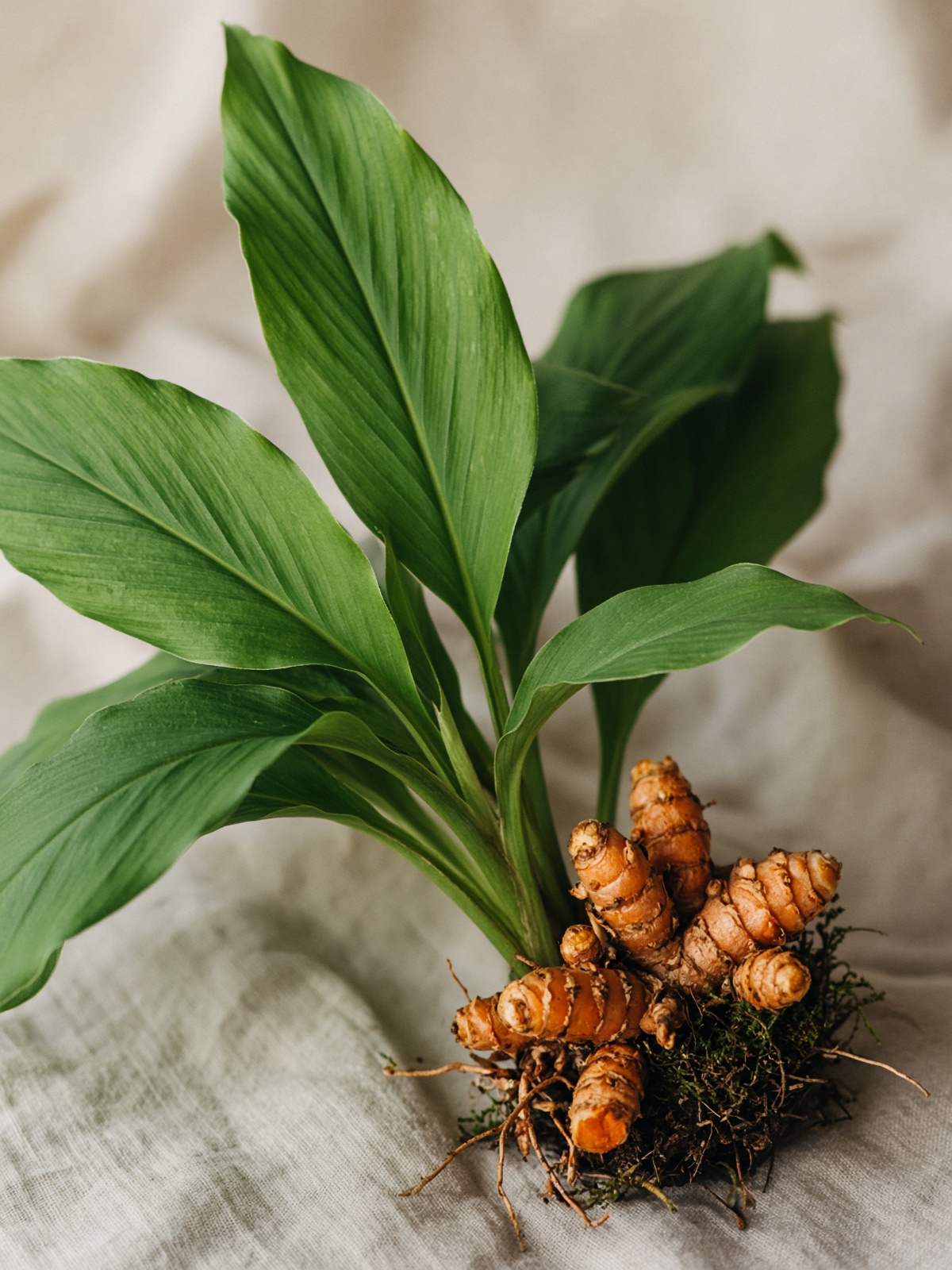 TurmericHuman dataCurcuma longa
Metabolic-inflammation extract file. Rare DILI — ironic on a liver page.
Typical. Food spice safer than high-dose curcuminoids here.
Safety. Stop for jaundice. Piperine interactions.
Clinical notes
- Do not add kava, comfrey, or high-dose GTE to a fatty-liver chart.
When this is not enough
- Jaundice, decompensated cirrhosis, acute hepatitis, unexplained ALT >3–5×
Rooted is a private clinical reference for licensed practitioners. It is educational, not a treatment protocol, and not a substitute for the chart, the exam, or pharmacy review. Plant medicines interact with drugs and can harm liver, kidney, heart, pregnancy, and children.