Genitourinary
Mild BPH symptoms
3 plants
Ask Assistant about thisSaw palmetto meta-analyses are conflicting; some older positives, later negatives. It is not finasteride. Pygeum/nettle root are traditional European LUTS plants. Retention is a catheter, not a berry.
Primary plants
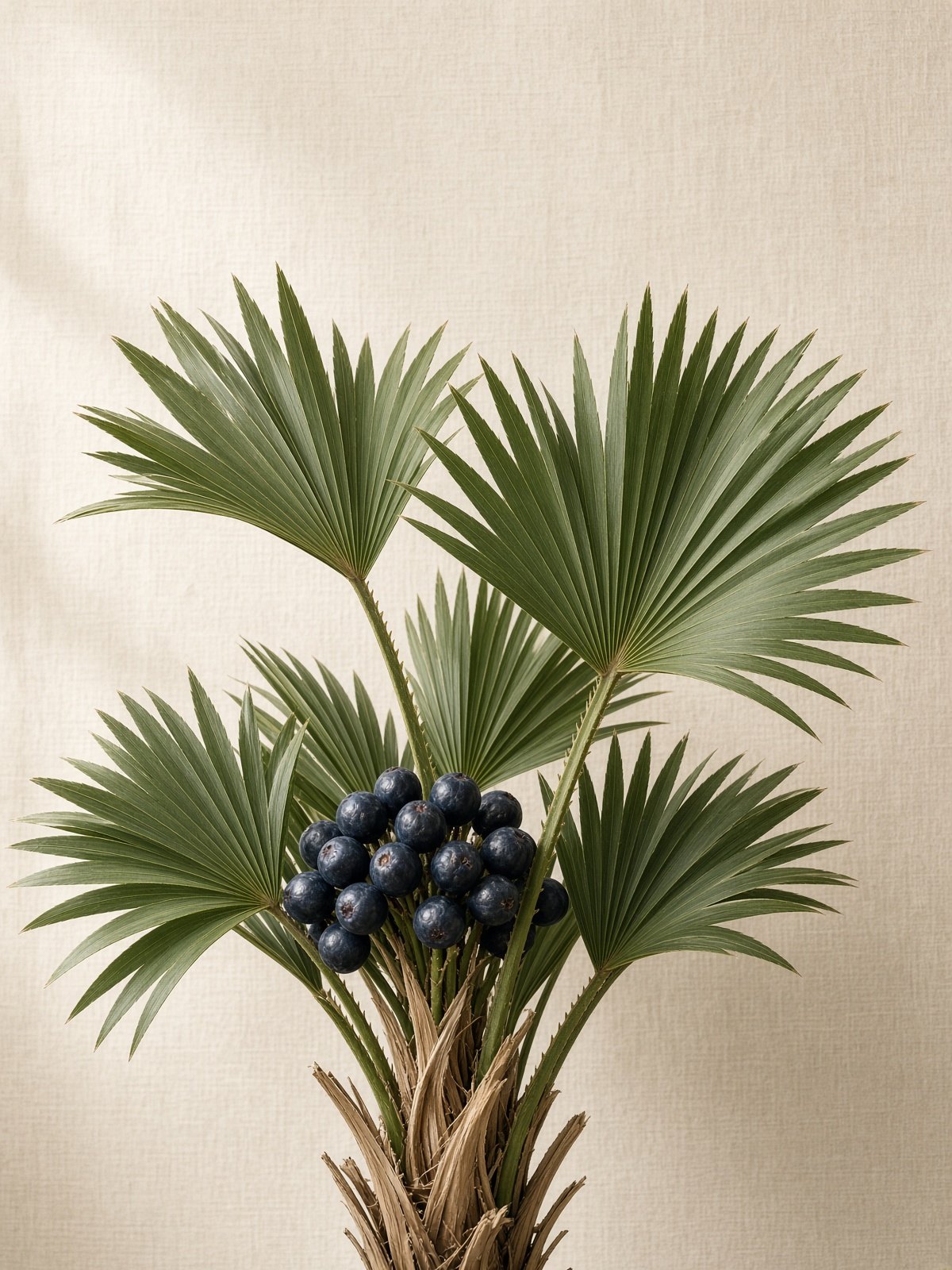 1Saw palmettoHuman data
Serenoa repens
Lipid extract of the berry. LUTS evidence conflicting. Bleeding theoretical.
Typical. Lipidosterolic extract often 320 mg/day.
Safety. Does not shrink cancer. Bleeding/hormone theoretical. Delayed diagnosis if used instead of workup.
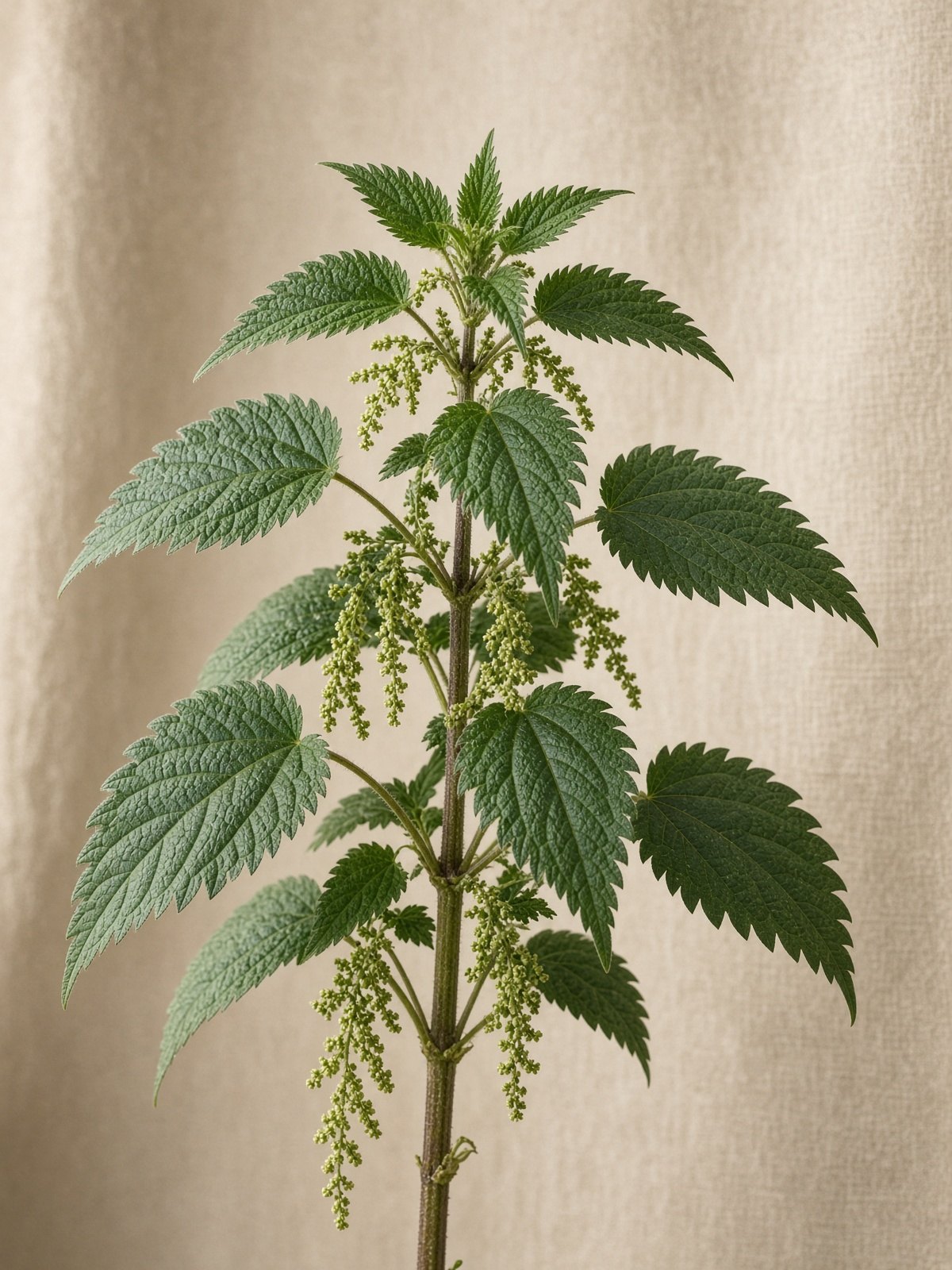 2Stinging nettleStrong traditional
Urtica dioica
Root (not leaf) is the European BPH traditional. Different part than hay-fever leaf.
Typical. Root extract as labeled.
Safety. Part identity: root vs leaf.
Supportive plants1
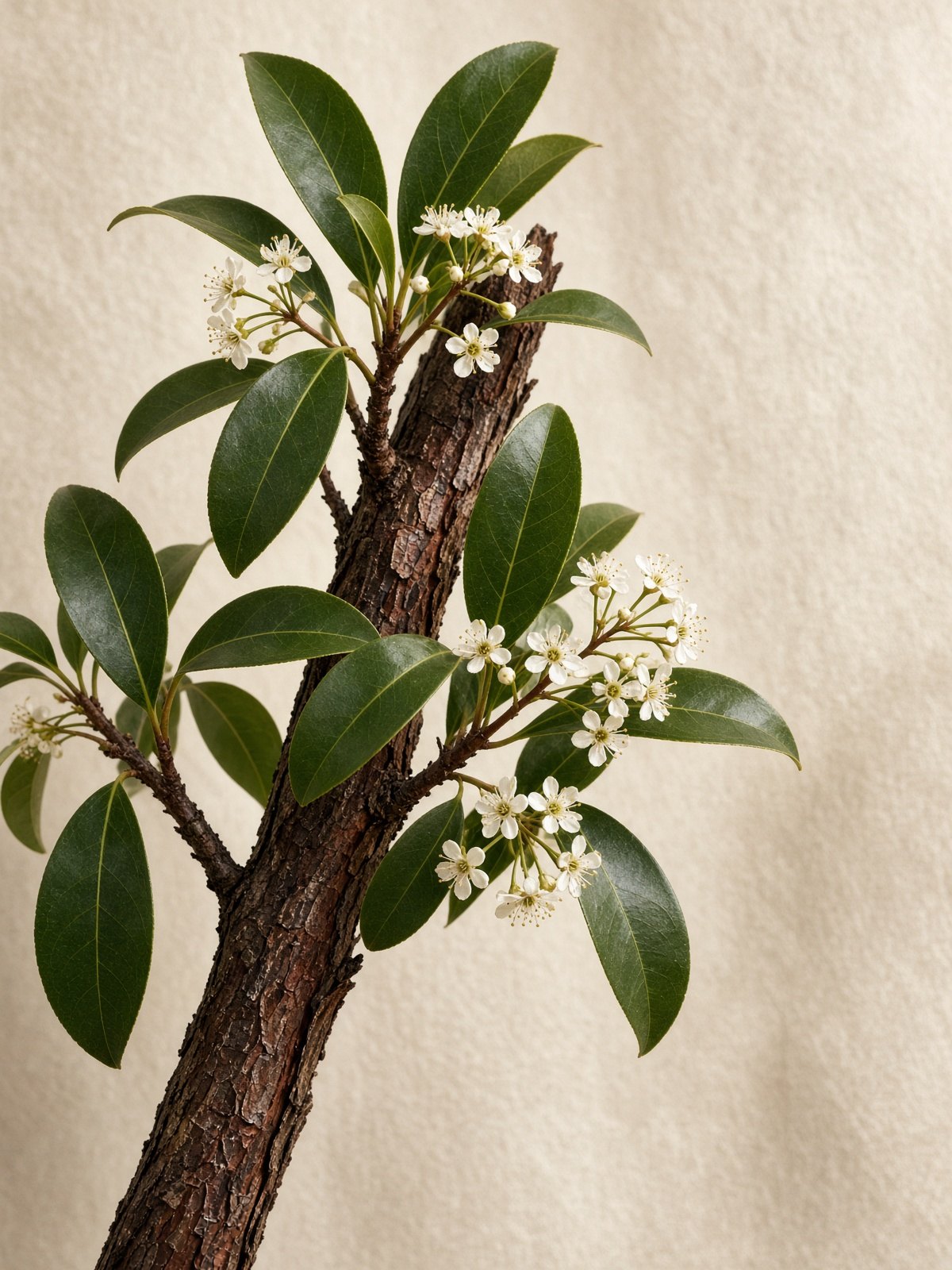 PygeumHuman dataPrunus africana
African prune bark; older LUTS trials, modest.
Typical. Bark extract ~100 mg/day as in older studies.
Safety. GI. Sustainability/quality.
When this is not enough
- Retention, infection, hematuria, prostate nodularity/PSA strategy per your protocol, neurogenic bladder
Rooted is a private clinical reference for licensed practitioners. It is educational, not a treatment protocol, and not a substitute for the chart, the exam, or pharmacy review. Plant medicines interact with drugs and can harm liver, kidney, heart, pregnancy, and children.