Women’s Health
Lactation support
3 plants
Ask Assistant about thisSkin-to-skin and emptying the breast beat most seeds. Fenugreek has mixed galactagogue lore, hypoglycemia stacking, and a maple-syrup odor; some infants react. Fennel is traditional. Shatavari is Ayurvedic female rasayana, traditional only. Domperidone is a prescription conversation, not a plant.
Primary plants
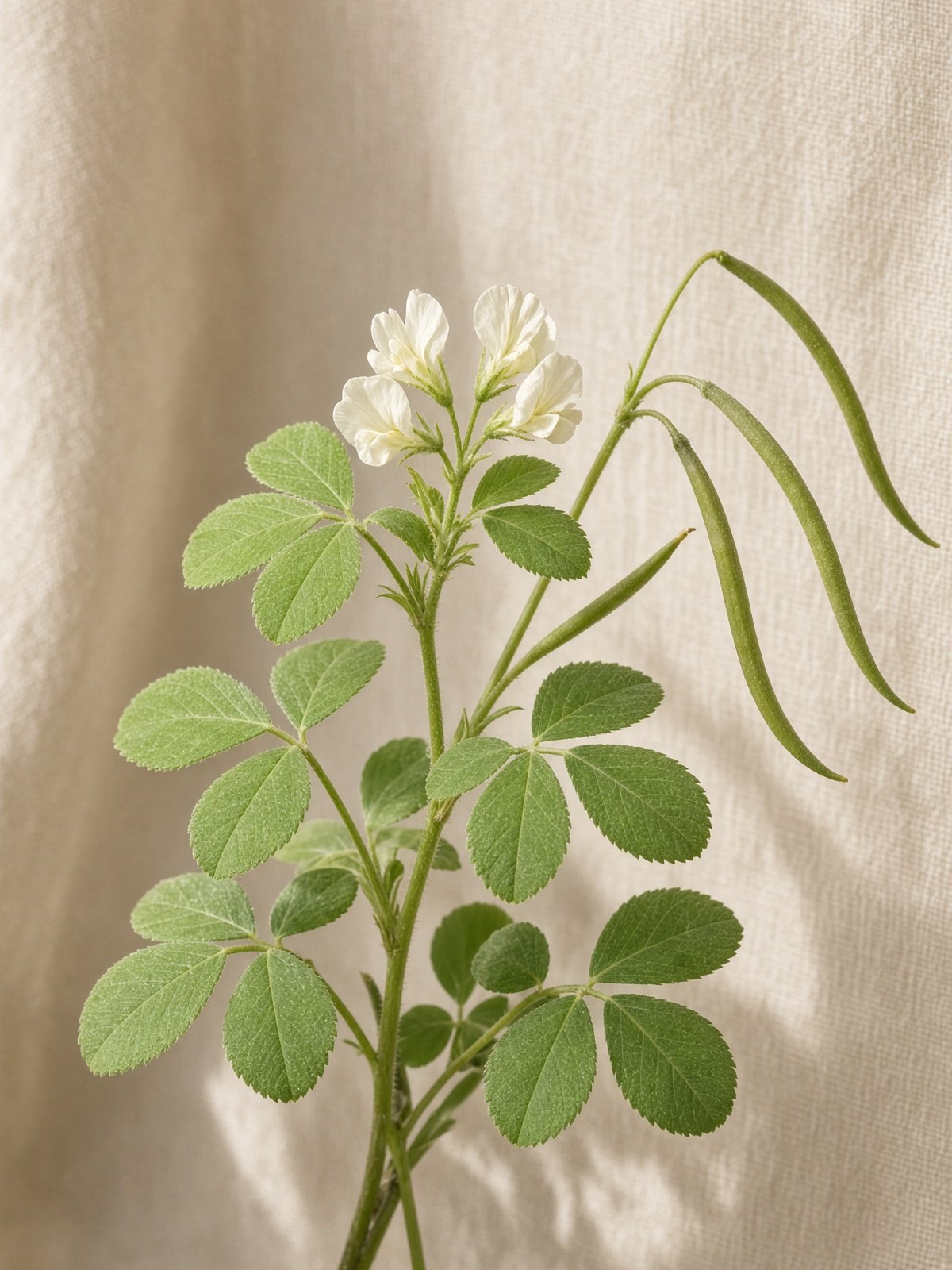 1FenugreekStrong traditional
Trigonella foenum-graecum
Classic galactagogue folklore. Human data mixed. Glucose and allergy matter.
Typical. Culinary seed amounts vs 'galactagogue' megadose — start food-like if used at all, with IBCLC.
Safety. Hypoglycemia stacking. Maple-syrup odor. Pregnancy uterine traditional caution is less relevant postpartum; still not a diabetes-unaware plant.
Supportive plants2
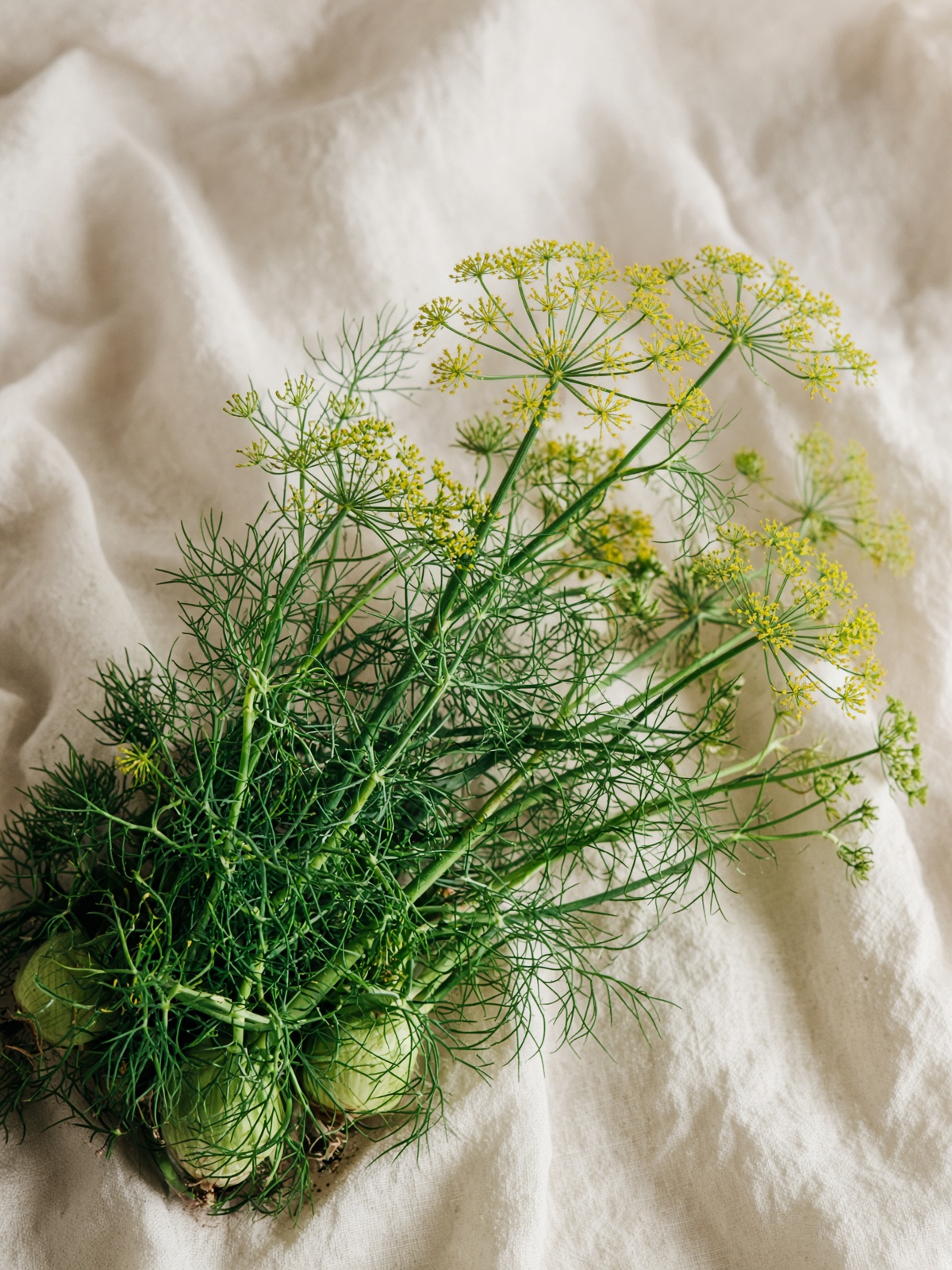 FennelStrong traditionalFoeniculum vulgare
Traditional lactation tea. Seed, not essential oil.
Typical. Culinary seed tea.
Safety. Apiaceae. High-dose oil is not the tea.
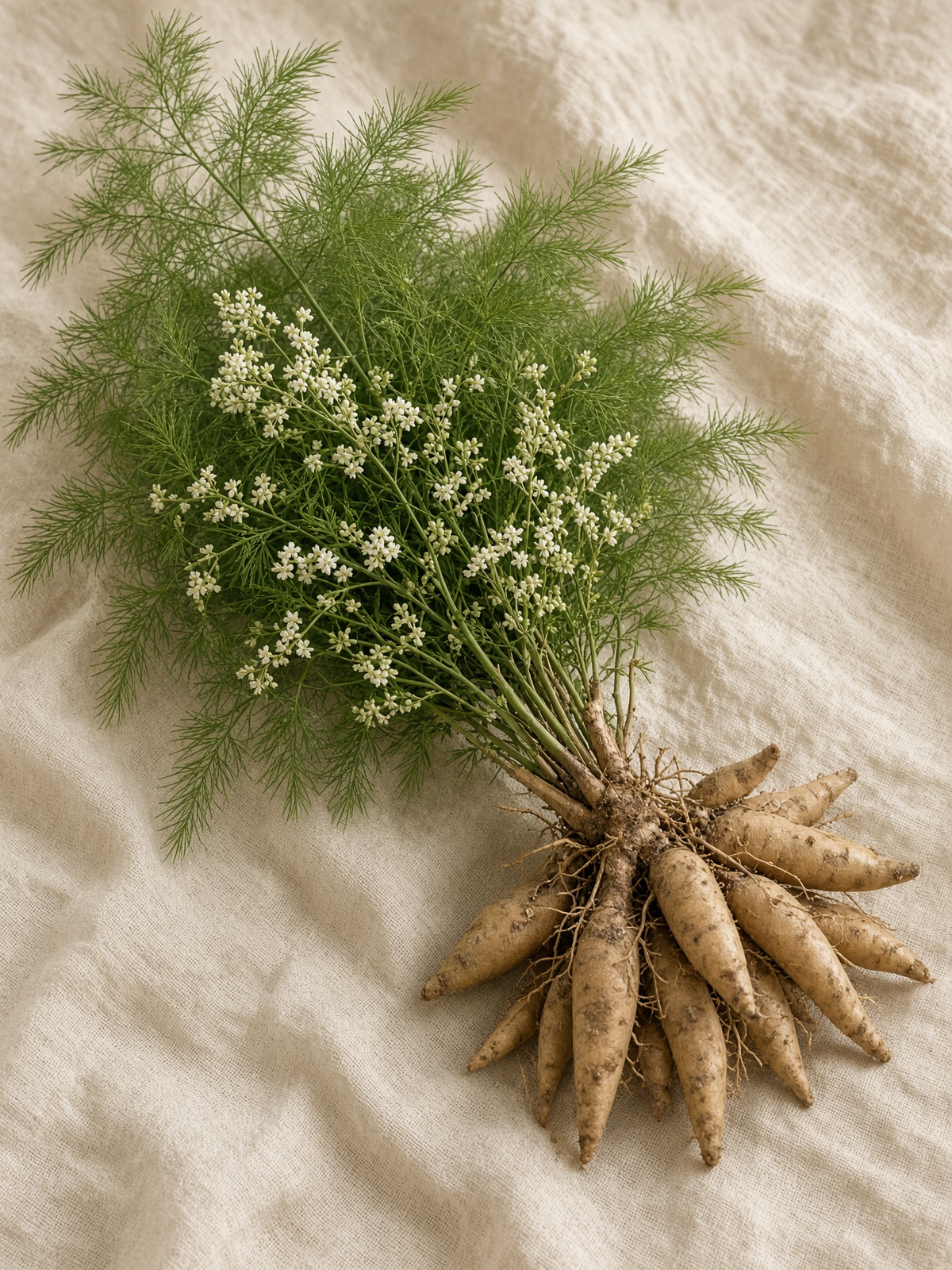 ShatavariStrong traditionalAsparagus racemosus
Ayurvedic female rasayana used as a galactagogue. Human file limited.
Typical. Root as labeled if they already use it — not a prescription galactagogue.
Safety. Asparagus allergy. Not a fertility/HRT drug.
When this is not enough
- Mastitis/abscess, true low supply from poor latch not addressed, infant weight loss needing that protocol, galactosemia questions
Rooted is a private clinical reference for licensed practitioners. It is educational, not a treatment protocol, and not a substitute for the chart, the exam, or pharmacy review. Plant medicines interact with drugs and can harm liver, kidney, heart, pregnancy, and children.