Digestive · also Endocrine / Metabolic
Gastroparesis (adjunct)
3 plants
Ask Assistant about thisThis is a gastric-emptying study or a diabetic with retained breakfast, not garden-variety dyspepsia. Ginger has human data on nausea and some emptying measures. It does not replace a prokinetic when vomiting and weight loss are the picture, and high-dose extract is a bleeding/gallbladder conversation. Bezoar, obstruction, and opioid ileus are not tea.
Primary plants
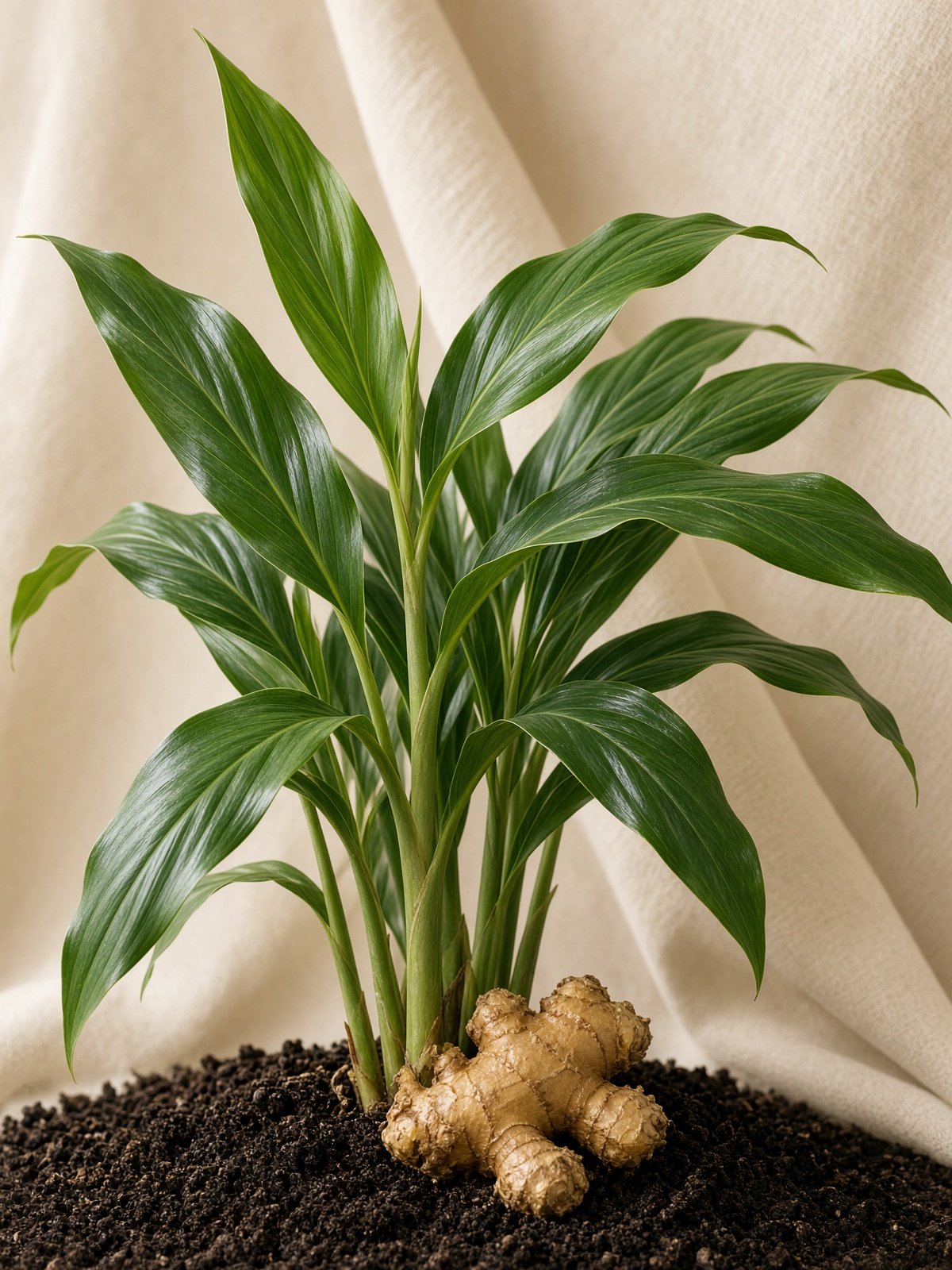 1GingerHuman data
Zingiber officinale
Best plant file for nausea plus some gastric-emptying data. Modest. Preparation-dependent.
Typical. Dried rhizome ~1–2 g/day divided. Culinary is weaker than studied powder.
Safety. Extracts: bleeding. Not a substitute for a GES or a prokinetic when those are indicated.
Supportive plants2
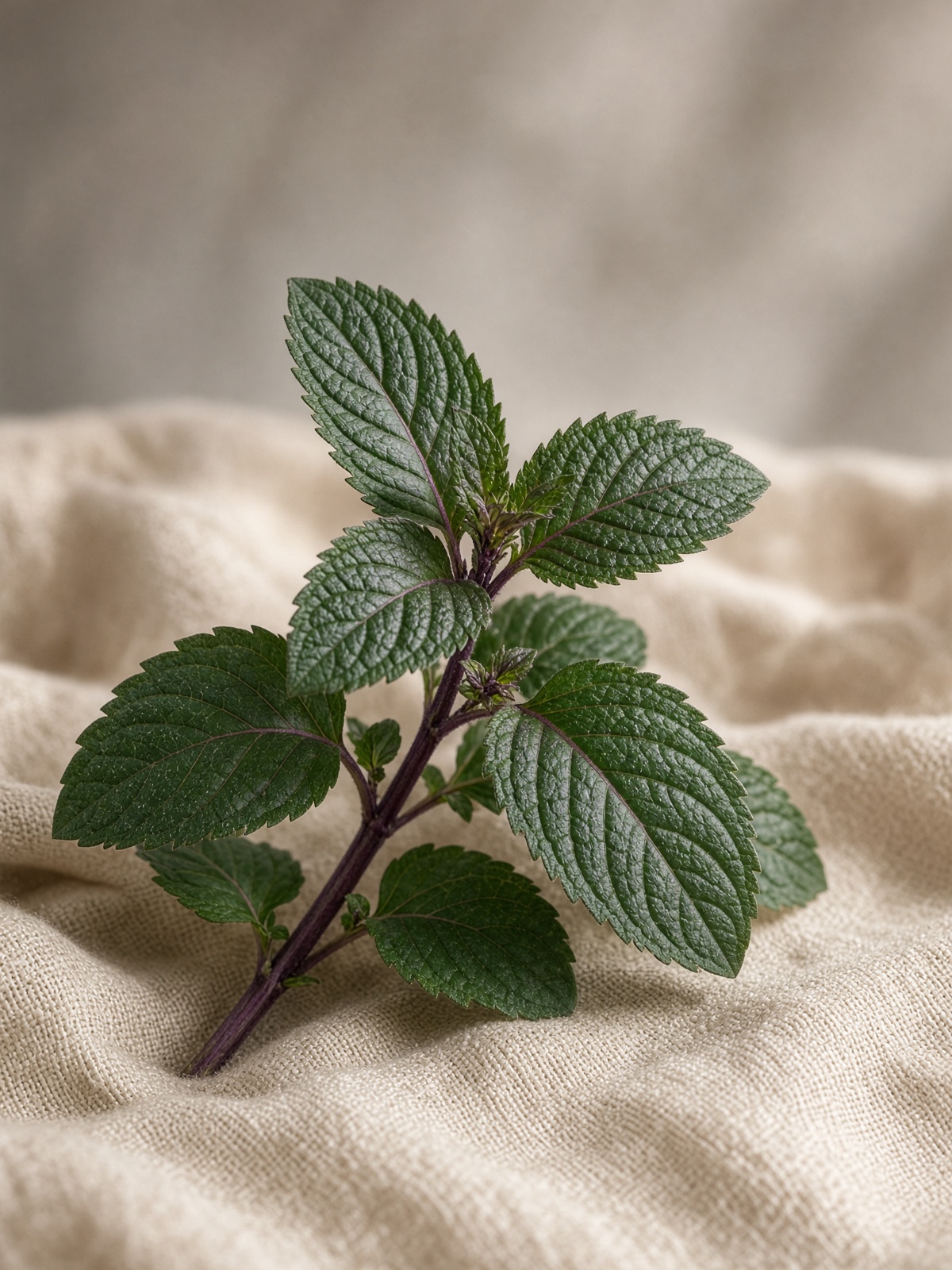 PeppermintStrong traditionalMentha × piperita
LES relaxation can worsen reflux that already rides with gastroparesis. Skip if heartburn leads.
Typical. Weak tea only if used at all. Enteric oil is the wrong object here.
Safety. GERD. Infants: no oil.
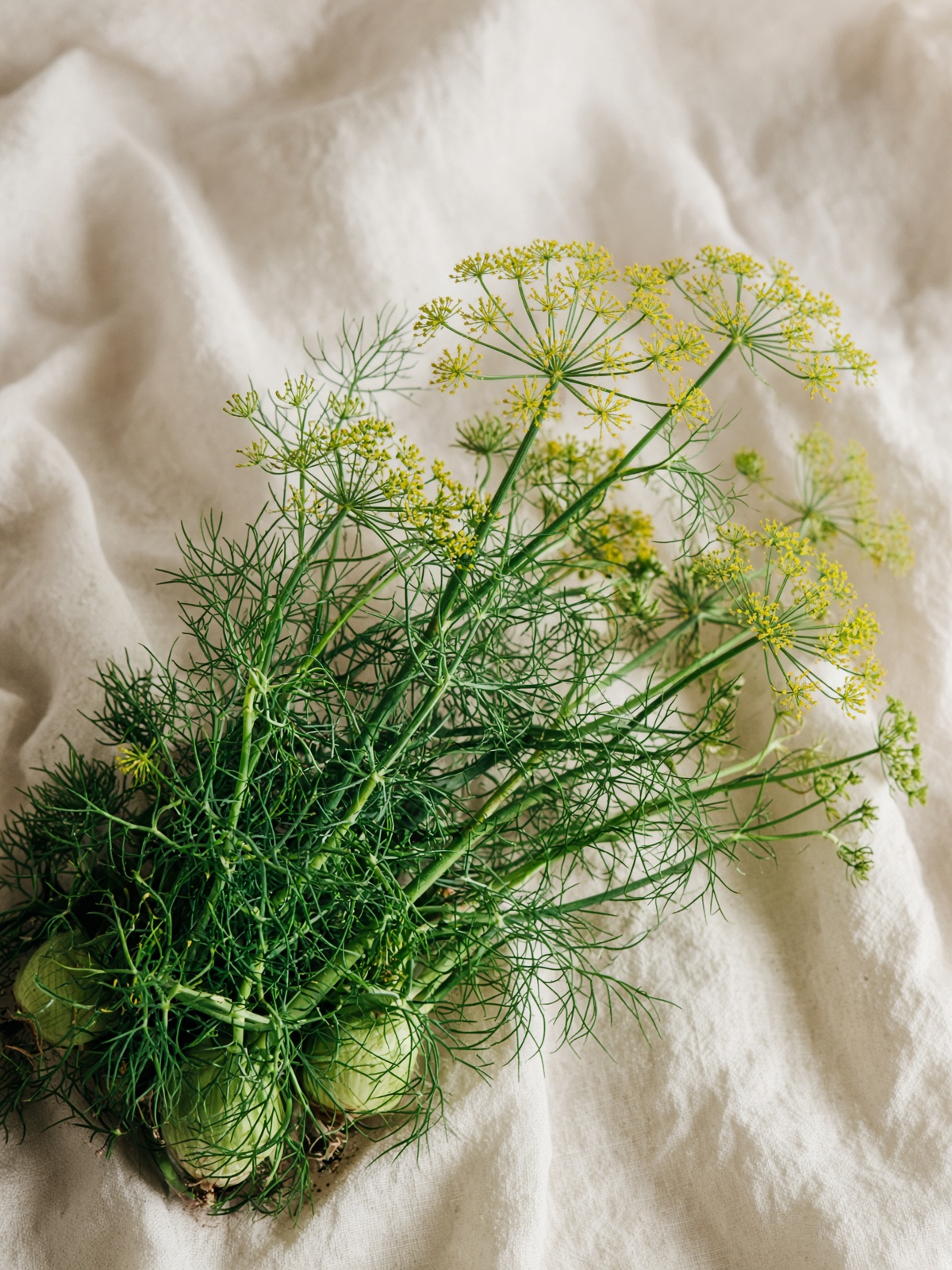 FennelStrong traditionalFoeniculum vulgare
Carminative for the bloating leftover. Not a prokinetic.
Typical. Seed tea after small meals.
Safety. Apiaceae.
Clinical notes
- Opioid constipation plus 'gastroparesis' is often the opioid. Fix that first.
When this is not enough
- Intractable vomiting, dehydration, suspected obstruction/bezoar, unexplained weight loss, post-op ileus
Rooted is a private clinical reference for licensed practitioners. It is educational, not a treatment protocol, and not a substitute for the chart, the exam, or pharmacy review. Plant medicines interact with drugs and can harm liver, kidney, heart, pregnancy, and children.