Women’s Health
Endometriosis (adjunct)
4 plants
Ask Assistant about thisProgressive dysmenorrhea, dyspareunia, and infertility are endometriosis until you think about it — not 'bad cramps.' Ginger 750–2000 mg in the first days of bleed has primary-dysmenorrhea RCTs; people borrow that for endometriosis pain. It does not replace a GnRH analogue or a laparoscopy when those are the plan. Chaste tree is a PMS/luteal plant, not an implant drug. Dong quai is a bleeding conversation.
Primary plants
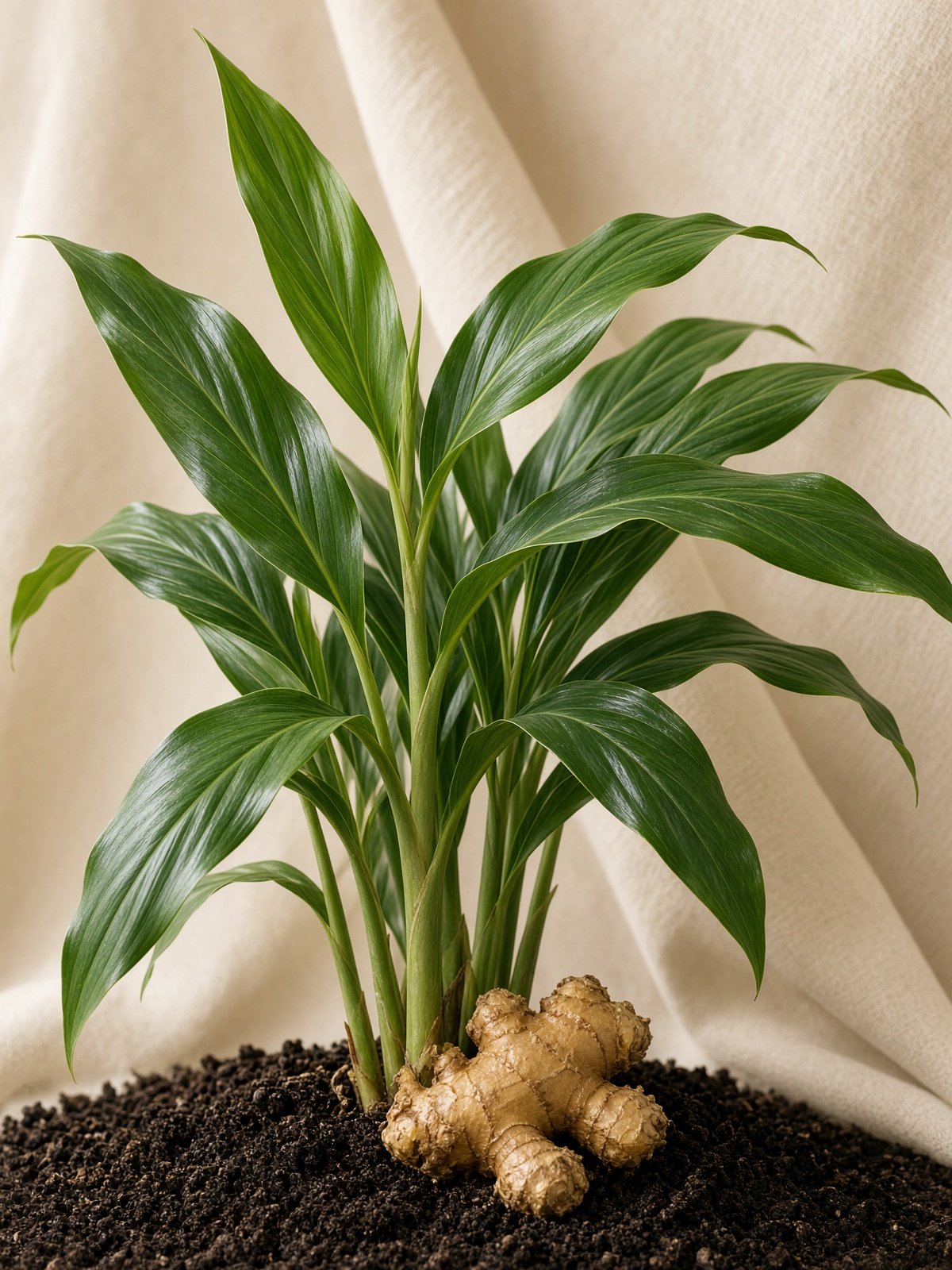 1GingerHuman data
Zingiber officinale
Best plant RCT file for menstrual cramp pain. Borrowed here as an adjunct on bleed days — not disease-modifying.
Typical. Dried powder 750–2000 mg/day divided at onset (trial range for primary dysmenorrhea).
Safety. Extract bleeding. Not dinner ginger.
Supportive plants3
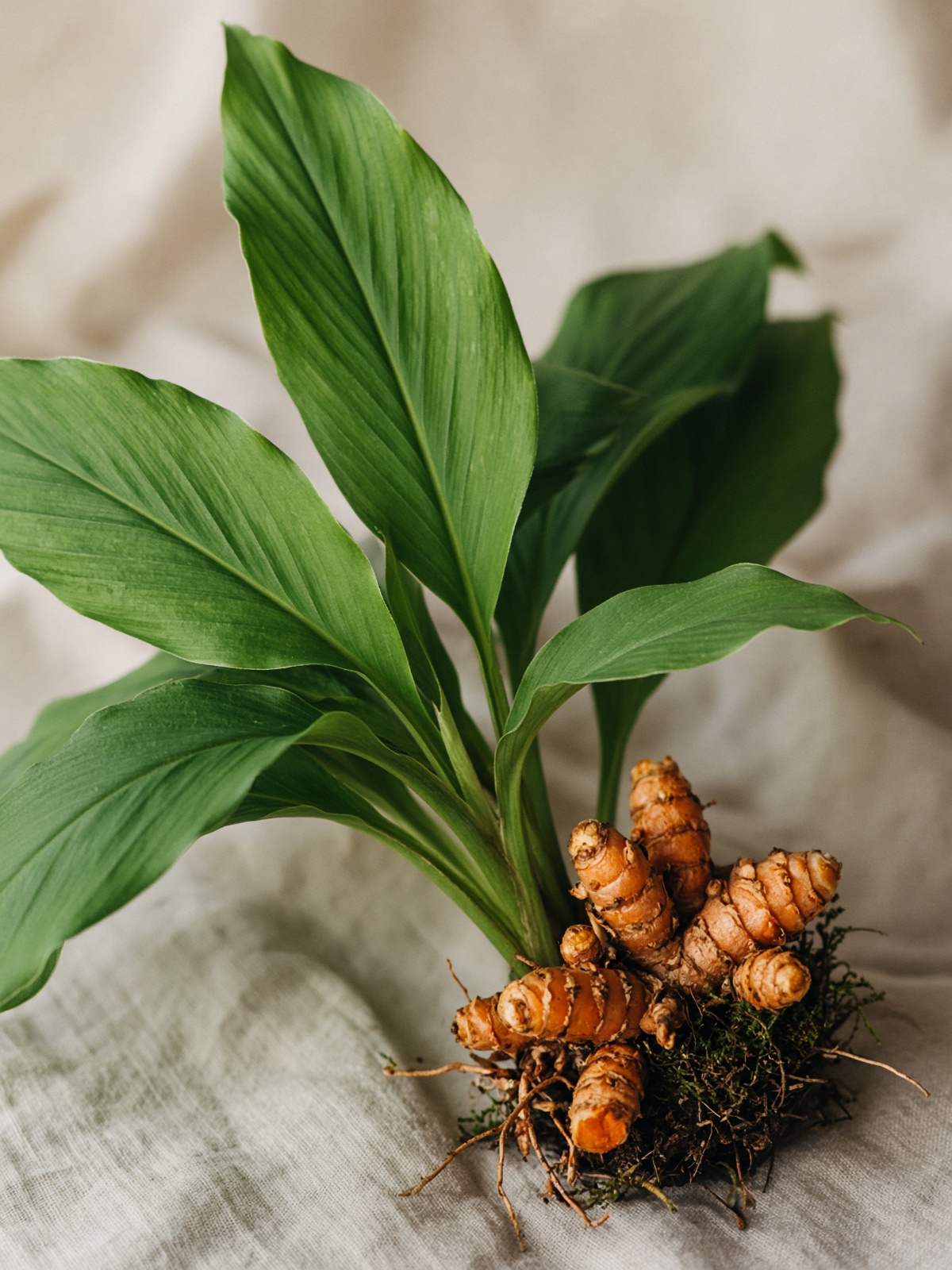 TurmericHuman dataCurcuma longa
Inflammatory-pain adjunct some people use. DILI/bleeding. Not a laparoscopic finding.
Typical. If used, pharmacy should see the extract. Culinary is food.
Safety. DILI. Bleed. Piperine.
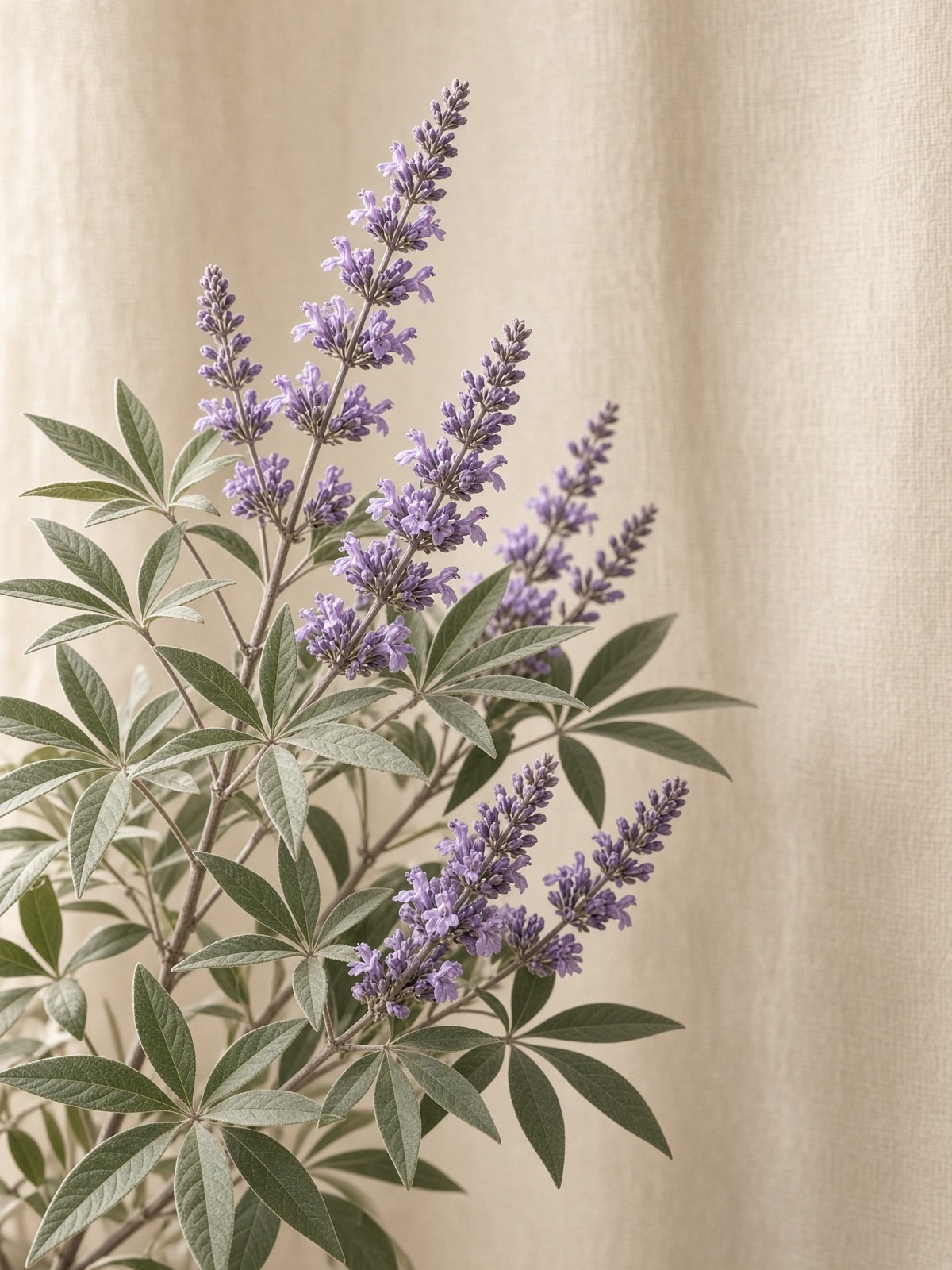 Chaste treeHuman dataVitex agnus-castus
PMS/luteal file. Not an endometriosis implant therapy.
Typical. Fruit extract 20–40 mg/day over months if the leftover is PMS-type — not acute surgical pain.
Safety. Hormone-sensitive cancer, pregnancy, DA antagonists.
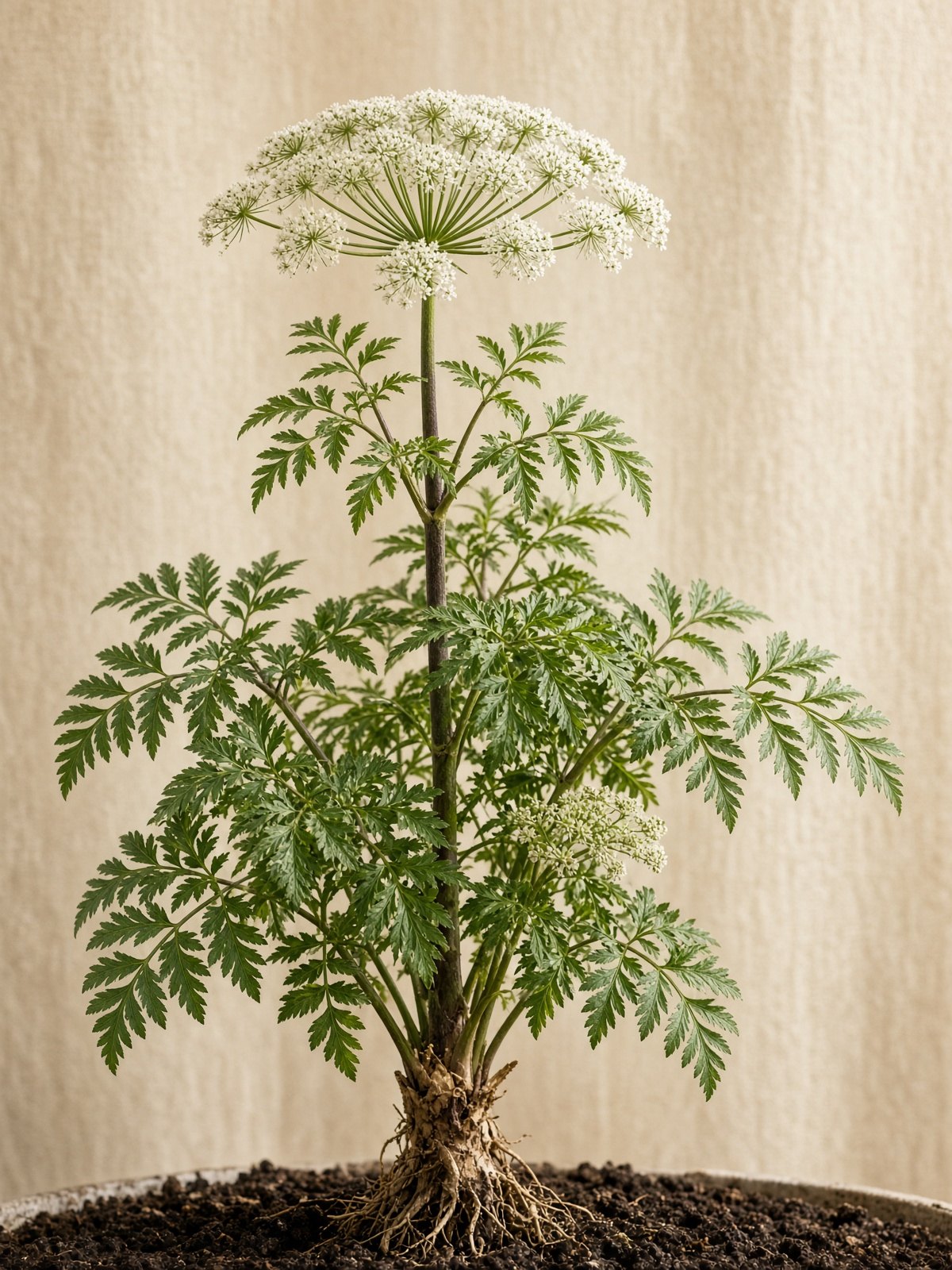 Dong quaiStrong traditionalAngelica sinensis
Traditional 'blood-moving' gynecologic plant. Bleeding. Phototoxicity. A poor default next to heavy menses.
Typical. Usually skip in endometriosis with menorrhagia.
Safety. Bleed, photosensitivity, pregnancy no.
Clinical notes
- Cyclical pneumothorax, bowel obstruction at menses, or infertility is specialty care, not chasteberry.
When this is not enough
- Acute abdomen, suspected ectopic, hemodynamic instability from bleeding, new adnexal mass
Rooted is a private clinical reference for licensed practitioners. It is educational, not a treatment protocol, and not a substitute for the chart, the exam, or pharmacy review. Plant medicines interact with drugs and can harm liver, kidney, heart, pregnancy, and children.