Endocrine / Metabolic · also Cardiovascular
Diabetic retinopathy (adjunct)
3 plants
Ask Assistant about thisA dilated exam beats a berry. Fenofibrate/VEGF injections/laser exist for a reason. Bilberry fruit is food-like; leaf tea is a different object; night-vision marketing outruns human data. Ginkgo is a bleeding problem next to retinal hemorrhage and upcoming injections. This page exists so you do not delay an ophthalmologist for anthocyanins.
Primary plants
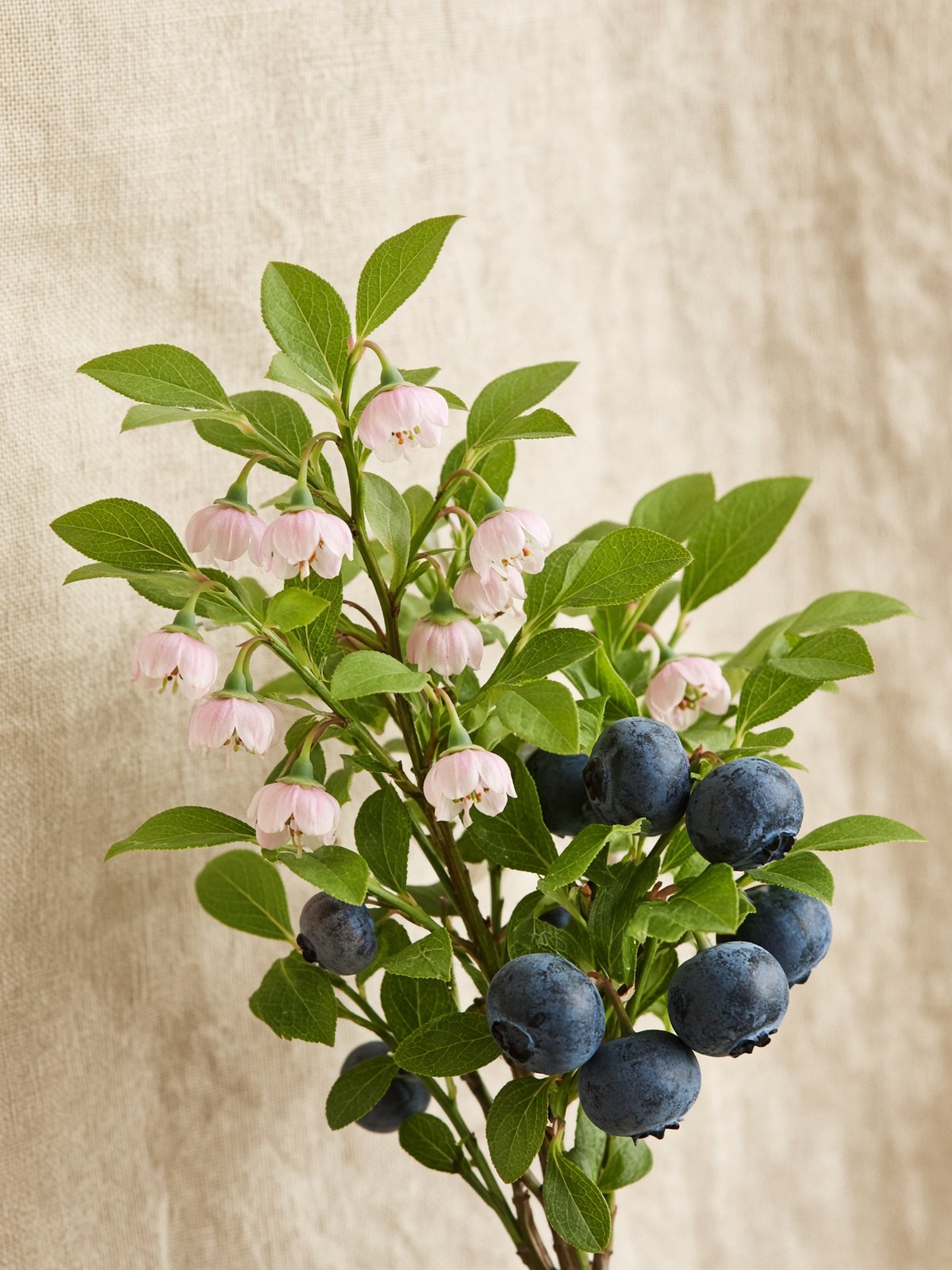 1BilberryStrong traditional
Vaccinium myrtillus
Anthocyanin microvascular tradition. Night-vision and retinopathy marketing outrun the file. Ripe fruit is food-like.
Typical. Culinary fruit. Extracts are a different, less food-like object.
Safety. High-dose extract: theoretical antiplatelet — relevant if they are about to have retinal injections.
Supportive plants2
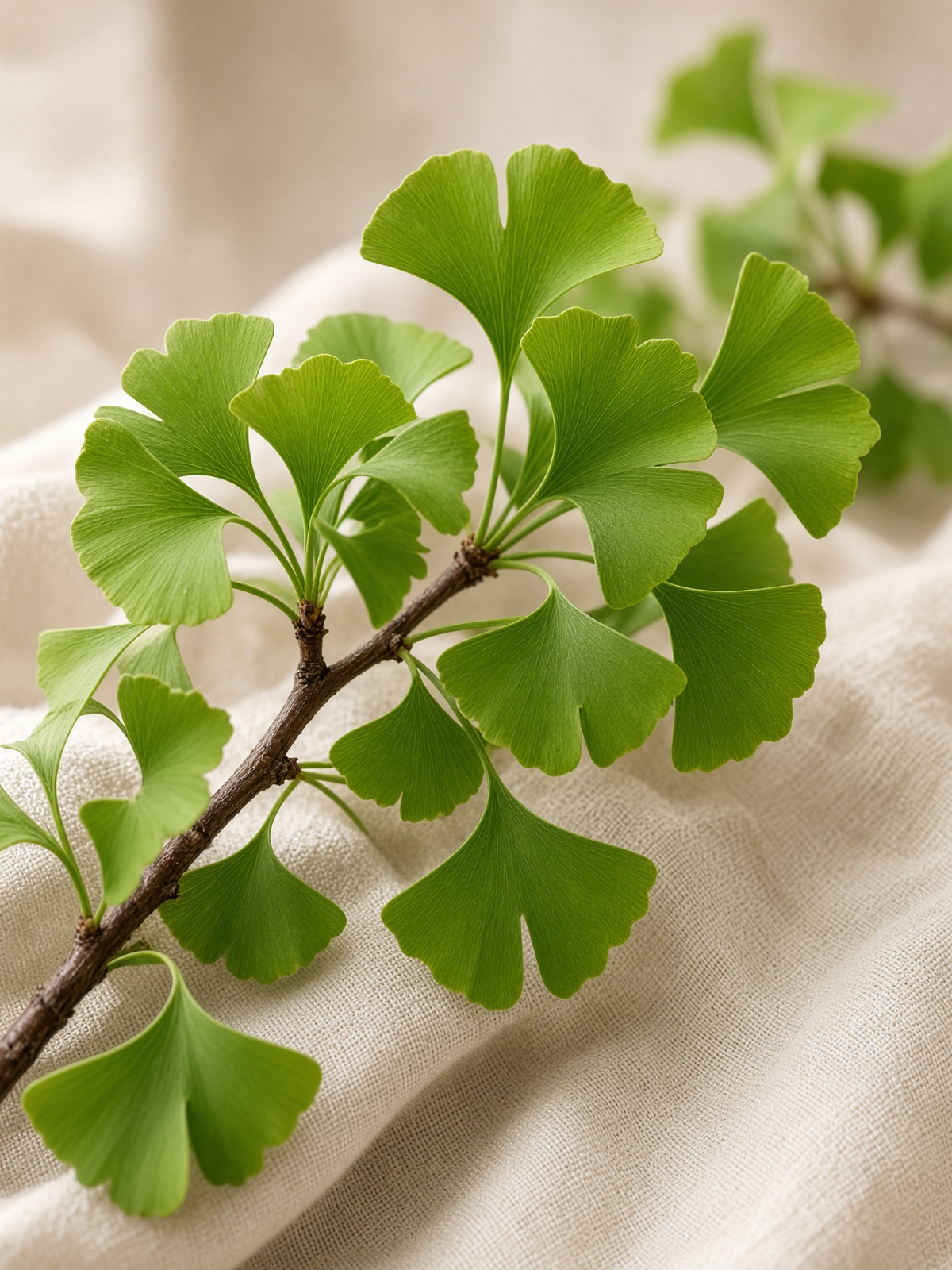 GinkgoHuman dataGinkgo biloba
Sometimes stacked in 'eye' products. Bleeding. A poor idea next to retinal hemorrhage.
Typical. If they are already on it, flag the bleed risk with ophthalmology.
Safety. Bleed, surgery/injection hold.
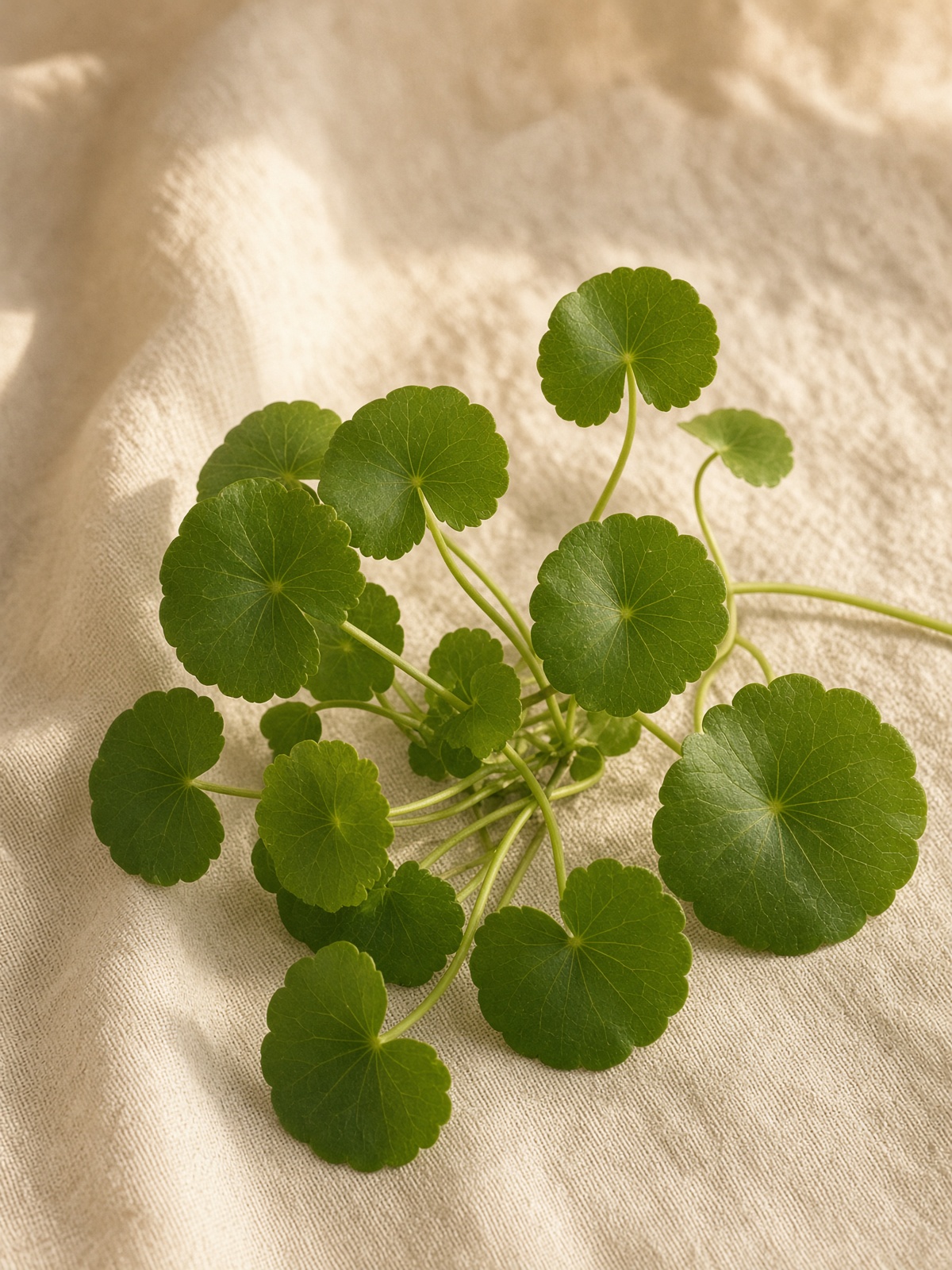 Gotu kolaStrong traditionalCentella asiatica
Microvascular/venous extract file. Not a retina drug.
Typical. Do not start it for retinopathy.
Safety. Rare DILI.
Clinical notes
- Floaters, a black curtain, or sudden vision loss is same-day ophthalmology — not bilberry.
When this is not enough
- Acute vision loss, retinal detachment symptoms, proliferative disease, macular edema under ophthalmology
Rooted is a private clinical reference for licensed practitioners. It is educational, not a treatment protocol, and not a substitute for the chart, the exam, or pharmacy review. Plant medicines interact with drugs and can harm liver, kidney, heart, pregnancy, and children.