Respiratory
COPD (adjunct / warning)
4 plants
Ask Assistant about thisThis page exists so nobody replaces a LAMA/LABA/ICS with mullein. English ivy leaf has some European cough-trial data as an expectorant adjunct. Thyme is traditional chest tea. Ma huang (ephedra) is a sympathomimetic toxicity object — not a bronchodilator you invent. An exacerbation is steroids/antibiotics/NIV timing, not tea.
Primary plants
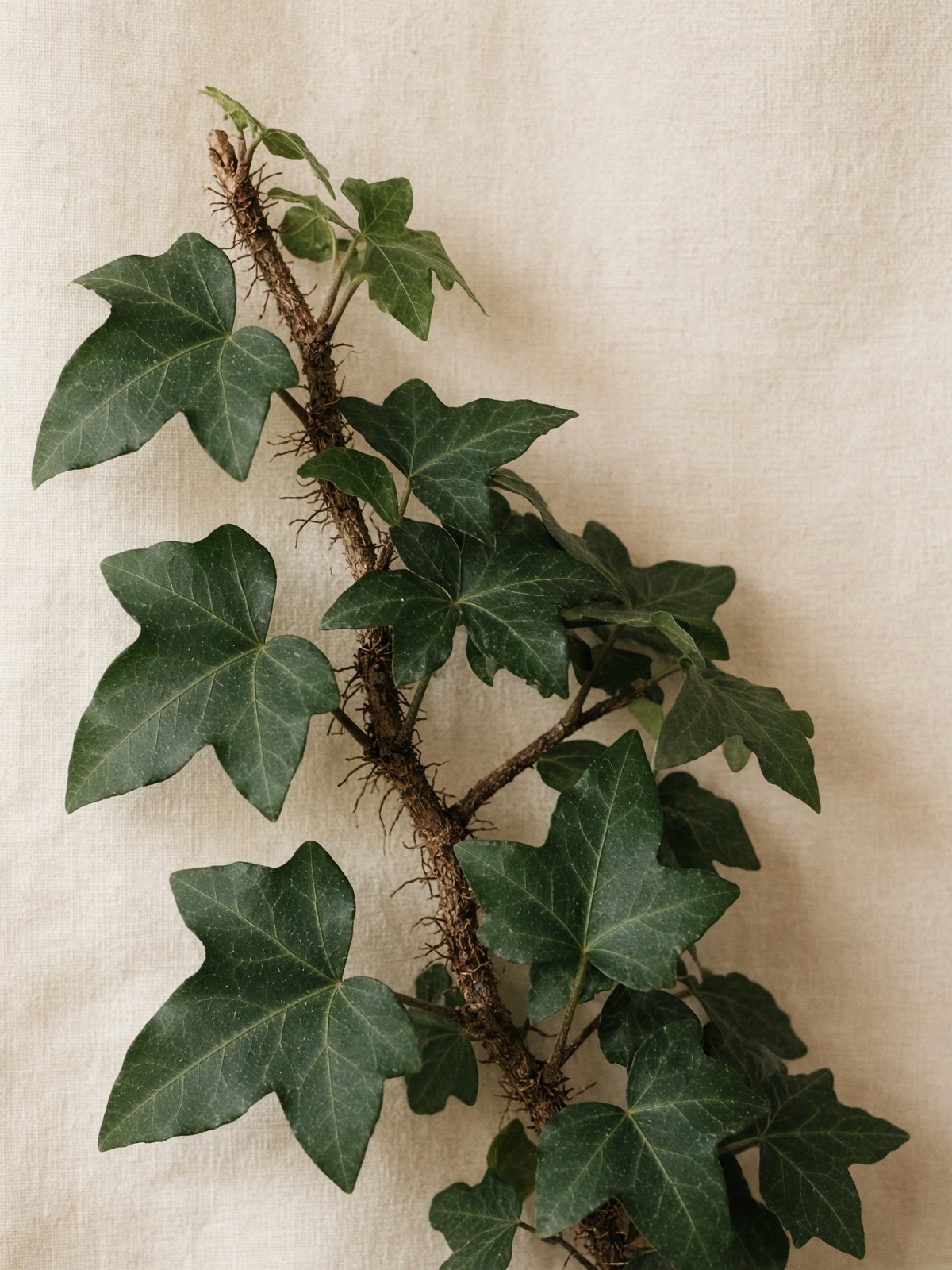 1English ivyHuman data
Hedera helix
Leaf extract has some cough/expectorant trial data used in European products. Adjunct comfort, not an inhaler.
Typical. Leaf extract as labeled, short course.
Safety. GI. Not a substitute for a LAMA/LABA. Not an exacerbation drug.
Supportive plants3
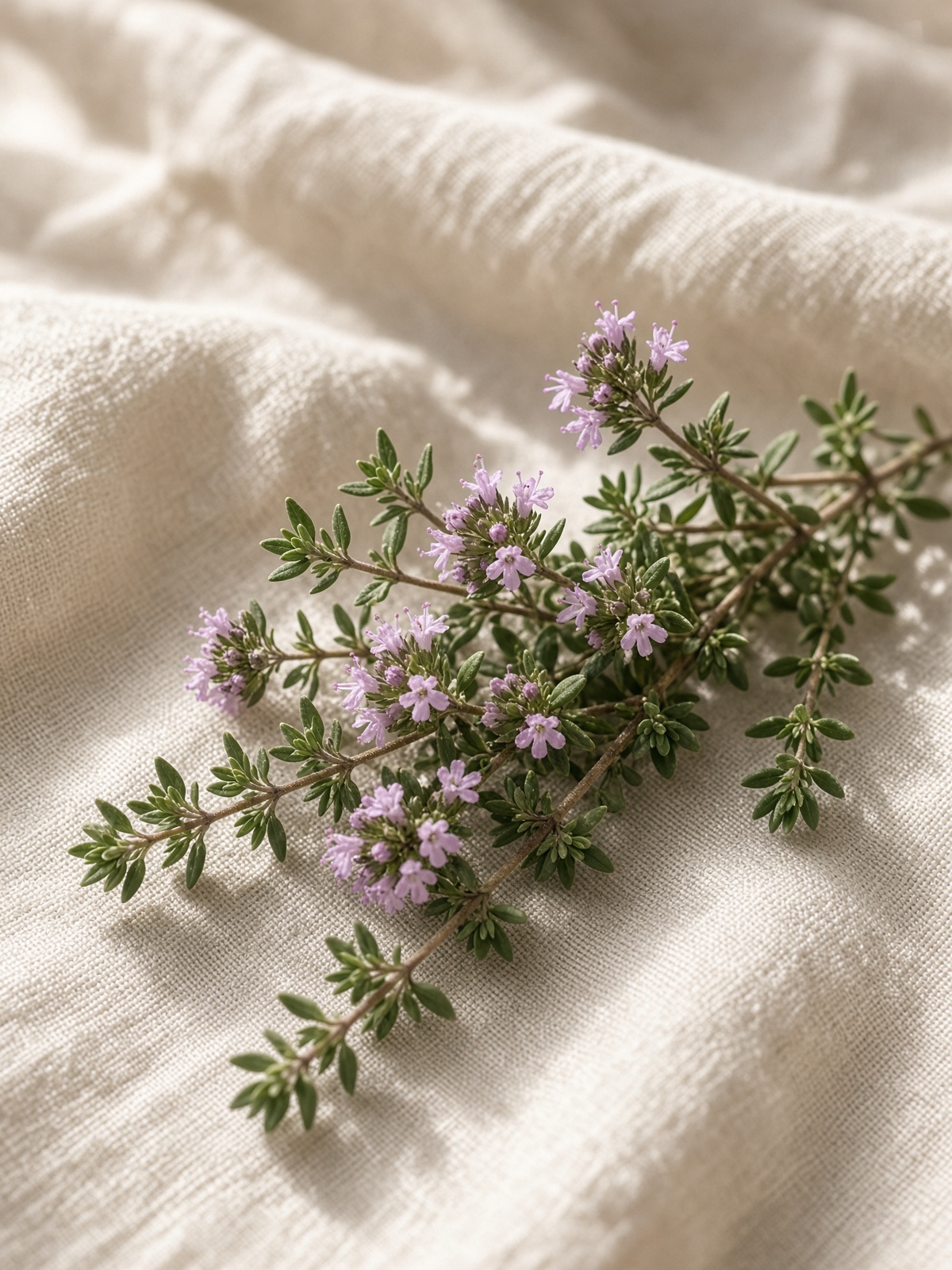 ThymeStrong traditionalThymus vulgaris
Traditional spasmolytic/expectorant tea.
Typical. Herb tea.
Safety. Essential oil is not tea.
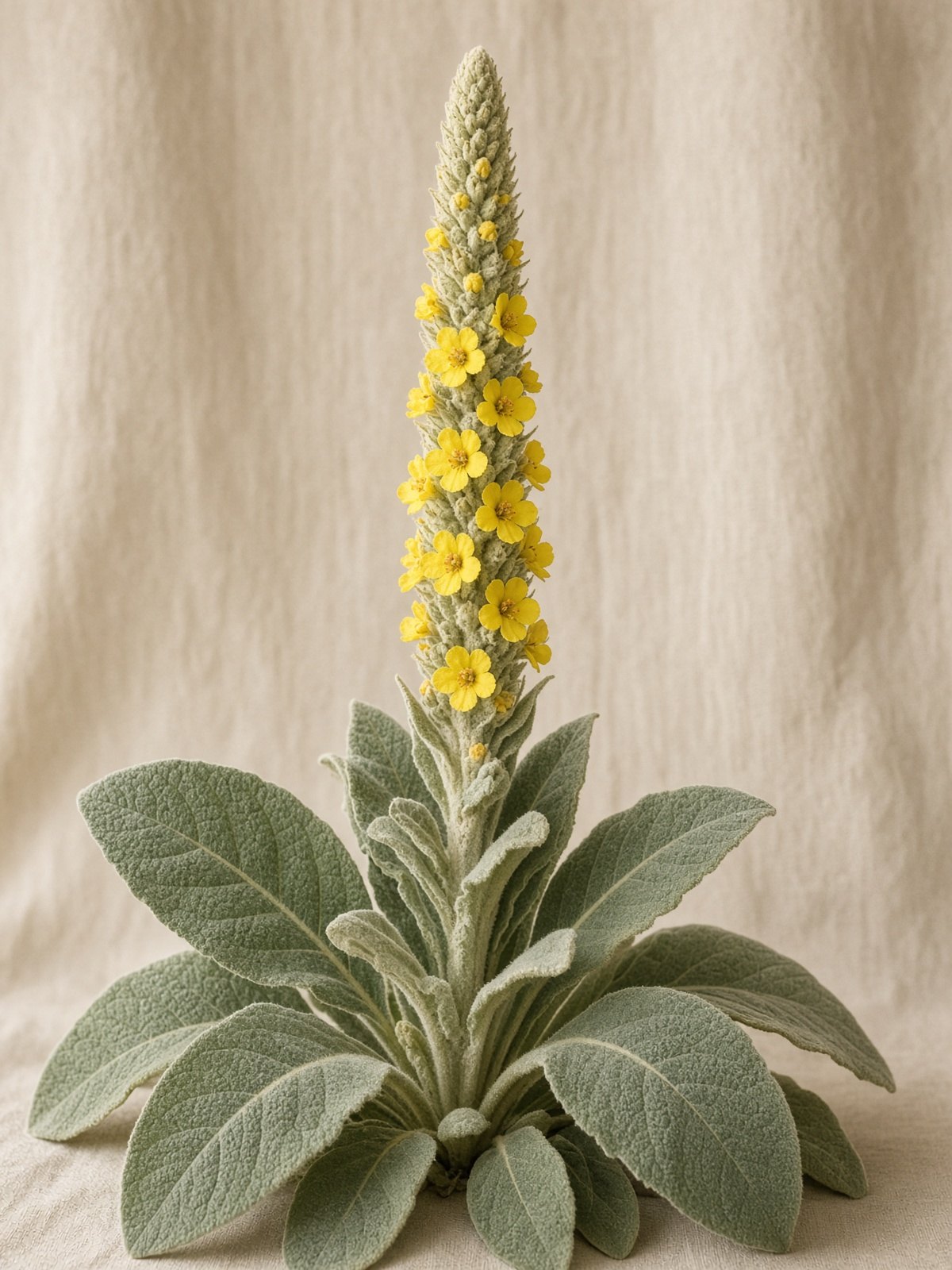 MulleinStrong traditionalVerbascum thapsus
Traditional respiratory demulcent. Human file thin.
Typical. Leaf tea, strained (hairs irritate).
Safety. Identity. Not pneumonia coverage.
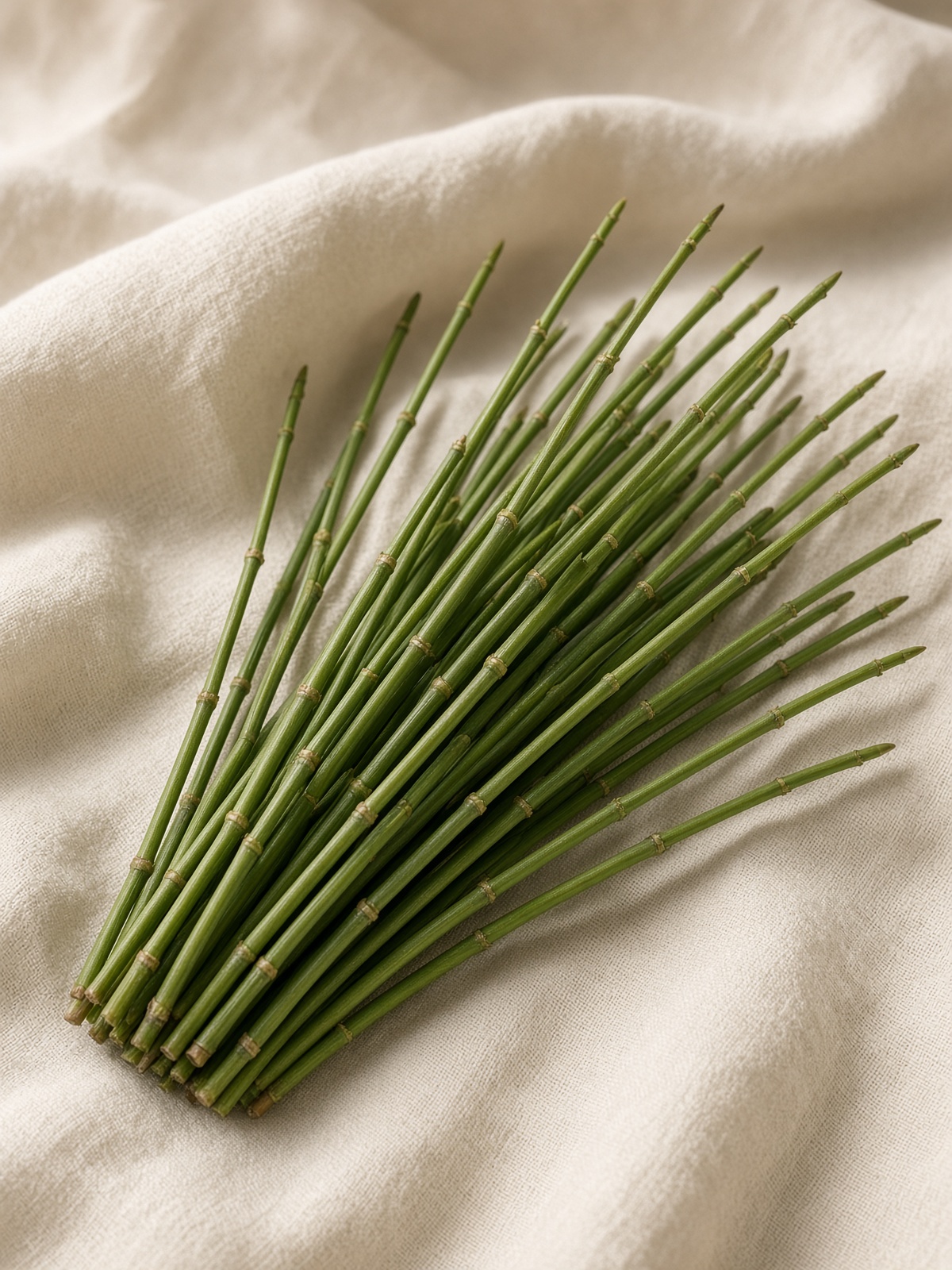 Ma huangStrong traditionalEphedra sinica
Ephedra. Sympathomimetic toxicity object. Stroke, arrhythmia, death. Not a bronchodilator plan.
Typical. Do not use.
Safety. Stroke, MI, arrhythmia, interaction with MAOIs/stimulants. Hard no.
Clinical notes
- A rising CO2, new cyanosis, or a silent chest is ED, not ivy syrup.
When this is not enough
- Exacerbation with respiratory failure, pneumonia, pneumothorax, hemoptysis, unexplained weight loss
Rooted is a private clinical reference for licensed practitioners. It is educational, not a treatment protocol, and not a substitute for the chart, the exam, or pharmacy review. Plant medicines interact with drugs and can harm liver, kidney, heart, pregnancy, and children.